Destinations · 11 min
Mayfair grandeur & afternoon tea
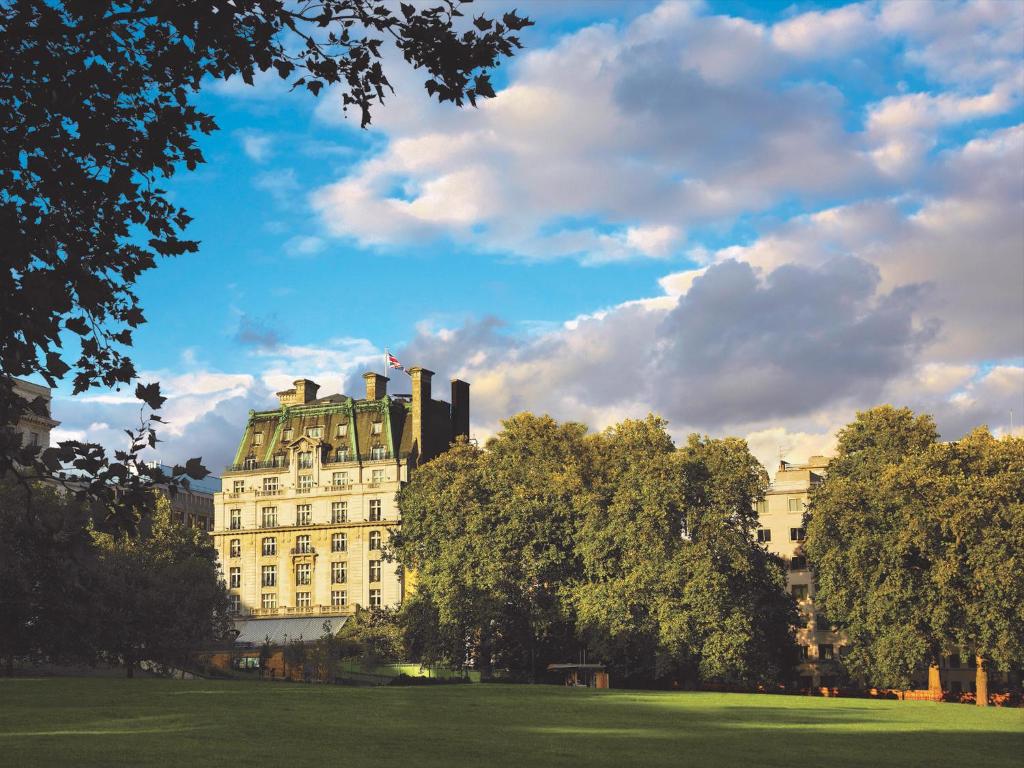
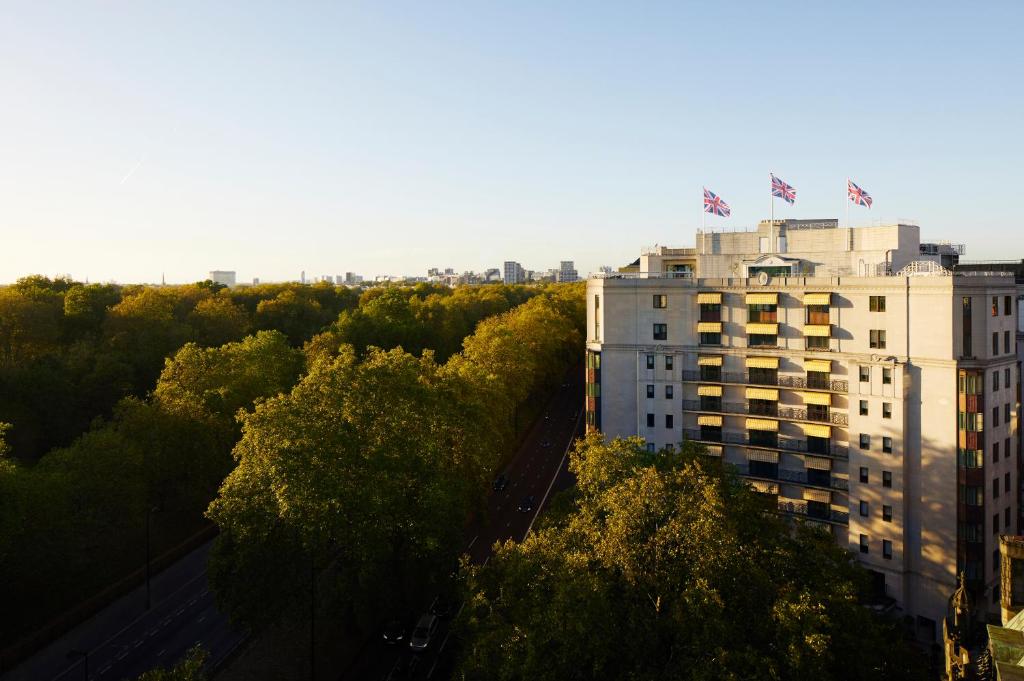
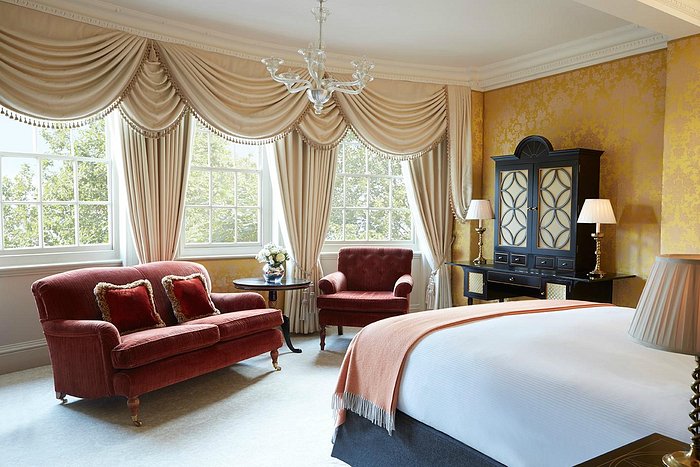
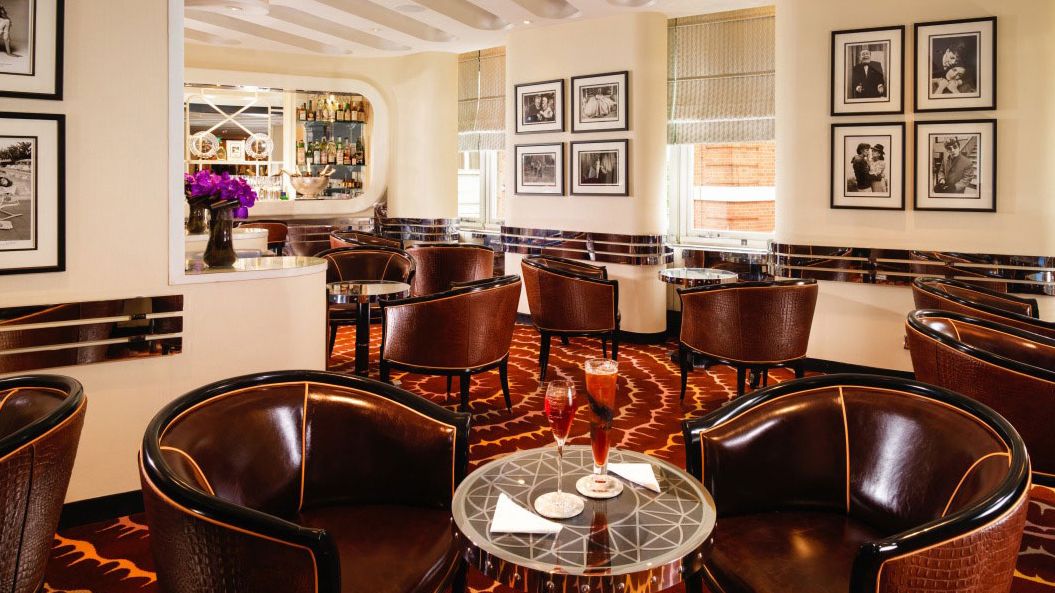
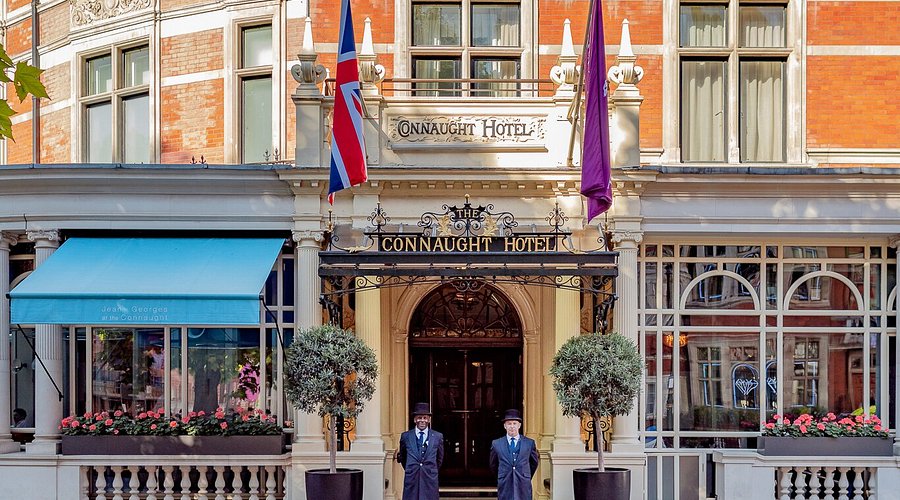
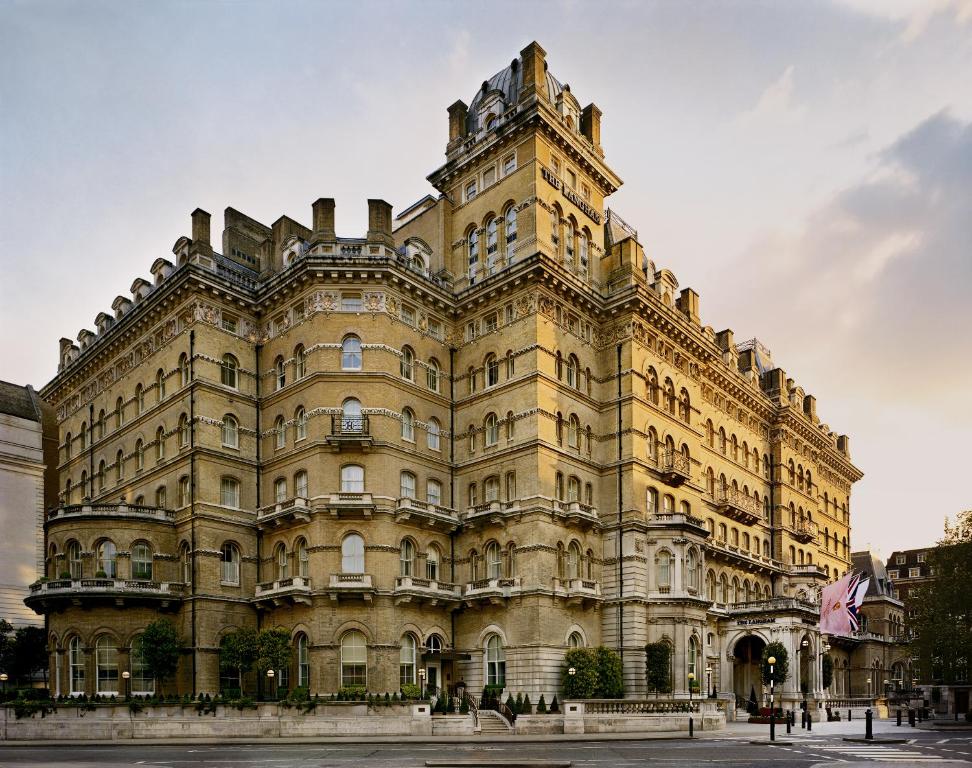
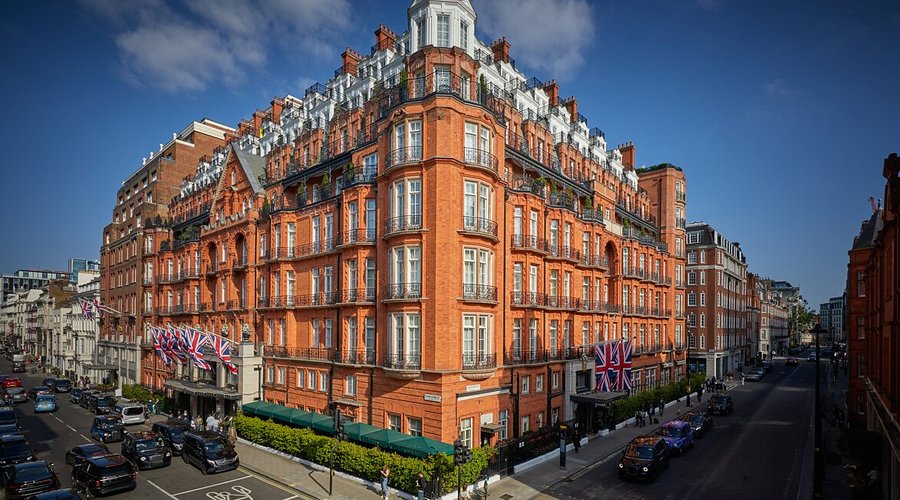
London's grandes dames have written the rules of British hospitality for more than a century. Clariidge's in Mayfair, The Savoy on the Strand, The Connaught in Carlos Place, The Dorchester on Park Lane, and The Berkeley in Knightsbridge each carry a weight of history that no new-build can replicate. These are hotels where the staff remember your name from a previous stay, where the suites have been redecorated by the same families of craftsmen for generations, and where the afternoon tea is not a tourist attraction but a genuine institution.
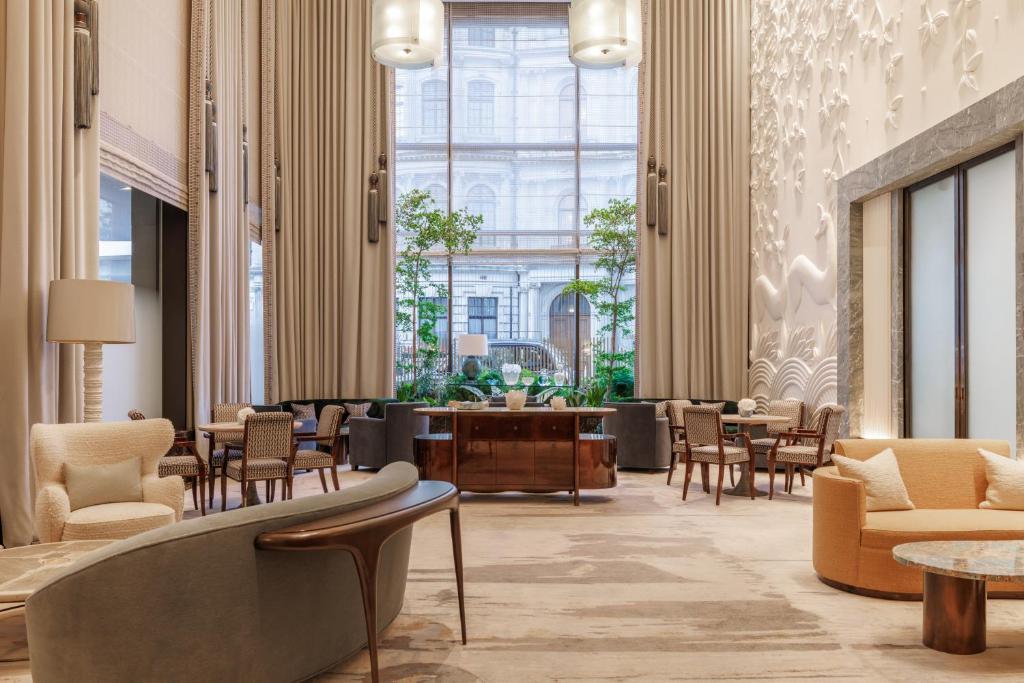
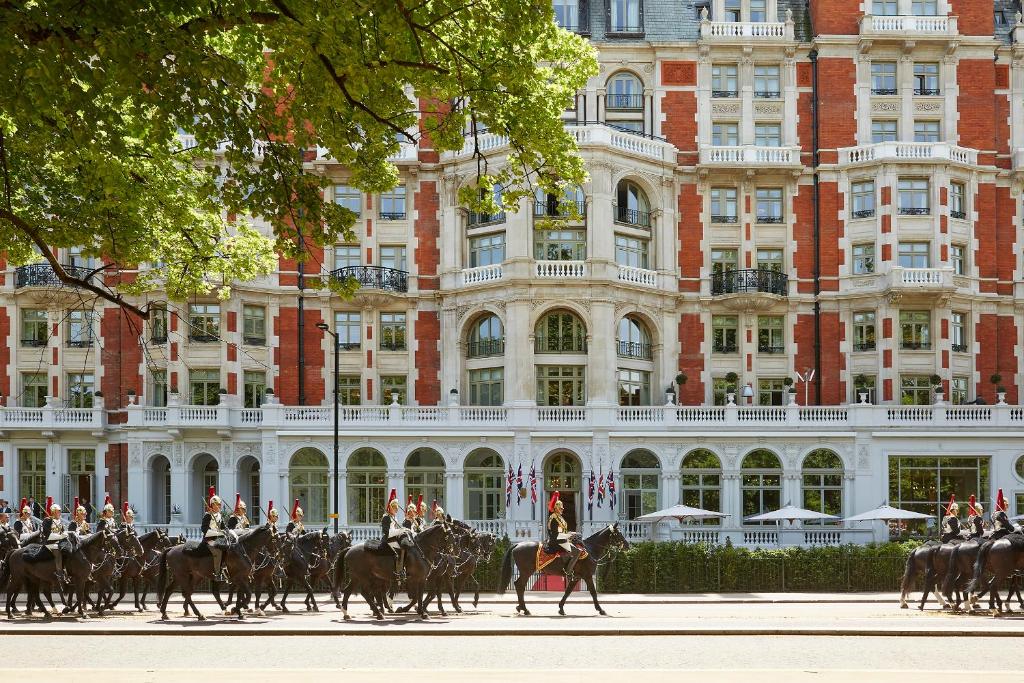
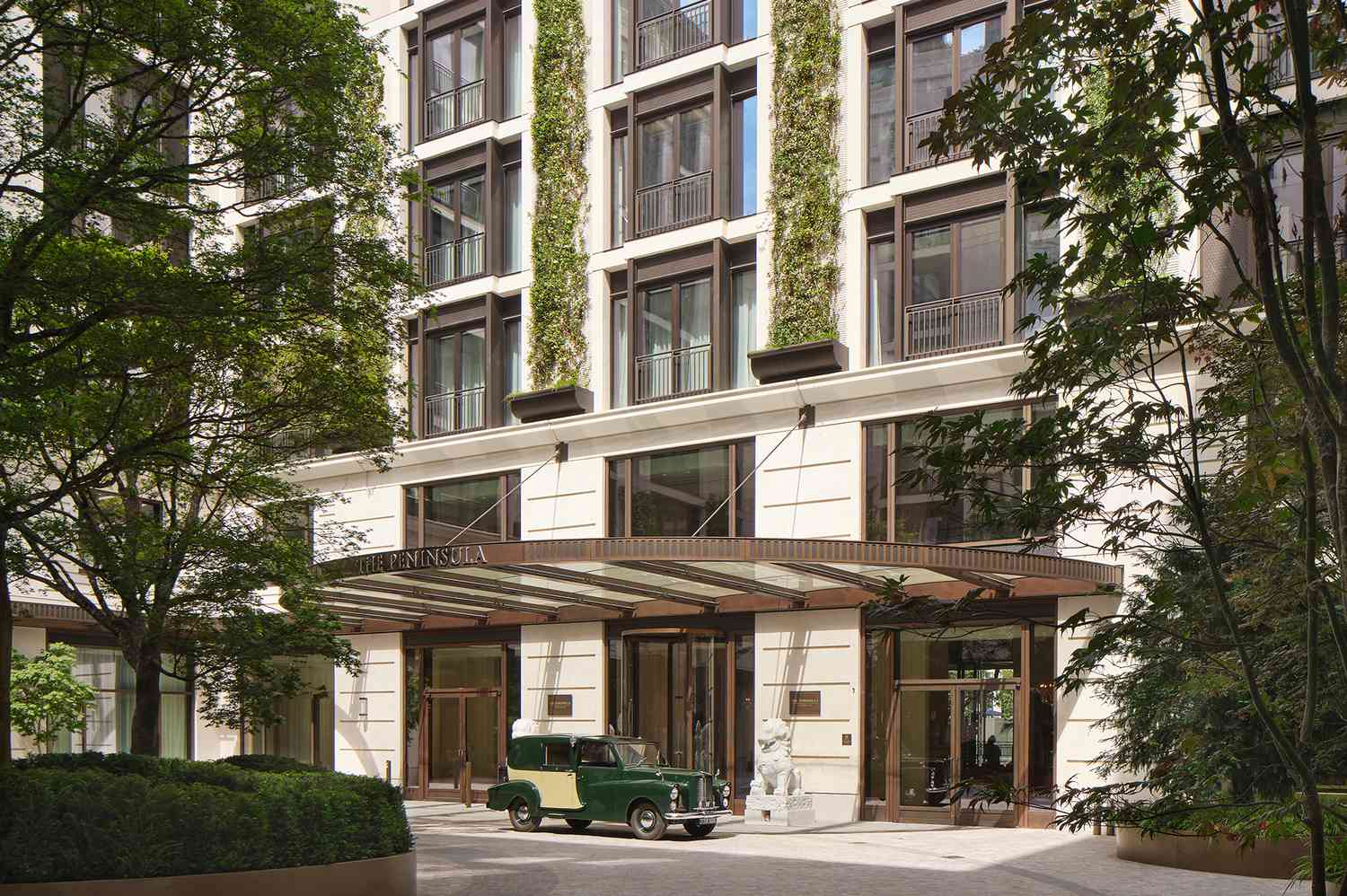
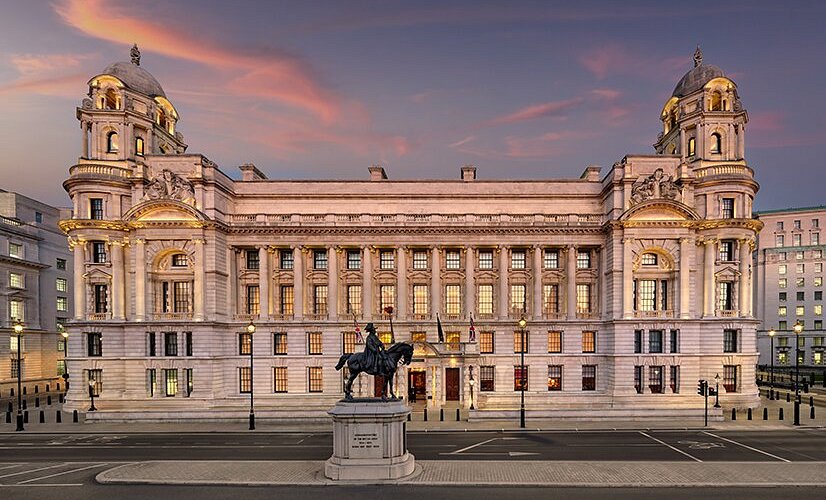
The new generation has arrived. The Peninsula London — opened in 2023 on Hyde Park Corner, the first Peninsula in Europe — has brought a quieter, more architecturally ambitious luxury to the city. The Emory in Belgravia, designed by Richard Rogers, is the most design-forward hotel in London. Raffles London at The OWO (the Old War Office on Whitehall) has converted one of the city's most storied government buildings into 120 rooms and nine restaurants.
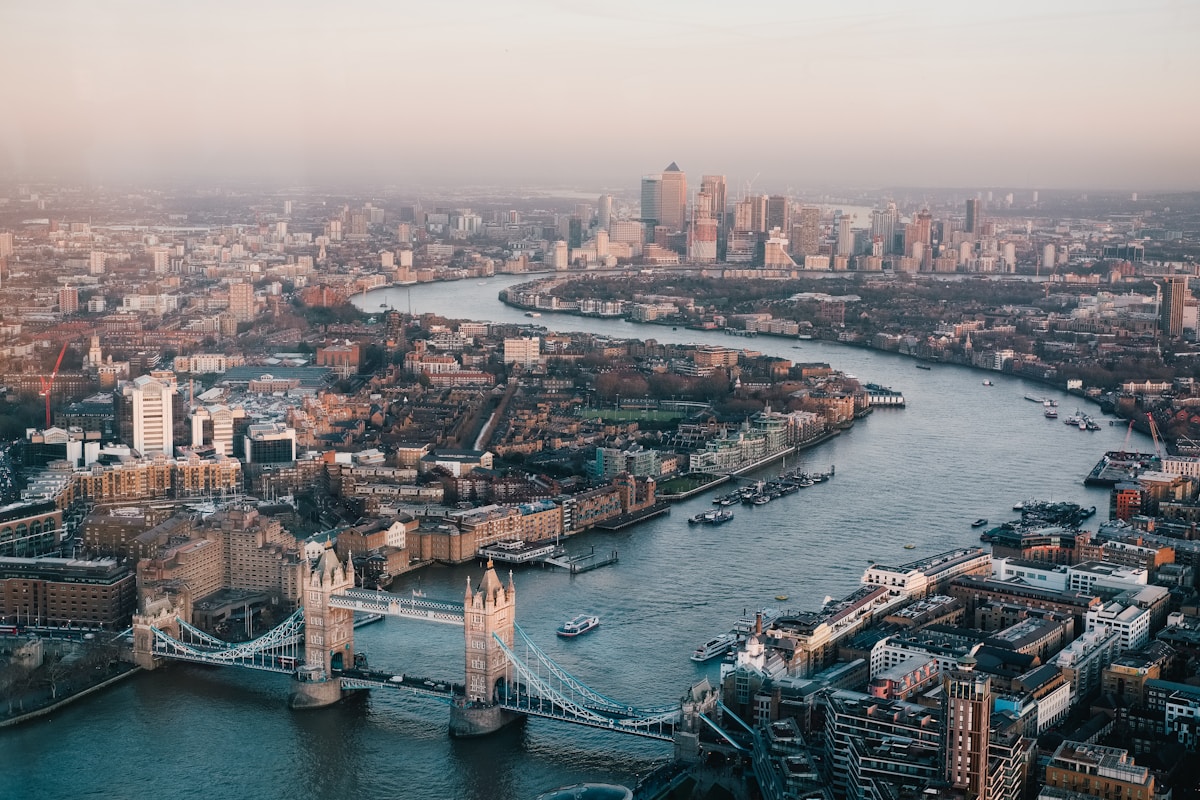
London's hotel geography is unusually concentrated. Mayfair and Knightsbridge hold the greatest density of luxury; Belgravia is quieter and more residential; the City and Canary Wharf serve the financial district; and the West End (Covent Garden, Soho) offers a more urban, design-led alternative. The Tube connects all of them within 20 minutes.
The city's restaurant scene has never been stronger. Many of London's best restaurants are now inside its hotels: Alain Ducasse at The Dorchester, Hélène Darroze at The Connaught, and the nine restaurants at Raffles London. Booking a hotel with serious dining is increasingly the most reliable way to eat well in a city where the best tables are booked months in advance.
Clariidge's, The Connaught, and The Savoy are the three most historically significant hotels in London. All three have been fully restored in the last decade — the rooms are better than they have ever been.
London's hotel rates are highest during Wimbledon (late June–early July), the Chelsea Flower Show (May), and the summer school holidays (July–August). The best value windows are November–February, when rates drop 20–40% and the city is at its most atmospheric.
The afternoon tea at Clariidge's, The Ritz, and The Savoy each requires booking 6–8 weeks in advance. The Connaught's afternoon tea is less publicised and often easier to book — and arguably the best of the four.
The Peninsula London's rooftop bar (Brooklands) and The Emory's rooftop pool are the two best new hotel amenities in the city. Neither requires a room booking, but both require advance reservation.
May, June, September and October offer the best combination of weather, cultural programming, and manageable crowds. July and August are warm but busy and expensive. November to February is the quietest and cheapest period — the city's museums, theatre, and restaurants are at full capacity while the tourist crowds thin considerably.
For the most historically significant London hotel experience, Clariidge's in Mayfair is the definitive choice — Art Deco interiors, impeccable service, and a guest history that reads like a 20th-century who's who.
For the most architecturally ambitious new hotel, The Peninsula London on Hyde Park Corner or The Emory in Belgravia represent the best of contemporary London luxury — both opened since 2023.
For the best location relative to London's cultural institutions (National Gallery, Covent Garden, West End theatres), The Savoy on the Strand is unmatched — five minutes' walk from everything.
For Knightsbridge and the shopping corridor (Harrods, Harvey Nichols, Sloane Street), The Berkeley and Bulgari Hotel London are the most convenient and most design-conscious options.