Muscat
Arabia's Most Civilised Capital
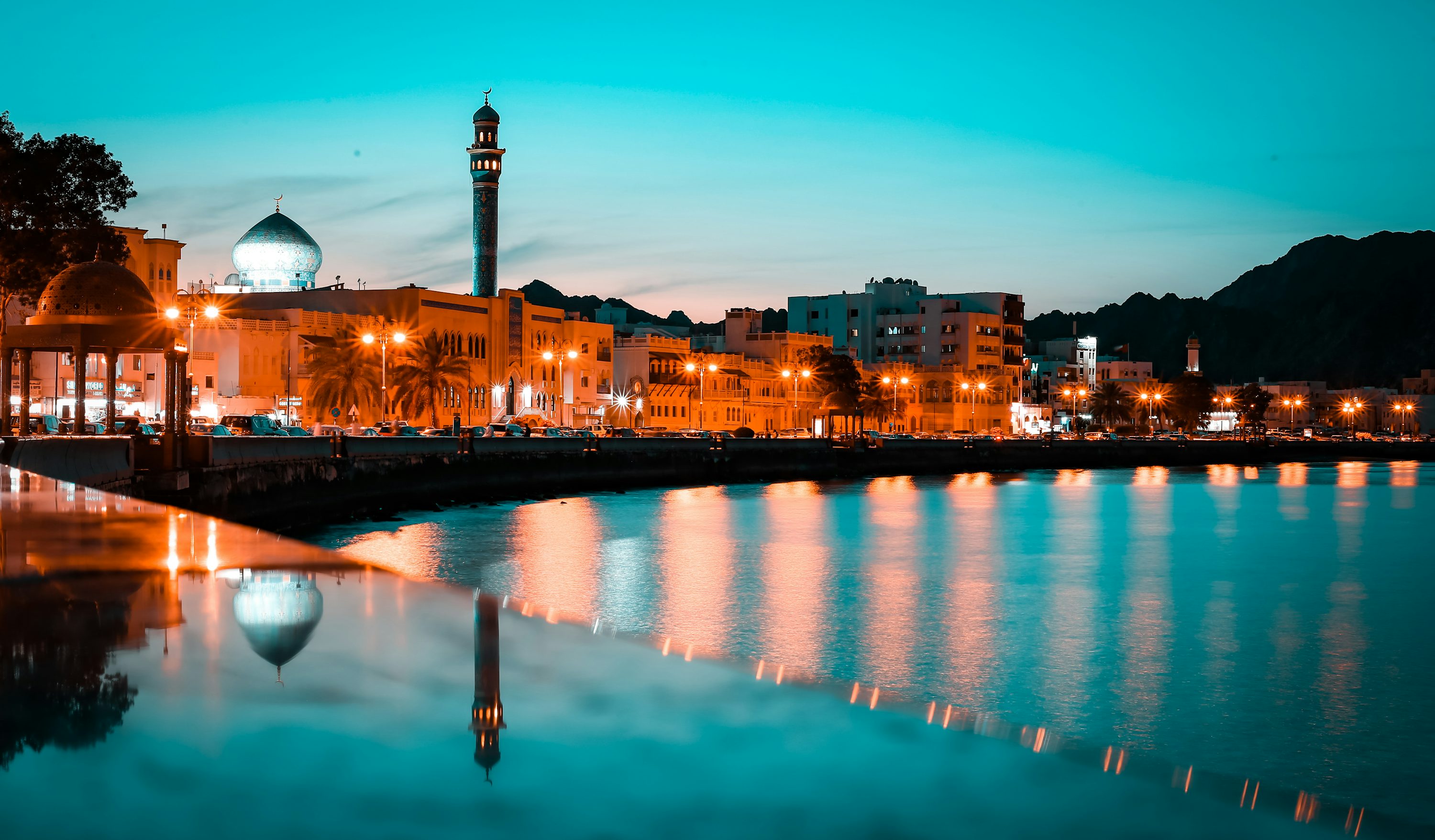
Muscat is the most underrated capital city in the Middle East — a sprawling, low-rise city of white-washed buildings and blue-domed mosques spread along 40 kilometres of coastline between the Hajar Mountains and the Gulf of Oman. Where Dubai and Abu Dhabi have built upward, Muscat has spread outward, maintaining a height restriction that keeps the skyline human in scale and the city's relationship with its landscape intact. The result is a capital that feels genuinely Arabian rather than globally generic — with a corniche, a souk, and a cultural heritage that predates the oil era by centuries.
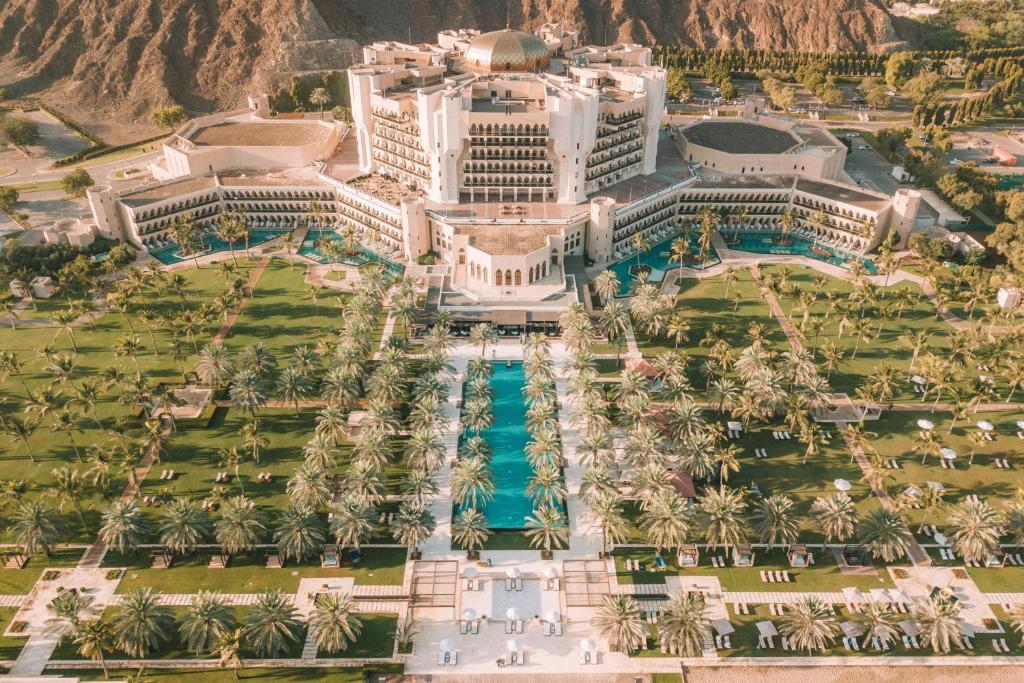
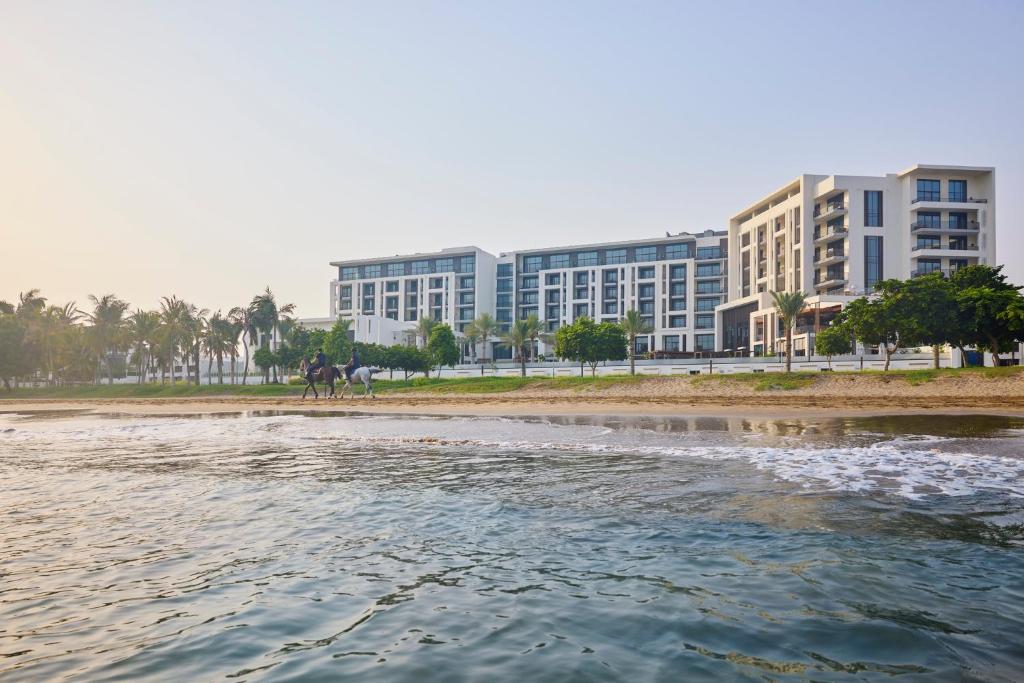
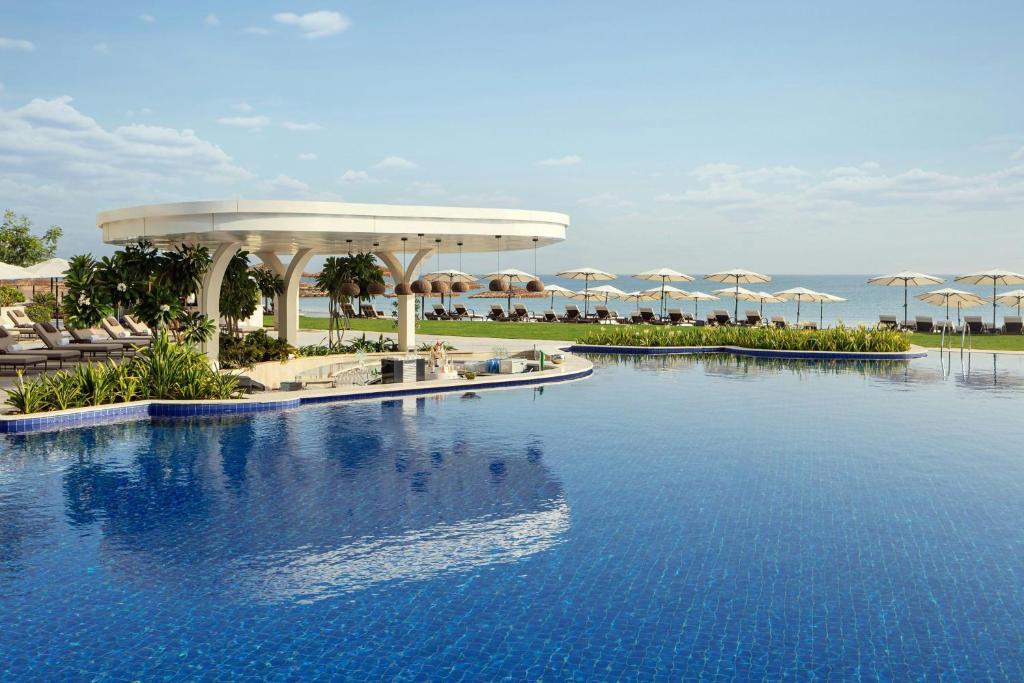
The hotel landscape reflects Oman's ambition to position itself as the region's most sophisticated destination. Al Bustan Palace, a Ritz-Carlton Hotel — built in 1985 as a state guesthouse for the Sultan — remains the grandest hotel in the country, with an atrium lobby of extraordinary scale and a private beach that is among the best in the Gulf. Mandarin Oriental, Muscat brings the brand's signature spa philosophy to a beachfront property in the Shatti al Qurum district, with the most complete wellness offering in the city.
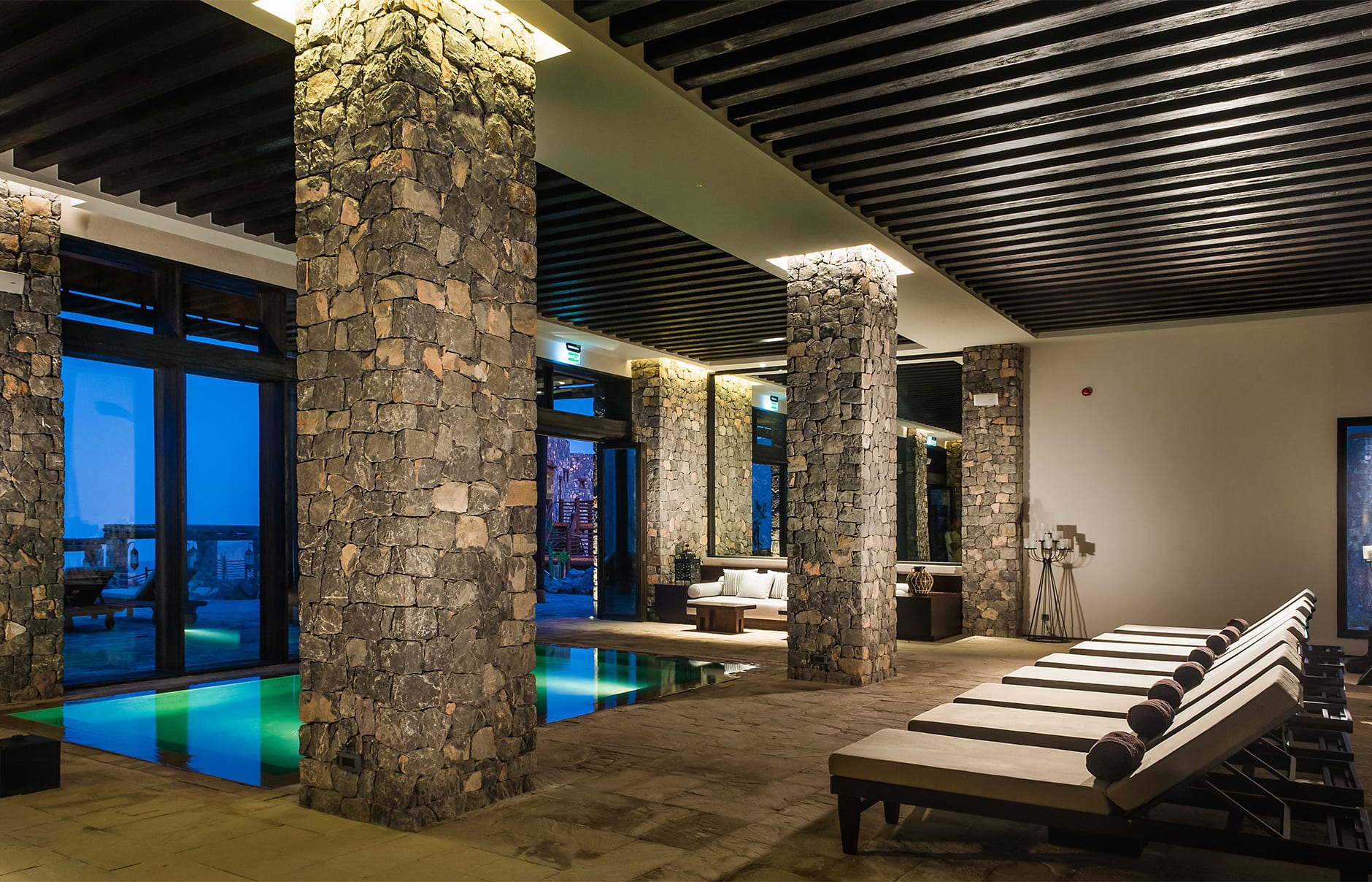
The Hajar Mountains, rising to 3,000 metres behind Muscat, are the most compelling reason to extend any visit beyond the capital. Alila Jabal Akhdar — perched on the rim of a canyon at 2,000 metres in the Al Hajar range — is one of the most dramatically positioned hotels in the world. The property offers rose water distillery tours, canyon hiking, and a cliff-edge infinity pool with views that are genuinely without parallel in the region. The drive from Muscat takes approximately two hours.
Oman's culture of hospitality — rooted in Bedouin tradition and reinforced by the late Sultan Qaboos's vision of a tourism industry built on authenticity rather than spectacle — makes it one of the most genuinely welcoming destinations in the world. The country is safe, orderly, and accessible to all nationalities, with a visa-on-arrival policy for most Western passport holders. The combination of extraordinary landscape, genuine cultural heritage, and world-class hotel infrastructure makes Oman the most compelling new luxury destination in the Middle East.
Alila Jabal Akhdar's cliff-edge infinity pool is one of the most photographed hotel amenities in the world — but the real experience is the canyon hike at dawn, before the day heats up. The hotel's guides lead a 90-minute walk along the canyon rim that offers views unavailable from the pool terrace. Book the guided hike through the concierge on arrival.
The Muttrah Souk in old Muscat is the best traditional souk in the Gulf — less touristy than Dubai's Gold Souk, more authentic than anything in Abu Dhabi. The silver jewellery, frankincense, and Omani khanjar daggers are the best souvenirs in the region. Arrive in the late afternoon when the light is best and the souk is at its most atmospheric.
Oman's frankincense — harvested from Boswellia sacra trees in the Dhofar region — is the finest in the world and has been traded through Muscat for 5,000 years. The best quality frankincense (hojari grade) is available at the Muttrah Souk and at the Bait Al Zubair museum shop. It is the most distinctive gift from the region.
Friday is the Islamic day of rest in Oman — most government offices and many shops are closed, but restaurants, hotels, and tourist sites remain open. The Corniche is at its most lively on Friday mornings, when Omani families gather for the weekly promenade. The Grand Mosque is open to non-Muslim visitors on weekday mornings only.
October to April is Muscat's ideal season — temperatures between 20–30°C, low humidity, and clear skies. May to September is extremely hot (40–45°C) and humid on the coast; the Jabal Akhdar mountain region is significantly cooler and remains pleasant year-round. The Khareef (monsoon) season in Dhofar (July–September) is spectacular but does not affect Muscat.
For the grandest and most historically significant hotel experience in Oman — with the largest atrium lobby in the Gulf, a private beach, and the most complete resort infrastructure in Muscat — Al Bustan Palace, a Ritz-Carlton Hotel is the definitive choice. The property was built as a state guesthouse and retains a scale and formality that no other hotel in the country matches.
For the best spa and wellness experience in Muscat, combined with a beachfront location in the most accessible part of the city, Mandarin Oriental, Muscat is the strongest choice. The spa programme is the most comprehensive in Oman, and the beach club is the best in the capital.
For the most dramatic and memorable hotel experience in the entire country, Alila Jabal Akhdar — perched on the canyon rim at 2,000 metres in the Hajar Mountains — is without equal. The two-hour drive from Muscat is part of the experience; the views from the cliff-edge pool are among the most spectacular of any hotel in the world.
For travellers combining Muscat with a wider Oman itinerary — the Wahiba Sands desert, the fjords of Musandam, the ancient city of Nizwa — a rental car is the most practical approach. Oman's roads are excellent, distances are manageable, and the country rewards independent exploration in a way that few destinations in the region do.