Abu Dhabi
Desert palaces & F1 glamour
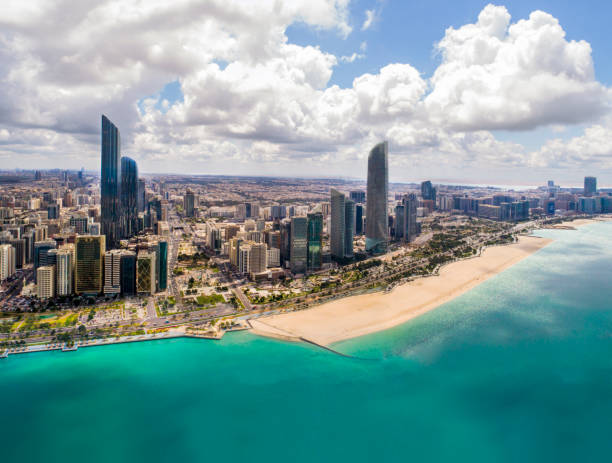
Abu Dhabi is the UAE's capital and its most culturally ambitious city — the home of the Louvre Abu Dhabi, the Guggenheim Abu Dhabi (under construction), the Sheikh Zayed Grand Mosque (the world's third-largest), and the Formula 1 Abu Dhabi Grand Prix at Yas Marina Circuit. It is a city that has invested more deliberately in culture and architecture than any other in the Gulf, and its hotels reflect that ambition.
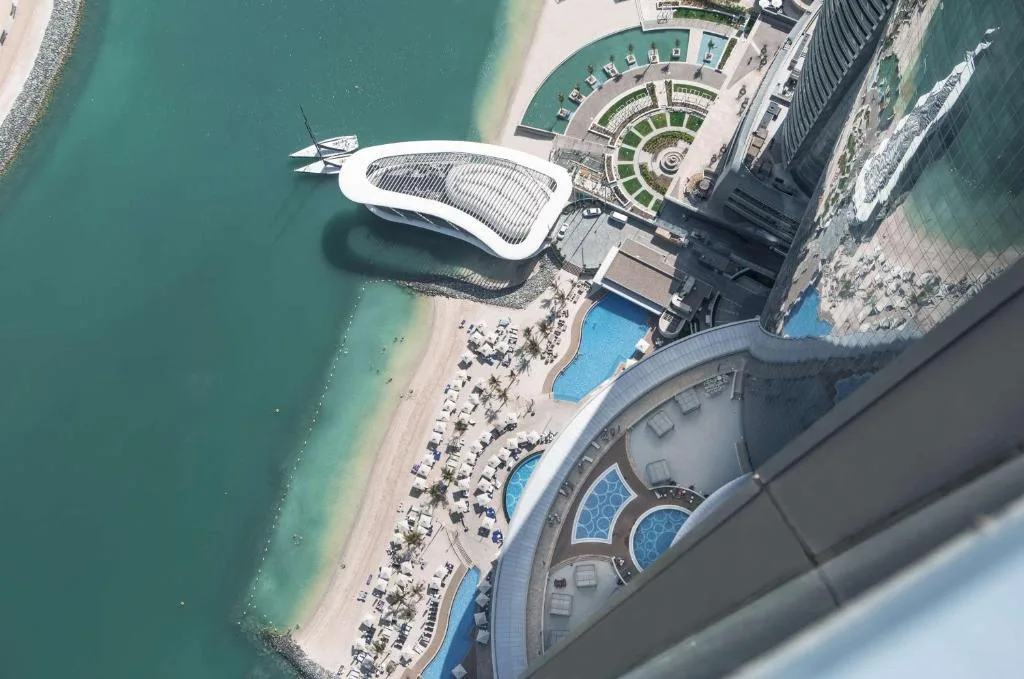
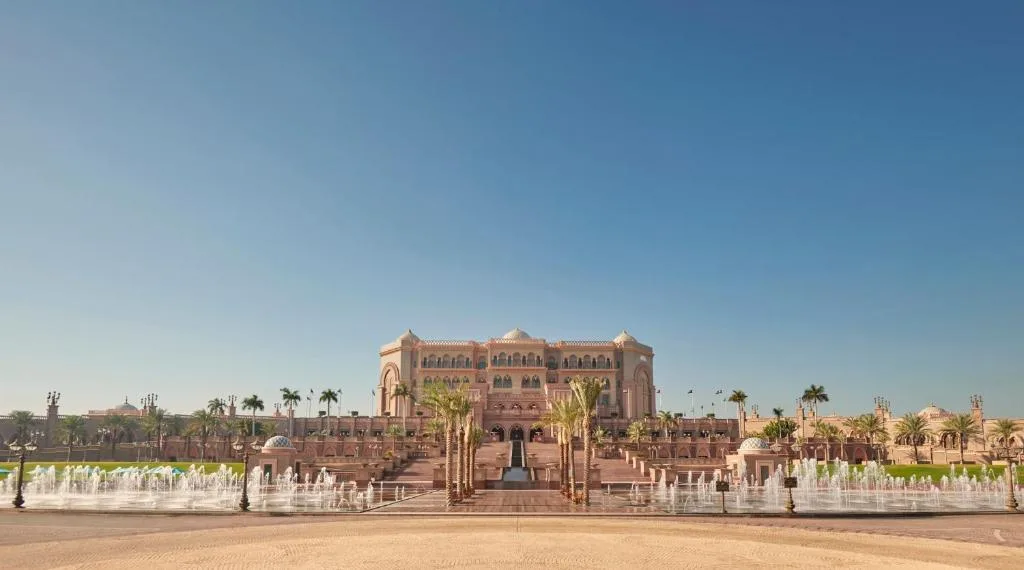
The Emirates Palace Mandarin Oriental is the most famous hotel in Abu Dhabi — a 1.3-kilometre-long palace on a private beach, opened in 2005, with 394 rooms, 1,000 staff, and a gold-leaf interior that remains the most theatrical hotel in the Arab world. The Rosewood Abu Dhabi on Al Maryah Island is the most contemporary alternative: a 282-room tower with the most complete spa in the city and the best views of the Abu Dhabi skyline.
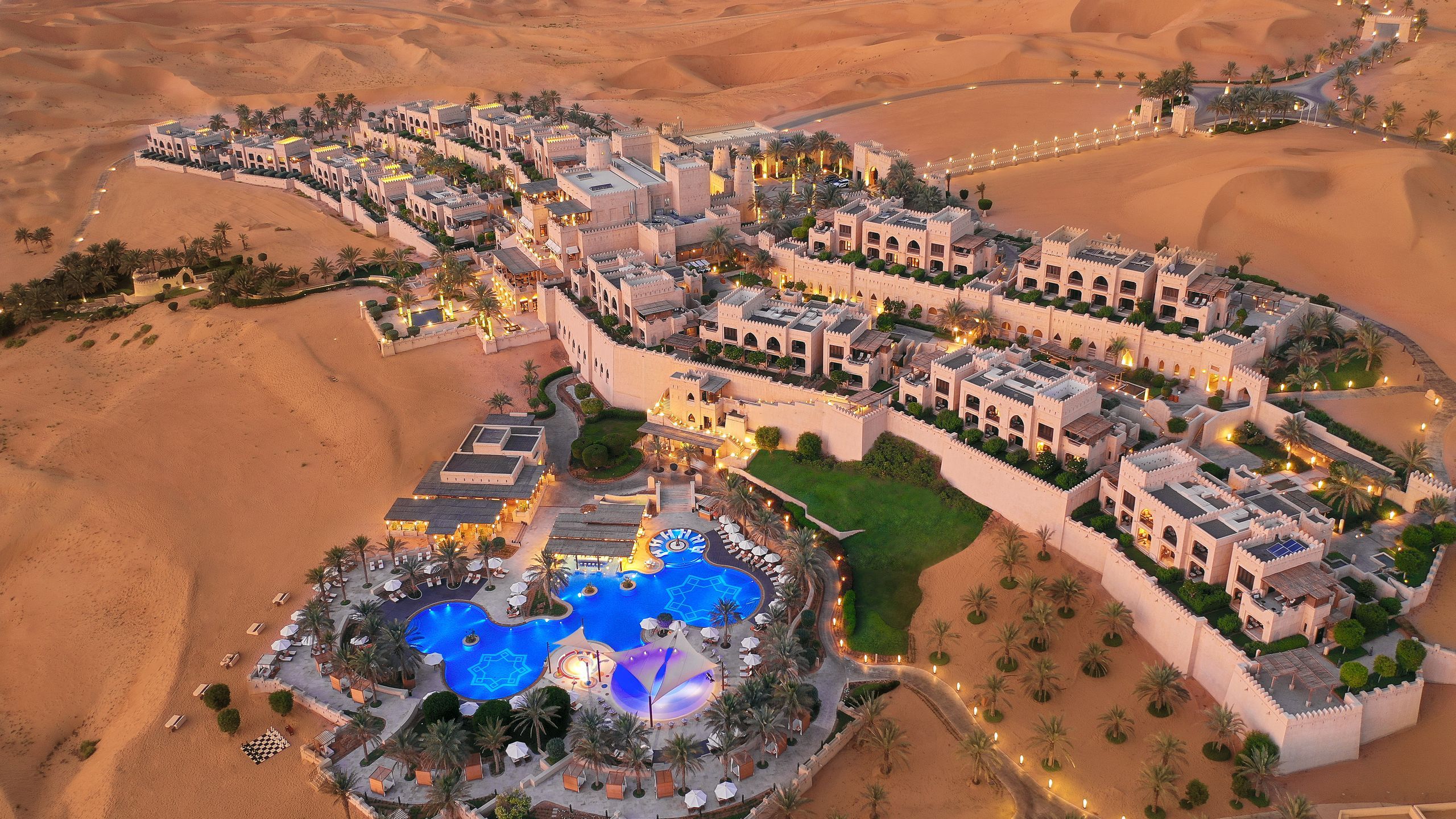
Qasr Al Sarab Desert Resort by Anantara, in the Liwa Desert 200 kilometres south of the city, is the most extraordinary hotel in the UAE — a fortified palace rising from the largest sand dunes in the world, with dune-bashing, camel trekking, and stargazing programmes that are impossible to replicate in the city. It is a two-and-a-half-hour drive from Abu Dhabi International Airport; the journey is part of the experience.
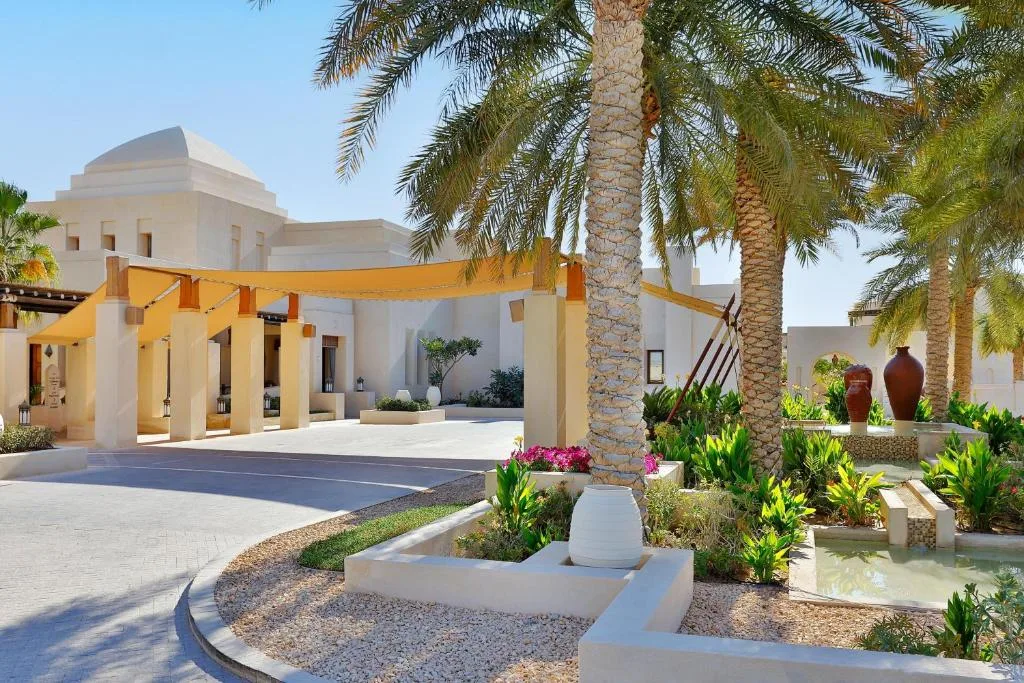
Zaya Nurai Island, a 10-minute boat ride from the Abu Dhabi mainland, is the most private hotel experience in the emirate — a 32-villa resort on a private island with its own beach, restaurants, and spa. It is the closest thing to a Maldivian private-island experience in the Gulf, and the most romantic hotel in Abu Dhabi.
The Sheikh Zayed Grand Mosque is free to visit and is open to non-Muslims outside prayer times. It is the most beautiful building in the UAE and should not be missed — visit at sunset when the white marble turns gold.
Abu Dhabi's Formula 1 Grand Prix (November) is the most glamorous sporting event in the Gulf. Hotel rates increase 300–500% during race weekend; book 6–12 months in advance or avoid the city entirely.
The Louvre Abu Dhabi on Saadiyat Island is one of the finest museums in the Arab world — a Jean Nouvel-designed building with a perforated dome that creates a 'rain of light' effect inside. Allow at least three hours.
Qasr Al Sarab's dune-bashing excursions are best at sunrise and sunset, when the light on the dunes is extraordinary and the temperature is manageable. The midday heat (45–50°C in summer) makes outdoor activities impossible.
November–April is Abu Dhabi's season: warm (20–30°C), dry, and the best conditions for outdoor activities and beach. May–October is extremely hot (40–50°C) and humid — outdoor activities are limited to early morning and evening. The F1 Grand Prix in November is the peak event of the year.
For the most theatrical and historically significant hotel in Abu Dhabi, Emirates Palace Mandarin Oriental — a 1.3-kilometre palace on a private beach — is the definitive choice and the most famous hotel address in the UAE.
For the most extraordinary desert experience in the Gulf, Qasr Al Sarab Desert Resort by Anantara in the Liwa Desert is the most remote and most dramatic hotel in the UAE — a fortified palace in the world's largest sand dunes.
For the most private island experience in the Gulf, Zaya Nurai Island — a 32-villa resort on a private island 10 minutes by boat from the mainland — is the most romantic and secluded hotel in Abu Dhabi.
For the most contemporary and design-forward city hotel, Rosewood Abu Dhabi on Al Maryah Island offers the most complete urban luxury experience — the best spa, the best skyline views, and the most refined service in the city.