Destinations · 9 min
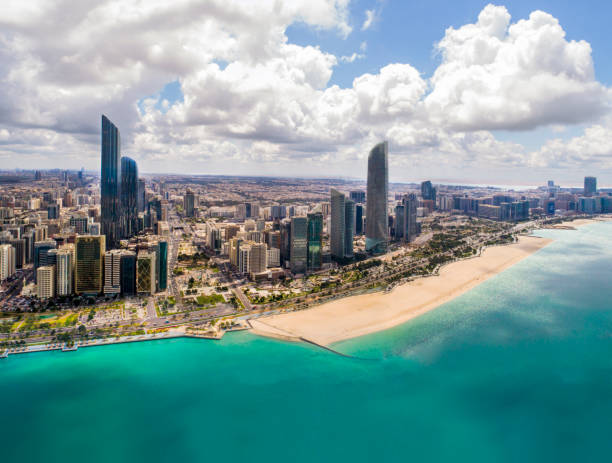
Iconic skyline & desert luxury
Dubai's hotel market is the most competitive on earth. No other city has invested as heavily in hotel infrastructure over the past two decades, and the result is a landscape where the world's most ambitious hotel brands compete for the same guests with a ferocity that has driven standards — and expectations — to extraordinary heights. The winners are those that commit hardest to a specific point of view.
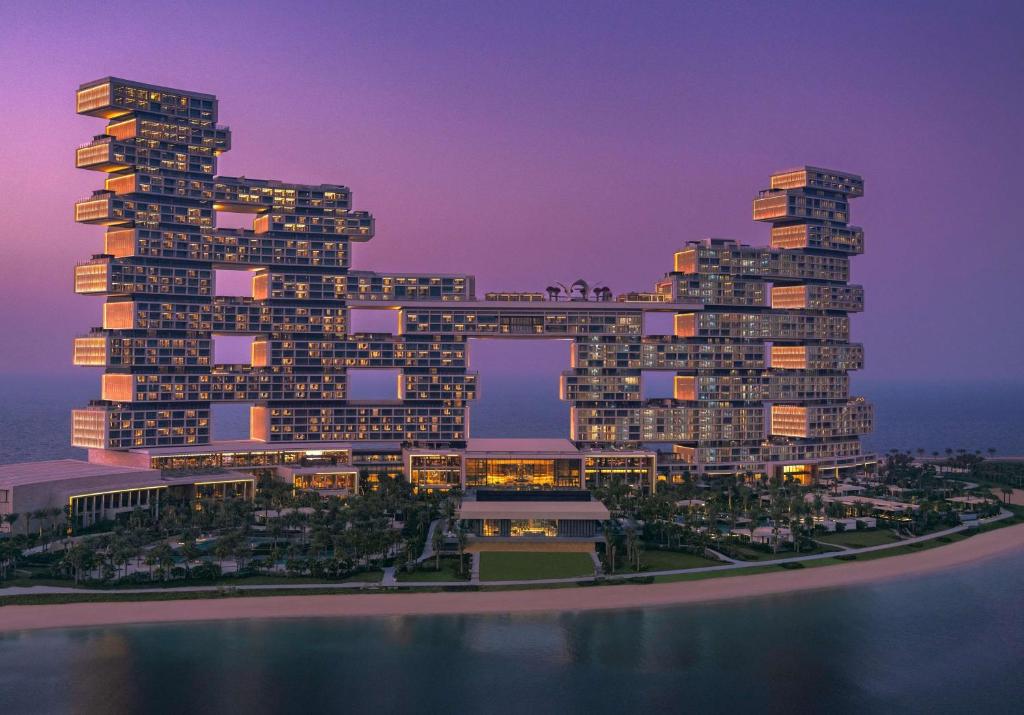
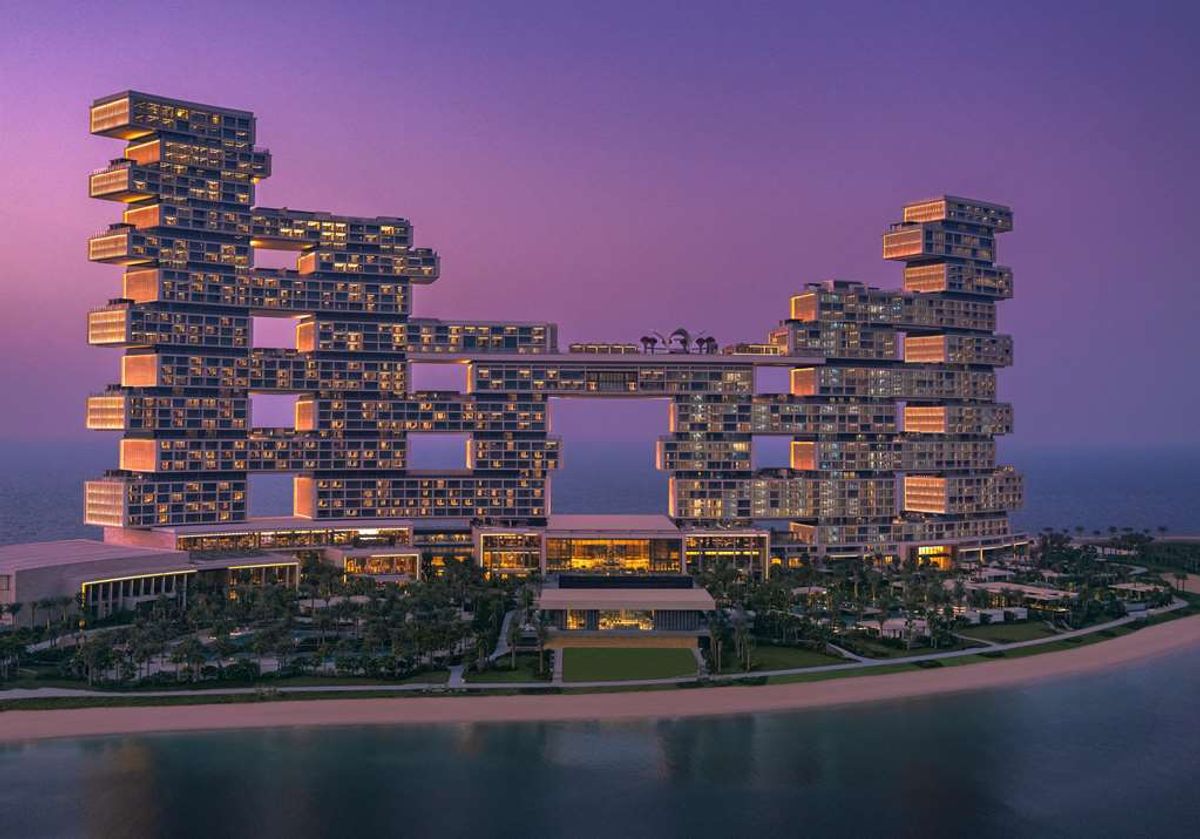
The spectacle tier is led by Atlantis The Royal — a 43-storey tower on Palm Jumeirah with 90 restaurants and bars, the world's largest waterpark, and a design that makes no apologies for its ambition. The Burj Al Arab, opened in 1999, remains the city's most iconic silhouette and the hotel that defined Dubai's global identity. These are hotels where the experience is the architecture; the service and dining are secondary to the visual impact.
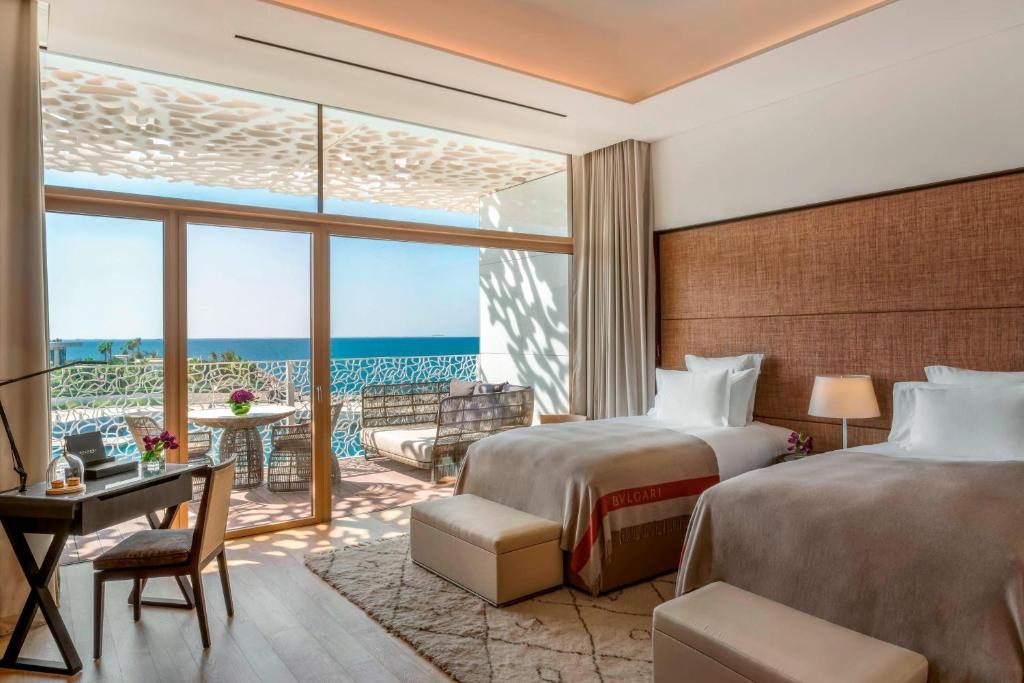
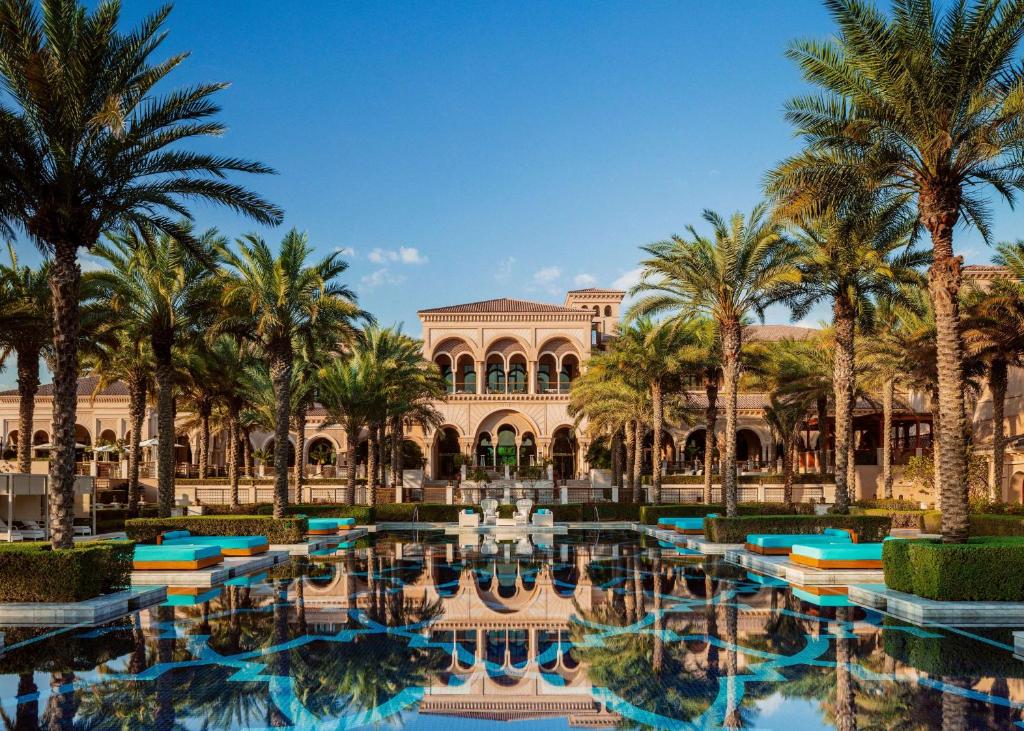
The restraint tier is led by Bulgari Resort Dubai — a 101-villa island property on Jumeirah Bay with the most refined aesthetic in the city, designed by Antonio Citterio Patricia Viel. Four Seasons Resort Dubai at Jumeirah Beach and One&Only The Palm offer a quieter, more considered alternative to the city's dominant spectacle culture. These are hotels where the design is the statement; the architecture is the quiet.
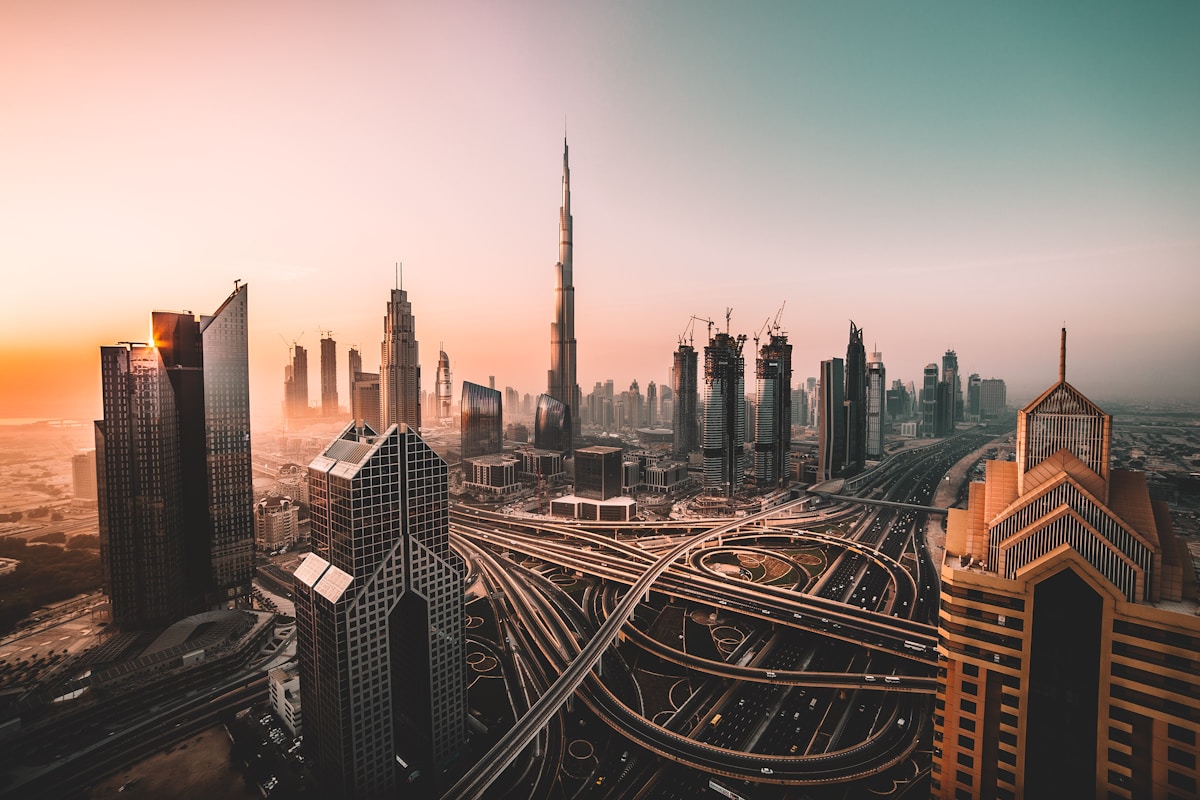
Dubai's geography divides into three zones: Downtown (Burj Khalifa, Dubai Mall, Address Downtown); Jumeirah Beach (Bulgari, Four Seasons, Jumeirah Al Naseem); and Palm Jumeirah (Atlantis The Royal, One&Only The Palm, Waldorf Astoria). Each zone has a distinct character; choosing the right one is the traveller's first decision.
Dubai's hotel rates are highest during the Dubai Shopping Festival (January–February) and the Dubai World Cup horse racing (March). The quietest and most affordable period is July–August, when temperatures exceed 40°C and leisure visitors stay away.
The Burj Al Arab's afternoon tea is open to non-guests by reservation. It is the most theatrical hotel experience in Dubai and worth the cost for the setting alone — book the Skyview Bar, not the lobby.
Bulgari Resort Dubai's island location means it is a 15-minute drive from everywhere else. It is best treated as a self-contained destination — the beach, the spa, and the restaurants are sufficient for a full stay.
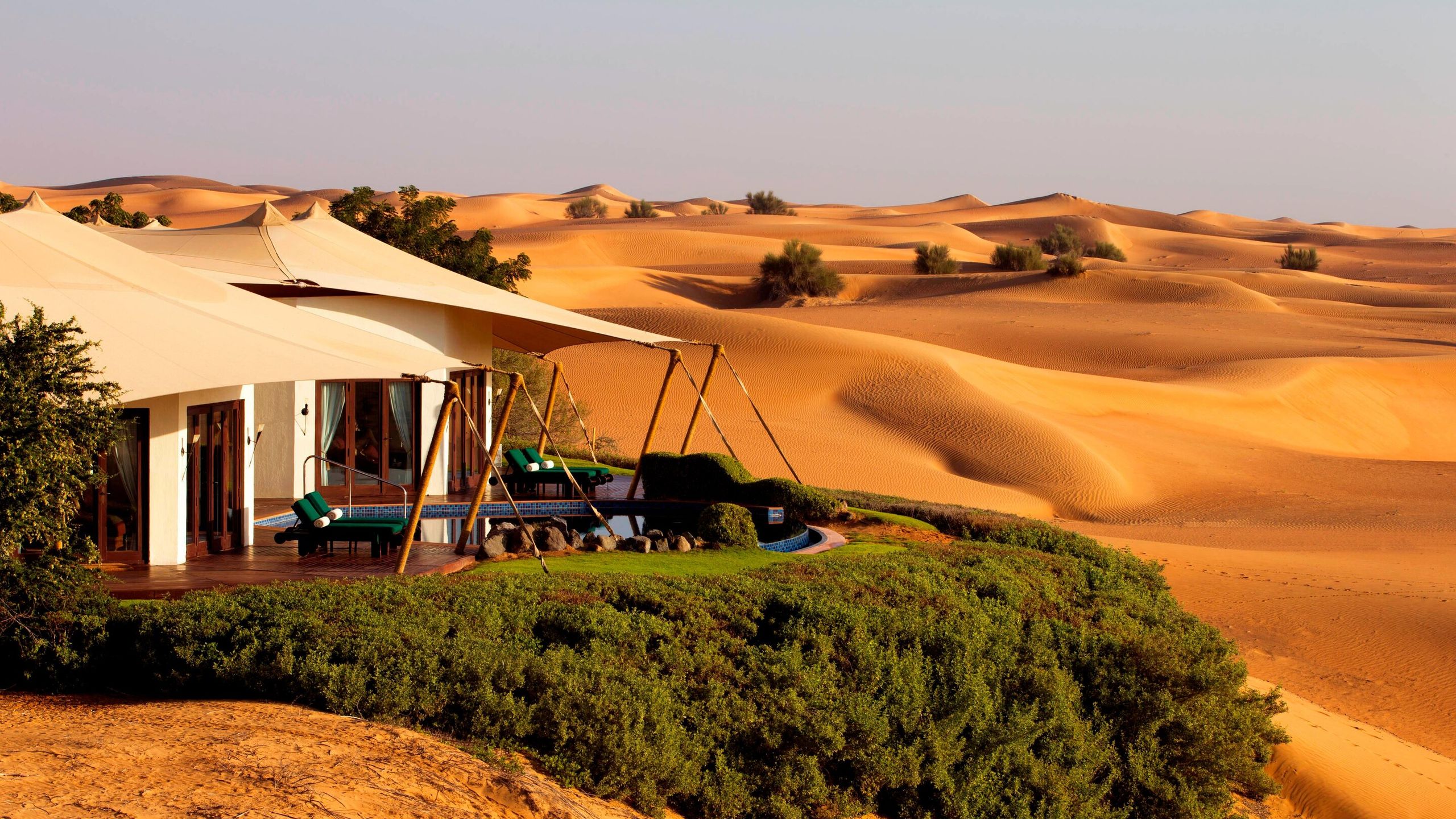
Dubai's desert experiences (dune bashing, camel riding, overnight camps) are best arranged through the hotel concierge. The best operators are not the ones that advertise most aggressively; ask the concierge for their personal recommendation.
November to March is Dubai's golden season: temperatures between 20–28°C, clear skies, and the city at its most active. April and October are shoulder months — warm but manageable. May to September is extreme: temperatures regularly exceed 40°C, humidity is high, and outdoor activities are limited to early morning and evening.
For the most spectacular and ambitious hotel experience in Dubai, Atlantis The Royal on Palm Jumeirah is the definitive choice — 43 floors, 90 restaurants and bars, and a design that has redefined what a hotel can be.
For the most refined and design-conscious luxury in Dubai, Bulgari Resort Dubai on Jumeirah Bay Island is the city's most elegant address — 101 villas, Antonio Citterio design, and the quietest beach in Dubai.
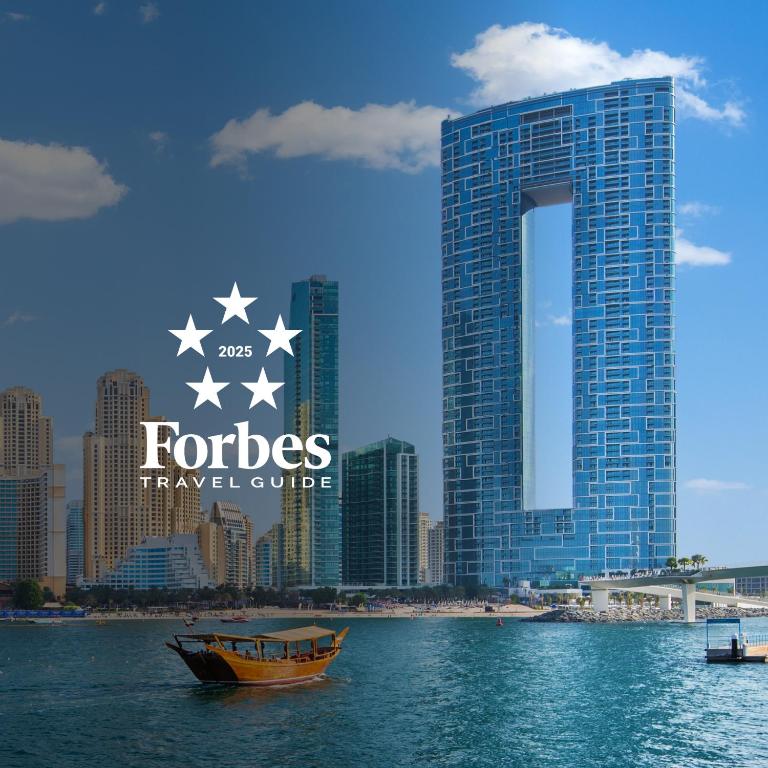
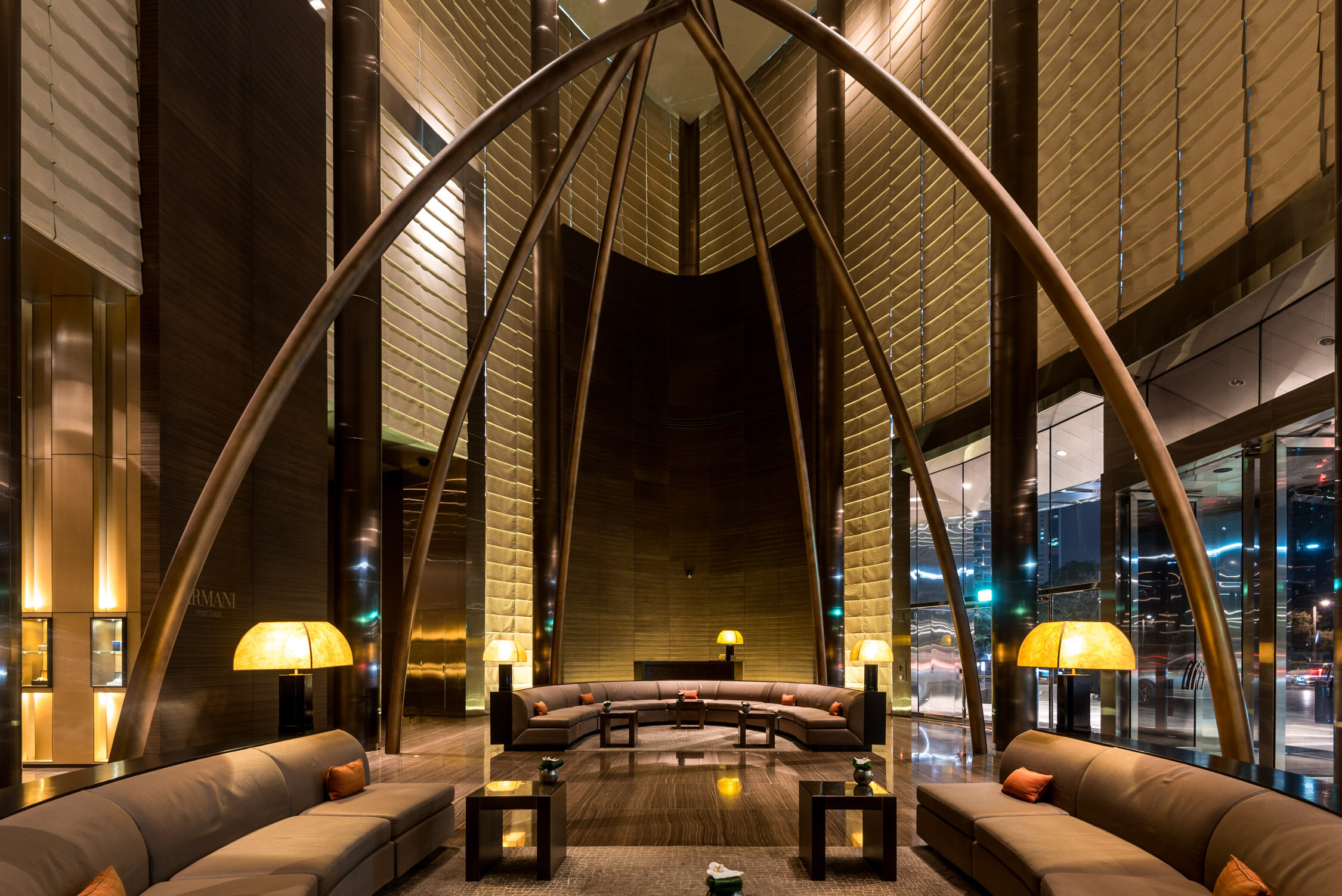
For the best location in Downtown Dubai with Burj Khalifa views and Dubai Mall access, Address Downtown or Armani Hotel Dubai (inside the Burj Khalifa) are the most convenient and most dramatic bases.
For families with children, Atlantis The Royal (Aquaventure waterpark) or Jumeirah Al Naseem (Burj Al Arab beach access, Wild Wadi waterpark) offer the most complete family programmes in the city.