Destinations · 8 min
Honey-stone villages & country houses
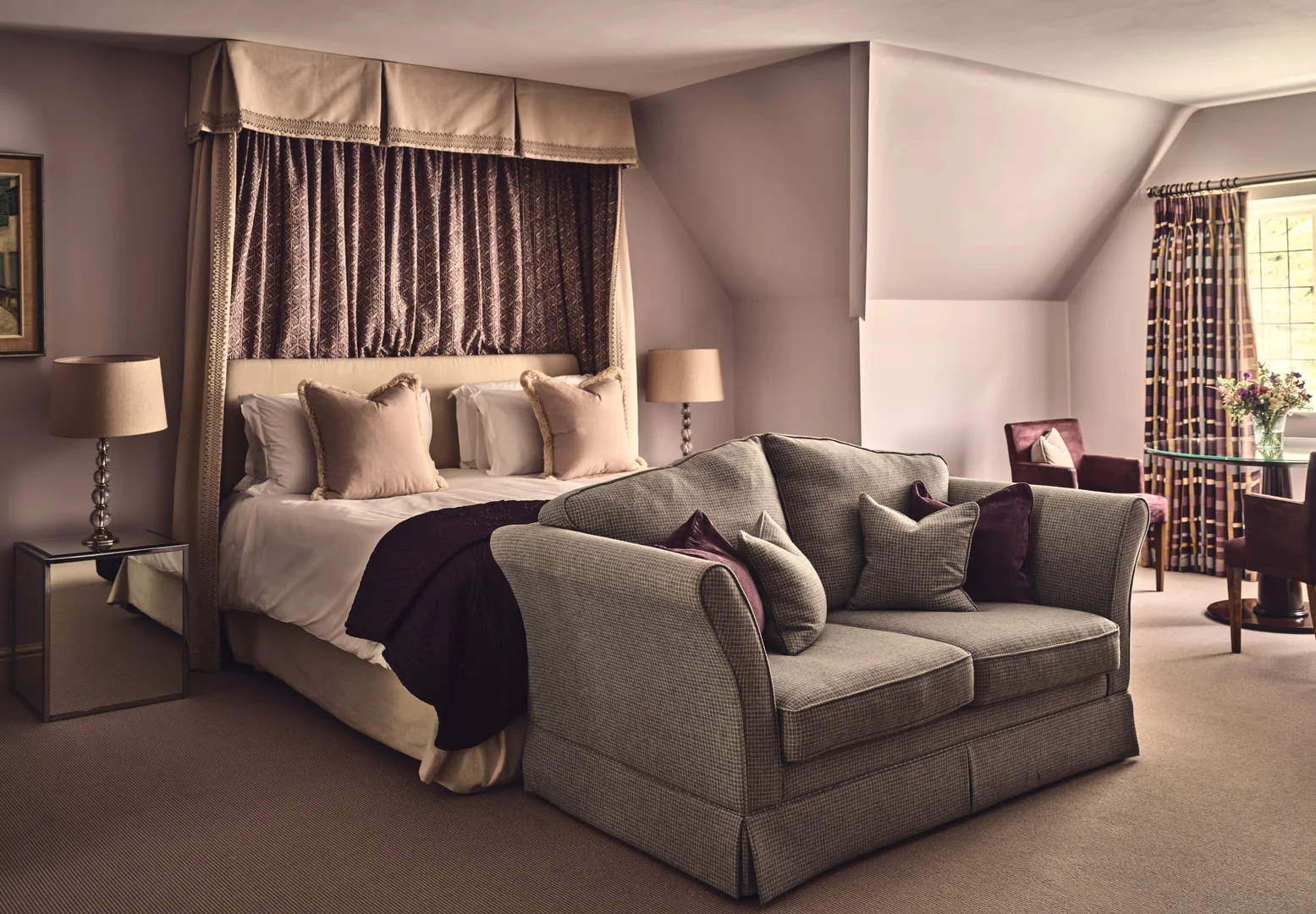
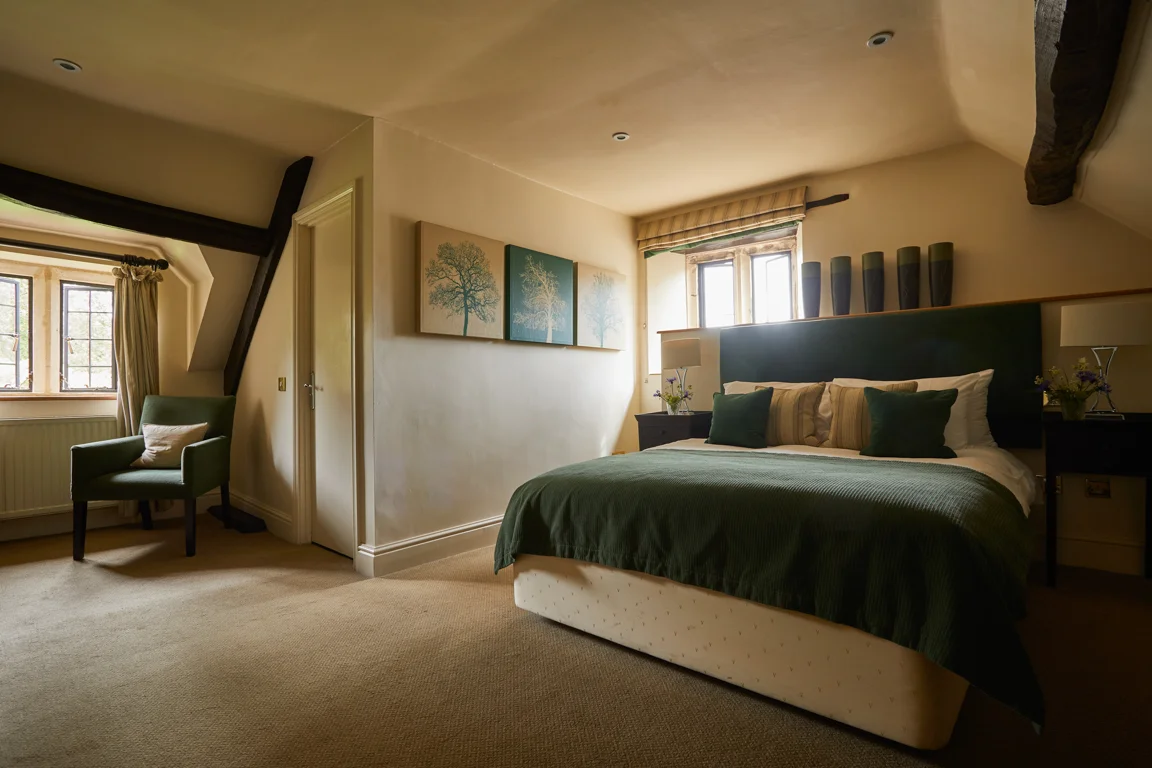
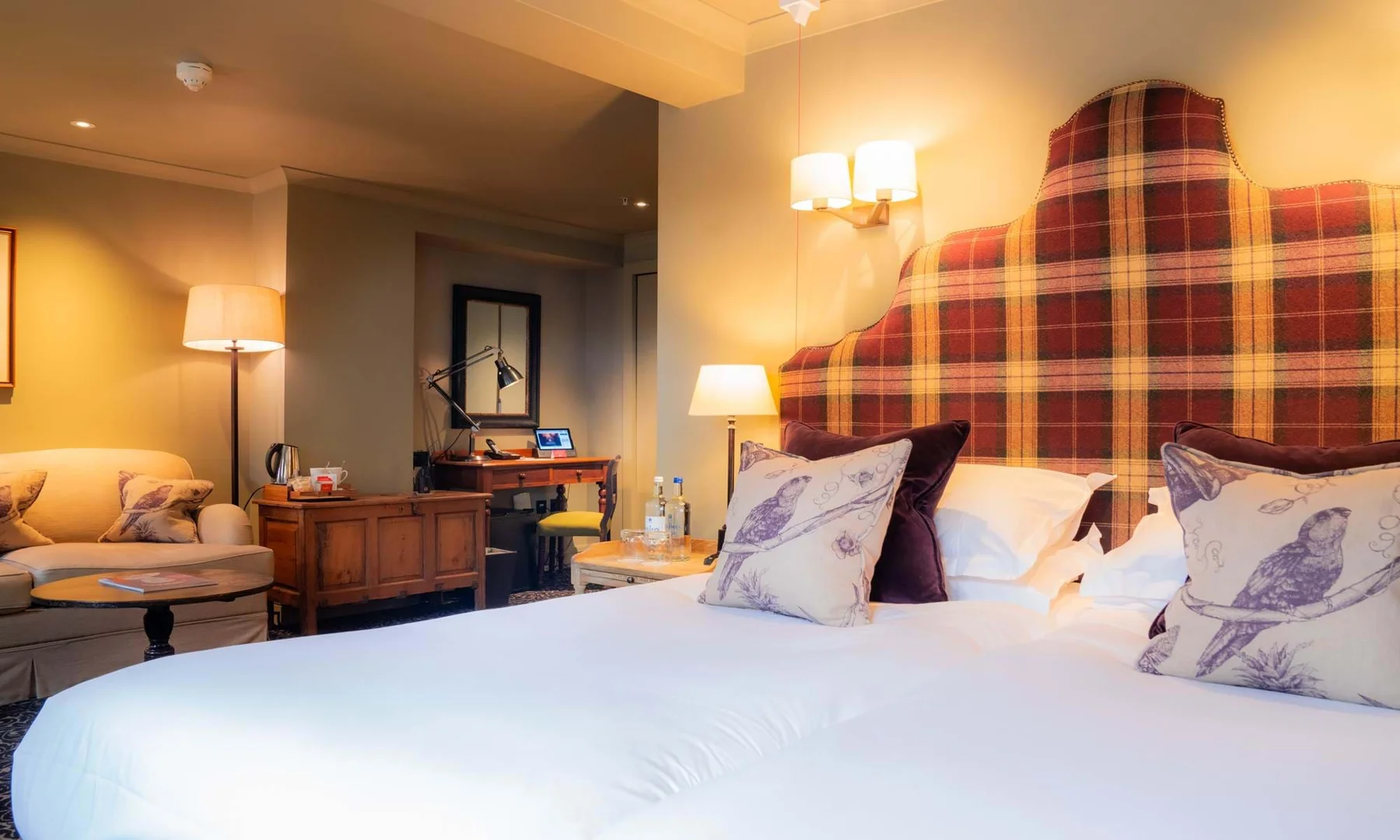
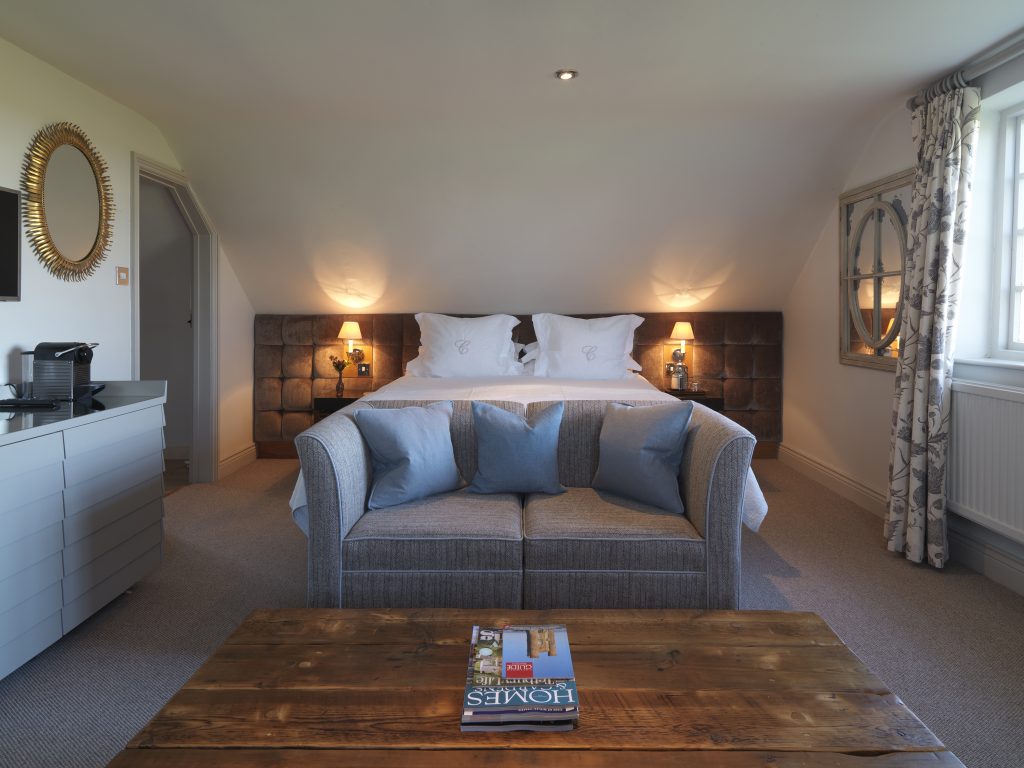
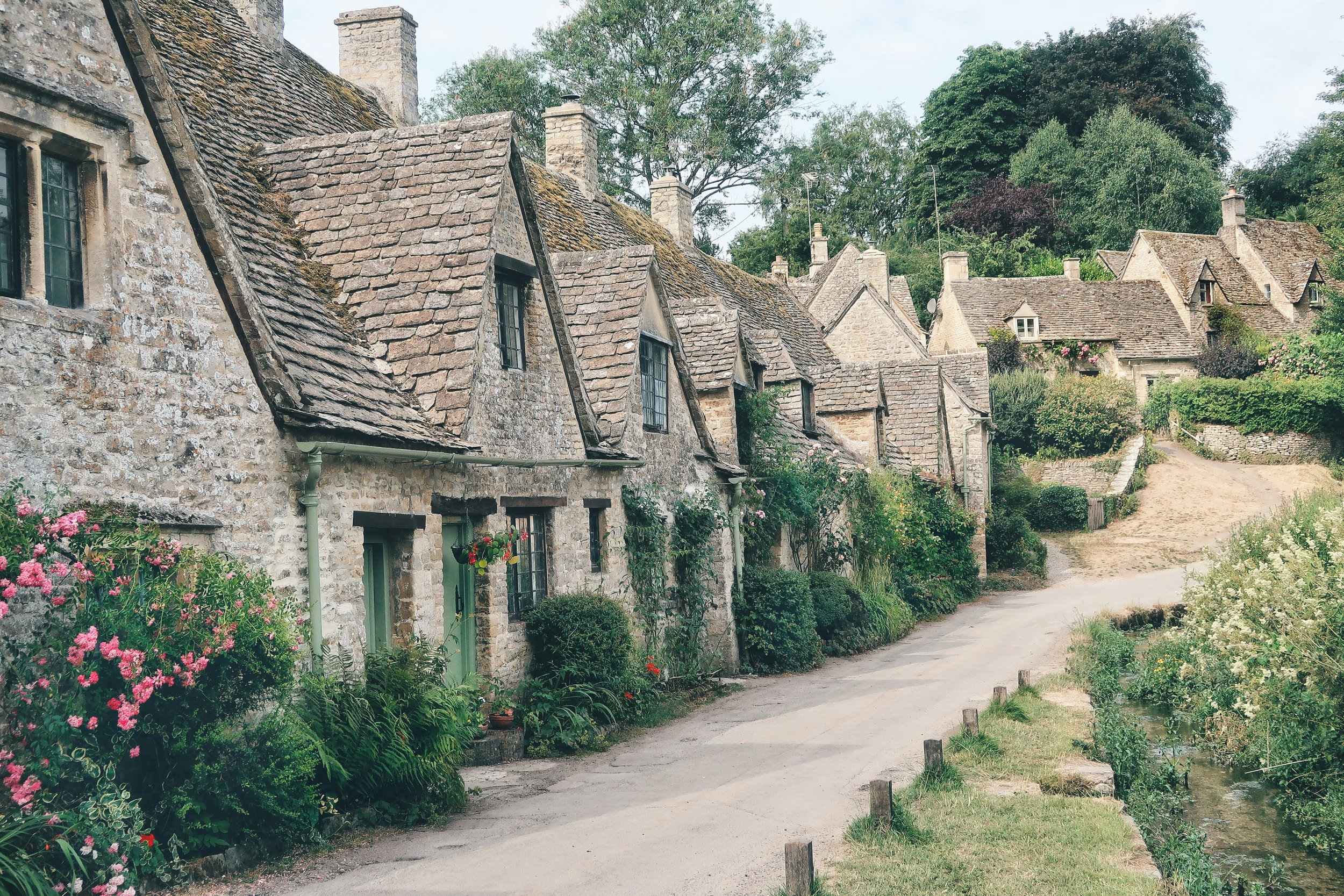
The Cotswolds is England's most celebrated rural landscape — a 790-square-mile Area of Outstanding Natural Beauty of honey-coloured limestone villages, dry-stone walls, and country-house estates that has defined the English pastoral ideal for centuries. The hotels here are not resorts; they are houses that have been opened to guests, and the best of them — Thyme, Barnsley House, Soho Farmhouse — feel like staying with a particularly well-connected friend.
Thyme, a 150-acre estate in Southrop, is the most complete country-house hotel in the Cotswolds — a working farm, a cookery school, a spa in a converted barn, and a restaurant (Ox Barn) that sources almost entirely from the estate. It is the definitive expression of the Cotswolds' farm-to-table ethos. Barnsley House, in the village of Barnsley, is the most garden-focused: the four-acre garden, designed by Rosemary Verey, is one of the most celebrated in England.
Soho Farmhouse — the members' club that opened a hotel in 2015 in Great Tew — is the most culturally influential hotel in the Cotswolds. It introduced a generation of Londoners to the idea of the rural weekend and created a template for the farm-hotel hybrid that has been imitated across Britain. The Lygon Arms in Broadway, a coaching inn since 1532, is the most historically significant hotel in the region.
The Cotswolds' villages — Bourton-on-the-Water, Burford, Chipping Campden, Stow-on-the-Wold — are the most visited in England outside London. The best strategy is to base yourself in a hotel outside the main tourist villages and drive to them; the villages are best experienced early in the morning, before the coach tours arrive.
The Cotswolds is 90 minutes from London by car or train (Kingham station is the most useful for the central Cotswolds). A long weekend is the standard visit; a week allows the slower pace the landscape rewards.
Soho Farmhouse requires a Soho House membership for hotel access. The membership pays for itself within a single visit if you use the spa and the facilities — but the hotel is not accessible to non-members.
The Cotswolds' most beautiful villages — Bourton-on-the-Water, Bibury — are extremely crowded in July–August and on Bank Holiday weekends. Visit on a weekday in May, June, or September for the best experience.
Daylesford Organic Farm Shop in Kingham is the finest farm shop in England — a destination in its own right. The adjoining café serves the best breakfast in the Cotswolds; arrive before 10am to avoid the queue.
May–June and September–October are the Cotswolds' best months: the landscape is at its most beautiful, the villages are manageable, and the weather is reliably mild. July–August and Bank Holiday weekends are extremely crowded — the most popular villages become genuinely unpleasant. November–March is quiet, cold, and atmospheric — the best time for open-fire evenings and empty country lanes.
For the most complete farm-to-table country-house experience, Thyme in Southrop — a 150-acre working estate with a cookery school, spa, and Ox Barn restaurant — is the definitive Cotswolds hotel.
For the most celebrated garden hotel in England, Barnsley House in Barnsley — with Rosemary Verey's four-acre garden — is the most garden-focused address in the region.
For the most culturally influential and social hotel experience, Soho Farmhouse in Great Tew is the Cotswolds' most fashionable address — though membership is required.
For the most historically significant hotel in the region, The Lygon Arms in Broadway — a coaching inn since 1532 — is the most storied address in the Cotswolds.