Cusco
The Sacred Valley & Machu Picchu
Cusco was the heart of the Inca Empire and today it remains one of the world's most extraordinary destinations — a high-altitude city of colonial baroque architecture built directly atop Inca stone foundations, at 3,400 metres above sea level. The city's finest hotels occupy 16th-century monasteries and colonial palaces that were themselves constructed over Inca temples, creating a layered history that is unmatched anywhere in the Americas. To stay in Cusco's best hotels is to sleep inside a living archaeological site.
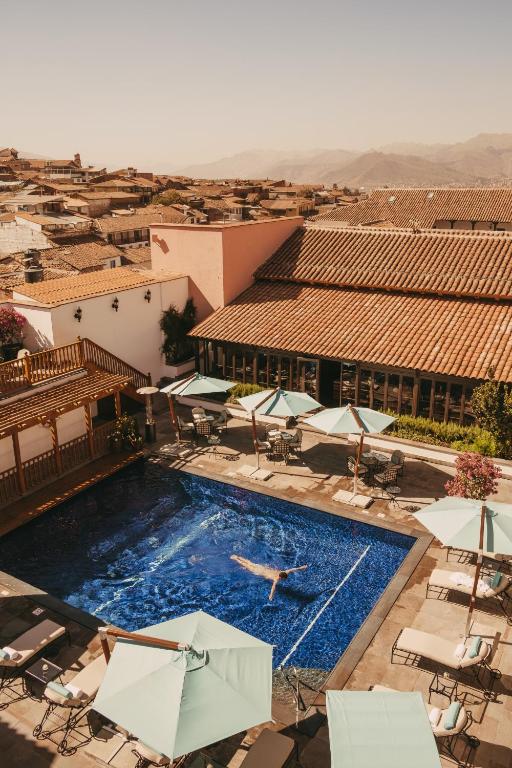
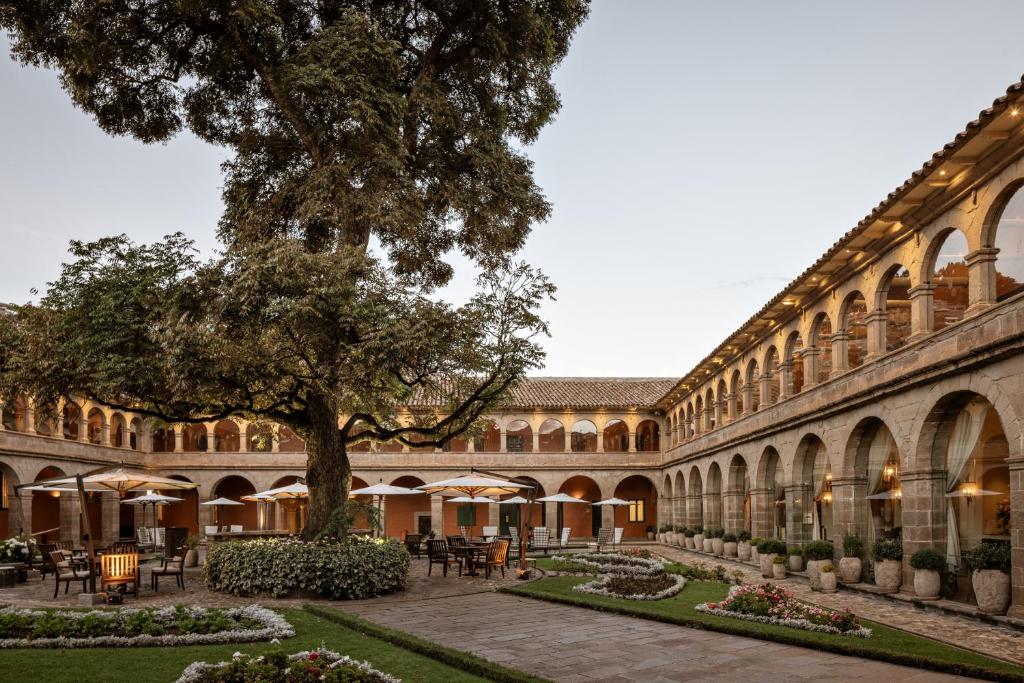
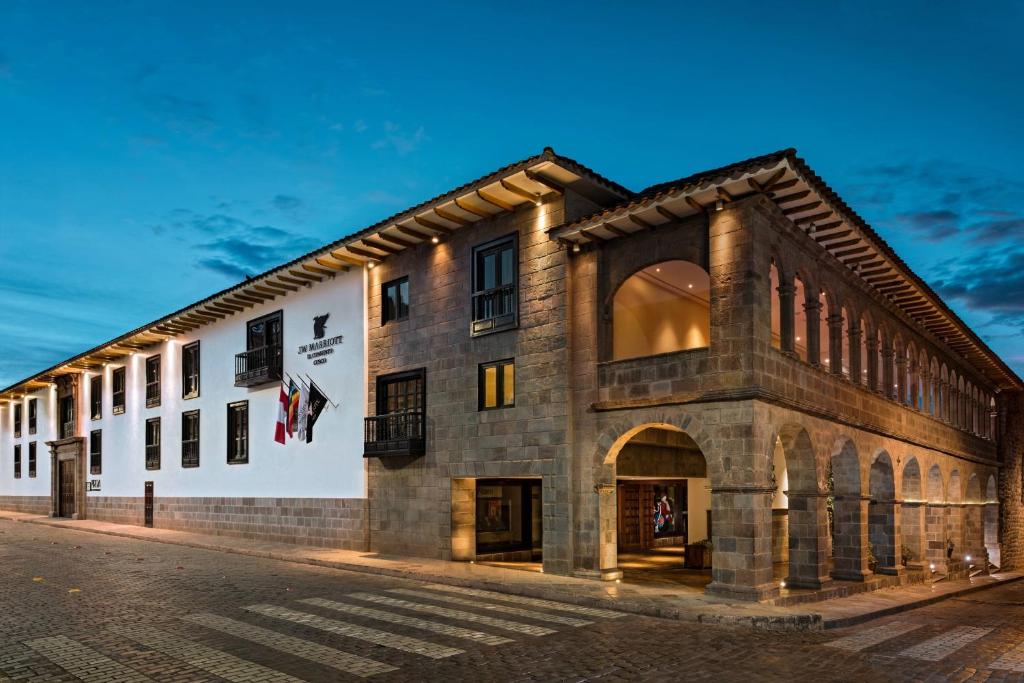
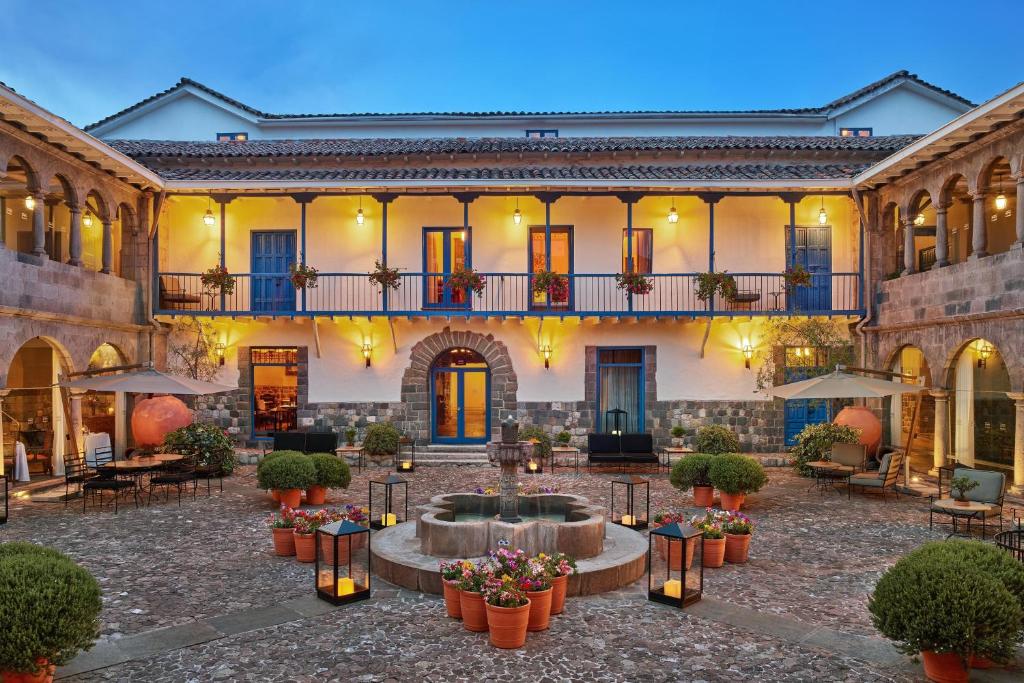
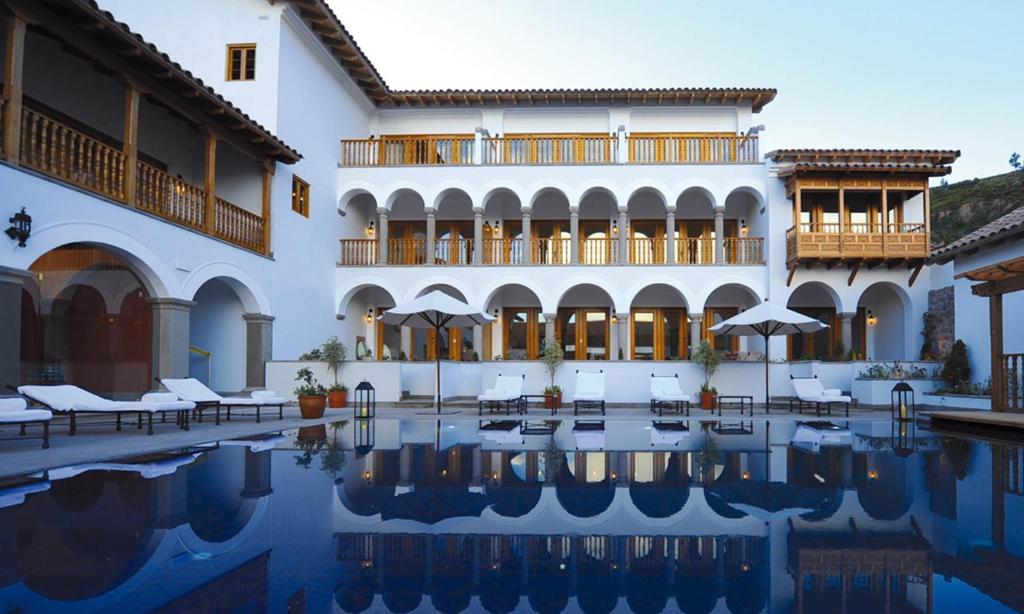
The Belmond properties define the upper tier. Monasterio, a former Jesuit college from 1595, is the most historically significant hotel in South America — its cloistered courtyard, gilded chapel, and oxygen-enriched rooms make it one of the world's great heritage hotels. Palacio Nazarenas, a converted convent two blocks away, is the more intimate and contemporary alternative, with a rooftop pool that looks out over the city's terracotta rooftops toward the mountains. Both properties reflect the Belmond standard of service that has made Cusco a benchmark for heritage luxury in the Americas.
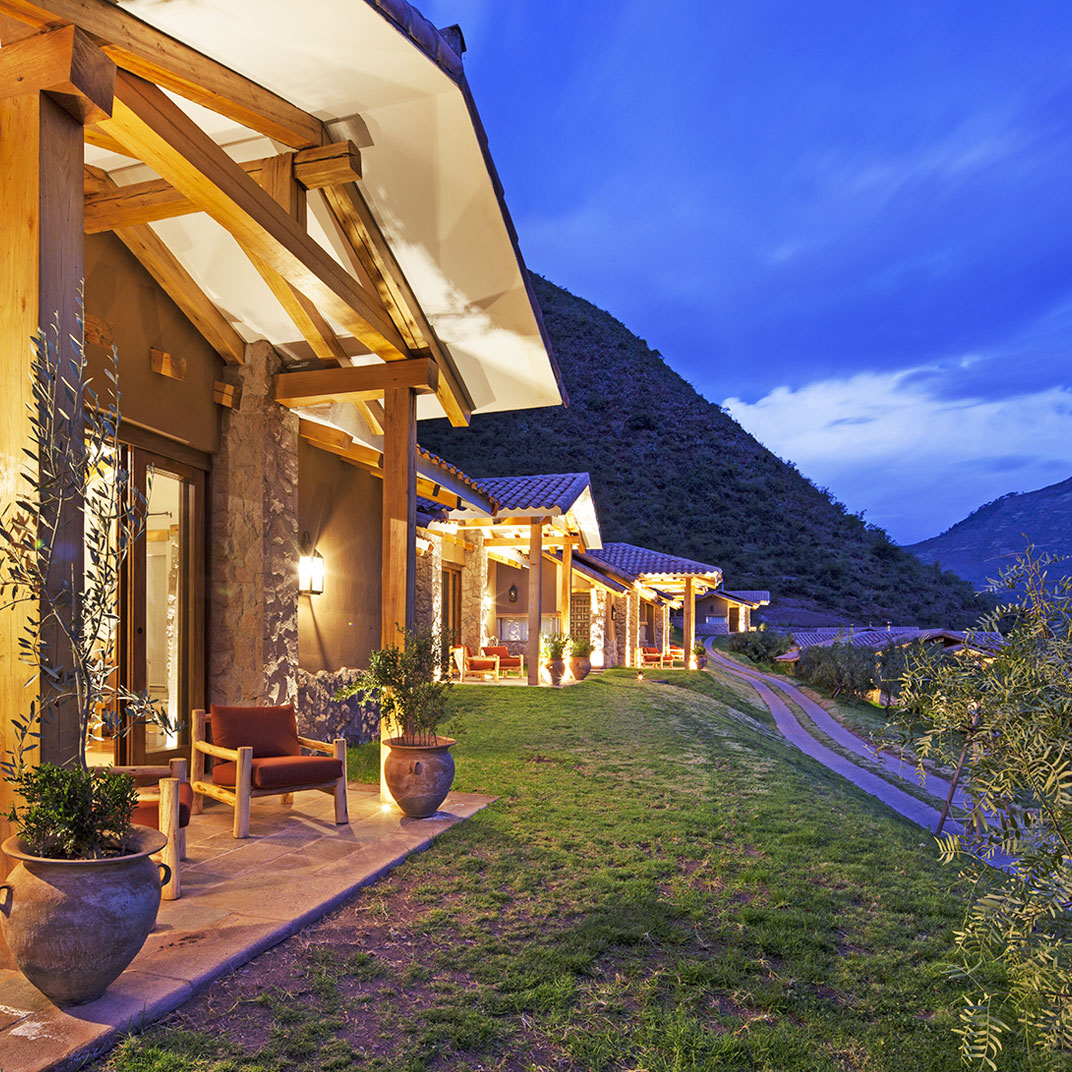
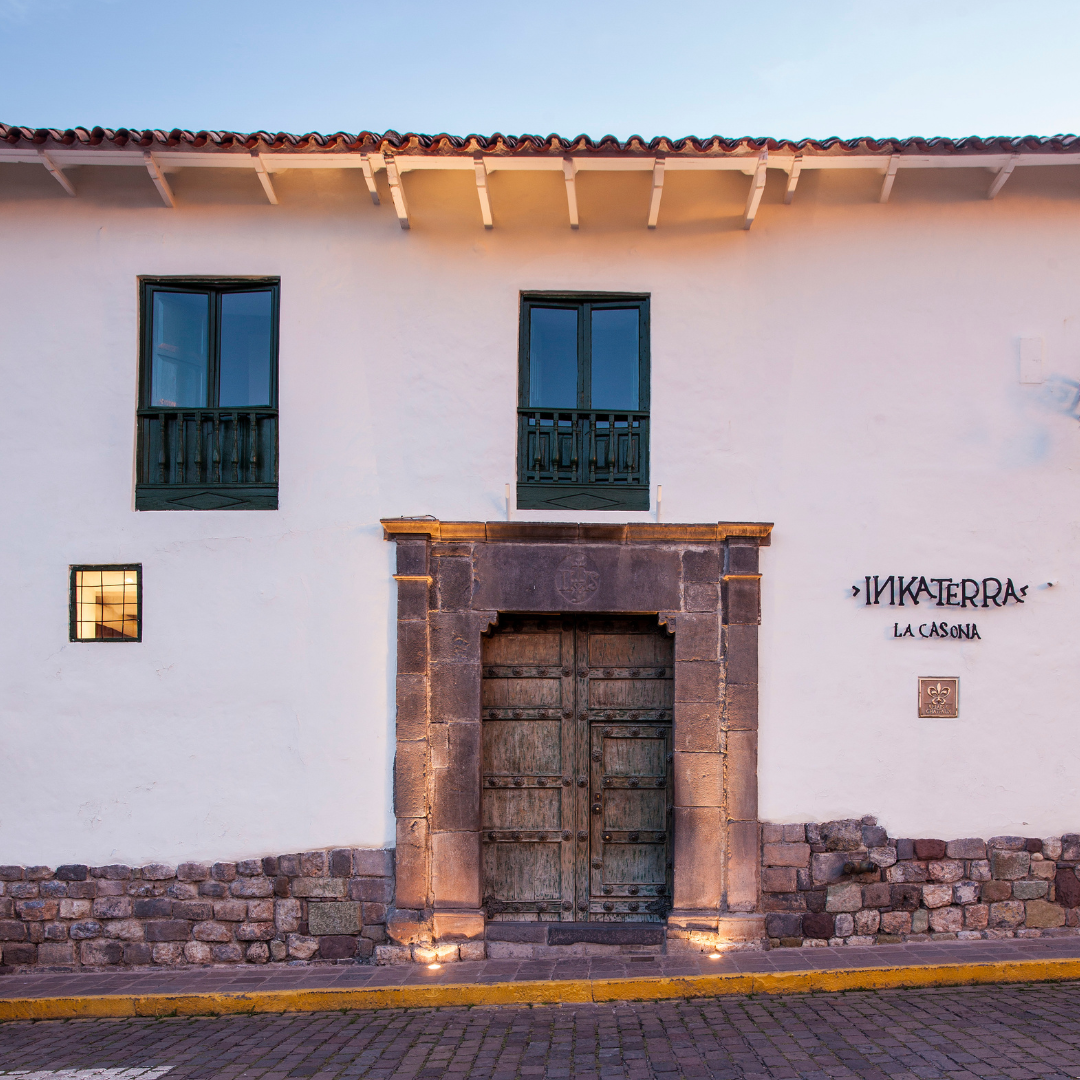
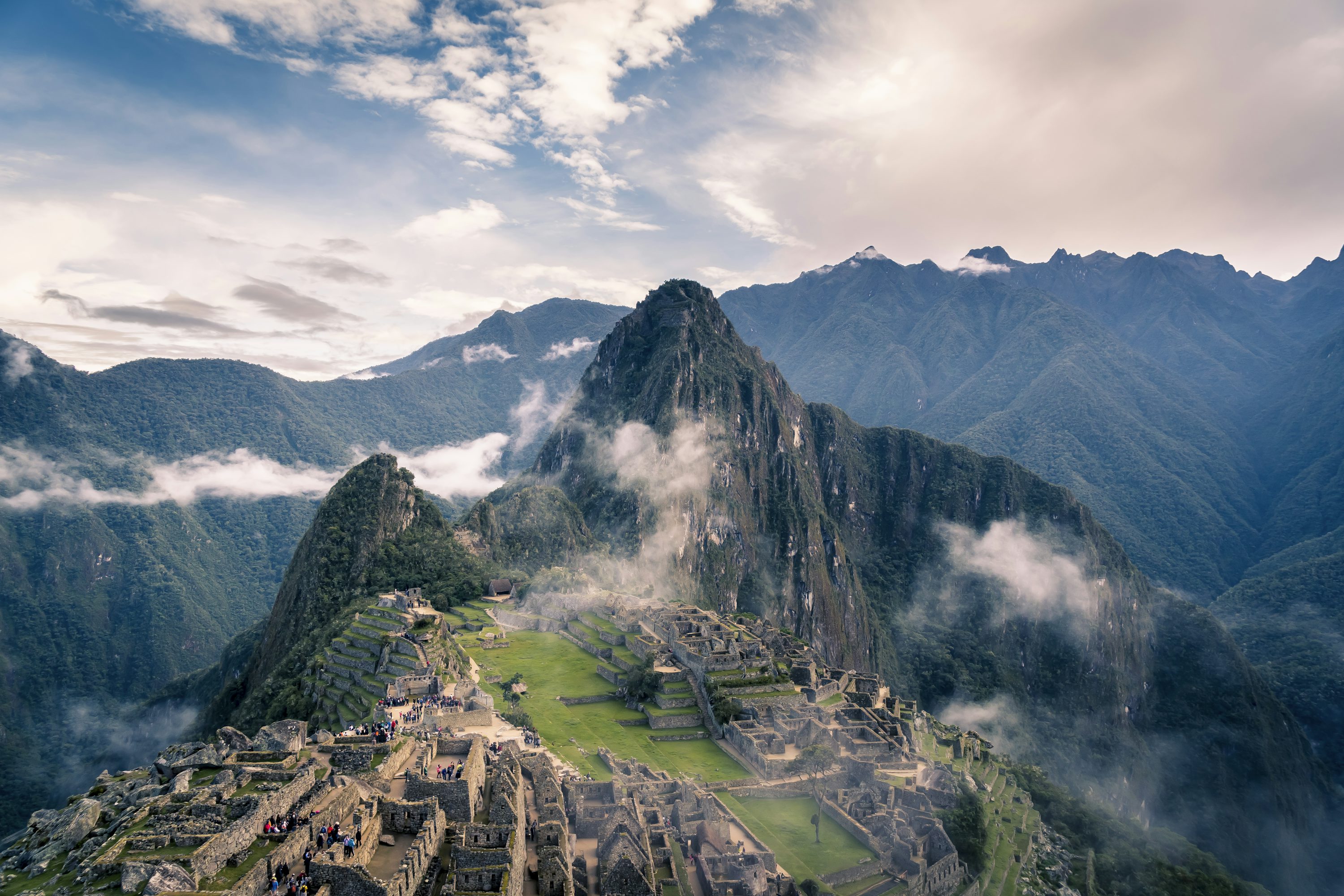
The Sacred Valley, 30 kilometres north of Cusco and 600 metres lower in altitude, offers a gentler acclimatisation base and some of the region's most extraordinary lodge experiences. Inkaterra's properties in the valley and at Aguas Calientes — the gateway town to Machu Picchu — bring an ecological philosophy to one of the world's most visited archaeological sites. The train journey from Cusco to Aguas Calientes, through the narrowing valley past Inca terraces and cloud forest, is itself one of the great rail experiences in South America.
Altitude is the defining logistical reality of any Cusco trip. Most visitors experience some degree of soroche (altitude sickness) in the first 24–48 hours. The best hotels provide coca tea, oxygen, and acclimatisation guidance as standard. Arriving a day early before any strenuous activity — and choosing a hotel with oxygen-enriched rooms if available — makes a material difference to the quality of the experience.
Belmond Monasterio's oxygen-enriched rooms are the most practical luxury amenity in Cusco — the rooms pump additional oxygen into the air overnight, significantly reducing altitude sickness symptoms. Request an oxygen-enriched room specifically when booking; not all rooms are equipped.
The Inca Trail permit quota (500 people per day, including guides and porters) sells out months in advance, particularly for the classic 4-day route. If the trail is fully booked, the Salkantay Trek and the Lares Trek are excellent alternatives that reach Machu Picchu from different directions.
Machu Picchu entry is now timed and ticketed — you must book a specific entry slot in advance at the official government portal (machupicchu.gob.pe). The site is divided into circuits; the upper circuit offers the most complete views. Sunrise slots (6am) are the most atmospheric and the most competitive.
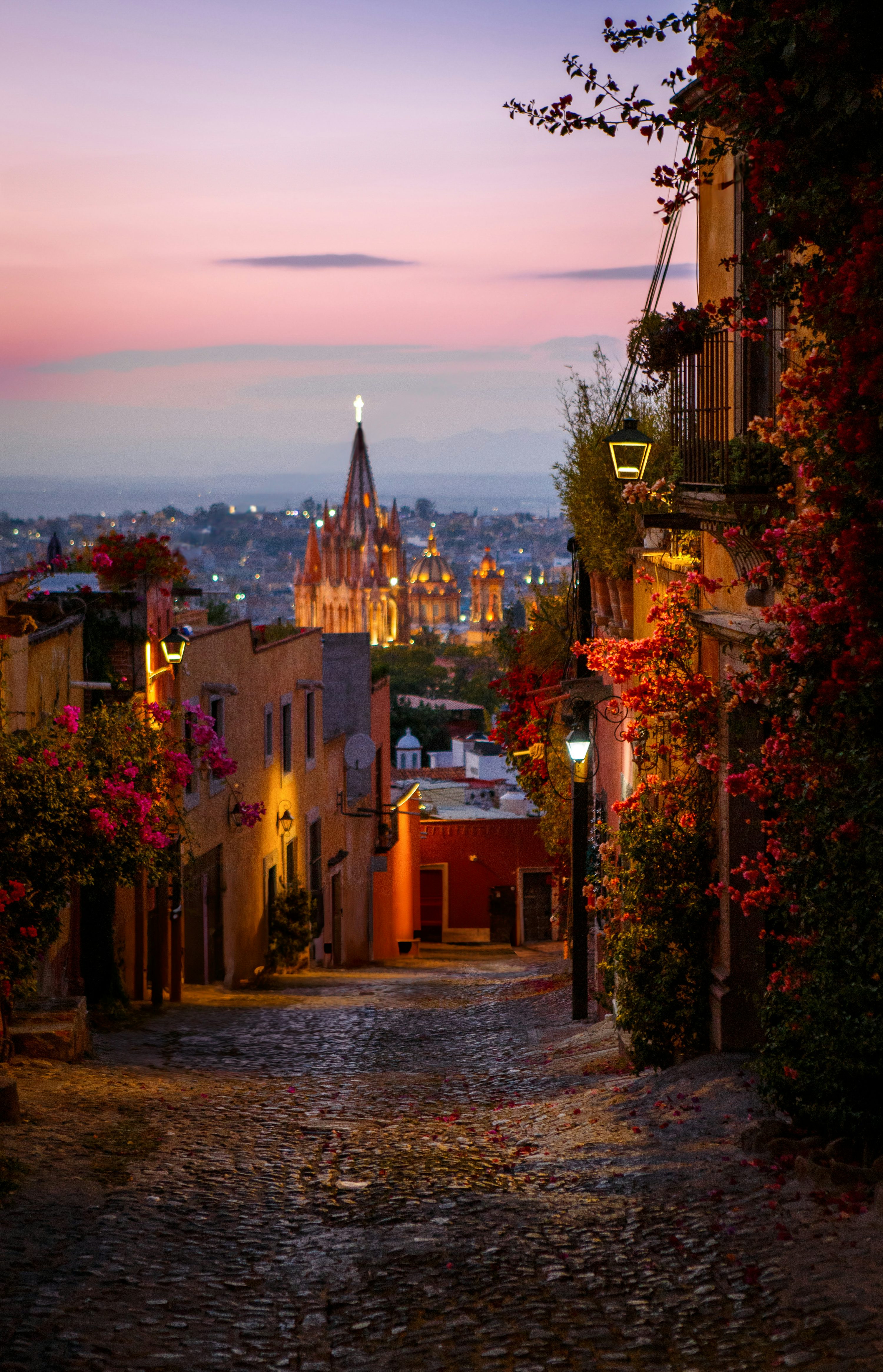
Cusco's Plaza de Armas is surrounded by colonial churches built on Inca foundations — the Cathedral sits on the palace of Inca Viracocha, and the Iglesia de La Compañía de Jesús was built over the palace of Inca Huayna Cápac. Walking the plaza at dusk, when the churches are lit and the altitude turns the sky a deep violet, is one of the great free experiences in South America.
May to October is Cusco's dry season — clear skies, cold nights, and the best conditions for trekking and Machu Picchu visits. June and July are peak months: the Inti Raymi festival (24 June) draws large crowds and fills hotels months in advance. November to April is the wet season; January and February bring heavy rain and the Inca Trail closes entirely in February for maintenance.
For the most historically significant and atmospheric hotel experience in Cusco — and in South America — Belmond Monasterio is the definitive choice. The 1595 Jesuit college, the gilded chapel, the cloistered courtyard, and the oxygen-enriched rooms make it irreplaceable. Book the suite overlooking the chapel courtyard.
For a more contemporary and intimate experience with a rooftop pool and quieter atmosphere, Belmond Palacio Nazarenas — a converted convent two blocks from the Plaza de Armas — is the best alternative. Smaller, more personal, and with the same Belmond service standard.
For travellers who want to base themselves in the Sacred Valley rather than Cusco city — lower altitude, more tranquil, closer to the Inca sites — the Inkaterra properties and boutique lodges in Urubamba offer an entirely different experience, surrounded by Inca terraces and cloud forest rather than colonial architecture.
For the closest possible base to Machu Picchu itself, Inkaterra Machu Picchu Pueblo Hotel in Aguas Calientes allows you to reach the site at opening time (6am) without a pre-dawn bus journey from Cusco — and its cloud forest setting, with 200 species of orchid on the grounds, is extraordinary in its own right.