Destinations · 9 min
Palaces & Atlantic charm
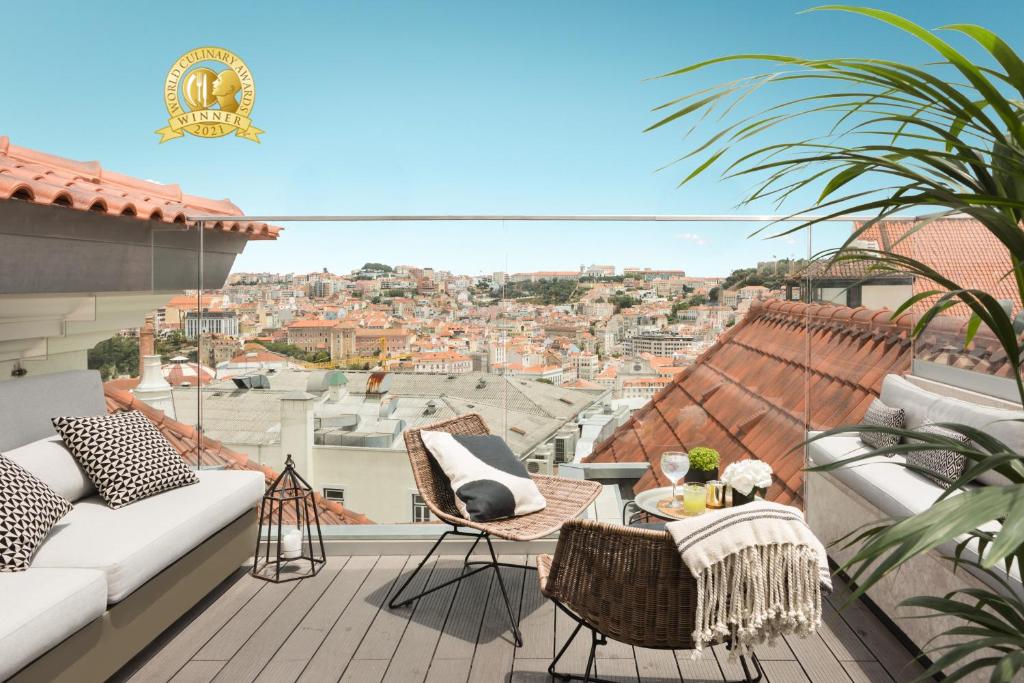
Lisbon's luxury renaissance has been quiet but decisive. The city that was overlooked by international hotel brands for decades has, in the last ten years, become one of Europe's most compelling hotel destinations — a combination of extraordinary architecture, a world-class food scene, and hotel rates that remain 30–50% below comparable cities in France, Italy, and Spain.
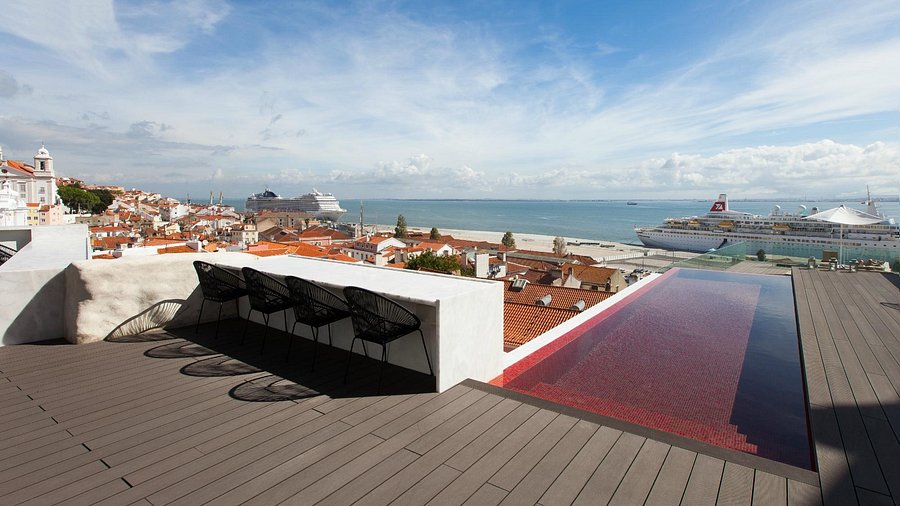
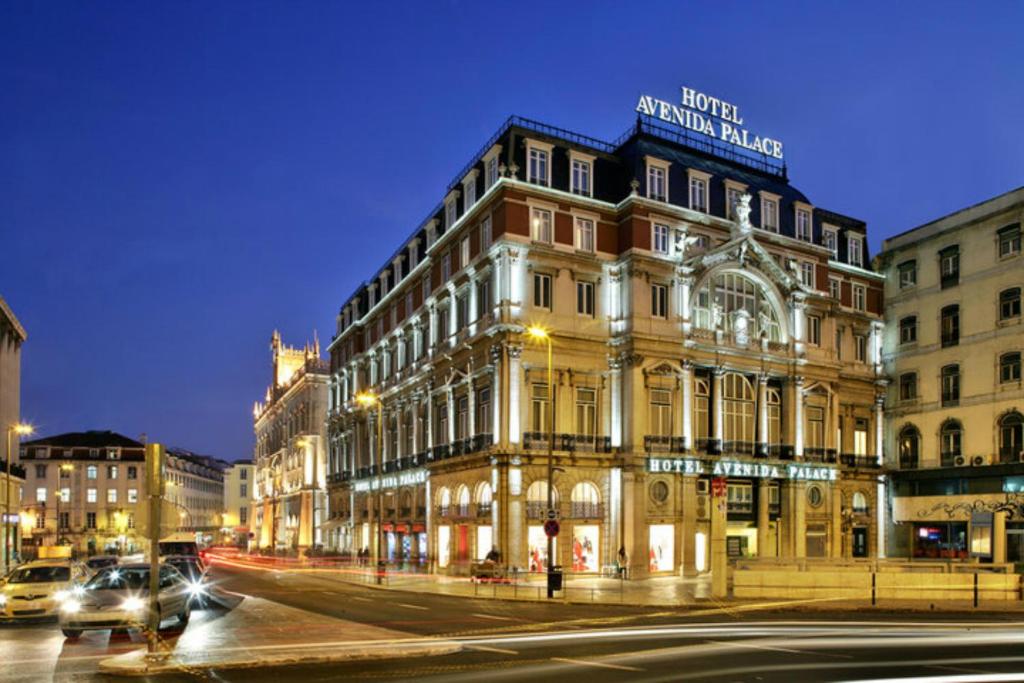
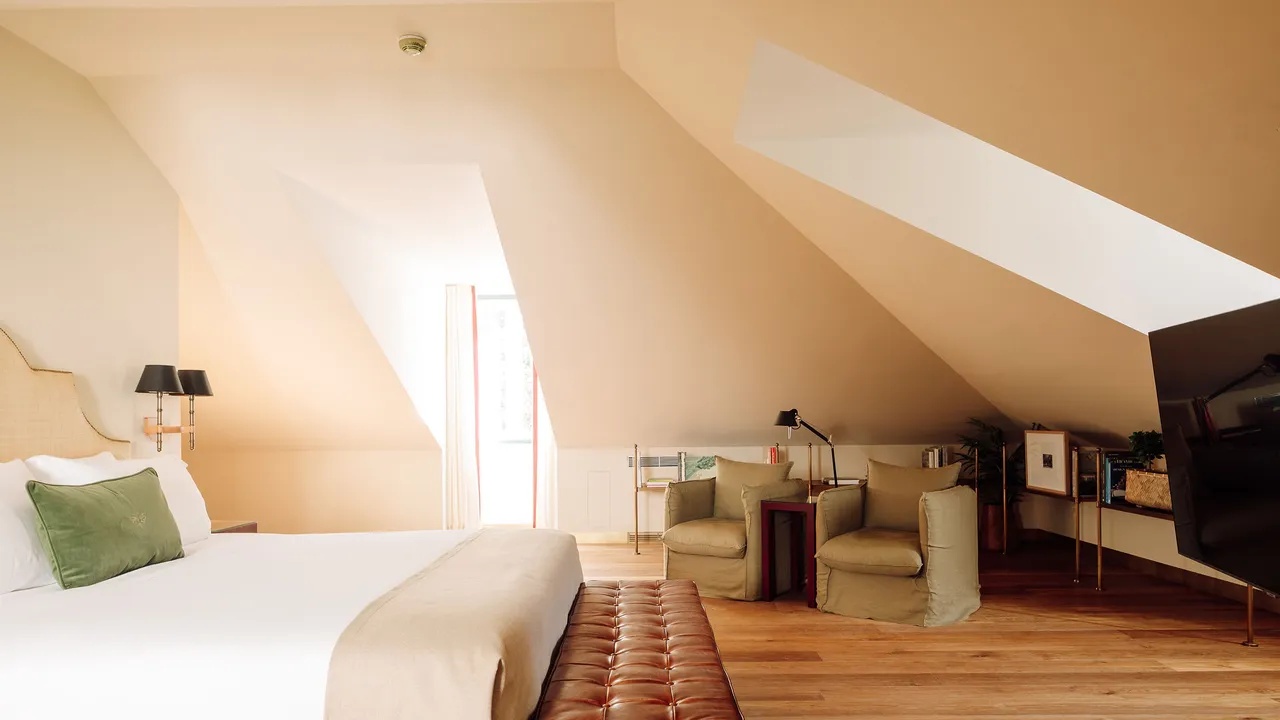
Four Seasons Hotel Ritz Lisbon remains the city's grande dame: a 1959 building on the Parque Eduardo VII with the most complete hotel offering in the city and the most celebrated restaurant (Varanda). The Bairro Alto Hotel, in the city's most bohemian neighbourhood, is the most design-forward boutique address. Santiago de Alfama, in the historic Moorish quarter, is the most intimate and characterful.
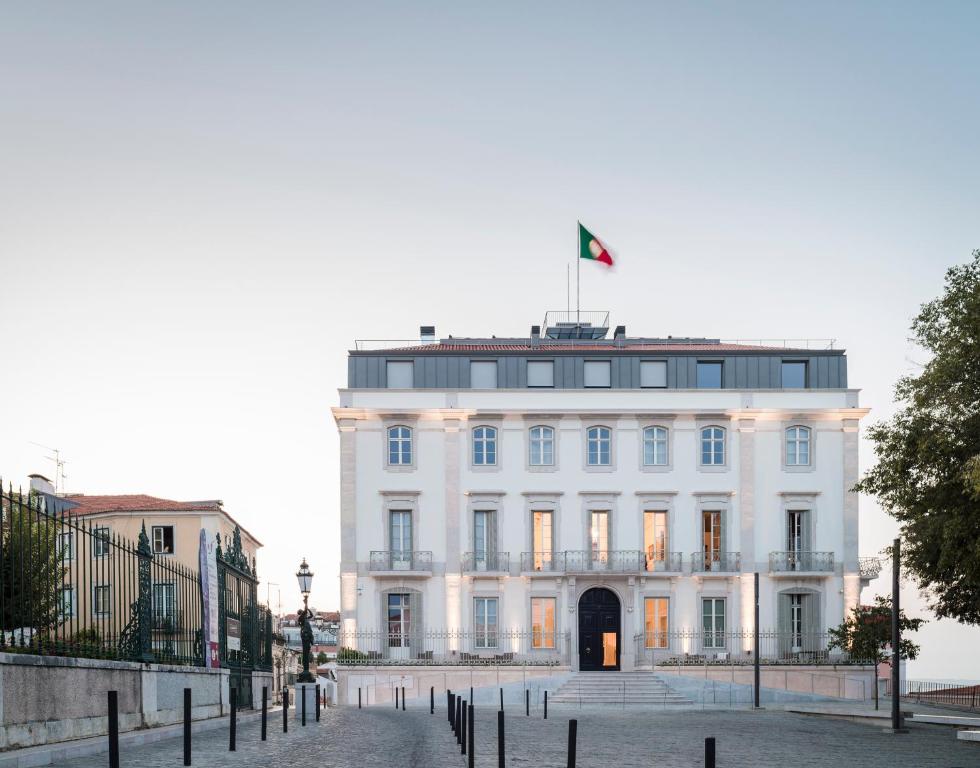
The palace hotels are Lisbon's most distinctive offering. The Lapa Palace, the Olissippo Lapa, and the Pestana Palace occupy former aristocratic residences with gardens that are extraordinary rarities in a European capital. The Tivoli Palácio de Seteais in Sintra — 30 minutes from Lisbon — is the most beautiful palace hotel in Portugal.
Lisbon's food scene has become one of the most exciting in Europe. The city has produced a generation of chefs — José Avillez, Henrique Sá Pessoa, Alexandre Silva — who have brought international attention to Portuguese cuisine. The city's tascas (traditional taverns) and the broader pastel de nata culture are equally compelling.
Lisbon's tram 28 is the city's most famous tourist attraction and its most congested. For the same views with fewer crowds, walk the Alfama district on foot — the streets are too narrow for the tram anyway.
Sintra — 30 minutes from Lisbon by train — is the most extraordinary day trip in Portugal: UNESCO World Heritage palaces, the Pena Palace, and the Quinta da Regaleira. Stay at the Tivoli Palácio de Seteais for the full experience.
Lisbon's hotel rates are among the best value in Western Europe. The Four Seasons Ritz, the Bairro Alto Hotel, and the Lapa Palace all cost 30–50% less than comparable hotels in Paris, London, or Rome.
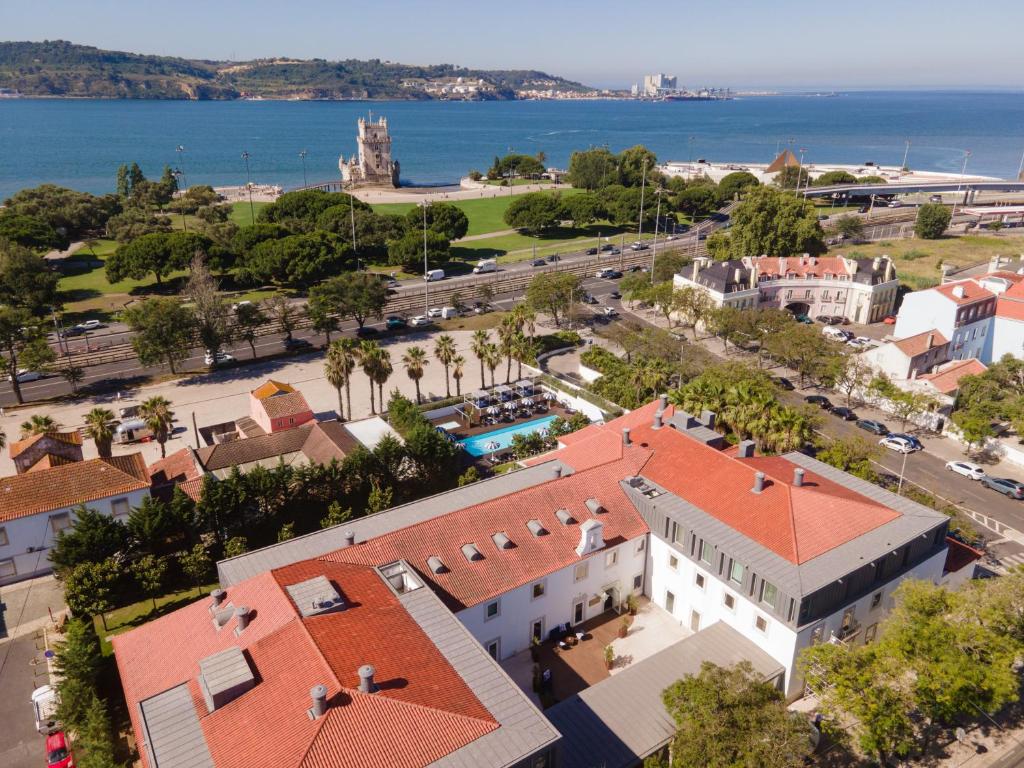
The best pasteis de nata in Lisbon are at Pastéis de Belém, a 15-minute tram ride from the city centre. The queue is long; the pasteis are worth it. Arrive before 9am to avoid the worst of the wait.
April–June and September–October are Lisbon's best months: warm, sunny, and manageable crowds. July–August is very hot and crowded. November–February is quiet, mild (15–18°C), and the best time for hotel value — the city's cultural institutions are fully open and the tourist crowds are at their thinnest.
For the most complete luxury experience in Lisbon with the best restaurant, Four Seasons Hotel Ritz Lisbon on the Parque Eduardo VII is the definitive choice — the city's grande dame since 1959.
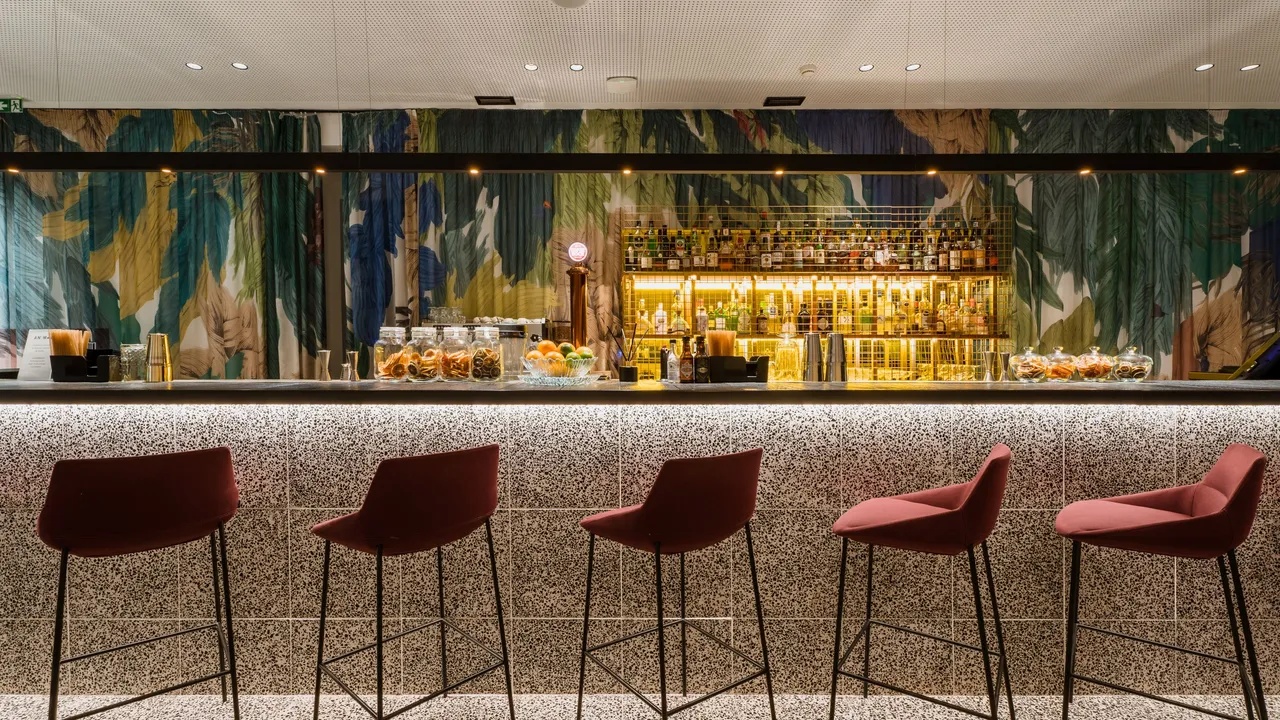
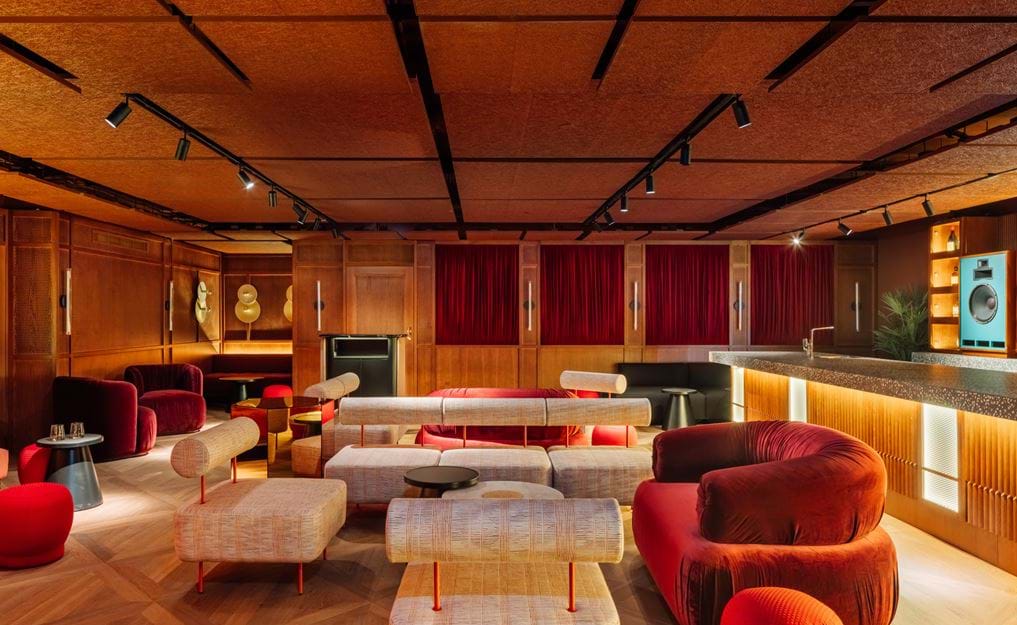
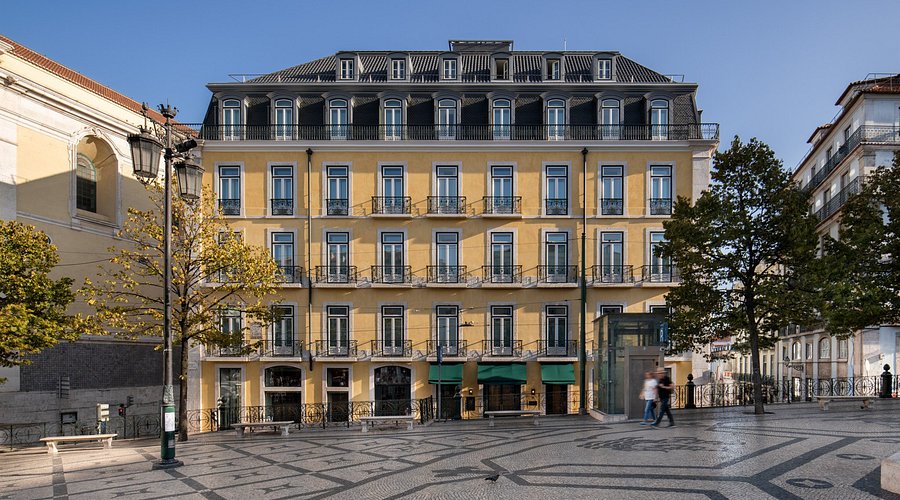
For the most design-forward and neighbourhood-immersive experience, Bairro Alto Hotel in the bohemian Bairro Alto neighbourhood is the most distinctive boutique address in the city.
For the most intimate and historically characterful experience in the Alfama, Santiago de Alfama is the most personal hotel in Lisbon — 19 rooms in a converted 16th-century palace in the Moorish quarter.
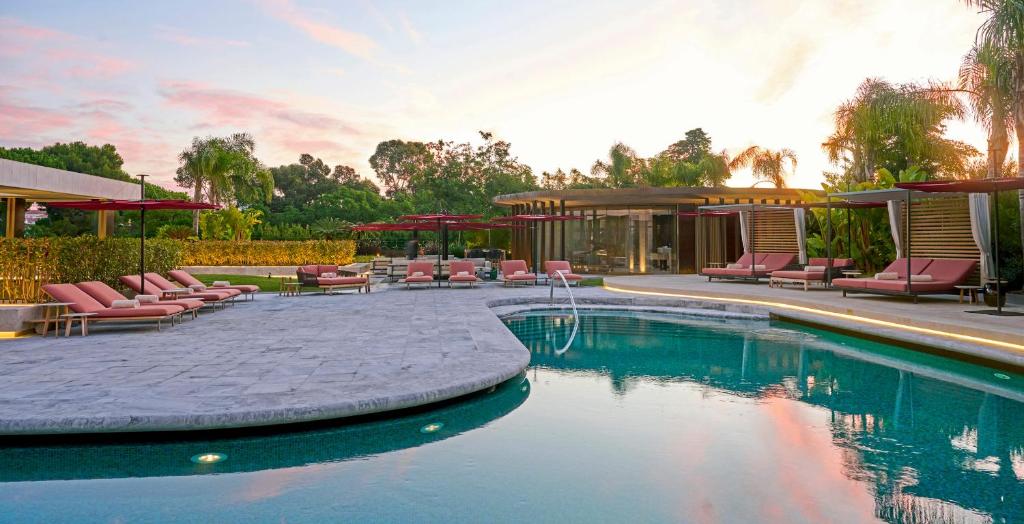
For the palace hotel experience with extraordinary gardens, the Lapa Palace in the Lapa neighbourhood is the most romantic address in Lisbon — a 19th-century palace with a garden pool that is unique in the city.