Destinations · 9 min
Riads & medina magic
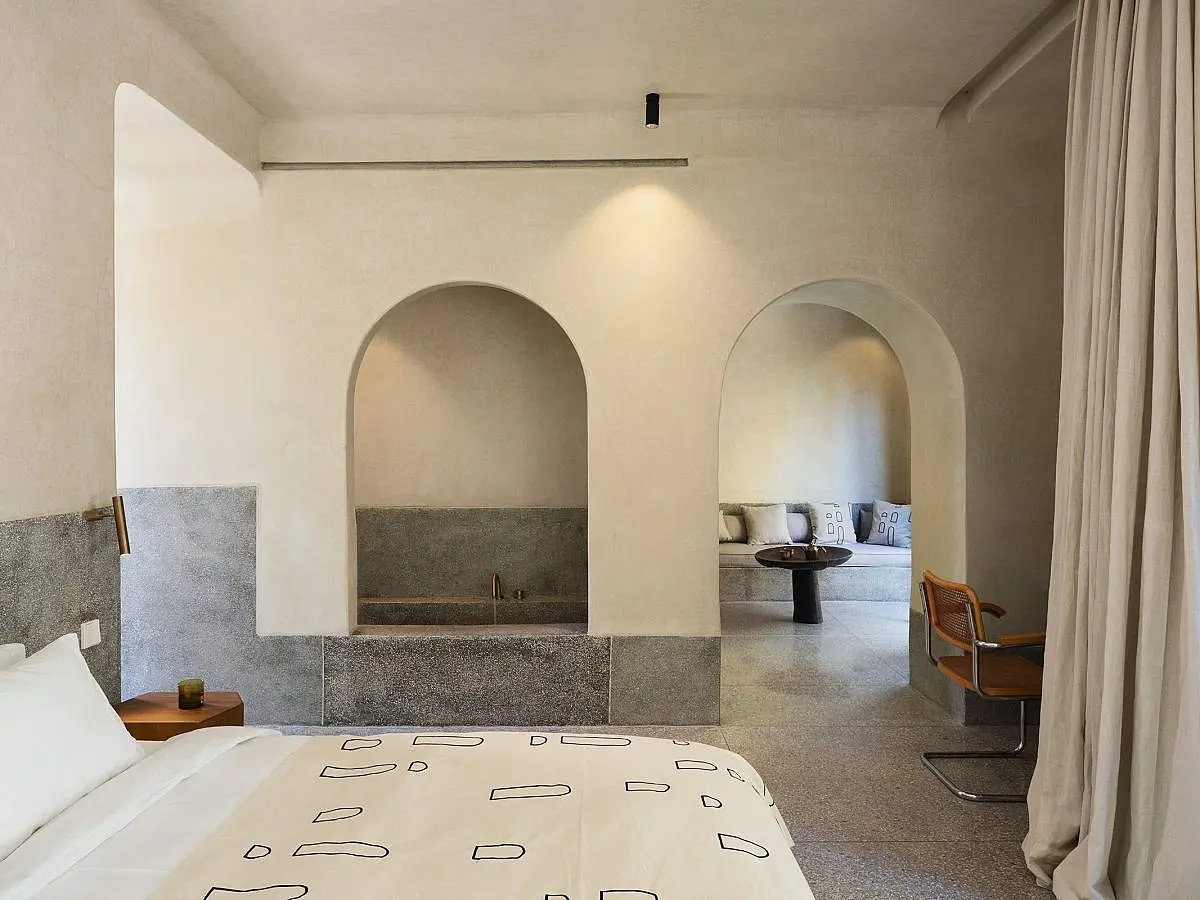
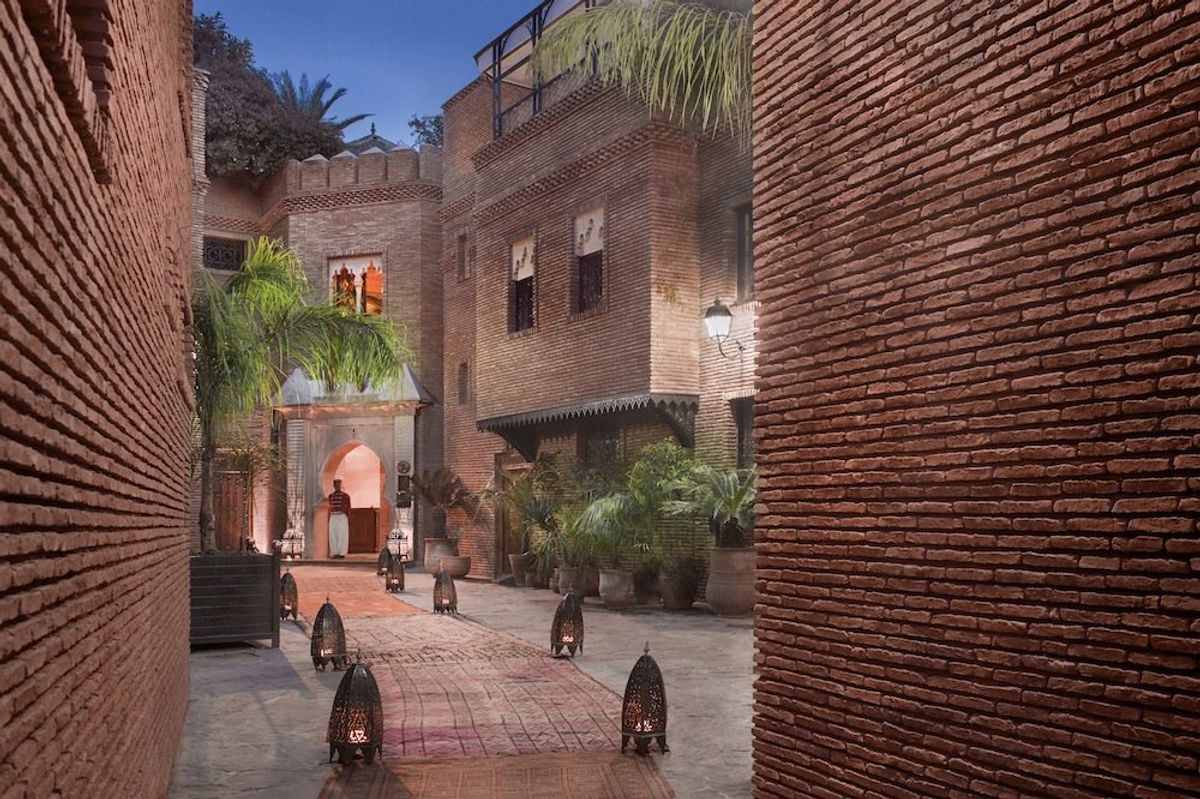
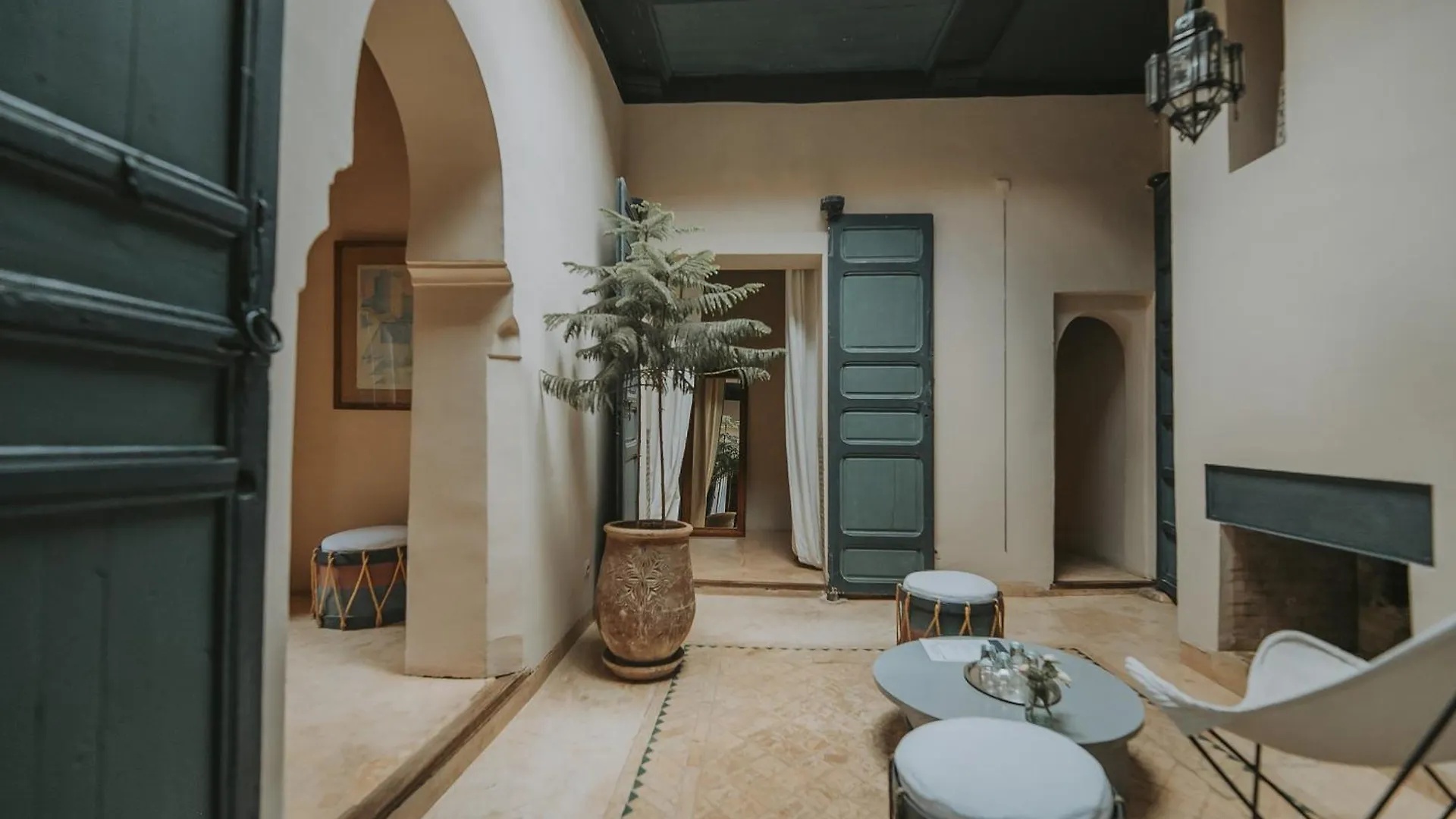
Marrakech is the world's capital of the riad — a traditional courtyard house converted into an intimate hotel with rooftop terrace, tiled fountain, and a staff of six attending to as few as four rooms. The riad is not a boutique hotel in the Western sense; it is a form of hospitality that has existed in Morocco for centuries, and the best examples — Riad Kniza, La Maison Arabe, Riad Farnatchi — offer a level of personal attention that no international hotel brand can replicate.
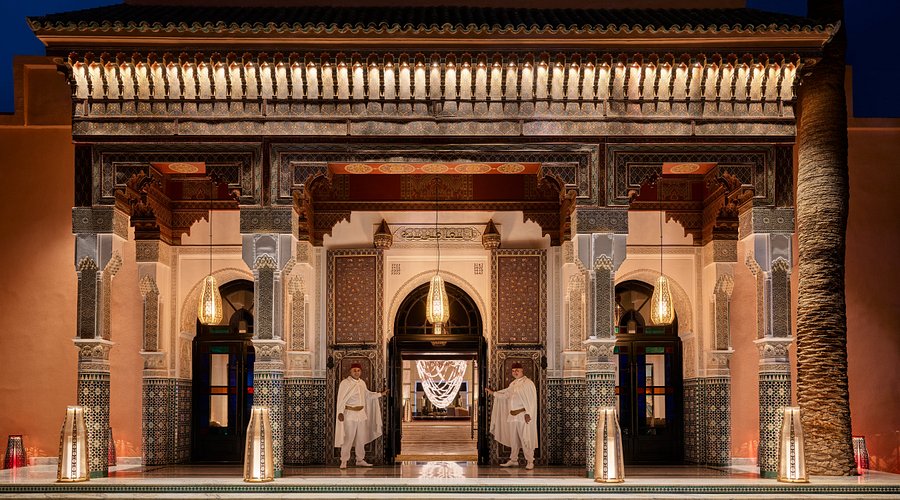
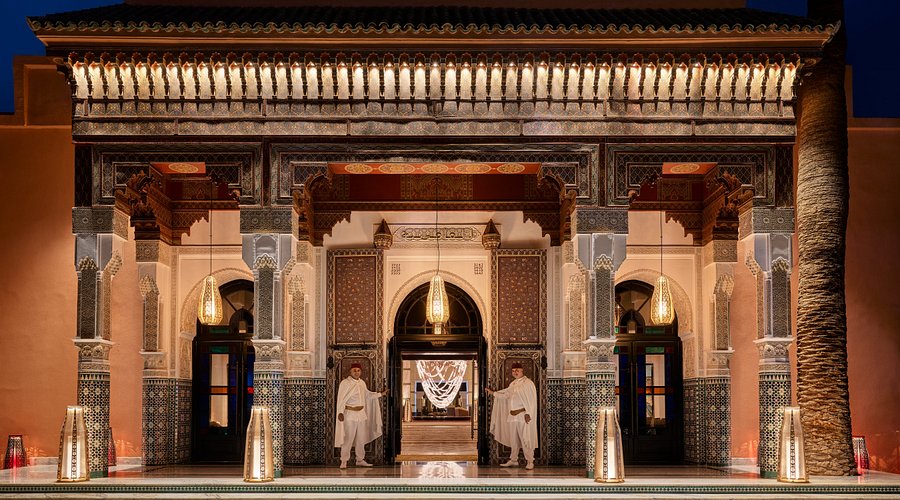
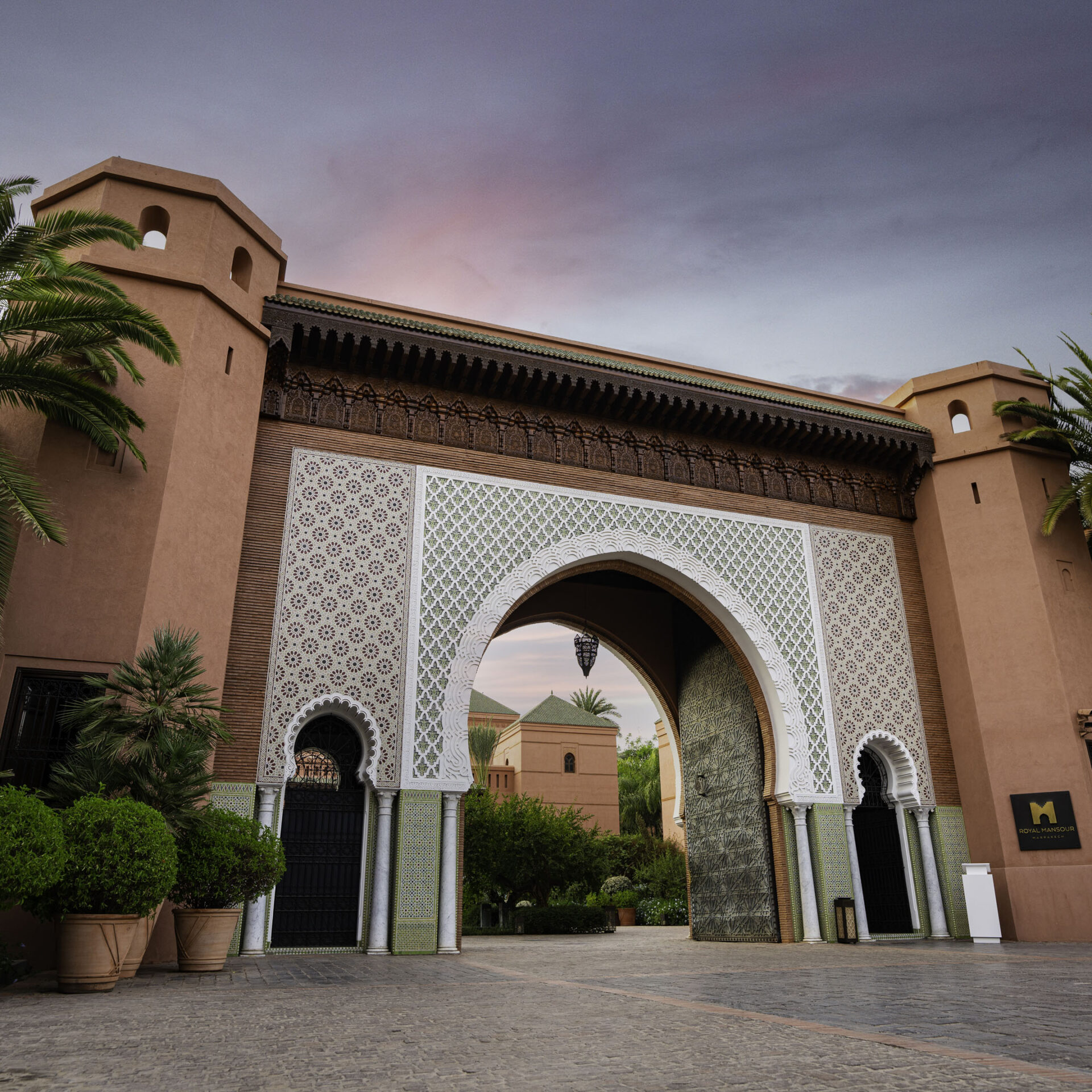
The grand hotel tier is anchored by two institutions. La Mamounia, opened in 1923 in the former royal gardens, is the most historically significant hotel in Africa — Churchill painted here, Hitchcock filmed here, and the garden remains the most beautiful in Marrakech. Royal Mansour, built by King Mohammed VI and opened in 2010, is the most ambitious hotel in Morocco: 53 private riads, each with its own rooftop terrace and plunge pool, connected by underground passages. It is the most extraordinary hotel in Africa.
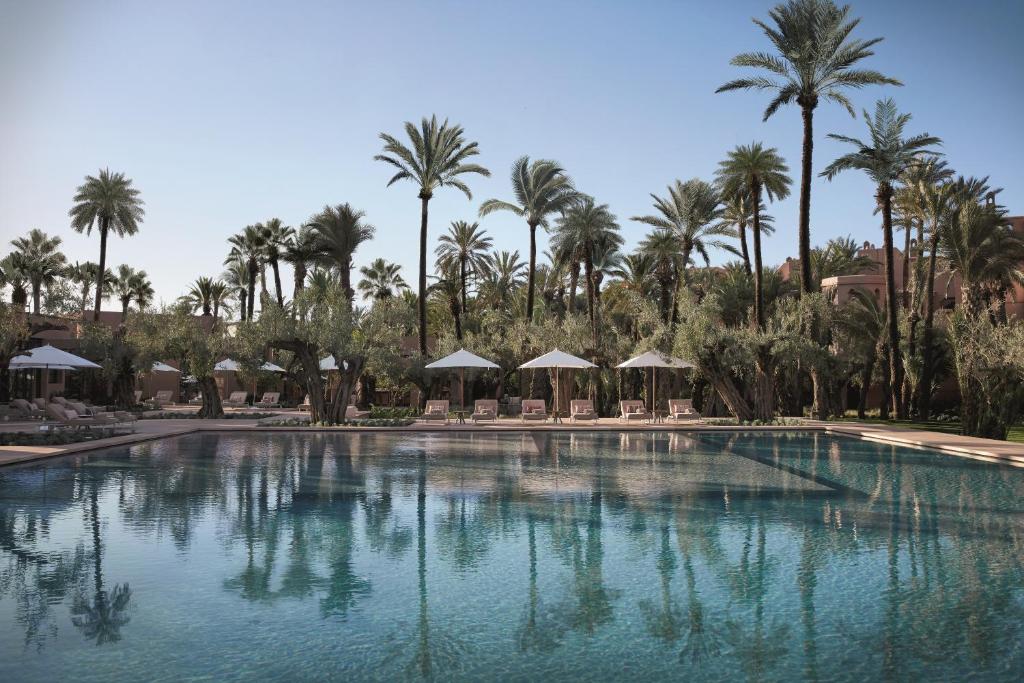
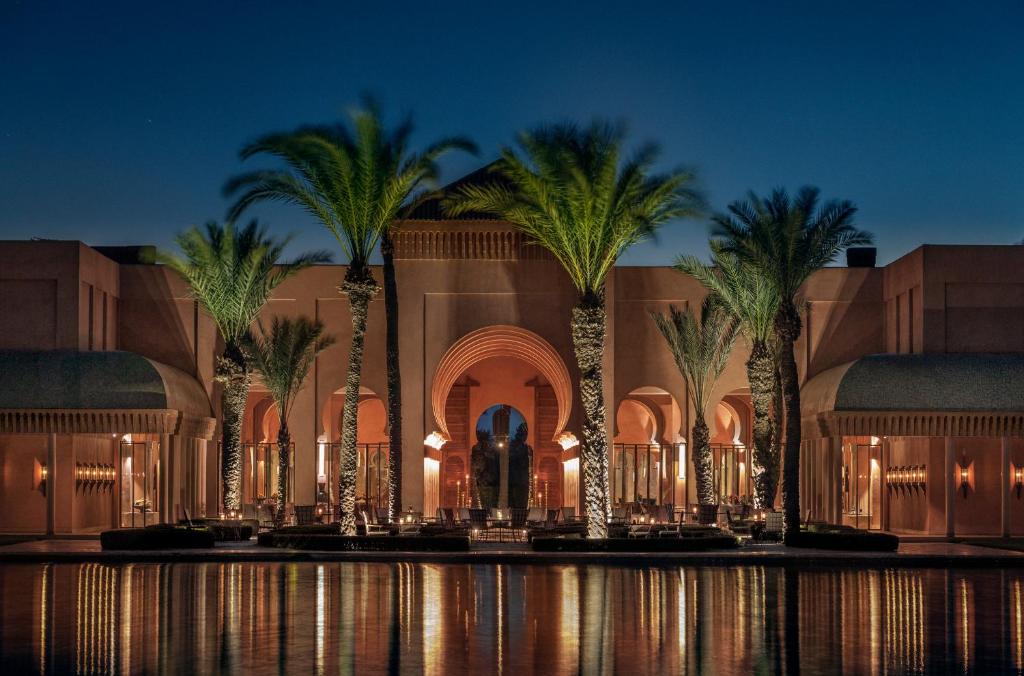
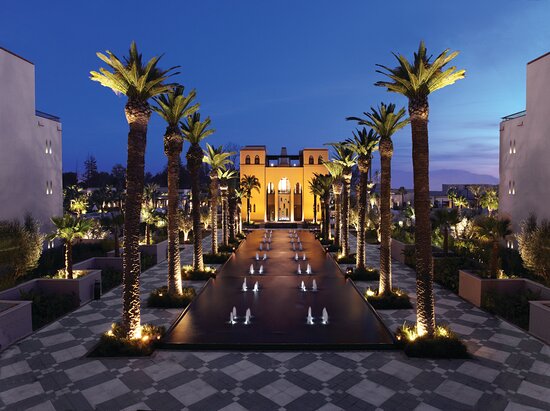
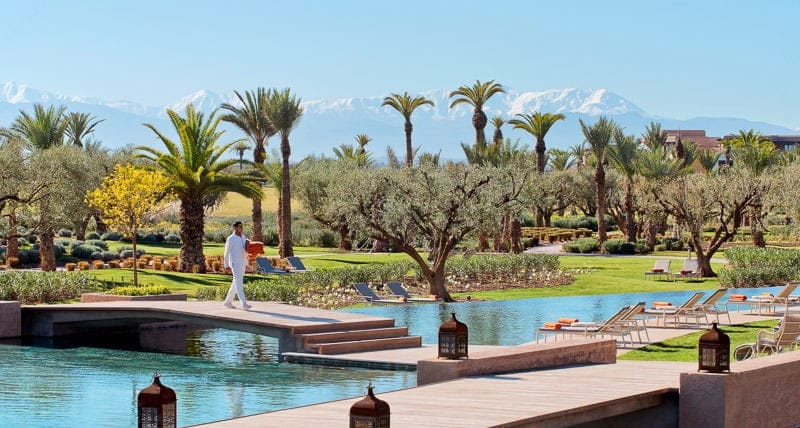
The Palmeraie — the palm grove north of the medina — is where the city's resort hotels are concentrated: Four Seasons Marrakech, Mandarin Oriental Marrakech, and Amanjena (the first Aman in Africa). These are hotels for guests who want a pool and a spa rather than the medina's sensory intensity; they are a 15-minute drive from the Djemaa el-Fna.
The medina is the city's soul. The Djemaa el-Fna — the main square — is the most extraordinary public space in Africa: snake charmers, storytellers, food stalls, and the call to prayer from the Koutoubia Mosque. The best riads are within a 10-minute walk of the square; the worst are in the medina's outer rings, a 20-minute walk from everything.
Royal Mansour's underground passage system — connecting all 53 private riads without exposing guests to the heat or the public areas — is one of the most extraordinary pieces of hotel engineering in the world. Ask for a tour.
La Mamounia's garden is open to non-guests for afternoon tea. It is the most beautiful hotel garden in Africa and worth the visit even without a room reservation.
Marrakech's souks are best explored with a guide from the hotel. The medina's is deliberately confusing — a survival mechanism from centuries of invasion — and navigating it alone on a first visit is genuinely difficult.
The Djemaa el-Fna is best experienced at dusk, when the food stalls set up and the square transforms from a daytime market into an evening theatre. Arrive at 6pm and stay until 9pm.
March–April and October–November are Marrakech's best months: warm (20–28°C), sunny, and the most pleasant for exploring the medina. June–August is extremely hot (35–45°C) and best avoided for outdoor exploration. December–February is cool and quiet — the best time for hotel value.
For the most extraordinary hotel in Africa, Royal Mansour is the definitive choice — 53 private riads, underground passages, and a level of personal service that no other hotel in Morocco can match.
For the most historically significant and atmospheric hotel in Marrakech, La Mamounia in the former royal gardens is the city's defining address — the garden, the Churchill Suite, and the history are irreplaceable.
For the most authentic riad experience in the medina, Riad Kniza or Riad Farnatchi are the best small riads in the city — personal, intimate, and within walking distance of the Djemaa el-Fna.
For a resort-style experience with a pool and spa away from the medina's intensity, Four Seasons Marrakech or Mandarin Oriental Marrakech in the Palmeraie offer the most complete luxury resort experience in Morocco.