Destinations · 12 min
Highland estates & whisky country
Scotland's great hotels are not hotels in the conventional sense — they are estates, castles, and shooting lodges that have been converted into places of extraordinary hospitality. Gleneagles in Perthshire is the most celebrated: a 1924 Edwardian palace hotel with three championship golf courses, a spa, and an equestrian centre set in 850 acres of Highland moorland. It is the most complete country-house hotel in Britain.
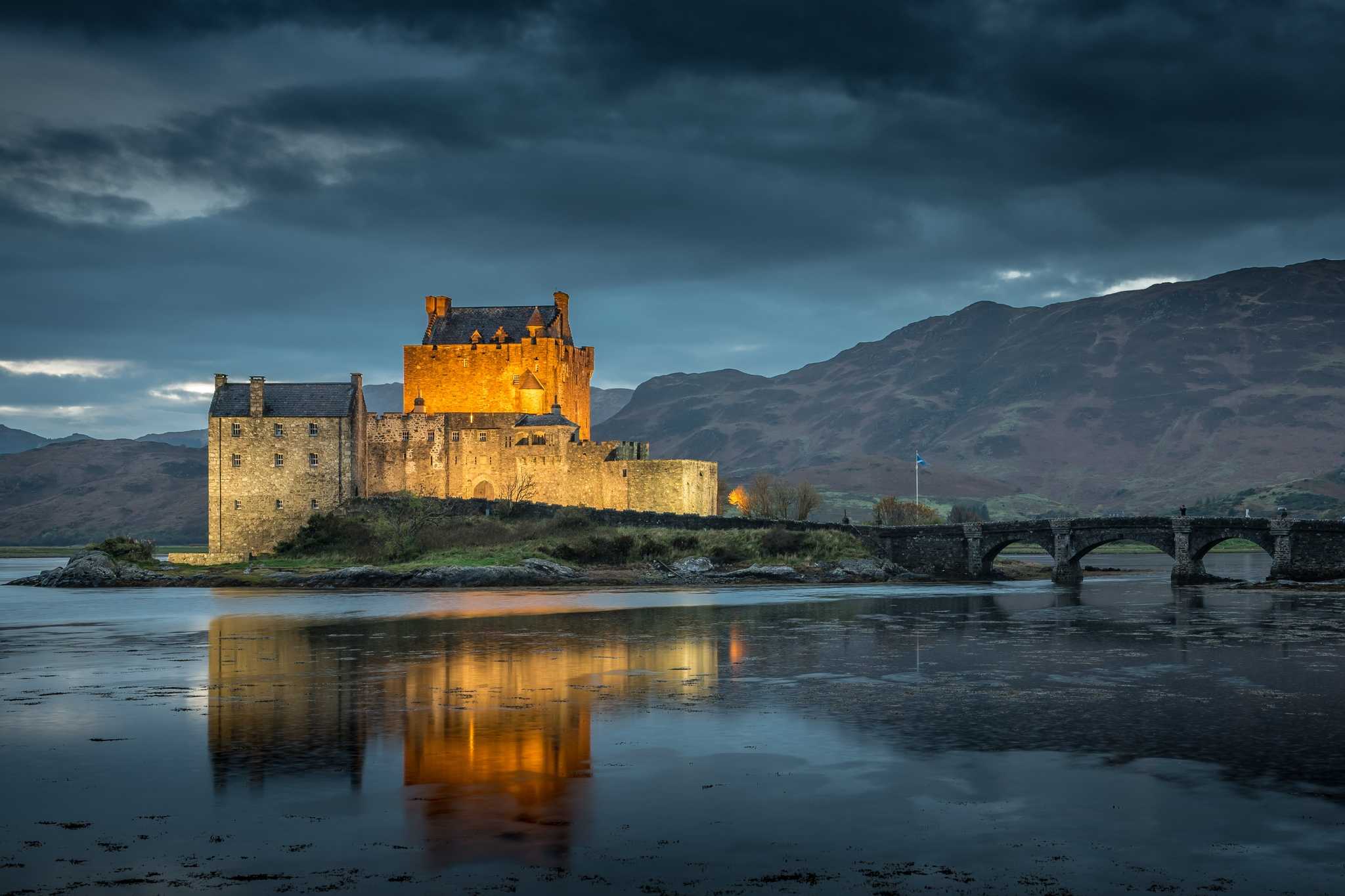
The Highland estates — Inverlochy Castle at the foot of Ben Nevis, Aldourie Castle on the banks of Loch Ness, Cromlix in Perthshire (owned by Andy Murray) — offer a form of hospitality that is uniquely Scottish: the entire estate hired for a single party, a private ghillie for salmon fishing, a stalker for red deer. These are not hotels for the public; they are private houses that happen to accept guests.
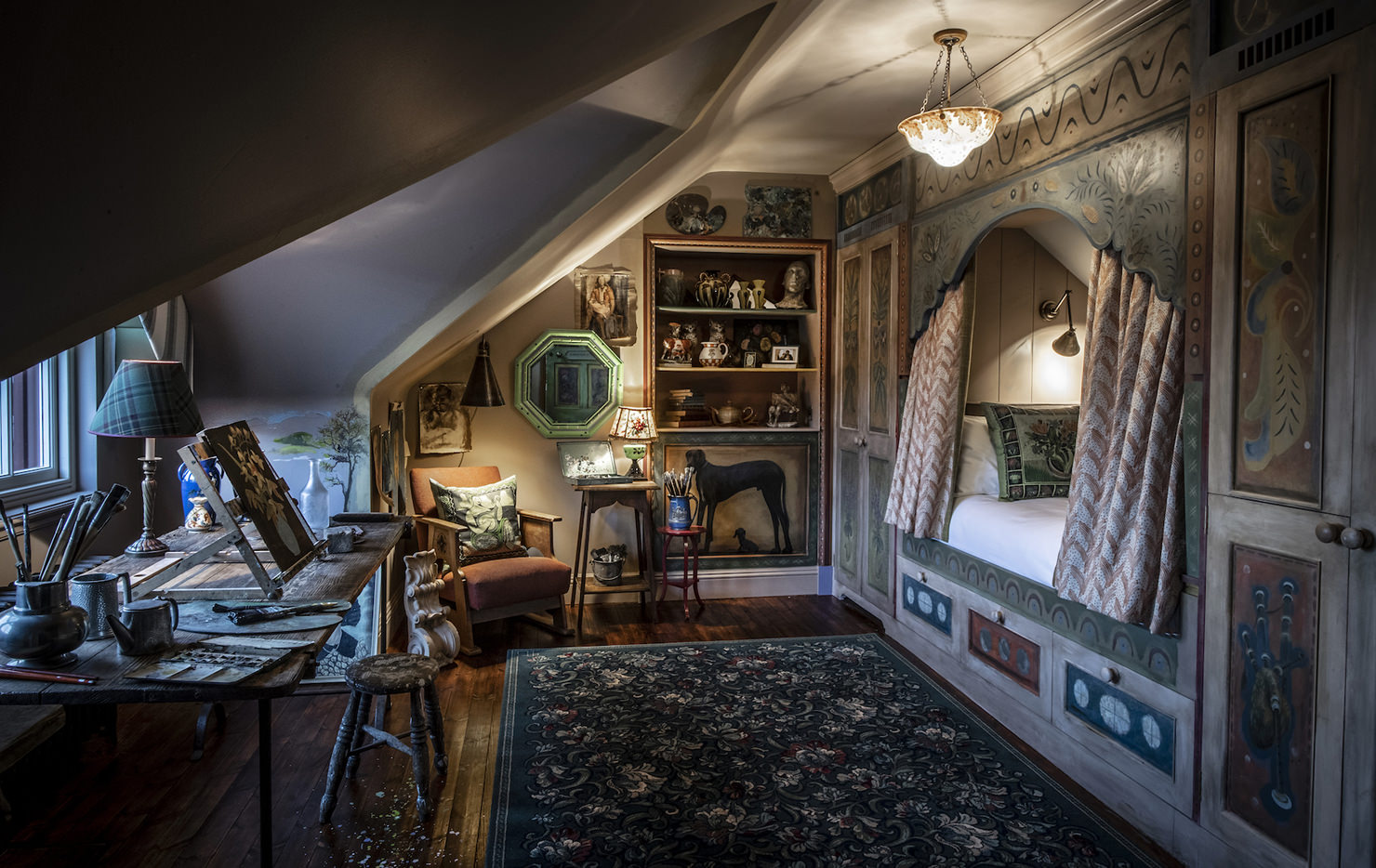
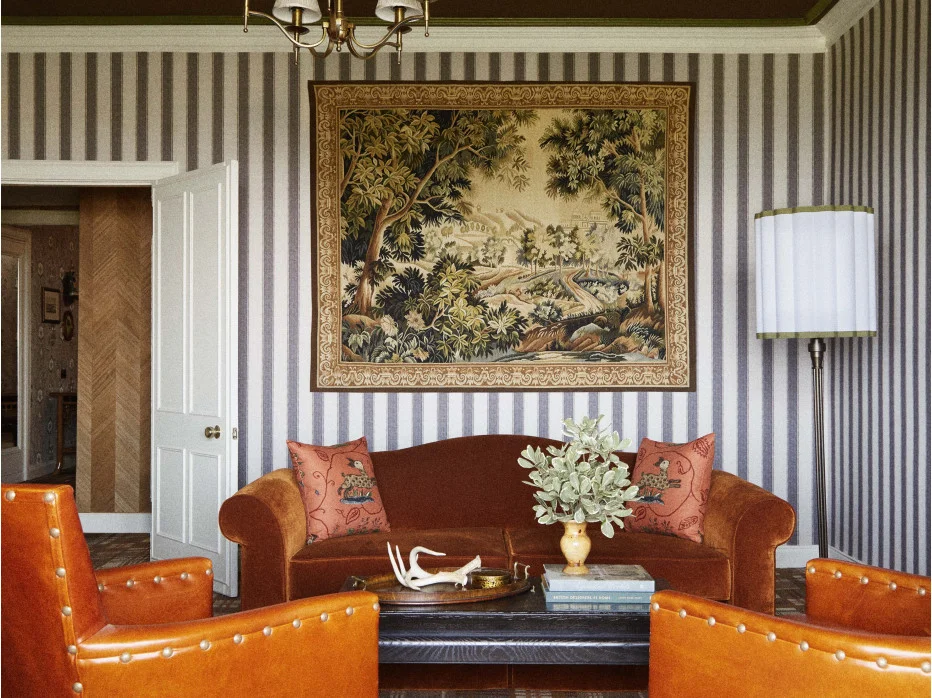
The Fife Arms in Braemar, restored by the art dealers Hauser & Wirth, is the most culturally ambitious hotel in Scotland — a Victorian coaching inn transformed into a gallery of 16,000 works of art, including pieces by Picasso, Freud, and Queen Victoria. It is the most extraordinary hotel in the Cairngorms National Park and one of the most remarkable hotel transformations in Britain.
Edinburgh's grand hotels — The Balmoral on Princes Street, The Gleneagles Townhouse in the New Town, The Caledonian — are the urban counterpoint to the Highland estates. The Balmoral's clock tower is deliberately set two minutes fast to ensure guests don't miss their trains from Waverley Station below — a piece of hotel mythology that is entirely true.
Scotland's weather is genuinely unpredictable at any time of year. Pack waterproofs regardless of the season — the most experienced Highland travellers dress in layers and treat rain as a feature, not a problem.
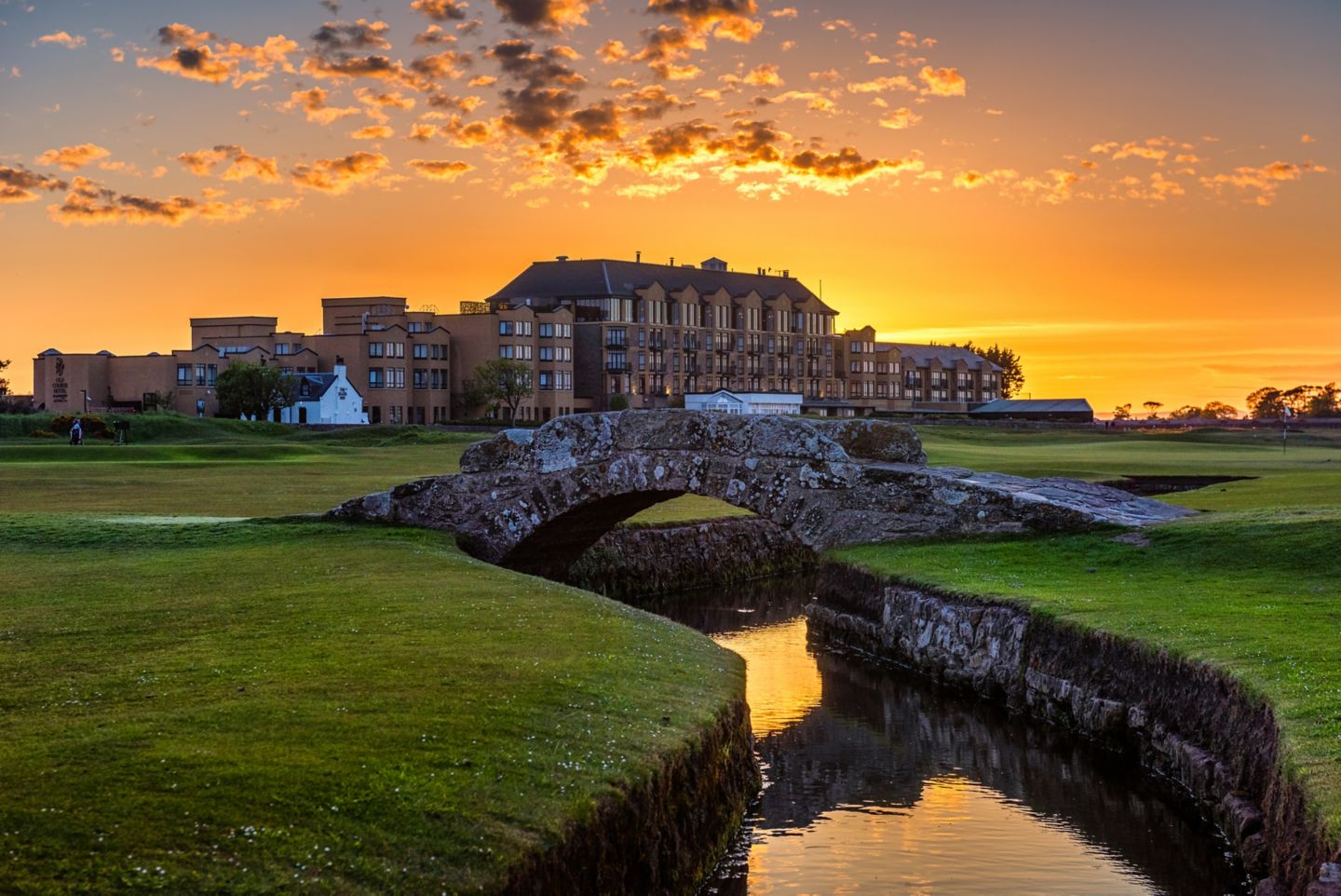
Gleneagles' golf courses require advance booking — the King's Course in particular books out months ahead in summer. If golf is the primary purpose of the visit, book the tee time before the room.
The Speyside whisky distilleries — Glenfiddich, Macallan, Balvenie — are concentrated in a 30-mile corridor between Dufftown and Grantown-on-Spey. A dedicated whisky tour requires at least two days; the Craigellachie Hotel in Speyside is the best base.
The Edinburgh Festival (August) is the world's largest arts festival — and the most expensive month to visit the city. Hotel rates triple; book 6–12 months in advance or avoid entirely and visit in April–June or September–October.
May–September is Scotland's best period: long days (up to 18 hours of daylight in June), the Highland landscape at its most dramatic, and the full range of outdoor activities available. August is peak season in Edinburgh (Festival); the Highlands are quieter. October–April is cold, dark, and best suited to whisky tours and castle stays rather than outdoor exploration.
For the most complete country-house hotel experience in Britain, Gleneagles in Perthshire — 850 acres, three championship golf courses, a spa, and an equestrian centre — is the definitive choice.
For the most culturally ambitious hotel in Scotland, The Fife Arms in Braemar — a Victorian coaching inn transformed into a gallery of 16,000 works of art by Hauser & Wirth — is the most extraordinary hotel in the Cairngorms.
For the most private and exclusive Highland estate experience, Inverlochy Castle at the foot of Ben Nevis or Aldourie Castle on Loch Ness offer the full Scottish estate experience with exclusive-use options.
For the best Edinburgh base, The Balmoral on Princes Street is the city's most celebrated hotel — the clock tower, the Michelin-starred Number One restaurant, and the most central location in the city.