Siem Reap
Gateway to Angkor Wat
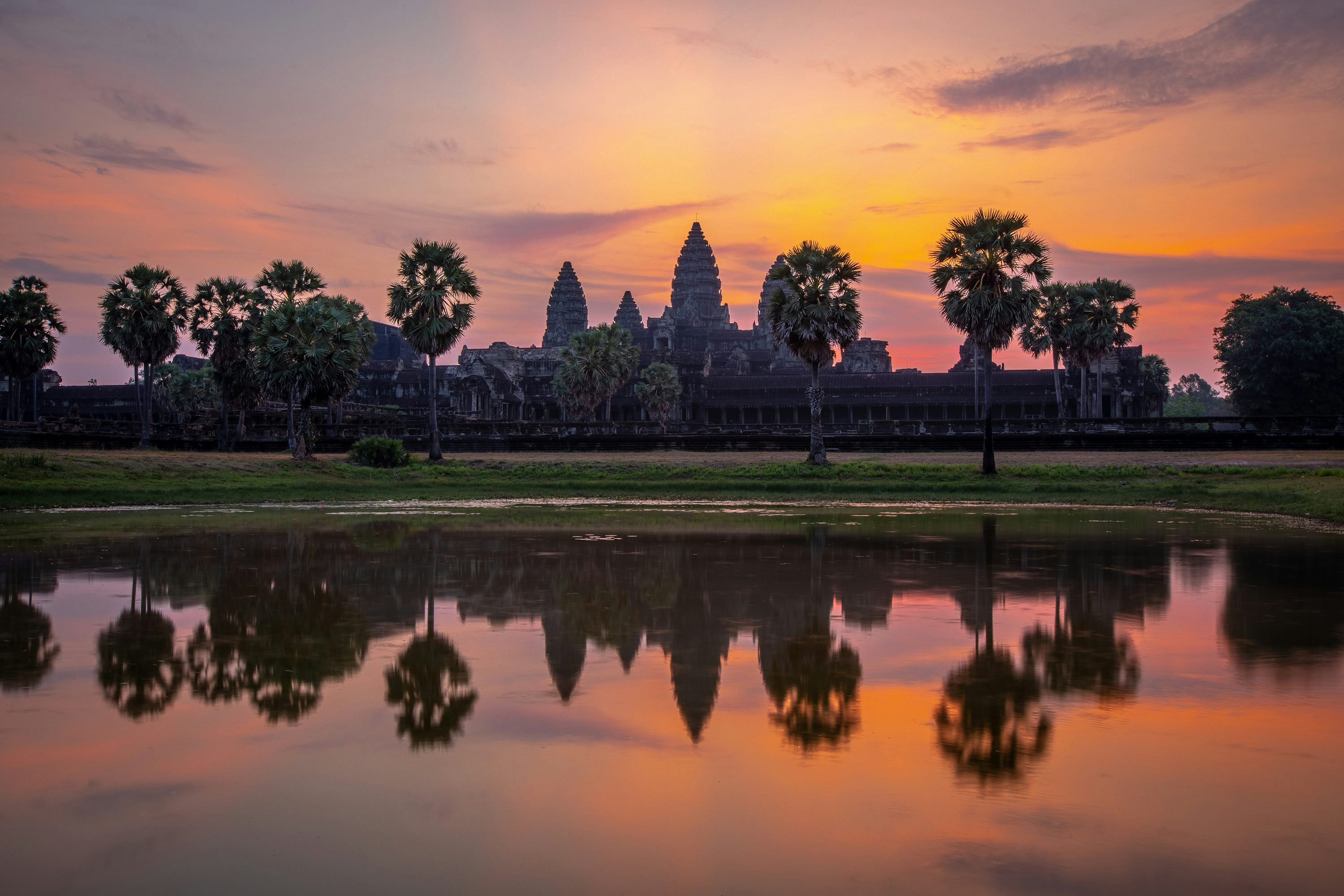
Siem Reap is the gateway to the Angkor Archaeological Park — the largest religious monument complex in the world, covering 400 square kilometres of temples, reservoirs, and causeways built between the 9th and 15th centuries by the Khmer Empire. Angkor Wat itself, the largest single religious monument ever constructed, is the centrepiece: a 12th-century temple-mountain surrounded by a moat 190 metres wide, with five towers that rise to 65 metres and a bas-relief programme that runs for 800 metres around the outer gallery. No photograph prepares you for the scale.
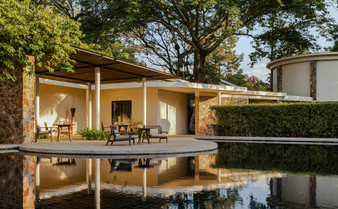
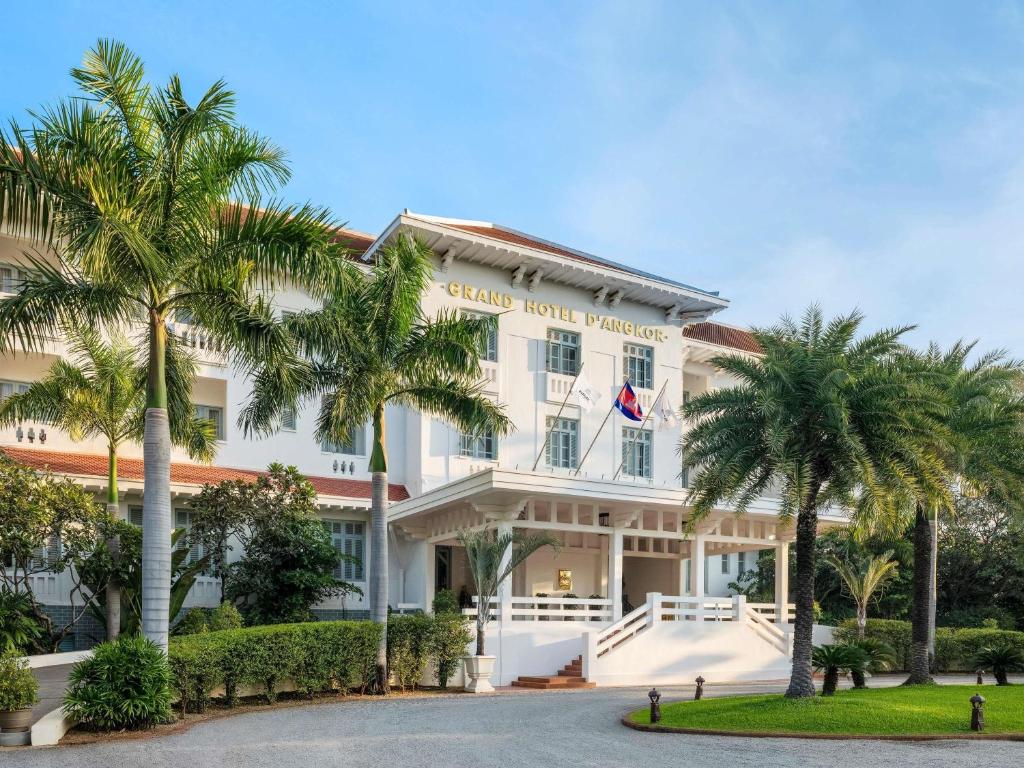
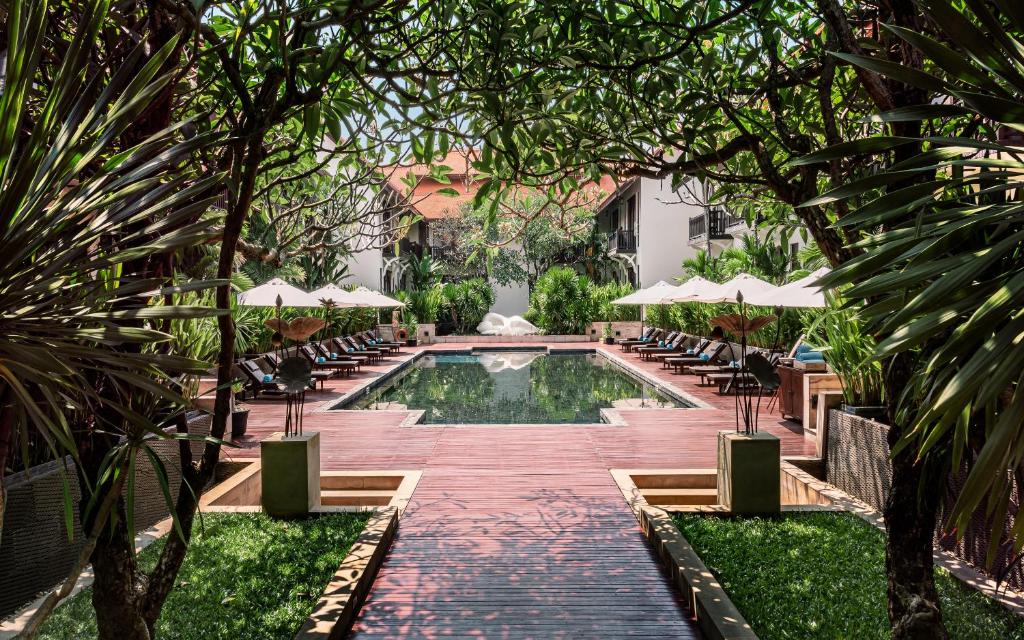
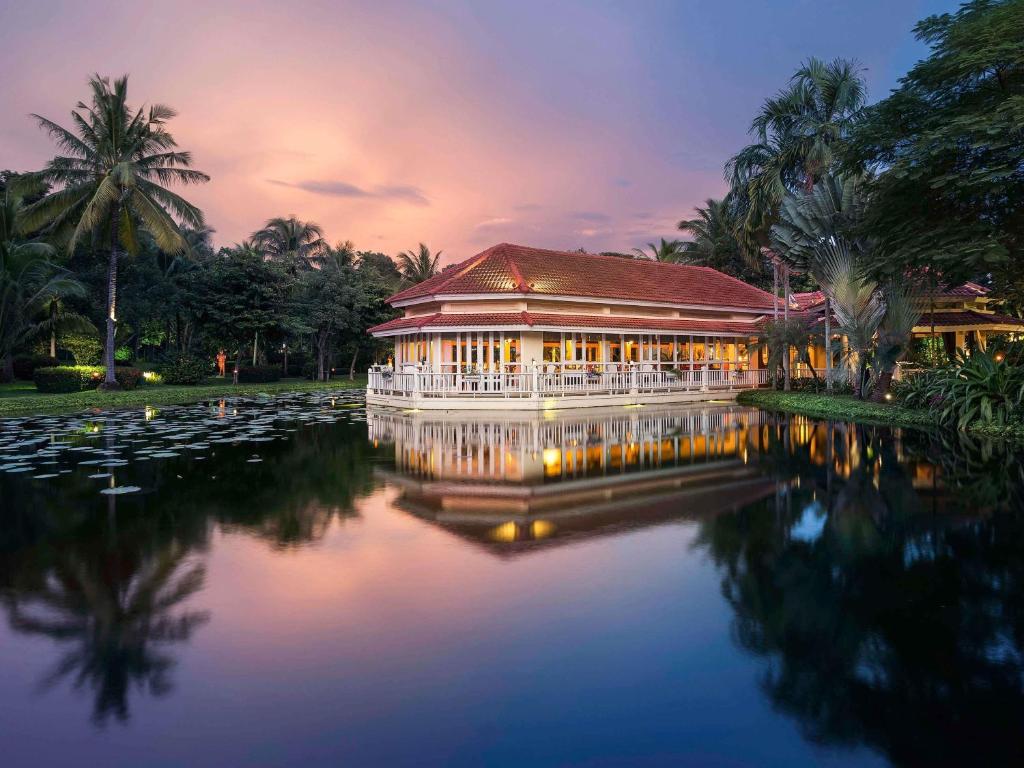
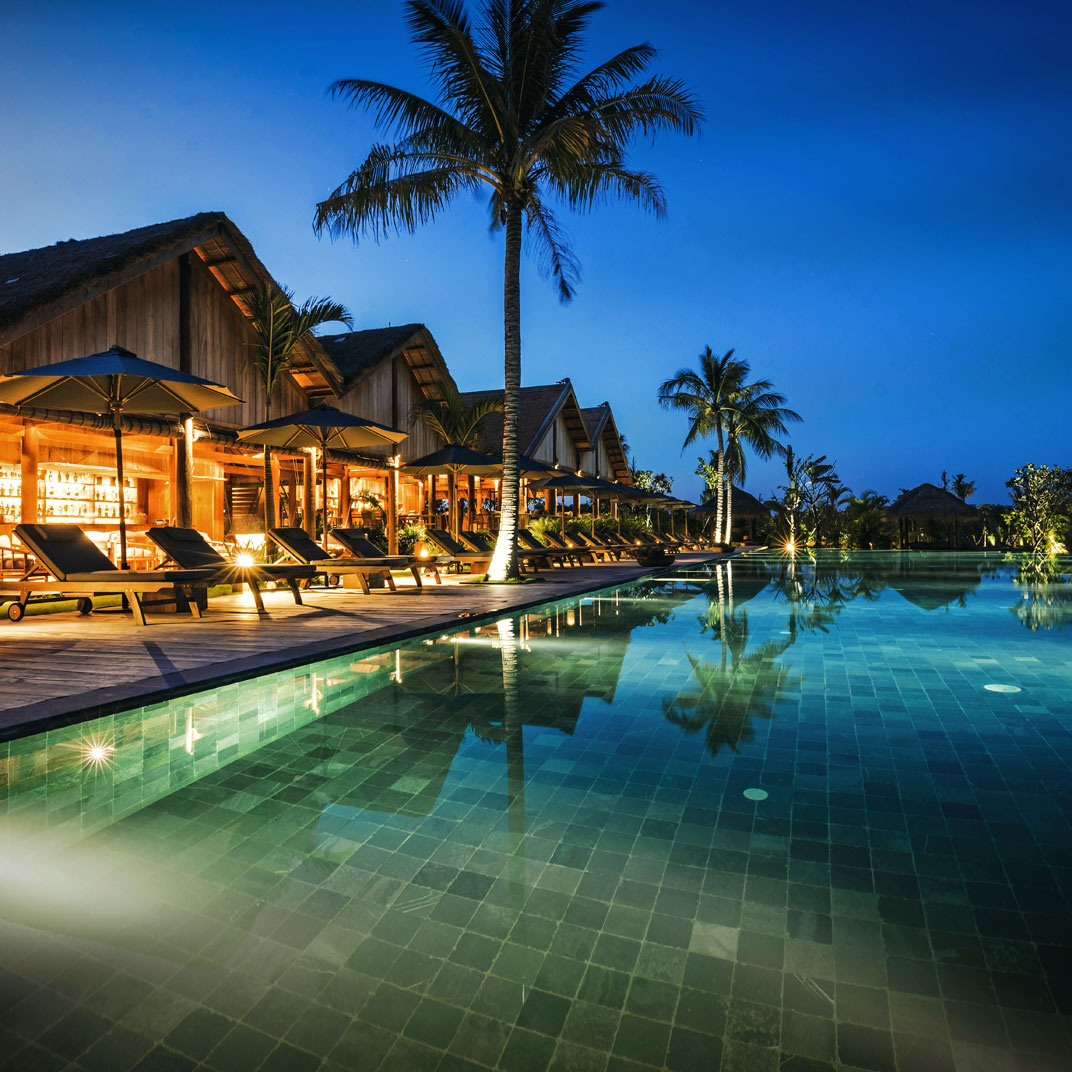
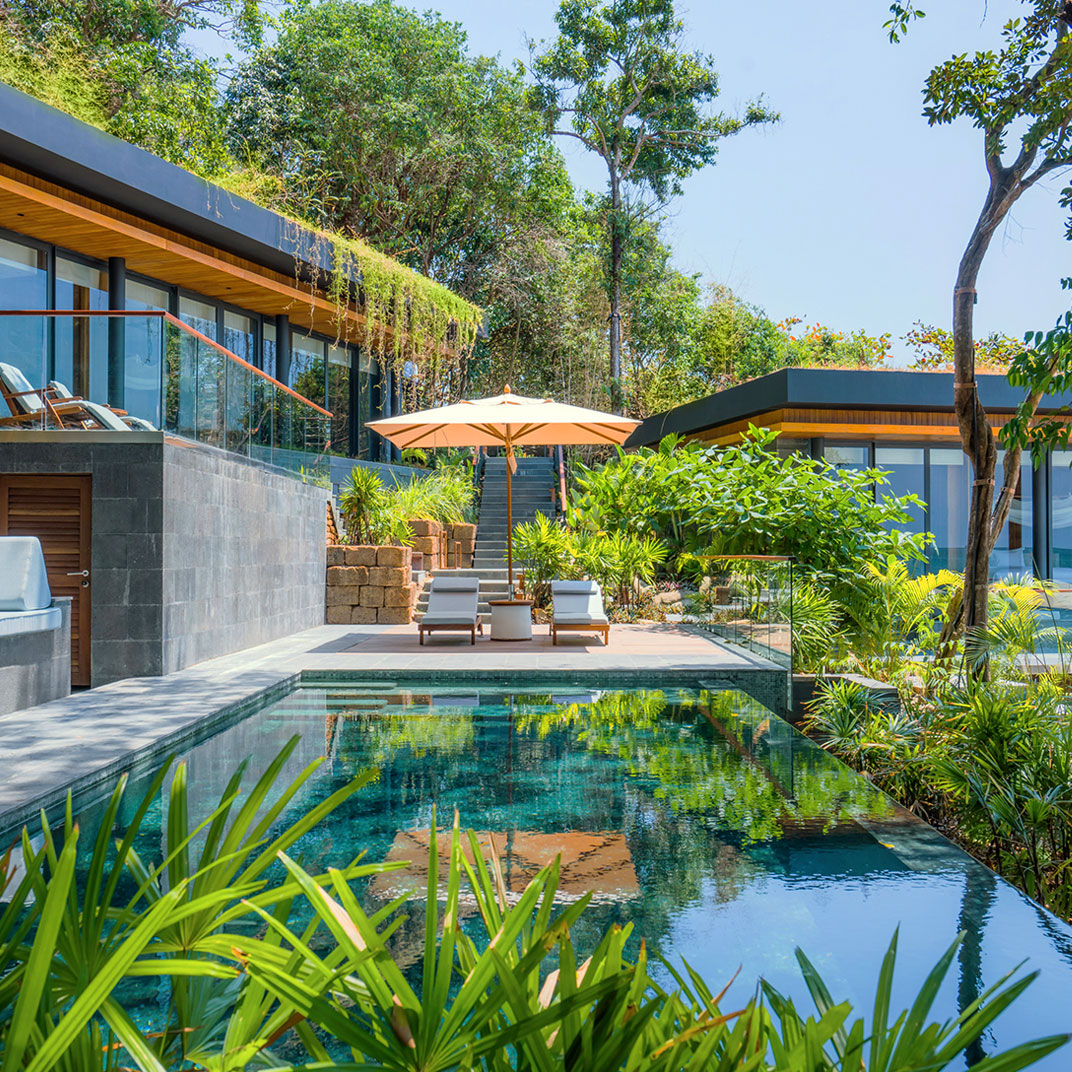
The hotel landscape in Siem Reap has developed into one of the most compelling in Southeast Asia, with properties that match the extraordinary setting. Amansara — the most celebrated hotel in Cambodia — occupies the former guesthouse of King Sihanouk, a 1962 modernist villa by French architect Laurent Mondet that has been converted into 24 suites around a central pool. The property's tuk-tuk fleet provides private temple access at dawn, before the tour groups arrive, and the kitchen produces the finest Khmer cuisine in the country. Raffles Grand Hotel d'Angkor, the grande dame of Siem Reap since 1932, offers a different kind of history — colonial-era grandeur on the central park, with a pool that has been photographed by every travel magazine in the world.
The temples of Angkor reward multiple visits and careful timing. Angkor Wat at sunrise is the most famous experience — the reflection of the towers in the moat as the sky turns from black to pink to gold is genuinely one of the great sights of the world. But the quieter temples — Ta Prohm (where fig trees have grown through the stone), Preah Khan, Banteay Srei (the finest stone carving in the complex) — are often more moving than the main circuit, and are best visited in the late afternoon when the tour buses have departed.
Siem Reap town has developed a sophisticated restaurant and bar scene that sits alongside the temples as a reason to visit. The Old Market area and Pub Street offer everything from street food to fine dining; the Phare Cambodian Circus — a social enterprise circus school — performs nightly and is one of the best evenings in Southeast Asia. The combination of extraordinary archaeology, world-class hotels, and an increasingly sophisticated town makes Siem Reap one of the most complete travel destinations in the region.
Amansara's dawn temple access — private tuk-tuks to Angkor Wat at 5am, arriving before the gates open to the general public — is the single best hotel experience in Cambodia. The property's guides have been leading these visits for decades and know the precise positions for the best light at each temple. This service is available exclusively to Amansara guests.
The Angkor Archaeological Park pass system requires advance planning: a 1-day pass (USD 37), 3-day pass (USD 62), or 7-day pass (USD 72) must be purchased at the official ticket office before entering. The 3-day pass is the minimum for a serious visit; the 7-day pass is worth considering if you want to explore the outer temples and the Roluos group.
Banteay Srei — the 10th-century temple of pink sandstone with the finest decorative carving in the entire Angkor complex — is 25 kilometres from the main park and often skipped by visitors on tight schedules. It is the single most rewarding half-day excursion from Siem Reap and is best visited in the morning before the heat builds.
The rainy season (June to October) is the most atmospheric time to visit Angkor — the moats fill completely, the vegetation is lush and green, and the crowds are significantly smaller than in the dry season. The rain typically falls in short afternoon bursts rather than all day. The dry season (November to May) offers clearer skies but dustier conditions and larger crowds.
November to February is Siem Reap's dry season peak — cool mornings, clear skies, and the best conditions for temple visits. March and April are hot and dry, with temperatures reaching 38°C. May to October is the rainy season — lush, atmospheric, and significantly less crowded, with afternoon showers that rarely last more than an hour. The temples are at their most photogenic in the wet season when the moats are full.
For the most exclusive and celebrated hotel experience in Cambodia — with private dawn temple access, the finest Khmer cuisine, and a modernist villa setting that is unlike any other hotel in Southeast Asia — Amansara is the definitive choice. The property is small (24 suites), intimate, and entirely focused on the Angkor experience.
For the most historically significant hotel in Siem Reap — with colonial-era grandeur, a famous pool, and a central location on the park — Raffles Grand Hotel d'Angkor has been the grande dame of the city since 1932. The property offers a different kind of luxury to Amansara: grander, more theatrical, and with a history that is part of the Angkor story.
For travellers who want a contemporary luxury experience with a strong spa programme and a more resort-like atmosphere, Anantara Angkor Resort and Park Hyatt Siem Reap both offer excellent alternatives to the heritage properties — with pools, restaurants, and service standards that match the best hotels in the region.
For first-time visitors to Angkor, a minimum of three days is recommended: one day for the main circuit (Angkor Wat, Bayon, Baphuon), one day for the outer temples (Ta Prohm, Preah Khan, Neak Pean), and one day for the outlying sites (Banteay Srei, the Roluos group). The temples are best visited in the early morning and late afternoon; the midday heat between 11am and 3pm is best spent at the hotel pool.