Barcelona is a city that has always understood the relationship between beauty and pleasure. Its finest hotels are not merely places to sleep — they are expressions of a city that treats design, food, and the art of living as serious disciplines.
The Passeig de Gràcia Corridor
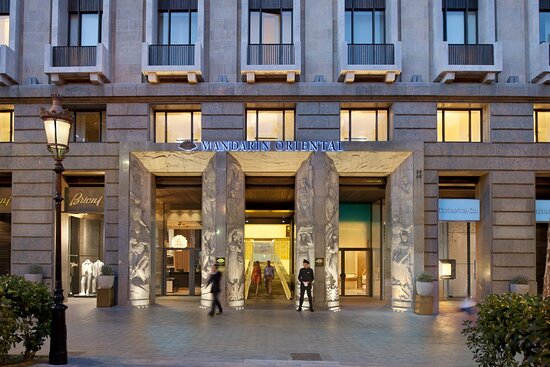
Barcelona's luxury hotel geography is defined by the Passeig de Gràcia — the grand boulevard that Ildefons Cerdà designed in the 1860s as the spine of the Eixample district. The avenue is lined with Modernista masterpieces: Casa Batlló, Casa Milà, the Palau del Baró de Quadras. To stay on or near the Passeig de Gràcia is to be at the centre of the city's architectural and social life.
The Mandarin Oriental Barcelona occupies a 1950s bank building on the Passeig de Gràcia that has been transformed into one of the most elegant hotels in Europe. The lobby — a double-height space of marble, bronze, and carefully curated contemporary art — sets the tone for a hotel that understands Barcelona's particular combination of Catalan restraint and Mediterranean sensuality. The rooftop pool, with its views over the Eixample's distinctive octagonal blocks, is the finest hotel terrace in the city.
Cotton House: The Textile Exchange Reborn
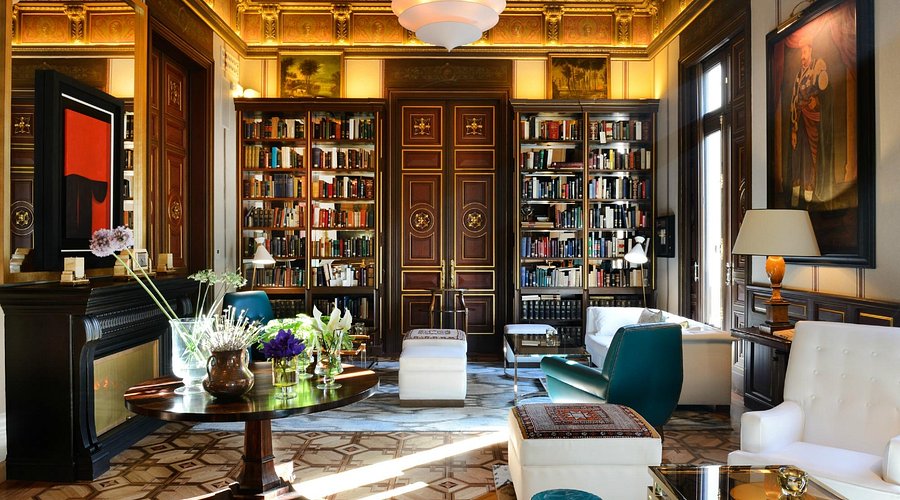
The Cotton House Hotel occupies the former headquarters of the Fomento del Trabajo Nacional, a neoclassical palace built in 1880 for the textile industry that made Barcelona wealthy. The building's original features — the grand staircase, the ornate plasterwork, the library with its floor-to-ceiling bookshelves — have been preserved and integrated into a hotel that feels like staying in a private Catalan palace.
The Cotton House's restaurant, Batuar, serves some of the most accomplished Catalan cuisine in the city. The bar, with its original wooden panelling and leather armchairs, is the best hotel bar in Barcelona — a place where the city's business elite and cultural figures have been meeting for decades.
W Barcelona: Architecture as Provocation
Ricardo Bofill's W Barcelona — known locally as 'the sail' for its billowing glass facade — is the most controversial hotel in the city, and also one of the most exciting. Built on the Barceloneta waterfront in 2009, it announced that Barcelona's hotel scene was ready to compete with the world's most architecturally ambitious properties.
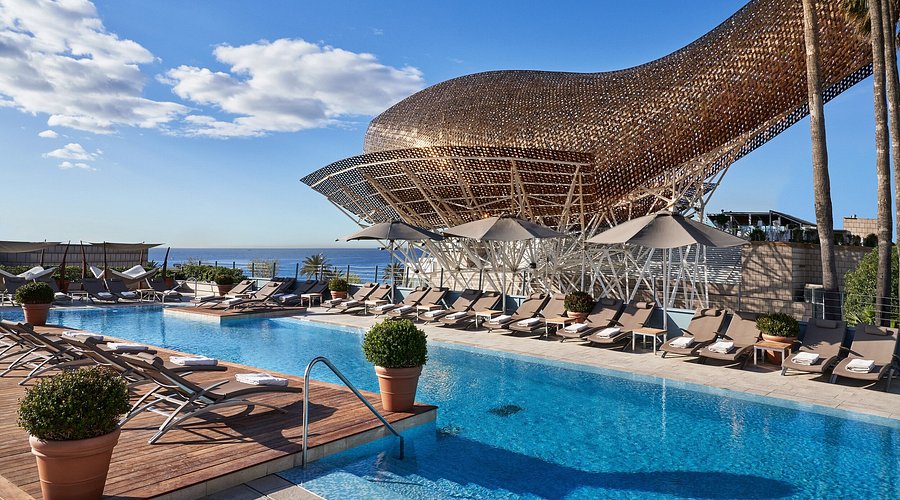
The W's strengths are its location and its energy. The Eclipse Bar on the 26th floor offers the most dramatic views of the Mediterranean of any hotel in the city. The WET pool deck, which extends over the waterfront, is the most spectacular outdoor hotel space in Barcelona.
Powered by Booking.com
The Editor's Verdict
Barcelona is a city that rewards different approaches at different stages of life. For a first visit, the Mandarin Oriental provides the perfect orientation — centrally located, beautifully designed, and staffed by people who understand the city intimately. For those who have been before and want to explore the city's more characterful neighbourhoods, the Serras Hotel in the Gothic Quarter or the El Palace in the Eixample offer a more intimate Barcelona experience.
One practical note: Barcelona's hotel rates are significantly lower in October and November than in the summer months, and the city is arguably more enjoyable in those months — the light is extraordinary, the crowds have thinned, and the restaurants are at their most relaxed.
Our editors travel extensively to verify every recommendation. All hotel reviews are independent — we accept no payment for editorial coverage.