Mallorca has spent decades fighting its reputation as a package holiday destination. The truth is that the island's interior and north coast contain some of the most extraordinary hotels in Europe — and some of the most beautiful landscapes in the Mediterranean.
Two Mallorcas
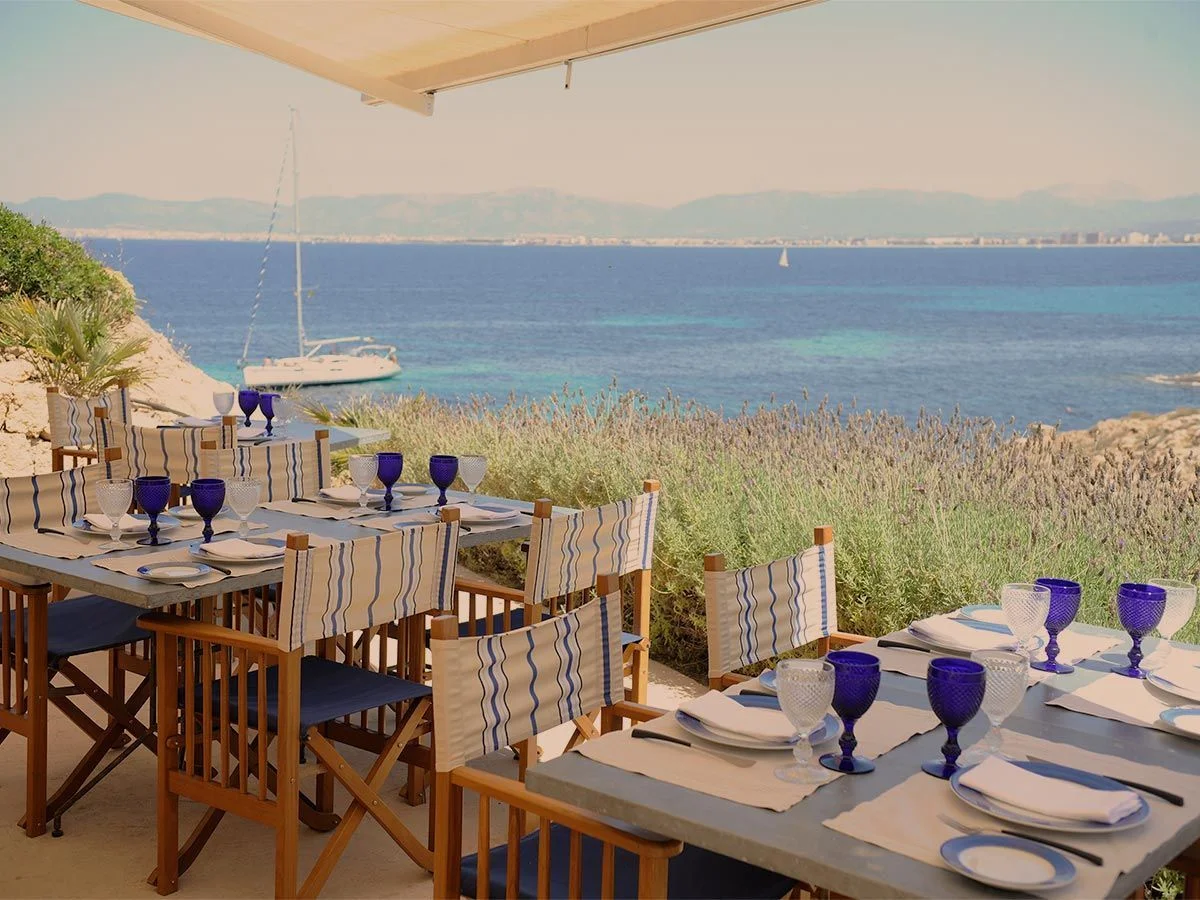
There are two Mallorcas, and understanding the difference between them is the first step to choosing the right hotel. The first Mallorca — the one that gave the island its reputation — is the resort coast: Magaluf, Playa de Palma, the Platja de Muro. This is the Mallorca of package holidays, all-inclusive resorts, and the kind of tourism that the island's more discerning residents regard with a mixture of resignation and embarrassment.
The second Mallorca — the one that has been quietly attracting a more sophisticated traveller for the past two decades — is the interior and the north coast. The Serra de Tramuntana, the UNESCO World Heritage mountain range that runs along the island's northwest coast, contains some of the most dramatic landscapes in the Mediterranean. The villages of Deià, Valldemossa, and Sóller are among the most beautiful in Spain.
Cap Rocat: The Fortress Hotel
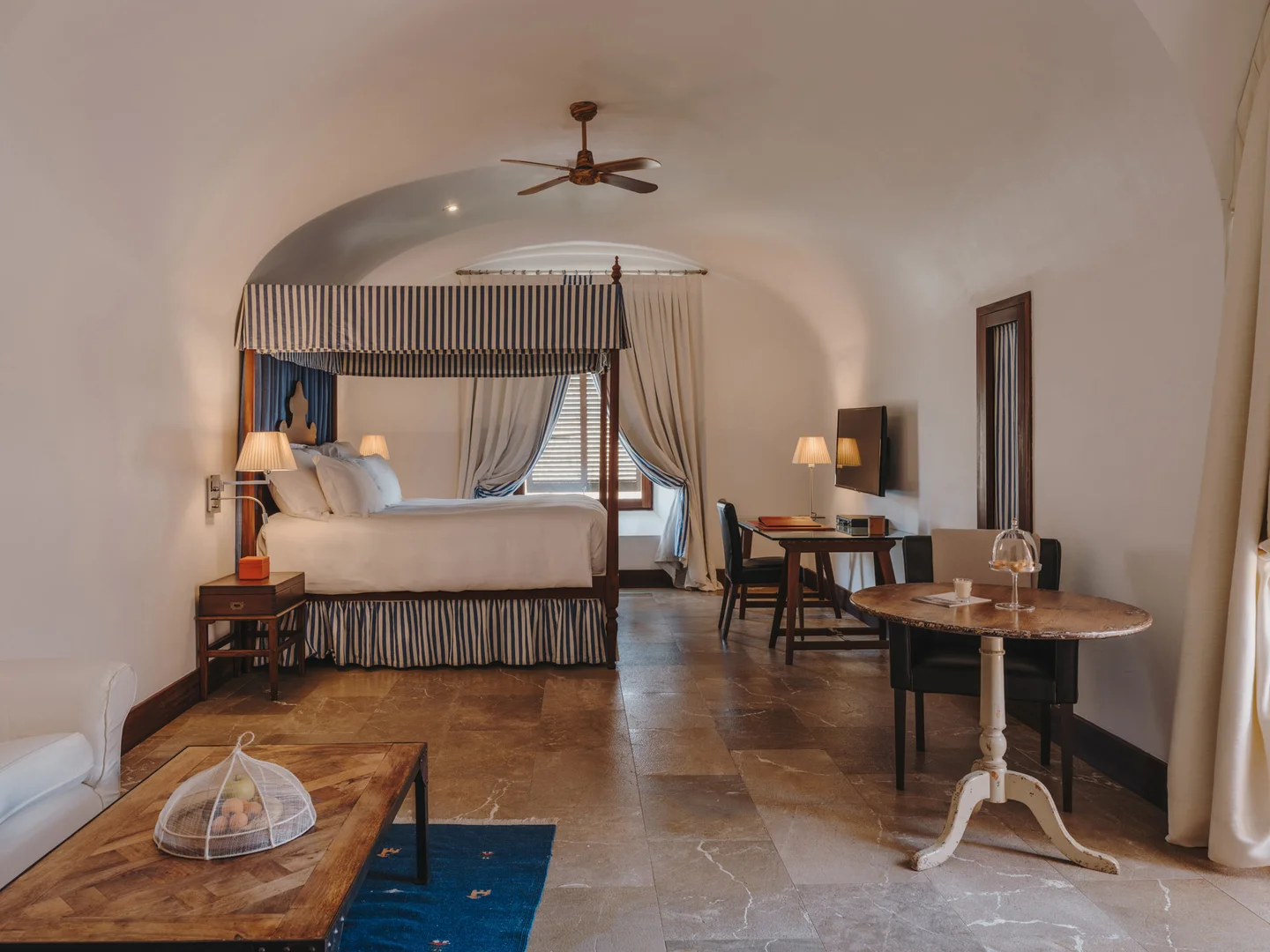
Cap Rocat occupies a 19th-century military fortress on a limestone promontory above the Bay of Palma — a location so dramatic that the hotel's designers wisely decided to let the architecture do the talking. The rooms are carved into the fortress walls, with private terraces that hang over the sea. The infinity pool, cut into the rock at the water's edge, is the most dramatic hotel pool in the Mediterranean.
The hotel's 24 rooms and suites are among the most private in Europe: each one is separated from its neighbours by thick stone walls, and many have their own private gardens.
Powered by Booking.com
La Residencia: The Belmond Classic
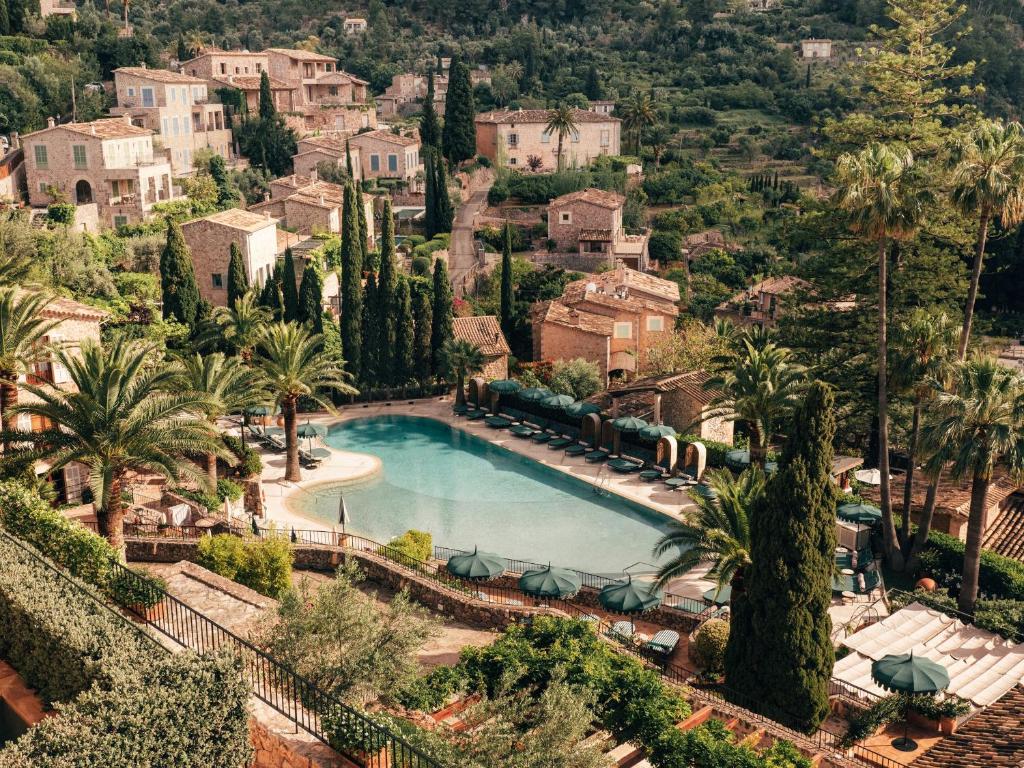
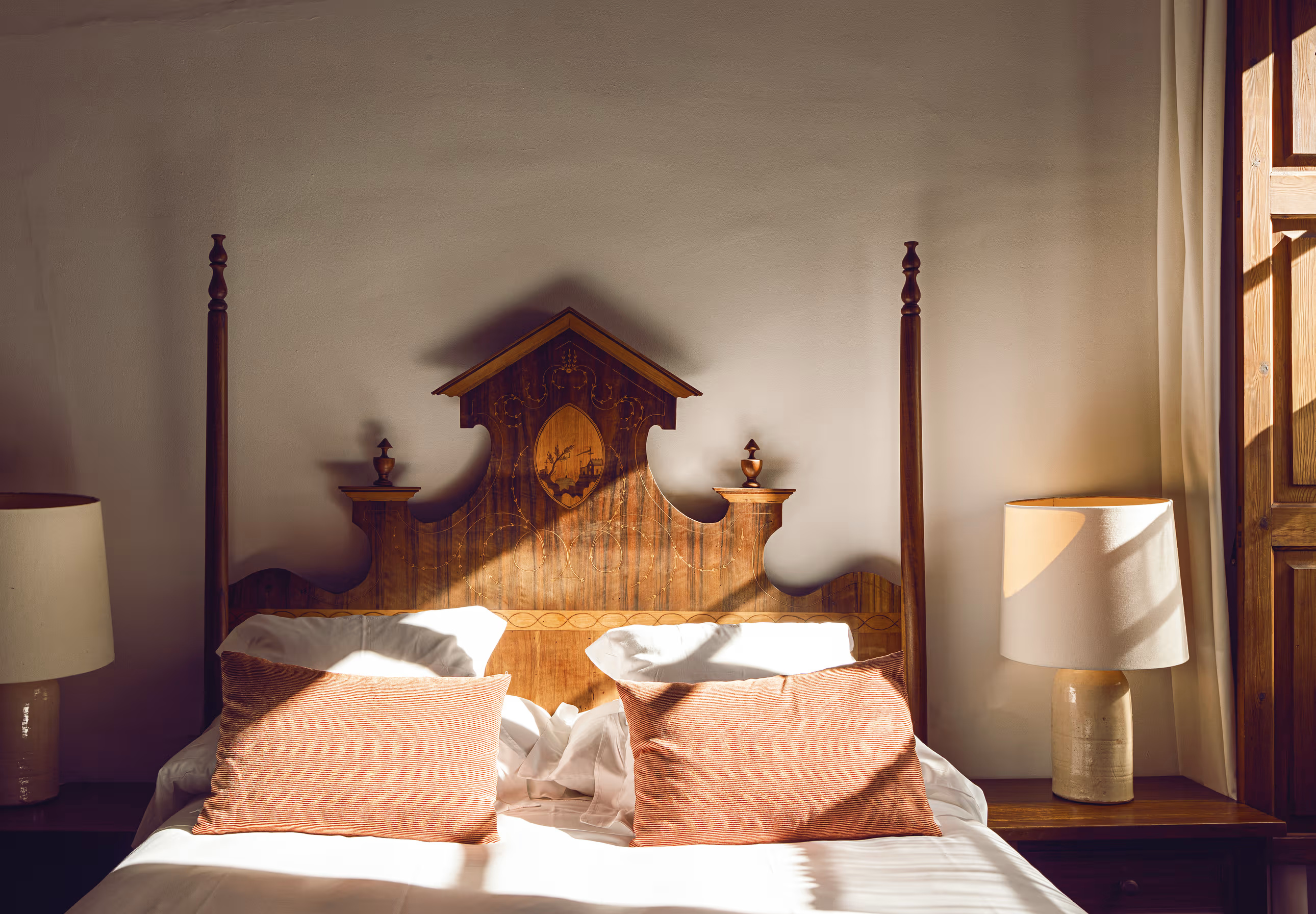
La Residencia, which Belmond acquired in 1988, occupies two 16th-century manor houses in the village of Deià — the hilltop village above the Serra de Tramuntana that has been attracting artists, writers, and musicians since Robert Graves settled here in the 1930s. The hotel's 67 rooms and suites are distributed across the two houses and a series of garden cottages, all of them furnished with Mallorcan antiques and contemporary art.
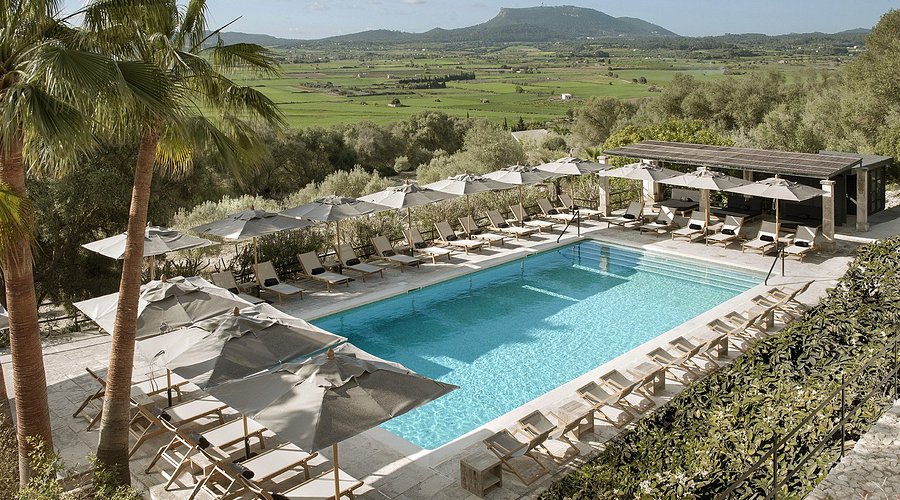
The hotel's setting — surrounded by ancient olive groves, with views over the mountains to the sea — is the most beautiful of any hotel in Mallorca. The Son Fony restaurant serves contemporary Mediterranean cuisine that draws on the island's extraordinary produce: the almonds, the olive oil, the sobrasada, the ensaïmada.
The Editor's Verdict
Mallorca is best visited in May, June, or September — when the island's extraordinary light is at its most beautiful, the sea is warm enough to swim, and the summer crowds have not yet arrived or have already departed. The island's interior, which most visitors never see, is worth at least two days of exploration: the drive through the Serra de Tramuntana from Palma to Pollença is one of the great road journeys in Europe.
For those who want to experience both the island's natural beauty and its cultural life, La Residencia in Deià provides the ideal base. For those who want the most dramatic hotel experience in the Mediterranean, Cap Rocat is without equal.
Our editors travel extensively to verify every recommendation. All hotel reviews are independent — we accept no payment for editorial coverage.