Destinations · 11 min
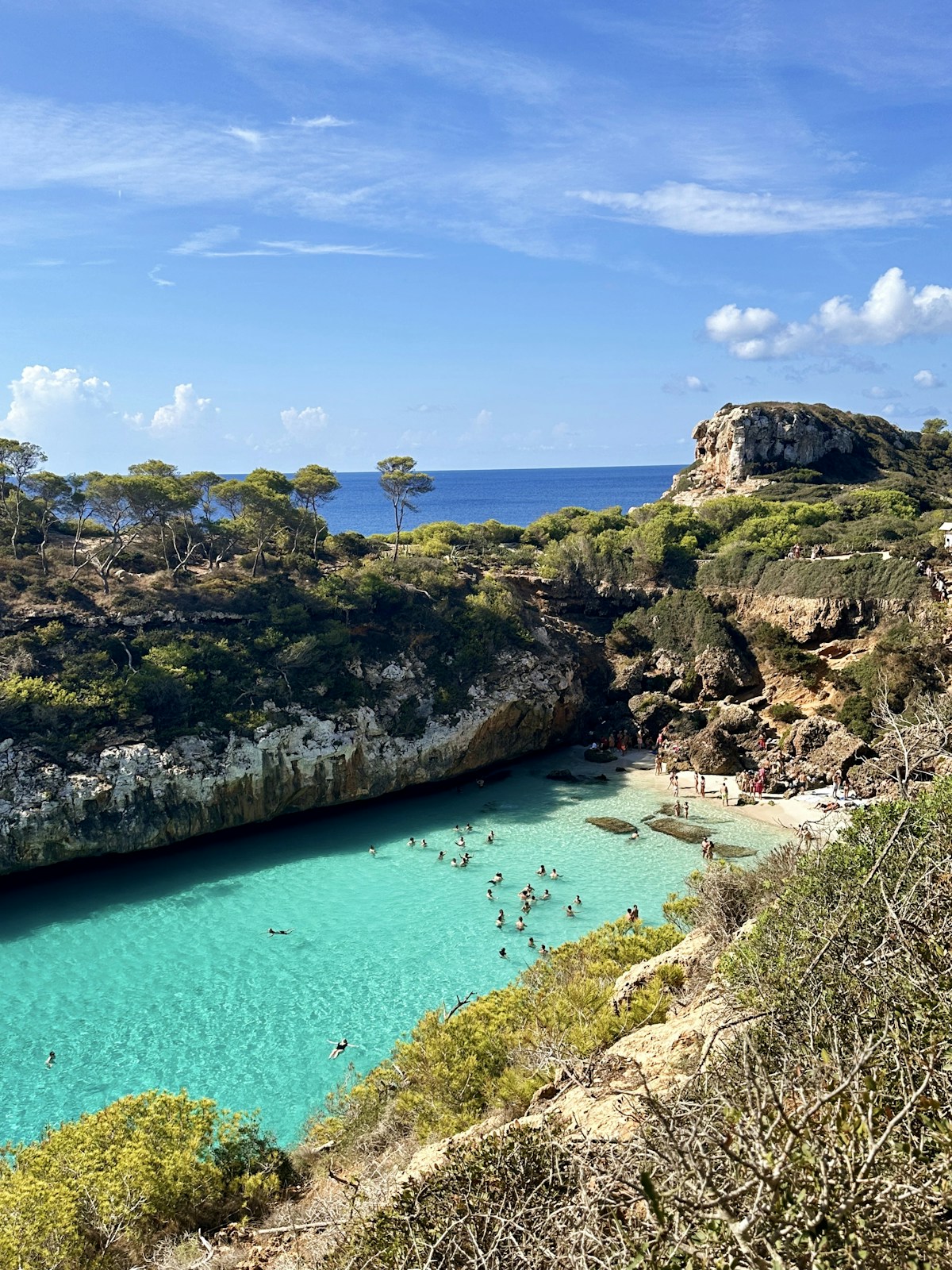
Tramuntana coast & olive groves
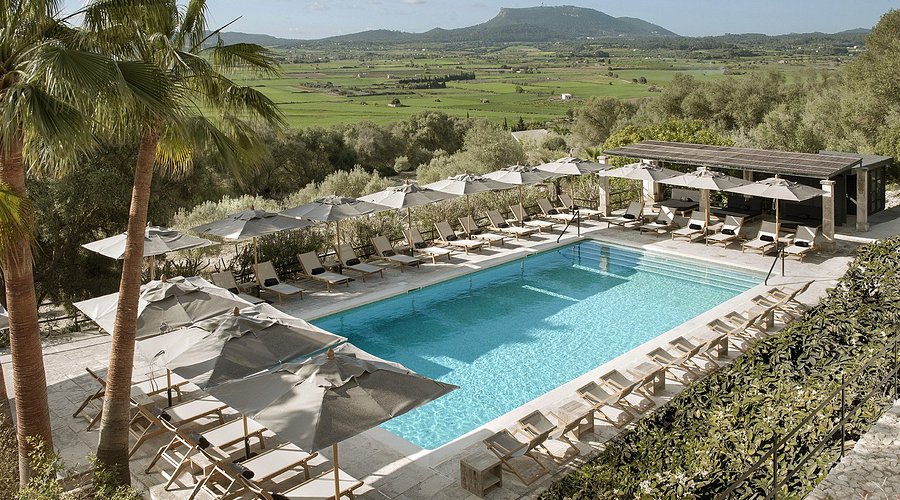
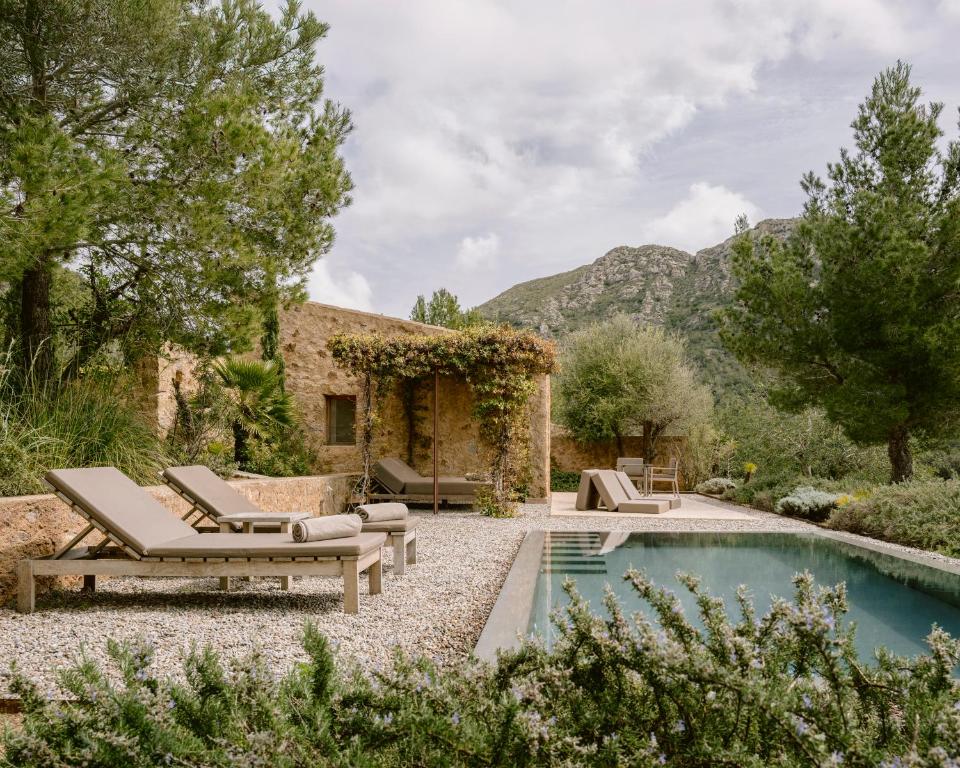
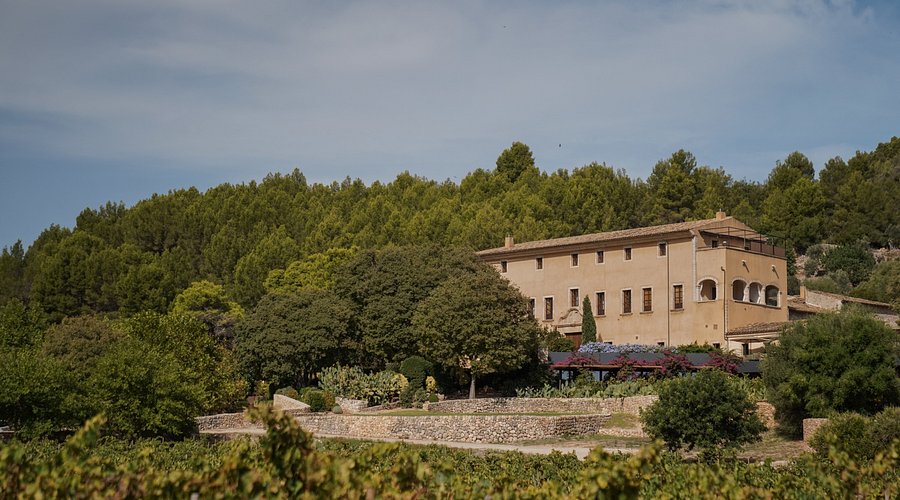
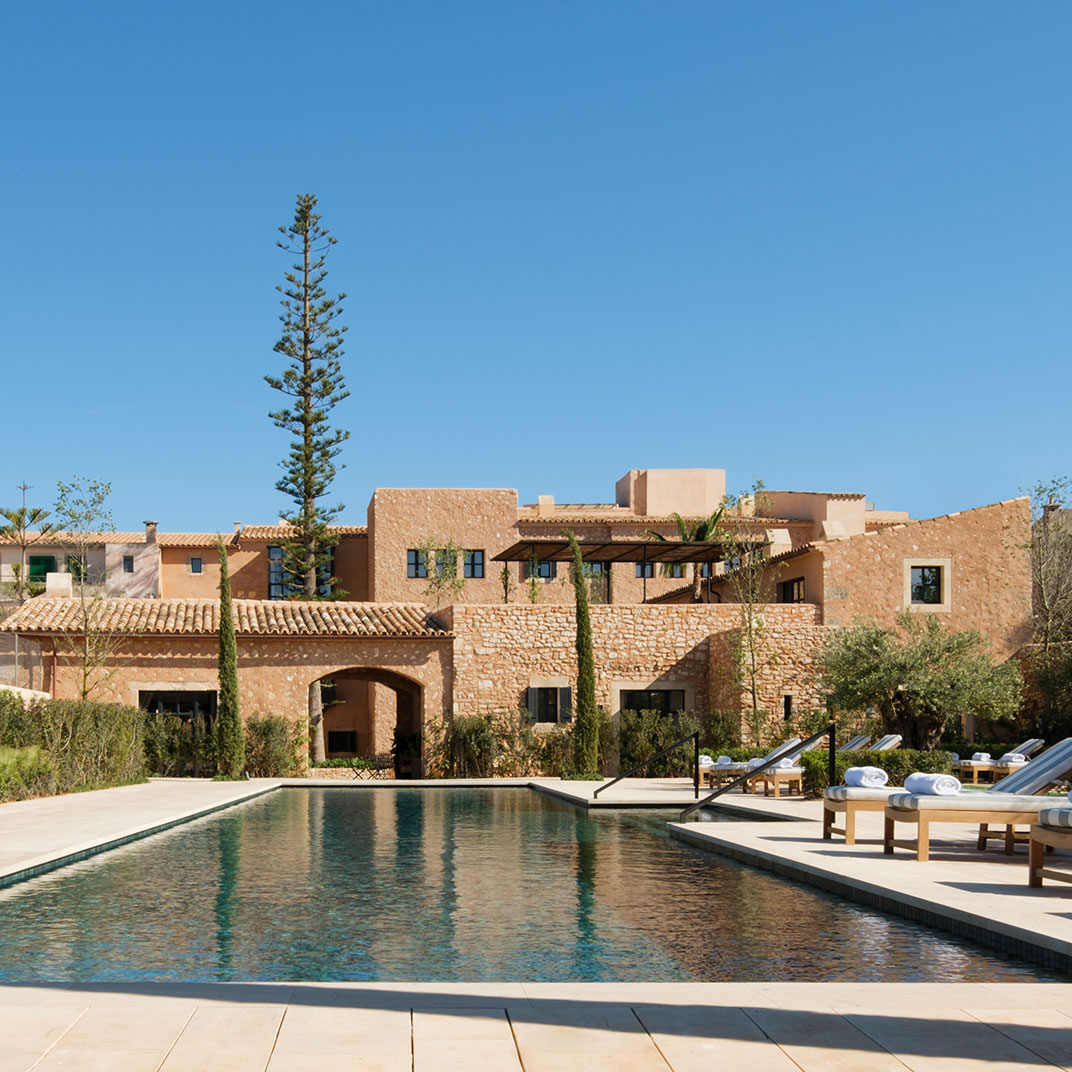
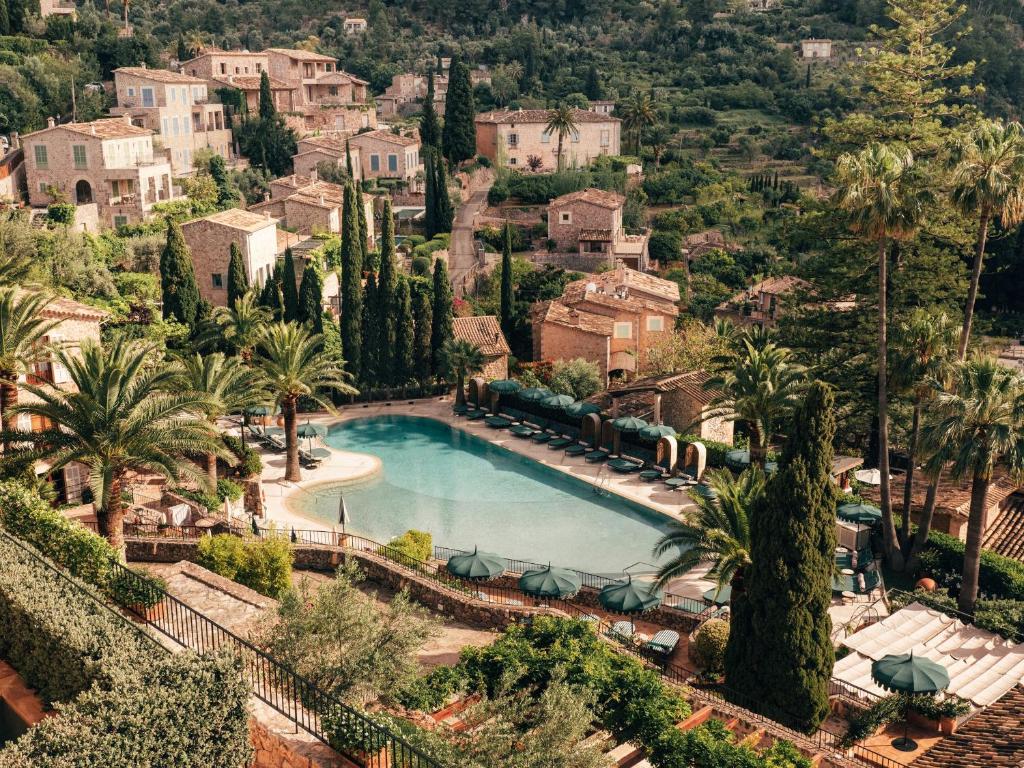
Mallorca's Serra de Tramuntana — a UNESCO World Heritage landscape of olive terraces, limestone cliffs, and stone villages — is the island's most extraordinary hotel territory. The villages of Deià, Sóller, and Valldemossa are where the island's most celebrated hotels are concentrated: La Residencia (a converted 16th-century manor above the sea), Son Bunyola (a Belmond estate in the mountains), and Son Brull (a converted Jesuit monastery in the foothills). These are hotels for guests who come to Mallorca for the landscape, not the beach.
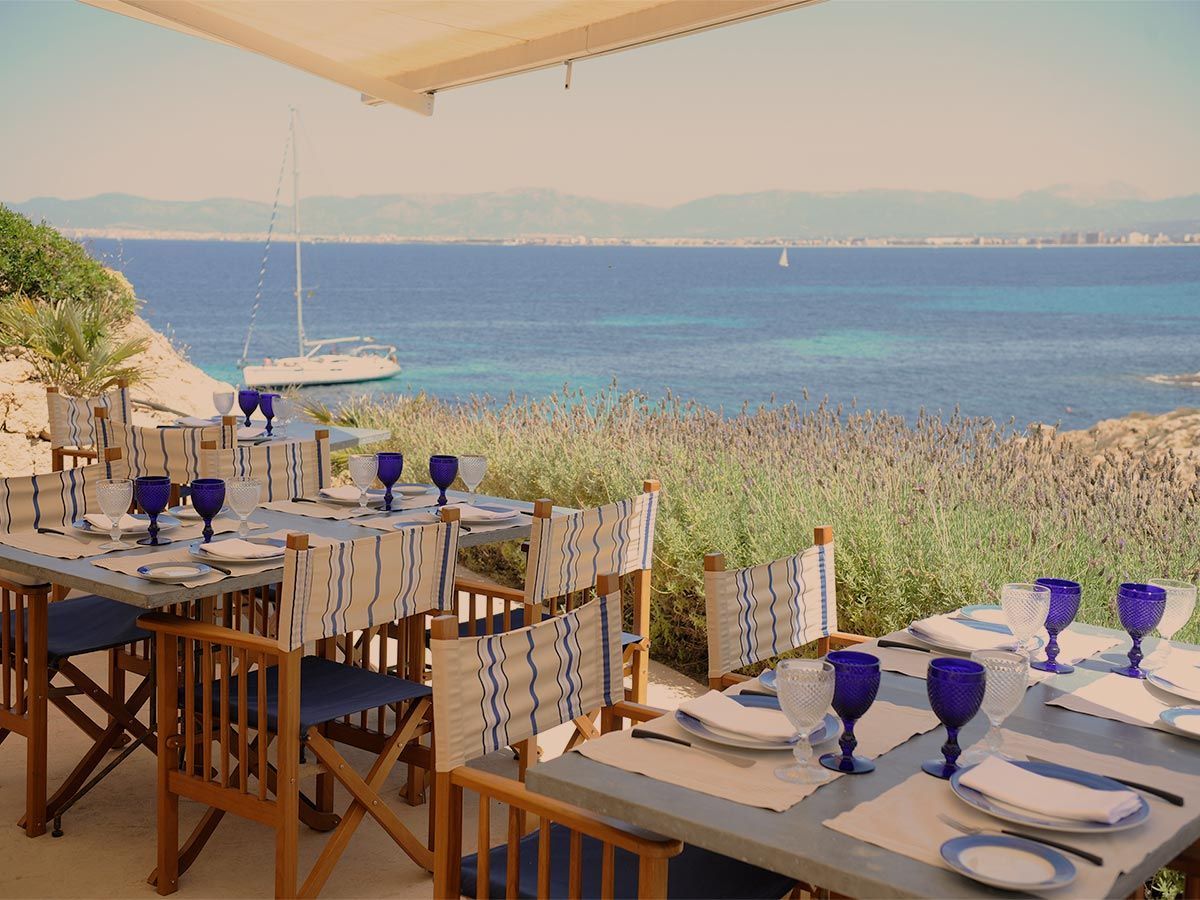
Cap Rocat, a converted 19th-century military fortress on the cliffs above Palma Bay, is the most dramatic hotel on the island — a labyrinth of stone passages, cannon terraces, and sea-facing suites carved into the cliff face. It is the closest thing to a private island without leaving the mainland. Belmond La Residencia in Deià remains the island's most celebrated address: Robert Graves lived in Deià for decades, and the village retains a bohemian, artistic character that distinguishes it from the rest of the island.
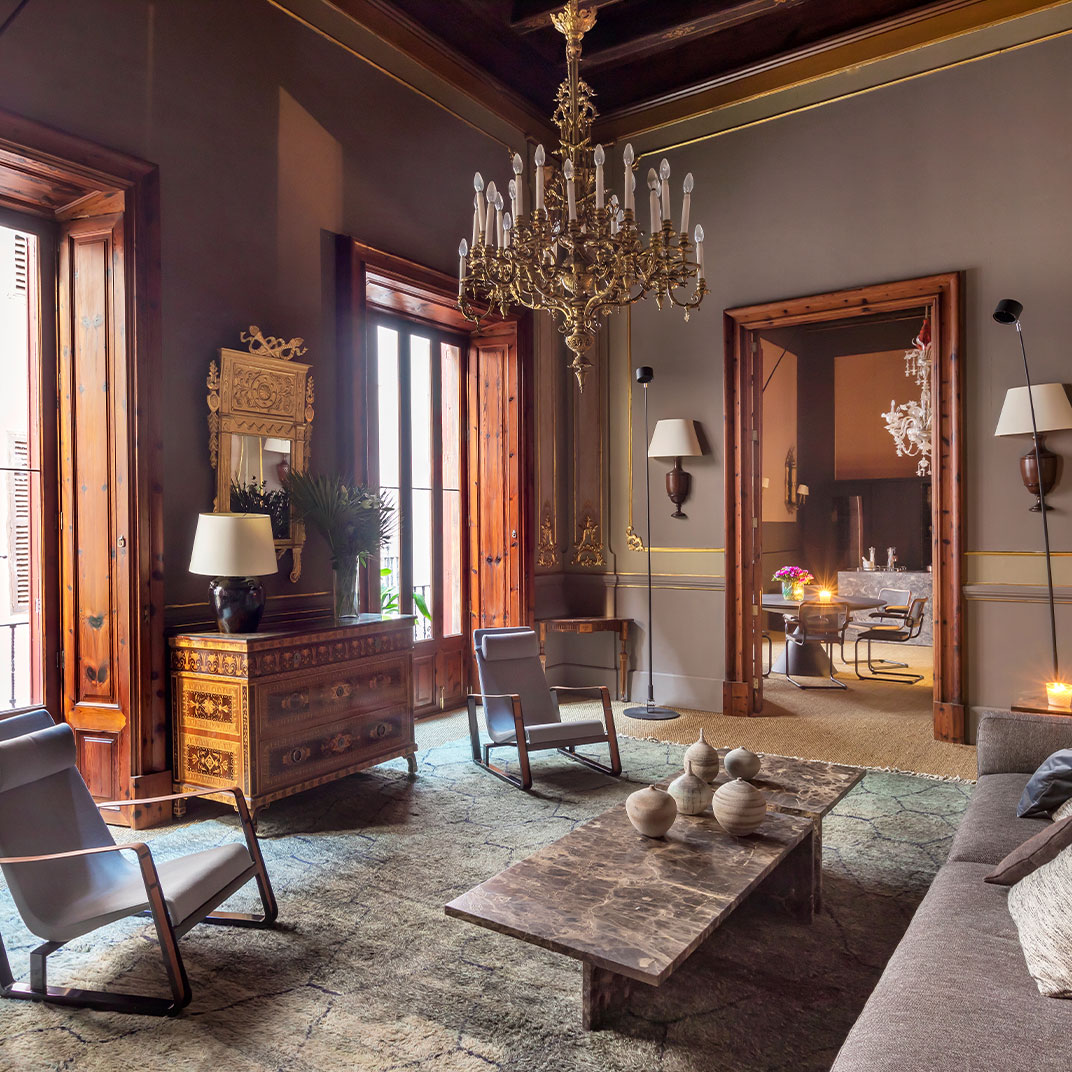
Palma, the island's capital, has its own hotel culture. The Palacio Ca Sa Galesa, a 16th-century palace in the old city, is the most intimate boutique in the capital. The Gran Hotel Son Net in Puigpunyent is a 17th-century manor with the island's most celebrated art collection. These are hotels for guests who want the island's cultural life — the Miró Foundation, the Palma Cathedral, the old city's tapas bars — rather than its beaches.
Mallorca's beaches are concentrated in the south and east: Cala d'Or, Cala Mondragó, Cala Pi. The north-east coast — the Cap de Formentor — is the island's most dramatic, with a lighthouse at the end of a peninsula that drops vertically into the sea. The Formentor hotel, opened in 1929 and recently restored by Barceló, is the most historically significant beach hotel on the island.
Deià's streets are too narrow for large vehicles. La Residencia's shuttle service is the only practical way to arrive with luggage — confirm the pickup point when booking.
Mallorca's high season is July–August: very hot, very crowded, and the most expensive period. May–June and September–October offer the same landscape with 20–30% lower rates and far fewer tourists.
Cap Rocat's cliff-face suites face east — sunrise views over Palma Bay are extraordinary. The western-facing suites have the better sunset light. Specify your preference when booking.
The Serra de Tramuntana is a UNESCO World Heritage Site for its cultural landscape, not just its scenery. The dry-stone walls, terraced olive groves, and irrigation channels are 1,000 years old — a living agricultural system that the hotels here are embedded in.
May–June and September–October are Mallorca's best months: warm, uncrowded, and the landscape at its most beautiful. July–August is peak season — very hot (32–38°C), extremely crowded, and the most expensive period. November–March is quiet and mild — the best time for walking the Tramuntana and visiting Palma without crowds.
For the most romantic and historically significant hotel on the island, La Residencia in Deià is the definitive choice — a 16th-century manor above the sea in the island's most artistic village.
For the most dramatic setting, Cap Rocat — a converted 19th-century military fortress on the cliffs above Palma Bay — is the most extraordinary hotel architecture on the island.
For the full Belmond estate experience in the mountains, Son Bunyola in Banyalbufar is the most secluded and most recently restored of the island's great manor hotels.
For the best value in the luxury tier with a central Palma location, the Palacio Ca Sa Galesa in the old city offers boutique intimacy at rates significantly below the mountain estates.