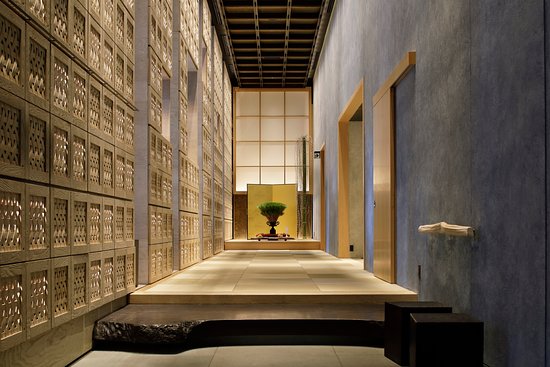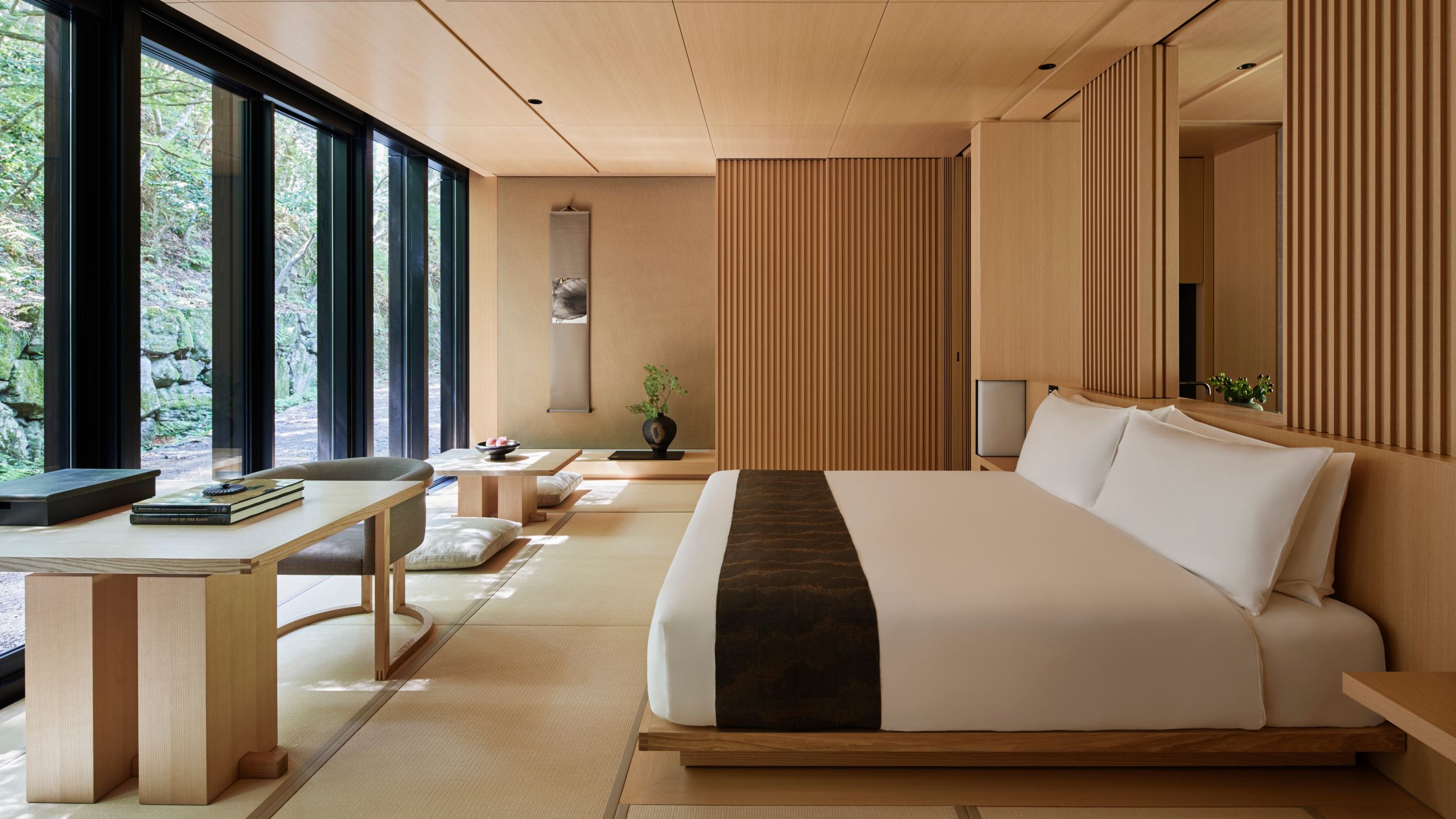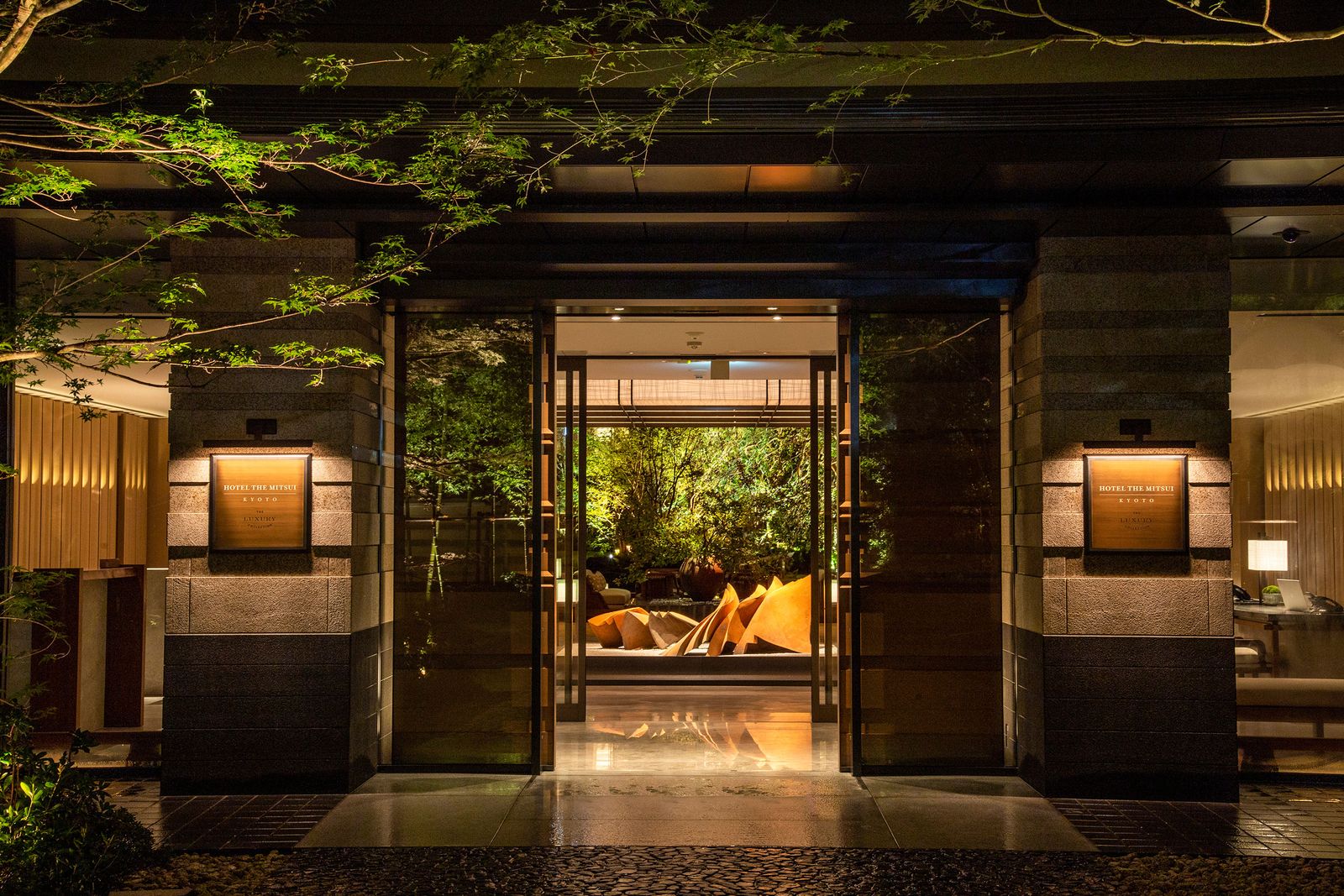
Japan's ryokans are the world's most complete expression of hospitality — where architecture, food, bathing culture, and service combine into an experience that has no Western equivalent. These ten properties represent the finest the tradition has to offer.
What makes a great ryokan
A ryokan is not simply a traditional Japanese inn. At its best, it is a total environment — a place where every element, from the tatami mats and the arrangement of the tokonoma alcove to the sequence of the kaiseki dinner and the temperature of the outdoor bath, has been considered as part of a unified experience. The concept of omotenashi — wholehearted hospitality that anticipates every need before it is expressed — is most purely realised in the ryokan tradition. These ten properties represent its highest expression in 2026.
Zaborin — A Hokkaido forest sanctuary
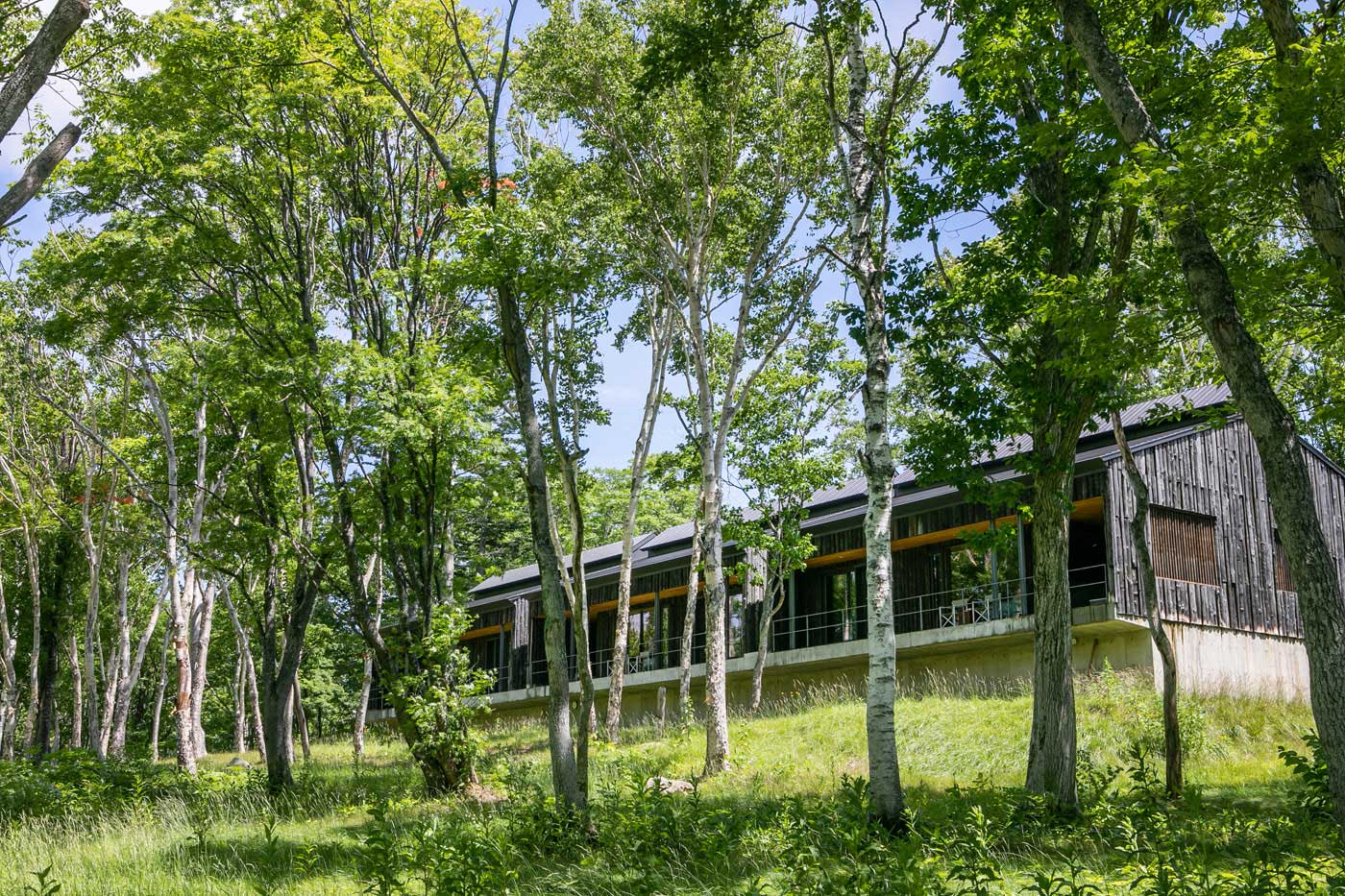
Zaborin is the most architecturally refined ryokan in Japan — a forest sanctuary where the boundary between interior and landscape is deliberately dissolved.
Set in a birch forest on the outskirts of Niseko — Japan's premier ski destination — Zaborin is a contemporary ryokan that honours the tradition while reimagining its aesthetic. The 15 villas are designed with a Scandinavian-influenced minimalism that complements the Hokkaido landscape: natural wood, stone, and paper screens that open onto private outdoor baths (rotenburo) overlooking the forest. In winter, guests can ski the legendary Niseko powder and return to a private onsen; in summer, the forest offers hiking and the kaiseki dinner — served in your room — showcases Hokkaido's extraordinary produce. The ryokan is adults-only.
Powered by Booking.com
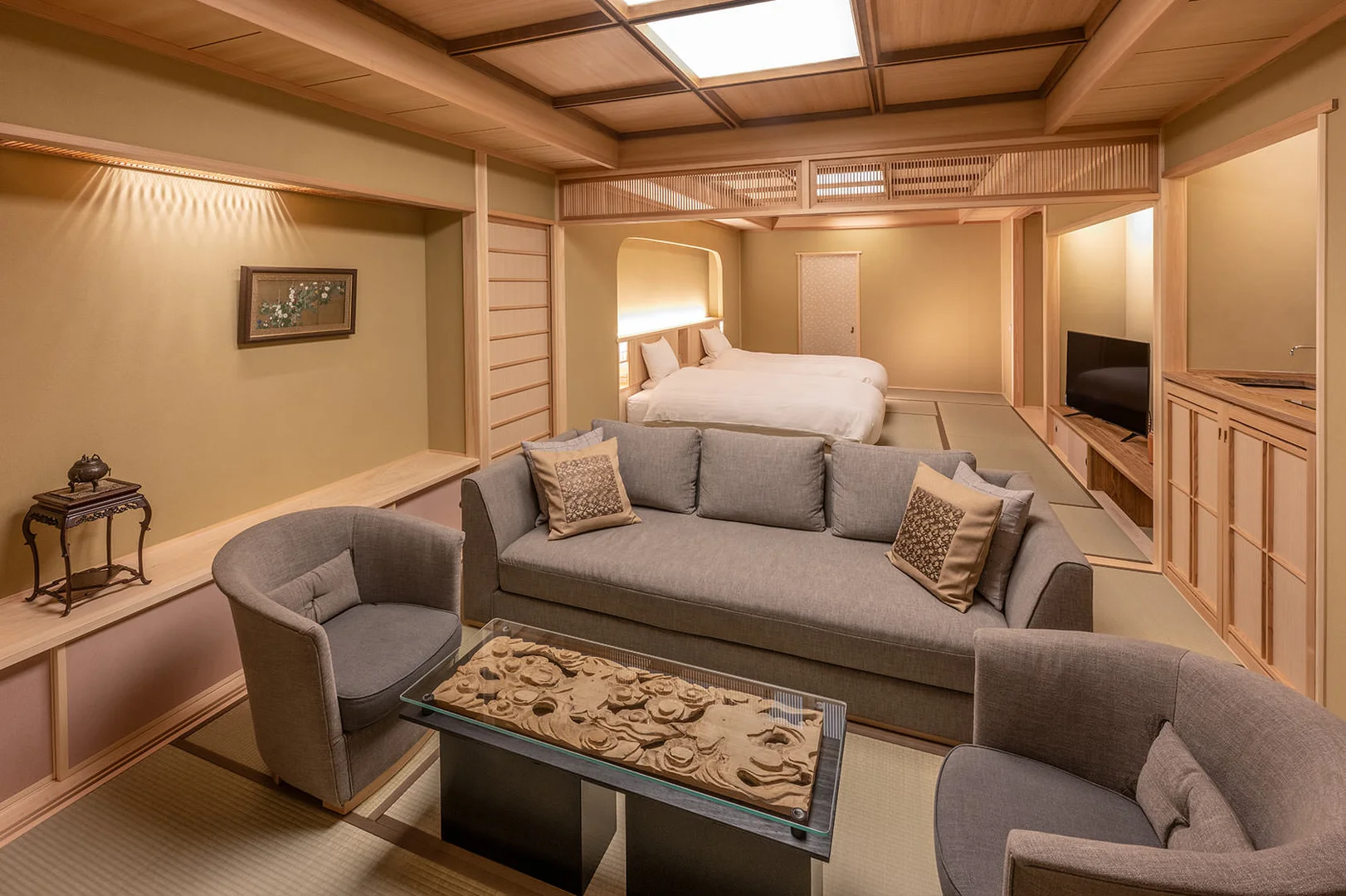
Gora Kadan — The Imperial Family's retreat in Hakone
Gora Kadan is the most historically significant ryokan in Japan — a former Imperial retreat that combines the highest standards of traditional hospitality with views of Mount Fuji.
Built as a retreat for the Imperial Family in the 1930s, Gora Kadan was converted into a ryokan in 1952 and has been one of Japan's most celebrated traditional inns ever since. The property occupies a hillside in Hakone, with views of Mount Fuji on clear days, and its 29 rooms and suites range from traditional tatami rooms to more contemporary suites with private outdoor baths. The kaiseki dinner — served in your room by a dedicated attendant — is one of the finest expressions of Japanese cuisine available anywhere, drawing on seasonal ingredients from Hakone and the surrounding region. The communal outdoor baths, fed by natural hot spring water, are open 24 hours.
Powered by Booking.com
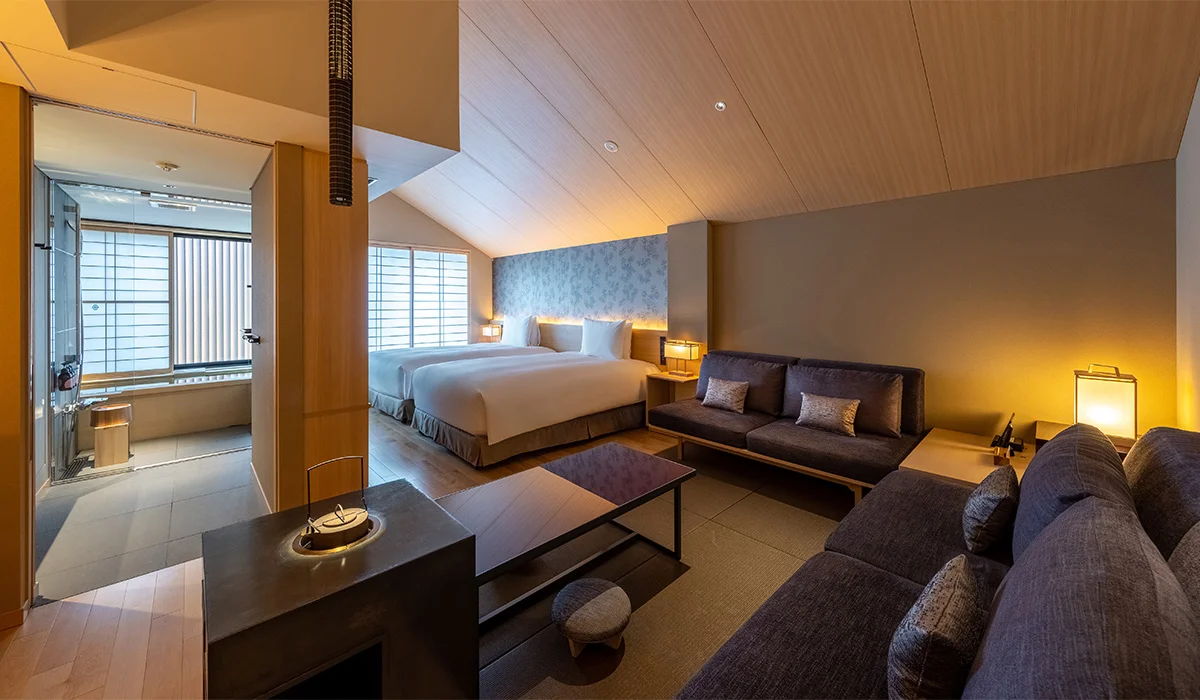
Fufu Kyoto — A Kyoto townhouse reimagined
Fufu Kyoto occupies the most beautiful address in Kyoto's most beautiful district — and its contemporary interpretation of ryokan tradition is among the finest in Japan.
The Fufu brand has established itself as Japan's most consistent contemporary ryokan group, and Fufu Kyoto — set in the Arashiyama district, where the bamboo groves and the Oi River create one of Japan's most iconic landscapes — is its finest expression. The 18 rooms are designed with a contemporary minimalism that references the Kyoto aesthetic without replicating it: natural materials, muted colours, and views over the river or the bamboo grove. The kaiseki dinner, served in your room, draws on Kyoto's extraordinary culinary tradition — tofu from the city's most celebrated producers, seasonal vegetables from the Nishiki market, and fish from the Sea of Japan. The private outdoor baths are fed by natural hot spring water.
Powered by Booking.com
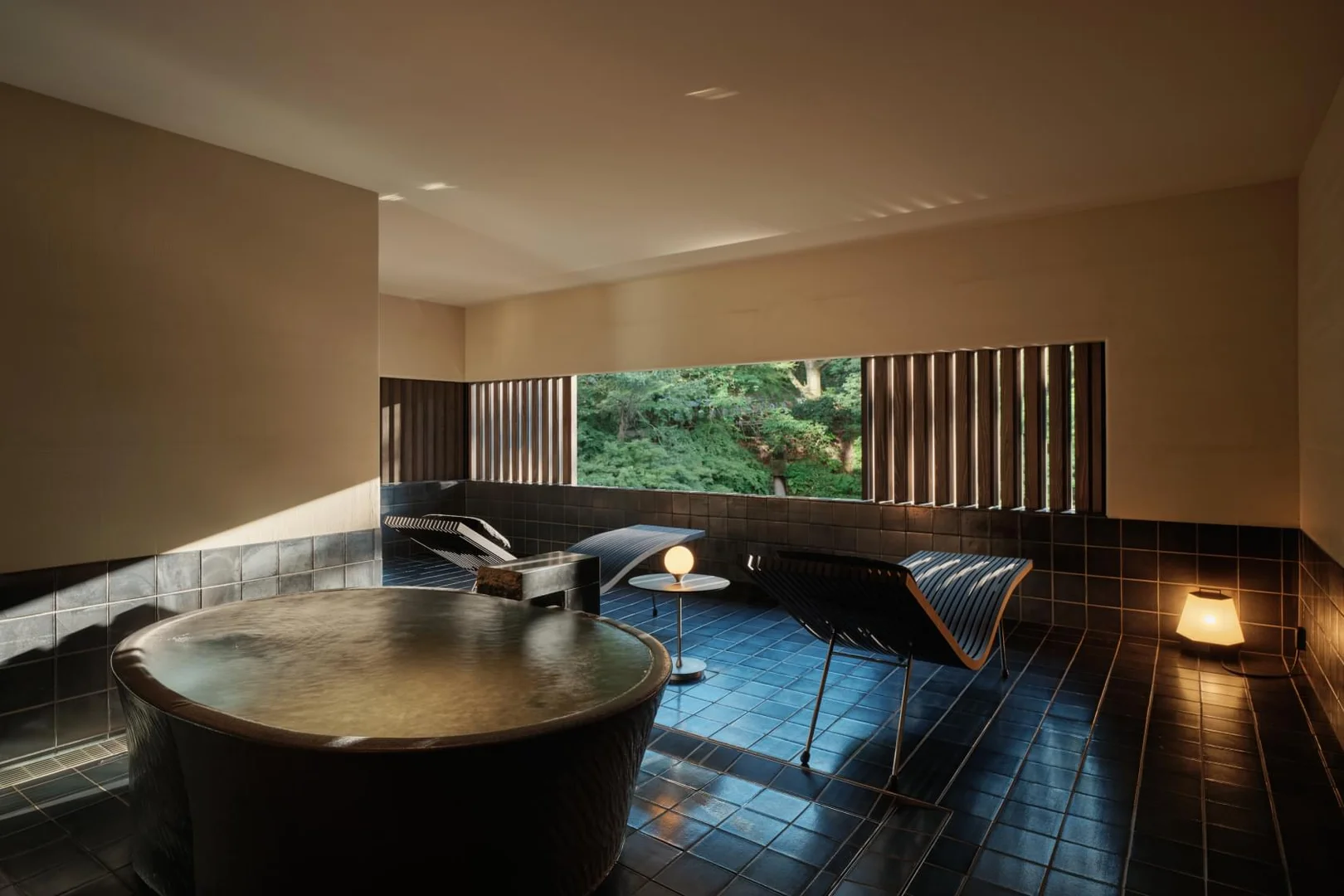
Hanamurasaki — A secret garden in the mountains
Hanamurasaki is the most atmospheric ryokan in the Japanese Alps — a traditional inn where the onsen culture is experienced at its most authentic.
Located in Yamanouchi, Nagano — the region famous for the Jigokudani snow monkey park, where Japanese macaques bathe in natural hot springs — Hanamurasaki is a traditional ryokan that offers one of Japan's most authentic onsen experiences. The outdoor baths, fed by natural hot spring water, are particularly magical in winter, when snow covers the surrounding mountains and the steam rises into the cold air. The kaiseki dinner draws on Nagano's mountain produce: wild mushrooms, river fish, mountain vegetables, and locally raised beef. The ryokan is small and intimate, with just a handful of rooms, and the service reflects the most personal expression of omotenashi.
Powered by Booking.com
Our verdict
Japan's ryokans offer an experience that has no equivalent anywhere in the world. The combination of architectural beauty, culinary excellence, bathing culture, and service philosophy creates a totality of experience that Western hotels can approach but never quite replicate. Whether you choose the forest sanctuary of Zaborin, the Imperial history of Gora Kadan, or the Kyoto immersion of Fufu Kyoto, a stay in a great Japanese ryokan will change your understanding of what hospitality can be.
Our editors travel extensively to verify every recommendation. All hotel reviews are independent — we accept no payment for editorial coverage.