Destinations · 12 min
Ryokans & temple gardens
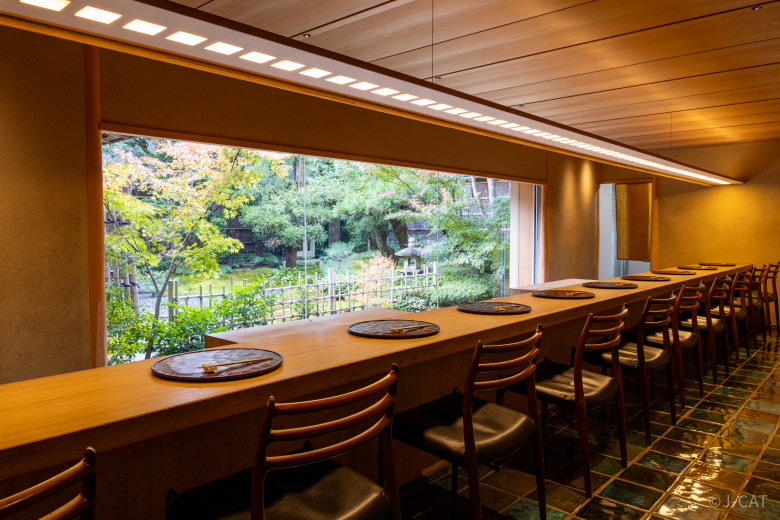
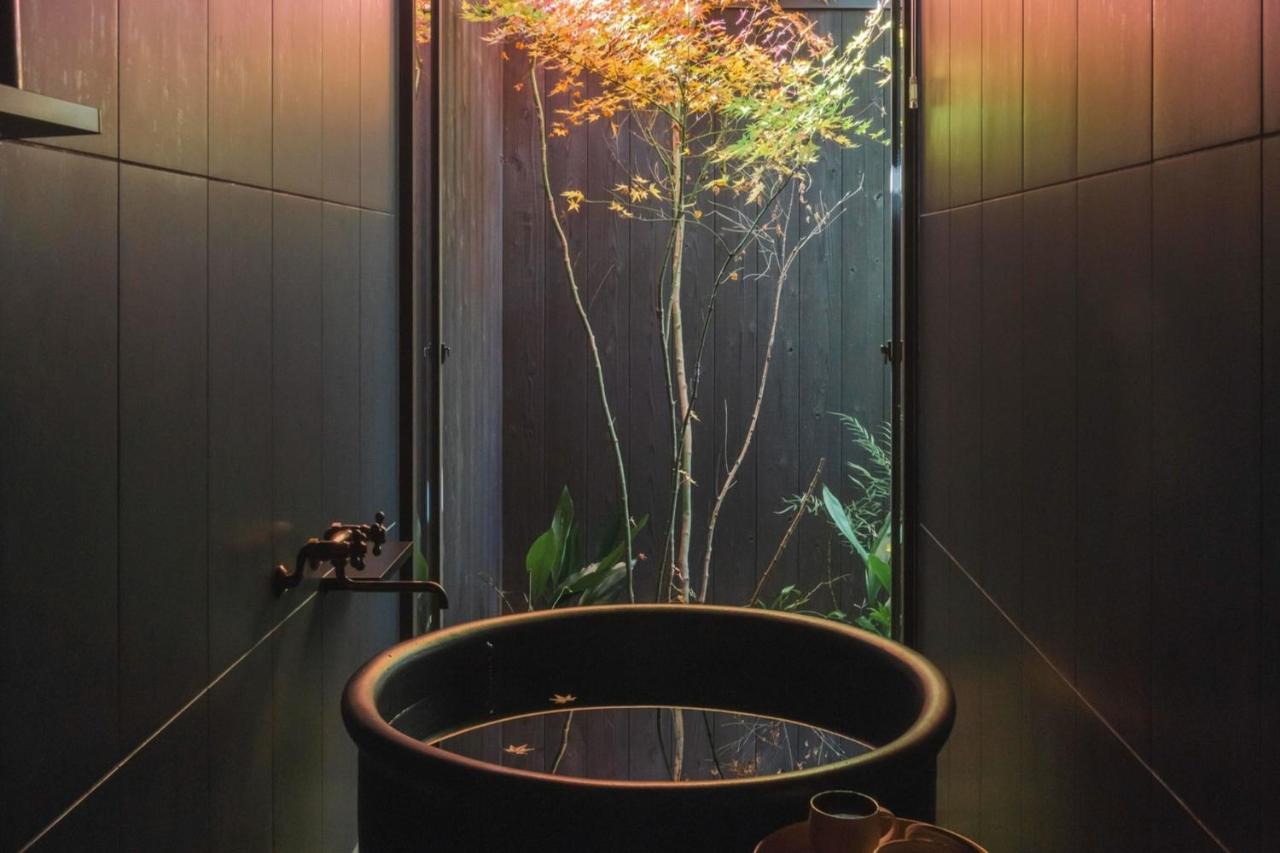
Kyoto is the only city in Japan where the choice between a traditional ryokan and an international luxury hotel is a genuine dilemma rather than a foregone conclusion. The ryokan tradition here is not a reconstruction — Tawaraya has operated continuously since 1709, Hiiragiya since 1818. These are working inns that have hosted emperors, artists, and heads of state for centuries, and their tatami rooms, kaiseki meals, and private onsen baths represent a form of hospitality that no international brand has successfully replicated.
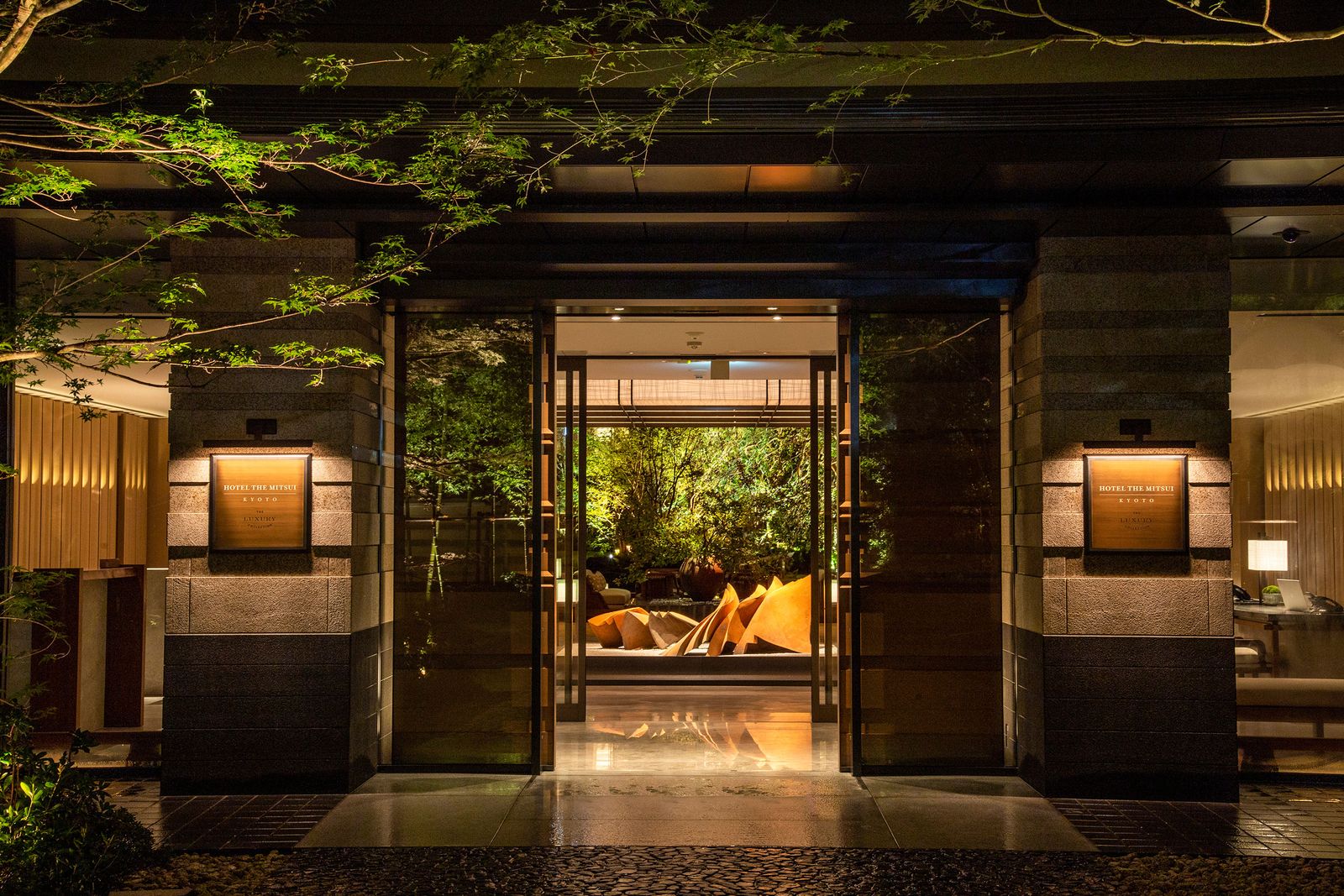
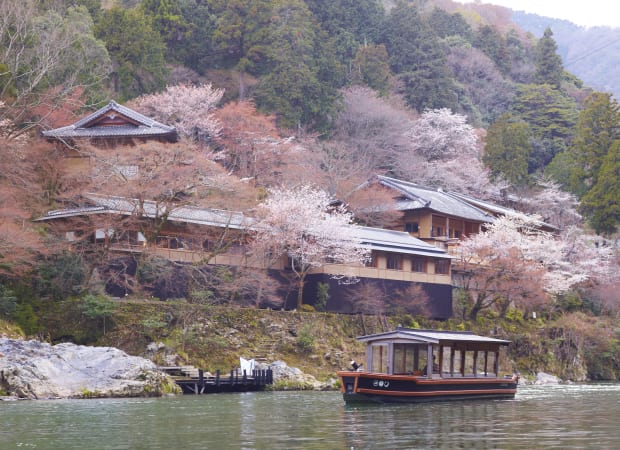
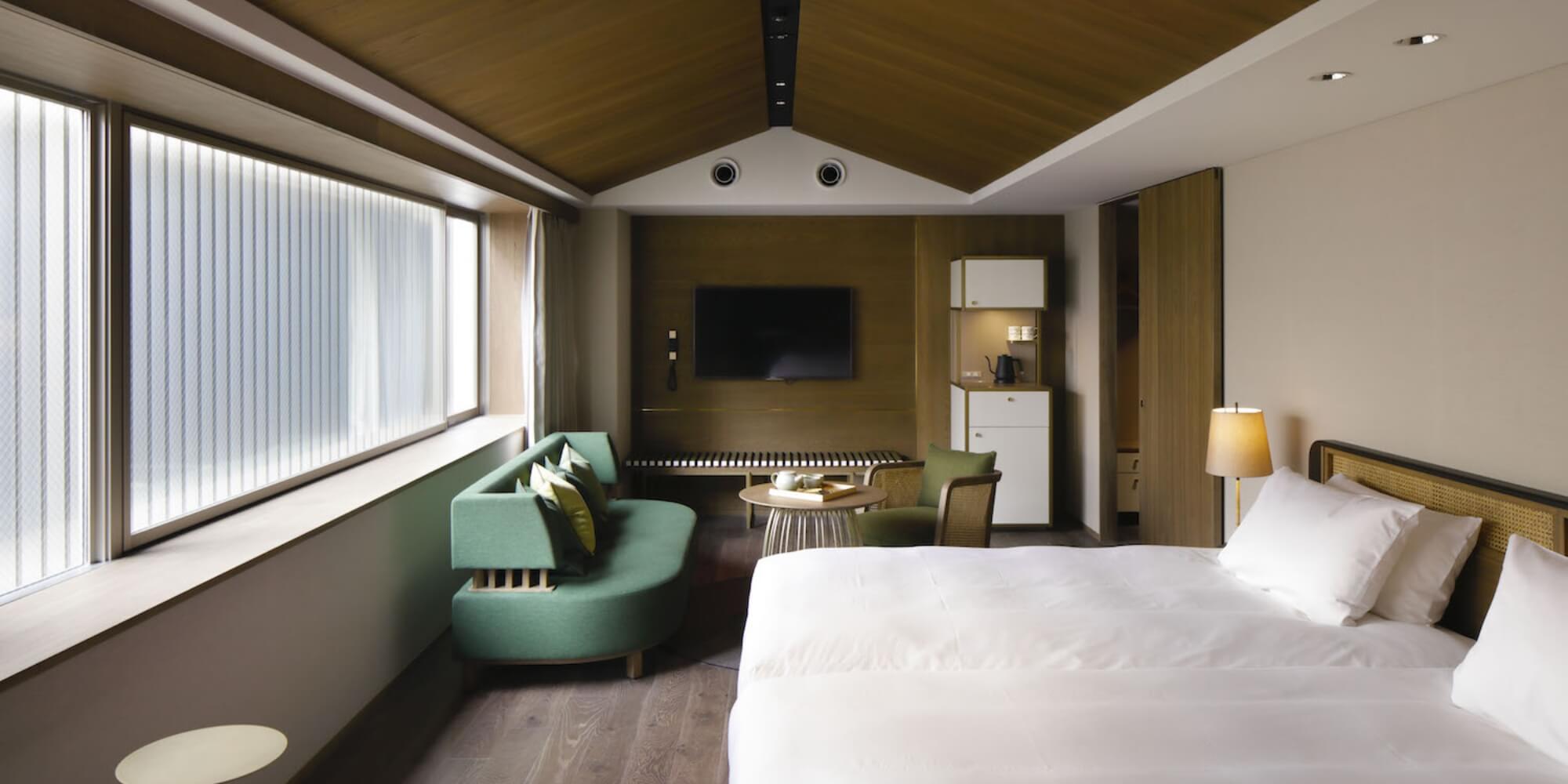
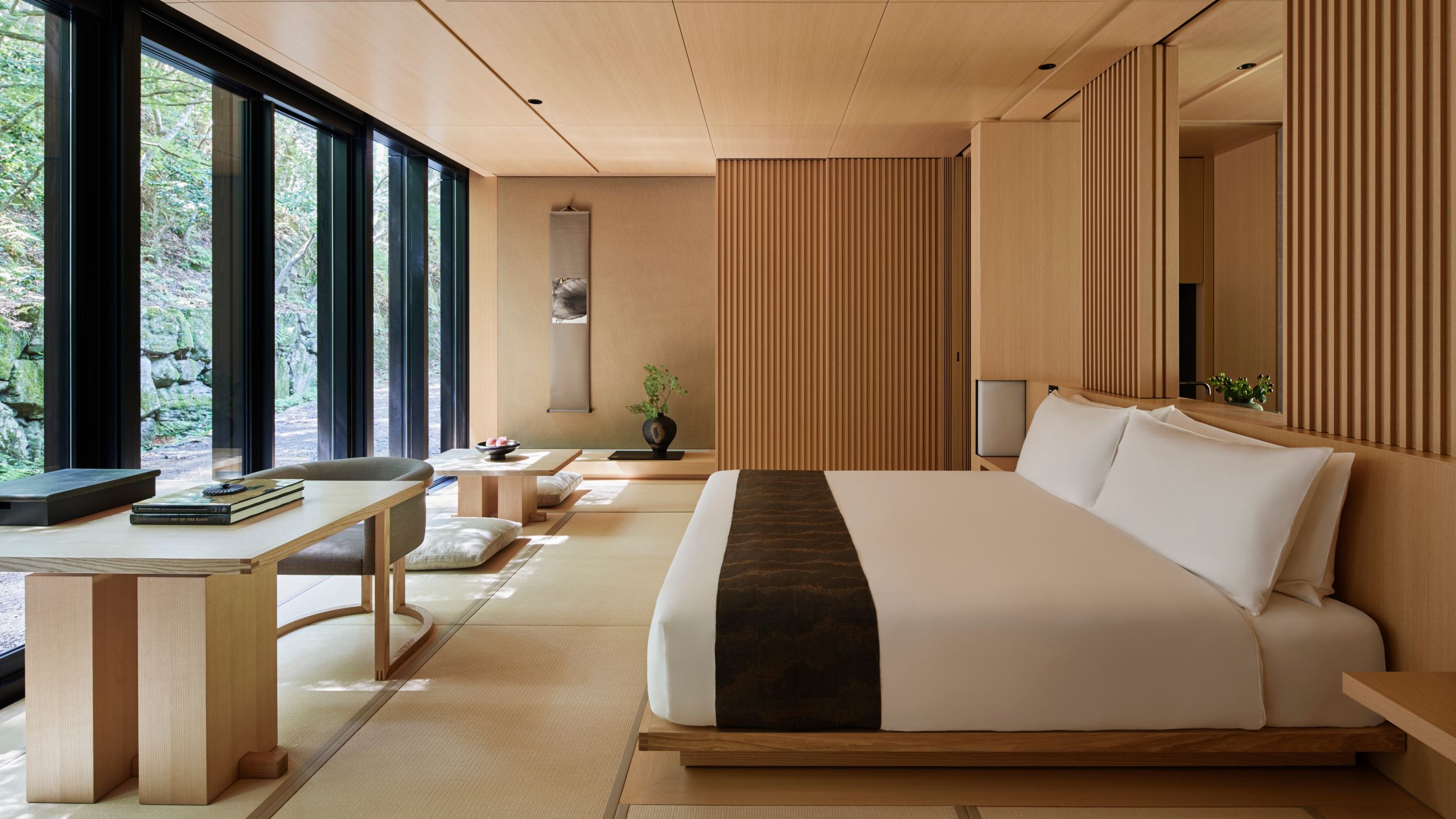
The international brands have arrived nonetheless, and they are excellent. Four Seasons Kyoto occupies a garden estate in Higashiyama, adjacent to the Ikeniwa Pond garden. The Ritz-Carlton Kyoto is on the Kamogawa River in Nakagyo. Aman Kyoto is hidden in a private forest above the Kinkaku-ji temple complex. The Mitsui Kyoto brings the Japanese department store group's aesthetic to a machiya-style property in the Nijo Castle neighbourhood.
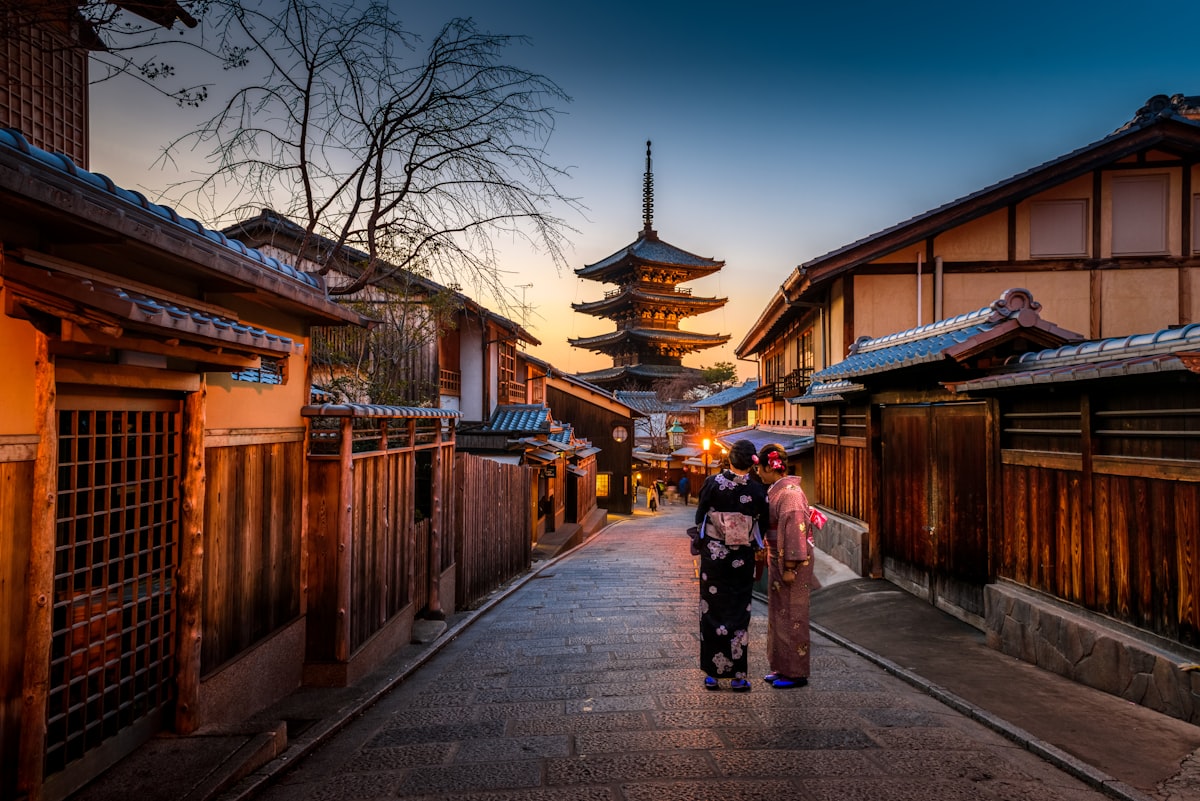
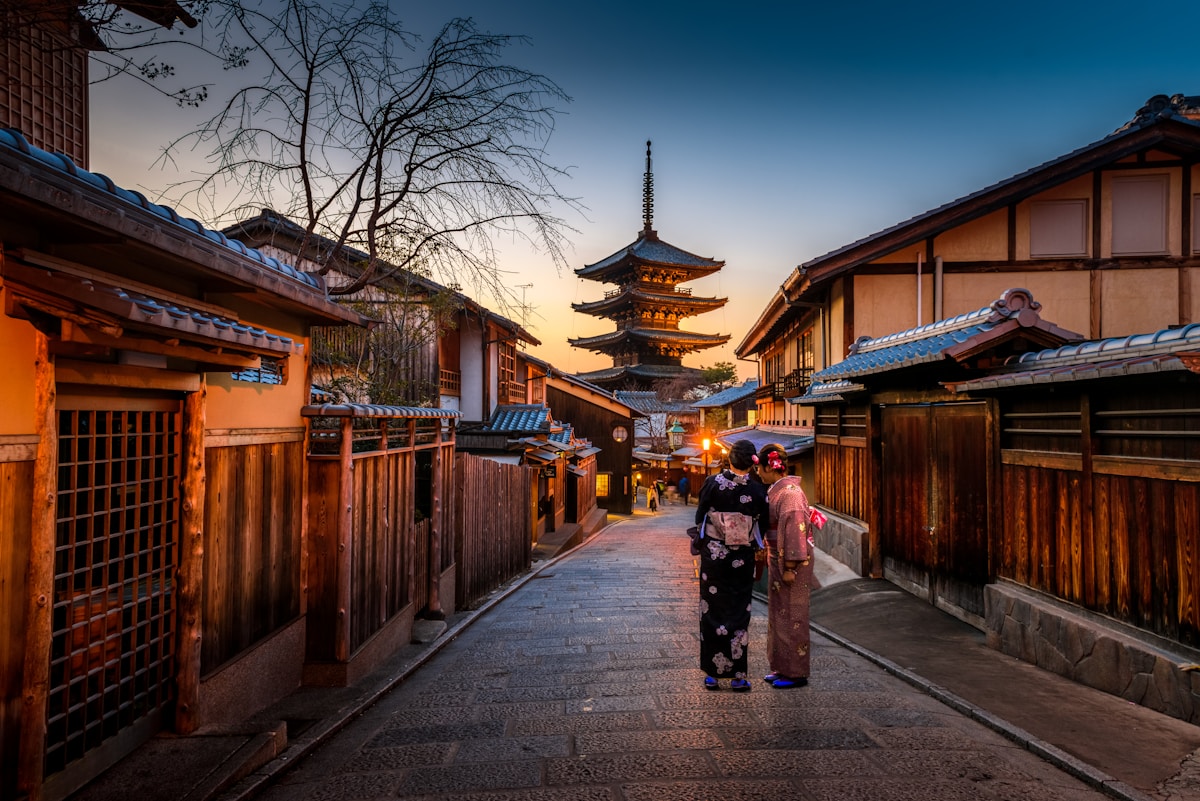
Kyoto's geography rewards walking. The Higashiyama district — Gion, Kiyomizudera, Nanzenji — is the most concentrated zone of temples, shrines, and traditional architecture in Japan. The best hotels are within walking distance of this corridor; the worst are in the business district near Kyoto Station, a 20-minute taxi ride from everything.
The city is most beautiful in cherry blossom season (late March–early April) and autumn foliage (mid-November). Both periods are among the most booked in all of Japan. The quietest and most atmospheric time to visit is February — cold, uncrowded, and occasionally dusted with snow.
Tawaraya is the most famous ryokan in Japan and one of the hardest to book. Reservations open six months in advance and fill within days. If Tawaraya is unavailable, Hiiragiya Honkan and Yoshida Sanso are the best alternatives in the same tier.
Aman Kyoto is the only hotel in the city that requires a 15-minute walk through a private forest to reach the main building. This is not a flaw — it is the point. Book the forest walk at dusk.
Kyoto's geisha districts (Gion, Pontocho) are best experienced on foot in the early evening. Most of the city's best restaurants are in these two neighbourhoods; book before you arrive.
The Fushimi Inari shrine (10,000 torii gates) is best visited at 5am or after 8pm. At any other time, the crowds make the experience significantly less powerful.
Cherry blossom (late March–April) and autumn foliage (November) are Kyoto's two defining seasons — extraordinary but extremely crowded and expensive. February is the hidden gem: cold, quiet, and occasionally snow-dusted. July–August is hot, humid, and best avoided.
For the most authentic Japanese hospitality experience, Tawaraya or Hiiragiya Honkan in the Nakagyo district are the definitive ryokan addresses — book six months in advance and commit to the full kaiseki dinner experience.
For the most architecturally extraordinary hotel, Aman Kyoto in the private forest above Kinkaku-ji is unlike anything else in Japan — a hidden sanctuary that requires a deliberate journey to reach.
For the best combination of international luxury standards and Kyoto location, Four Seasons Kyoto in Higashiyama places you within walking distance of the city's most important temples and shrines.
For the Kamogawa River and the Gion district, The Ritz-Carlton Kyoto is the most convenient base — the river view rooms are among the most serene in the city.