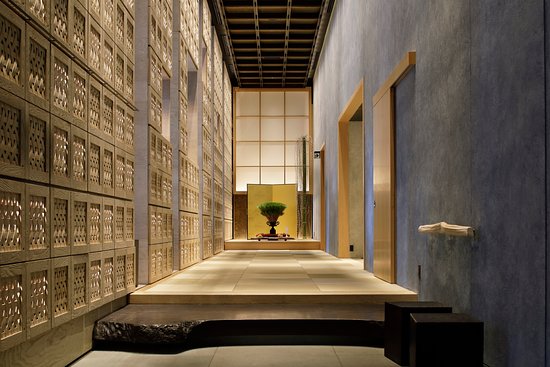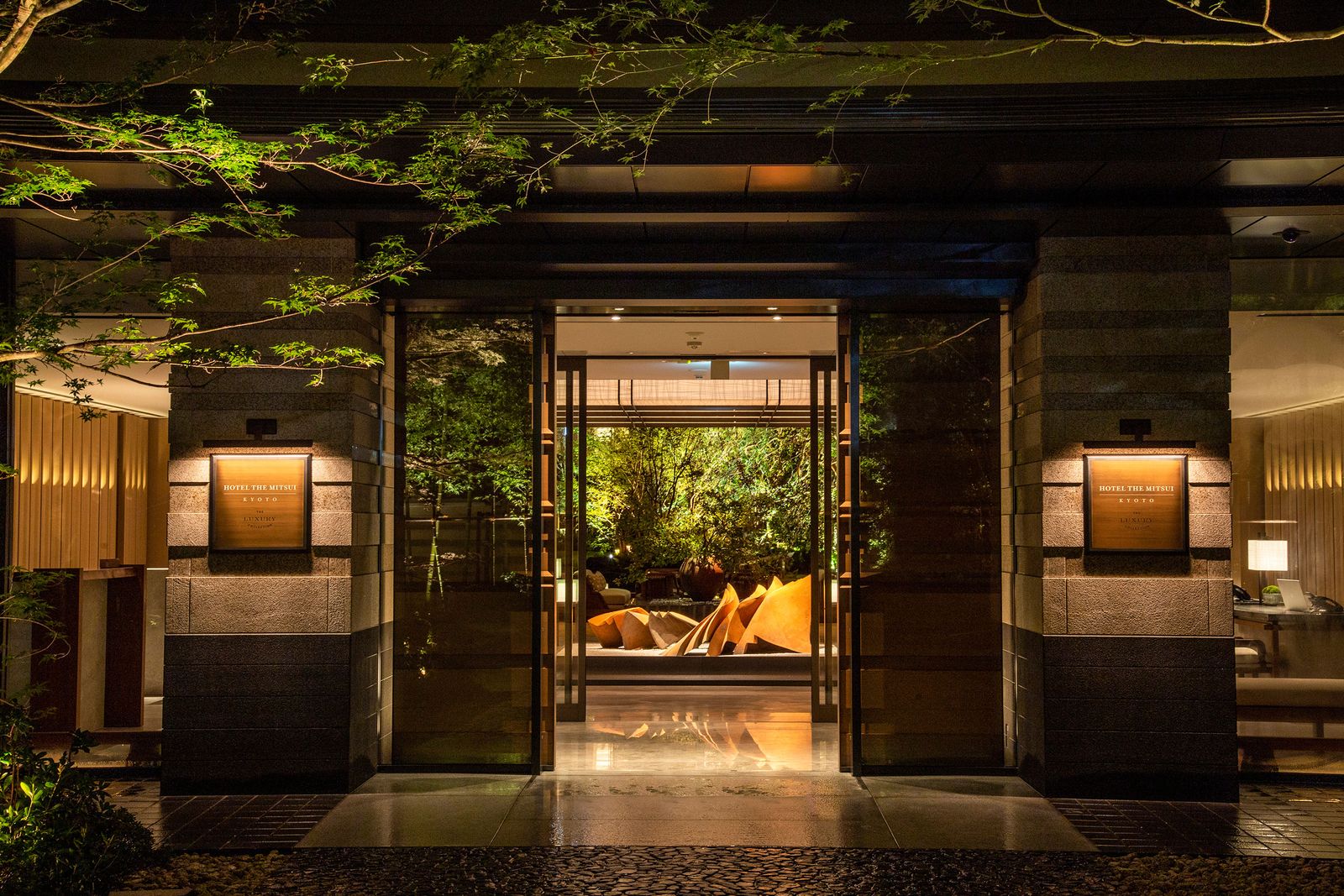
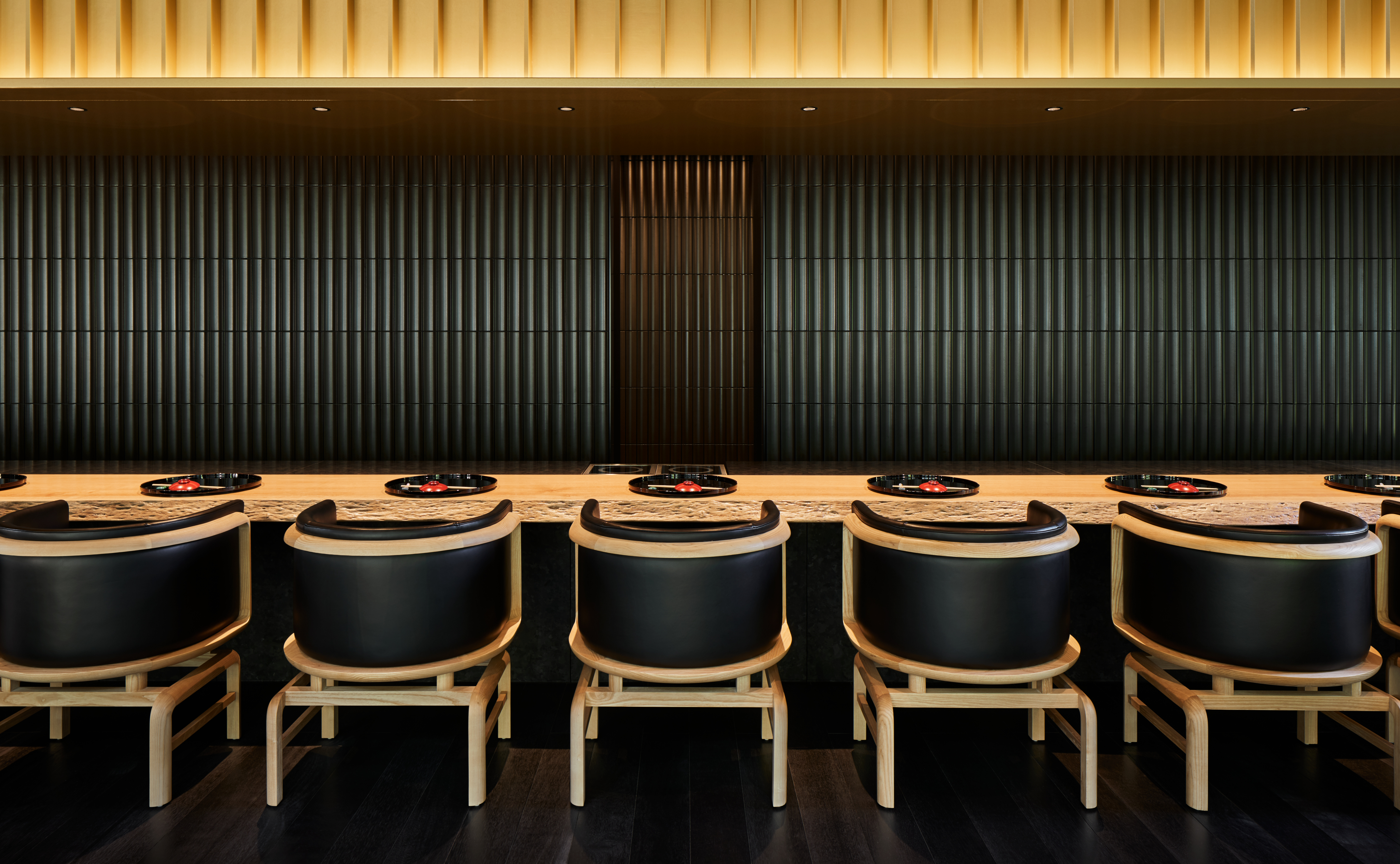
Kyoto is a city of subtle beauty: the soft shadow of a shoji screen, the flicker of lantern light across a temple roof, the rustle of bamboo in the evening breeze. Its finest hotels mirror this quiet sophistication, framing the city's heritage and natural elegance through carefully considered architecture, light, and materiality. These are not simply places to sleep — they are immersive experiences, each telling its own story of Kyoto's past, present, and design-forward future.
How to choose your Kyoto design hotel
The seven hotels below split into three sensibilities. The forested retreats — Aman Kyoto, Shinsho-an — work for travellers prioritising silence and seasonal landscape; allow at least two nights and rent a private car for the journey. The historic-quarter design hotels — The Shinmonzen in Gion, Hotel Kanra near Kyoto Station, Park Hyatt above Higashiyama — are best for first-time visitors who want to walk to temples, markets, and dinner. The contemporary urban hotels — Ace Hotel Kyoto and MOGANA — suit return travellers and design pilgrims; both reward several days of slow exploration and have the city's best independent bars and bookstores within five minutes' walk. All seven prefer guests who arrive without rigid itineraries; the architecture only fully reveals itself to people who stay long enough to watch the light move.
Aman Kyoto — Forest sanctuary of light and silence
Aman Kyoto is for travellers seeking ultimate privacy, timeless design, and an immersive connection to Kyoto's landscape — the most restorative property in the country if you are willing to commit to the forest.
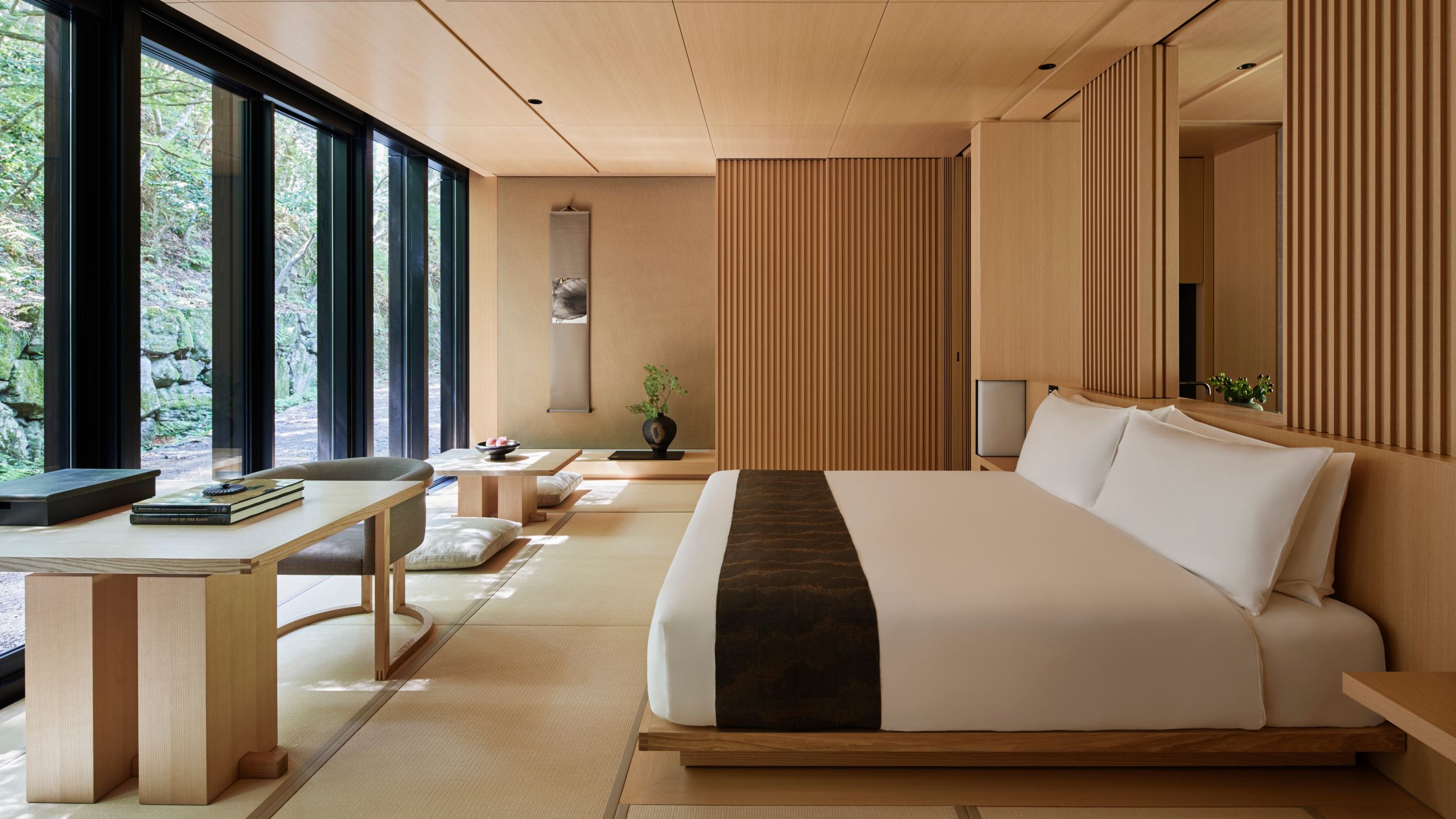
Hidden at the foot of Mount Hidari Daimonji, Aman Kyoto is a meditative retreat where architecture dissolves into nature. Pavilions of hinoki, granite, and glass rest lightly among moss-carpeted gardens and towering pines — a secluded resort that feels discovered rather than built. Architect Kerry Hill blurred interior and exterior at every move, framing the forest and the seasonal changes through floor-to-ceiling windows and wide horizontal eaves.
Rooms are spacious retreats with deep cedar baths and pared-back interiors that defer entirely to the trees outside. Light moves across surfaces in a controlled, poetic rhythm. Dining at Taka-an is intimate and seasonal, and the onsen lets guests soak beneath the pines, merging Kyoto's cultural elegance with natural serenity.
Book it ifYou want absolute silence, want to feel the four seasons through the architecture, and are willing to commute thirty minutes to the city centre. Couples and solo travellers benefit most.
Powered by Booking.com
The Shinmonzen — Tadao Ando along the Shirakawa
The Shinmonzen is ideal for travellers seeking a quiet, artful retreat in the heart of Gion, where design and serenity converge seamlessly — and the smallest design-led hotel currently operating in Kyoto.
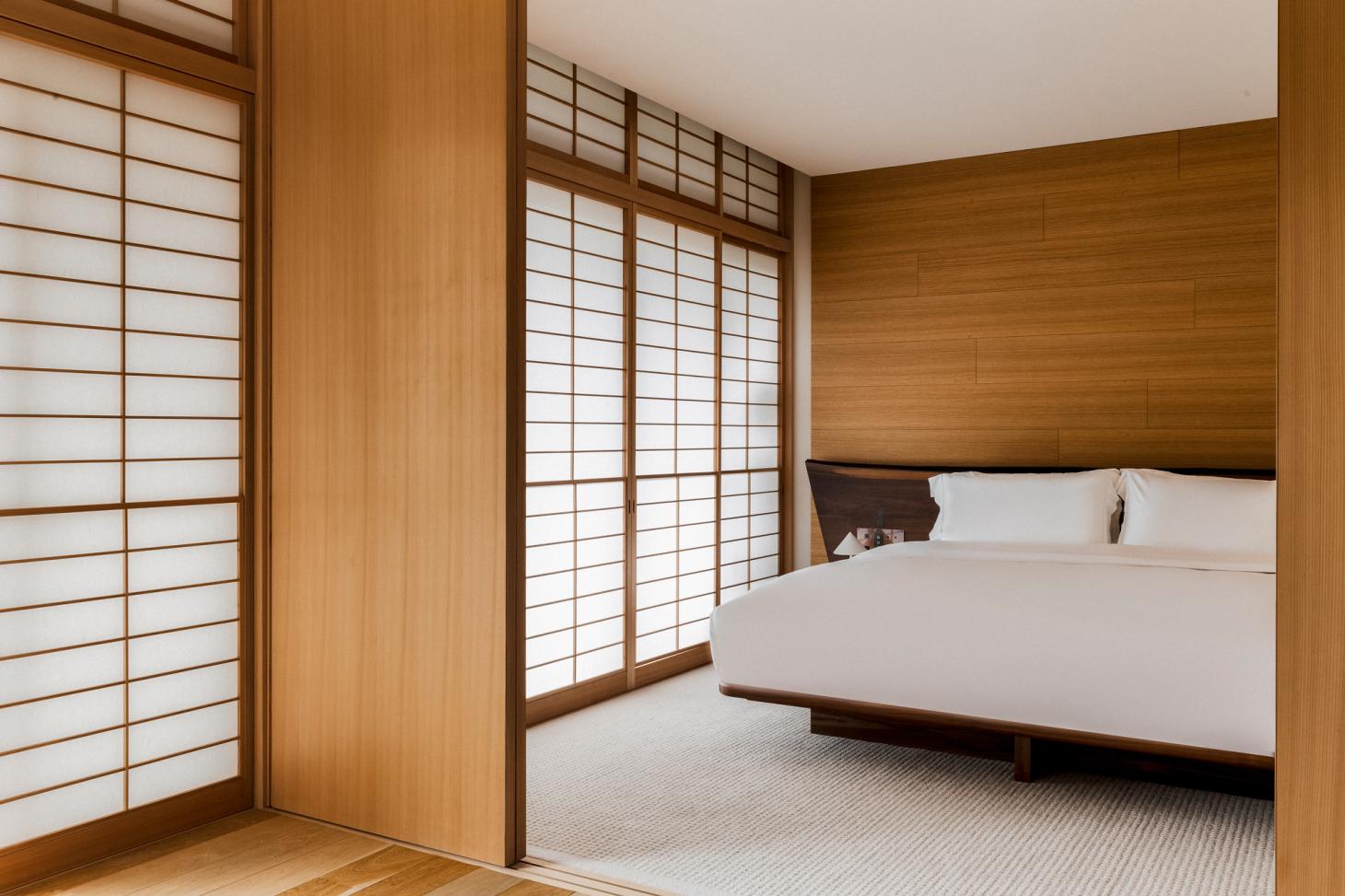
The Shinmonzen offers a sculptural, design-forward approach to Kyoto hospitality. Concrete, timber, and handwoven textiles are paired with curated artworks by Wim Wenders and Damien Hirst, creating spaces that feel like private galleries tucked along the Shirakawa River. Every detail, from sliding shōji screens to subtle lighting, is carefully considered to enhance a sense of calm and intimacy.
Nine suites are sized like full apartments and dressed in Pierre Yovanovitch furniture; sliding shōji open onto the river or a private garden. Evenings unfold with quiet contemplation, while Restaurant Jean-Georges takes the ground floor — sixteen seats, one of Kyoto's quietest tables.
Book it ifYou want concrete-poetry architecture, museum-grade art on the walls, and a Gion address you can walk to dinner from. First-time Kyoto visitors who can stretch to the rate.
Powered by Booking.com
Shinsho-an — Meditative craft and quiet luxury
Shinsho-an is best suited for travellers who value craftsmanship, privacy, and the quiet poetry of Kyoto's cultural heritage — and who want a property that has no website-style bookable inventory and only eight guests at a time.
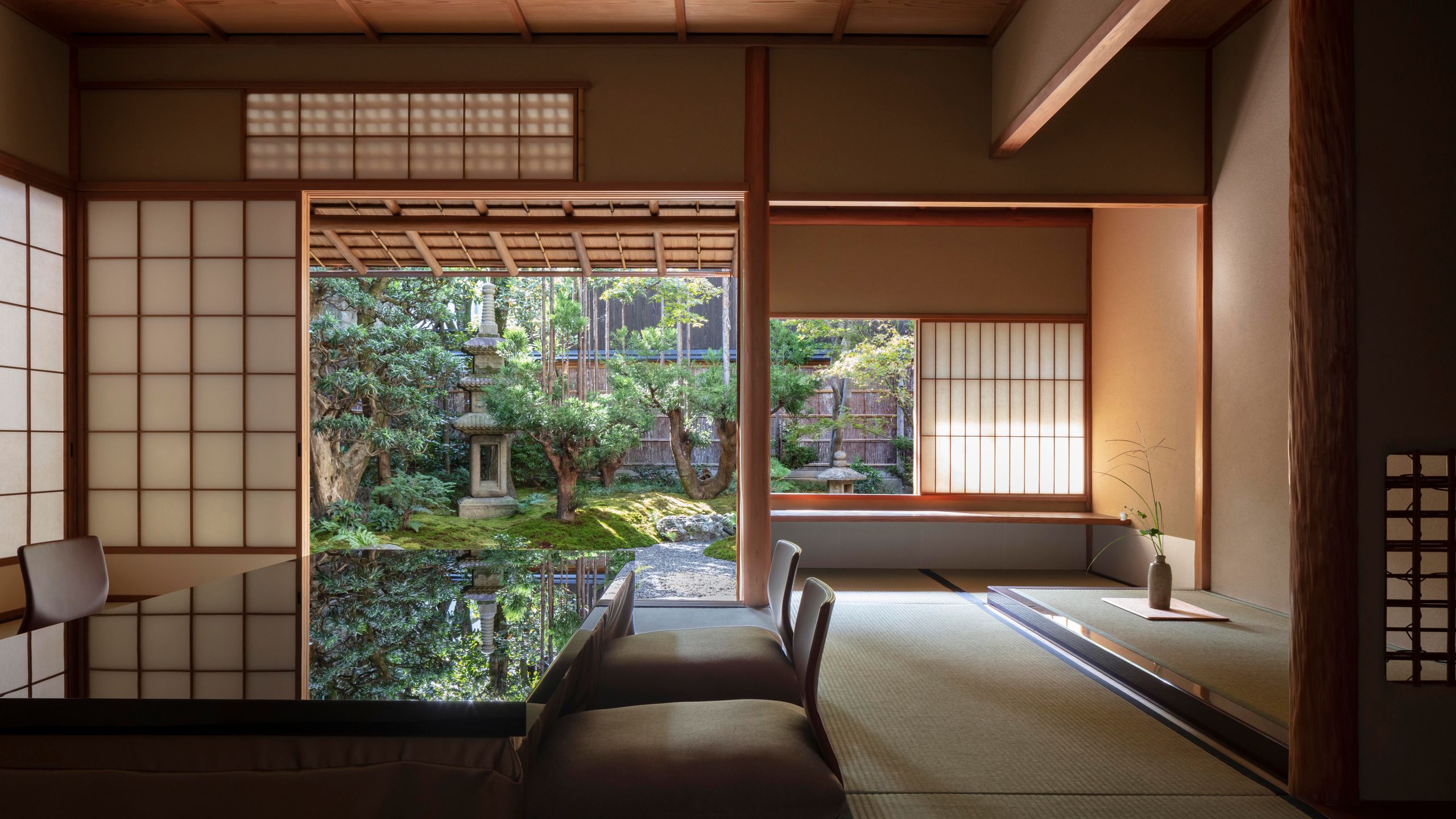
Shinsho-an is a handcrafted hideaway where natural timber, tatami, and plaster walls create an understated, harmonious interior. The design encourages stillness, with every joinery detail and sliding screen executed with precision by Nakamura Sotoji Komuten, the firm that has built Kyoto's most refined sukiya-style architecture since 1908. Gardens outside frame views like living paintings, changing subtly with the seasons.
Four suites feel private and contemplative — spaces for meditation, reflection, and immersion in traditional Kyoto aesthetics. Meals follow kaiseki principles, served in intimate, lacquered settings that echo the simplicity and elegance of the architecture. There is no signage at the gate. One host is dedicated per suite.
Book it ifYou want the most rarefied, most invisible stay in Kyoto. Honeymooners and design-pilgrim couples who can pay for craft.
Powered by Official Site
Park Hyatt Kyoto — Contemporary serenity above Higashiyama
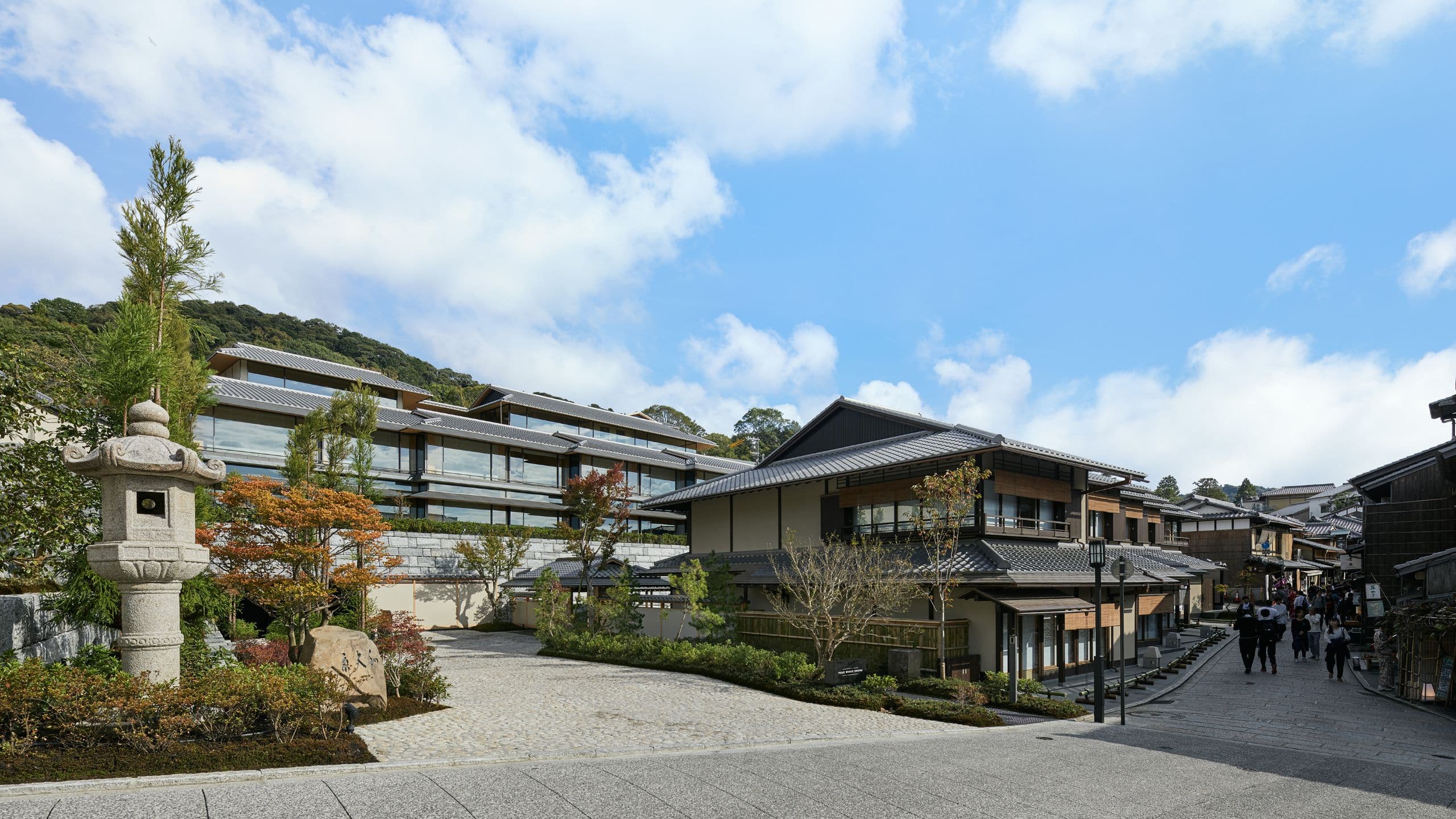
Park Hyatt Kyoto suits travellers who desire modern luxury balanced with architectural sensitivity and quiet sophistication — the most location-rich design hotel in the city.
Park Hyatt Kyoto sits above Higashiyama's historic rooftops, blending cedar, granite, and glass to integrate seamlessly with the hillside landscape. Its interiors reinterpret machiya elements with contemporary clarity, producing an atmosphere that is both refined and understated.
Rooms are spacious, minimal, and layered with subtle references to local craftsmanship. Natural light flows through large windows, highlighting courtyards and gardens that create a serene urban sanctuary. Dining emphasises seasonal Japanese cuisine, harmonising architecture and culinary experience.
Book it ifYou want to walk to Kyoto's east-side temples in five minutes, prefer corporate-luxury reliability over boutique-quirk, and value a great spa and hilltop bar.
Powered by Booking.com
Ace Hotel Kyoto — Playful modernity in the Shinpukan
Ace Hotel Kyoto appeals to design-conscious travellers seeking a modern, lively interpretation of Kyoto's aesthetic traditions — the hotel that put Kyoto on the contemporary-design map.
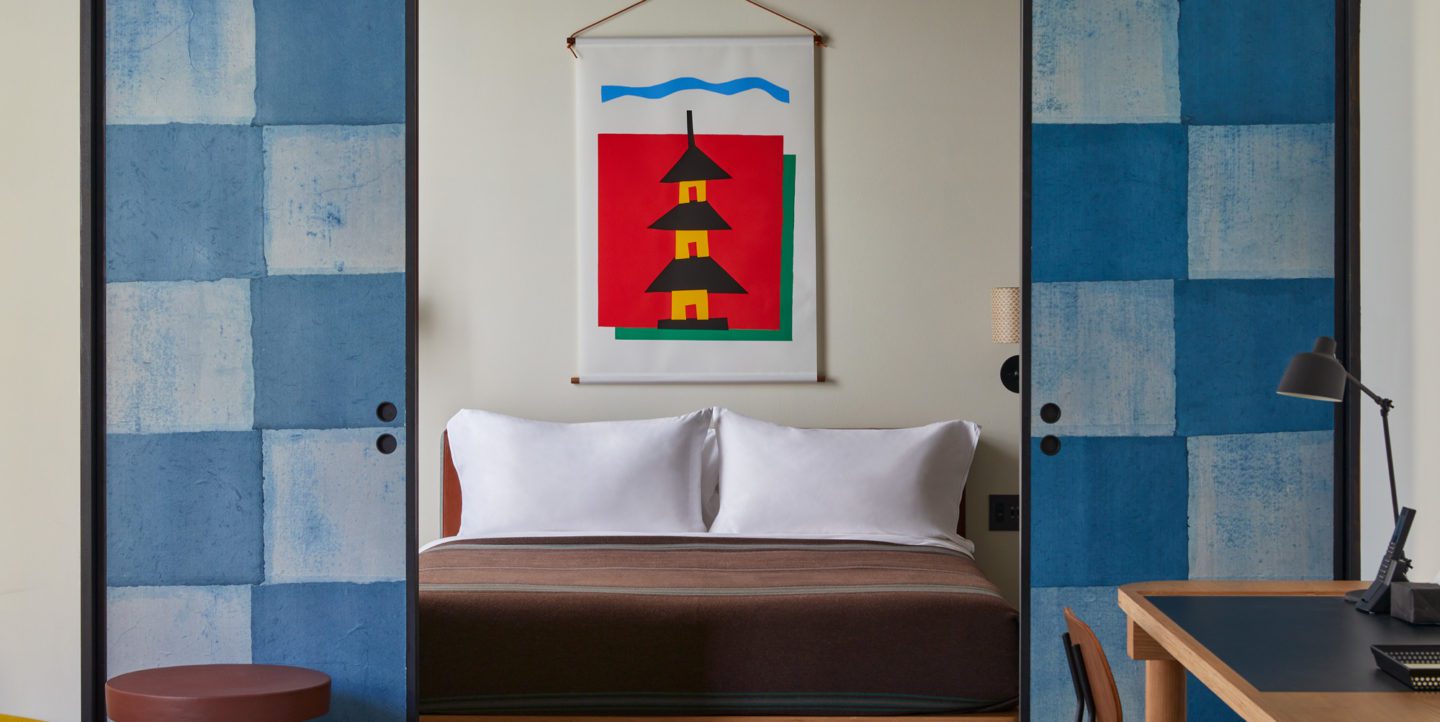
Ace Hotel Kyoto injects energy and creativity into a city known for quiet elegance. The 1926 Shinpukan post office was remodelled by Kengo Kuma's office in collaboration with Los Angeles studio Commune; the result is interiors that are clean and minimal yet playful, featuring natural materials, curated art by Samiro Yunoki, and subtle nods to local crafts.
Public spaces encourage interaction and creative exploration while maintaining a sense of calm. Guest rooms combine modern furniture, handwoven indigo throws by Kasuri masters, and thoughtful details, providing a comfortable and aesthetically cohesive retreat. Light, shadow, and materiality are orchestrated to create a dynamic yet restful environment.
Book it ifYou want the city's best design-hotel social scene, walking distance to Nishiki Market, and a record-store-and-coffee morning routine.
Powered by Booking.com
Hotel Kanra Kyoto — Minimalist ryokan in the city centre
Kanra is ideal for travellers seeking accessible, design-led accommodation that respects Kyoto's architectural heritage — the city's best price-to-craft ratio.
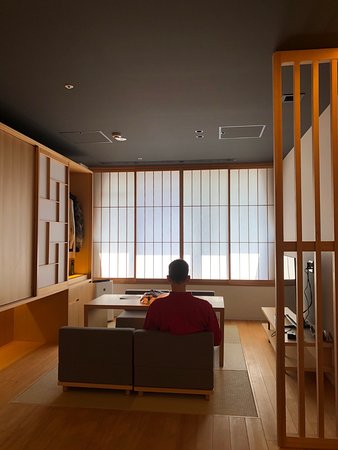
Hotel Kanra Kyoto emphasises clarity, calm, and material honesty. Interiors showcase timber, stone, and washi while preserving the quiet rhythm of a ryokan. Rooms feature tatami accents, hinoki-wood bathtubs, and soft lighting, creating a slow, reflective pace.
Public areas are understated yet warm, encouraging relaxed movement through the property. The location near Kyoto Station provides city convenience without sacrificing intimacy. Dining is thoughtfully curated by chef Naoyuki Yamamoto, maintaining the hotel's dedication to simplicity and craft.
Book it ifYou want machiya-style design, an in-room hinoki bath, and a five-minute walk to Kyoto Station's bullet trains. First-time Japan travellers and design-curious return visitors alike.
Powered by Booking.com
MOGANA — Sleek minimalism for the modern aesthete
MOGANA is not about tradition — it's about purity, modern restraint, and a sense of curated calm in the heart of the city.
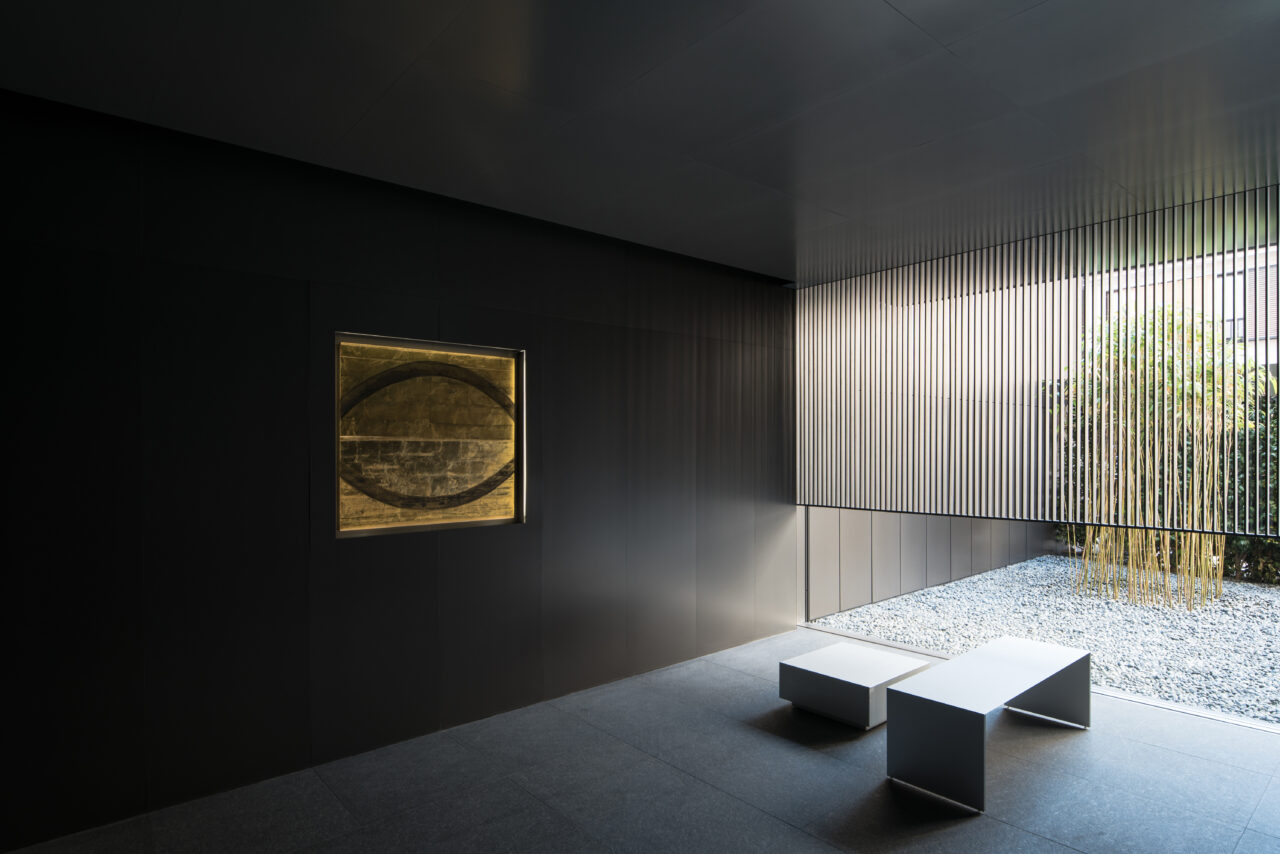
For travellers drawn to modern design rather than heritage architecture, MOGANA offers a striking contrast to Kyoto's traditional inns. Designed by Tokyo studio Tonerico, its sleek, linear façade and minimal interiors create an urban retreat defined by shadow, geometry, and silence — Tanizaki's praise of shadow taken as design brief.
Light is used architecturally, filtered through long vertical slats or bouncing off stone and metal surfaces in controlled ways. Rooms feature crisp bedding, refined furniture, and thoughtful touches rather than decorative excess. Communal spaces are minimal — a single library, a sento-style bath fed from underground spring water, an eight-seat omakase counter. The result is a restful, distraction-free space that appeals to architecture fans and travellers who appreciate contemporary Japanese aesthetics.
Book it ifYou read Tanizaki on shadow, want zero traditional ryokan signifiers, and are after the most contemporary stay in central Kyoto.
Powered by Booking.com
Our verdict
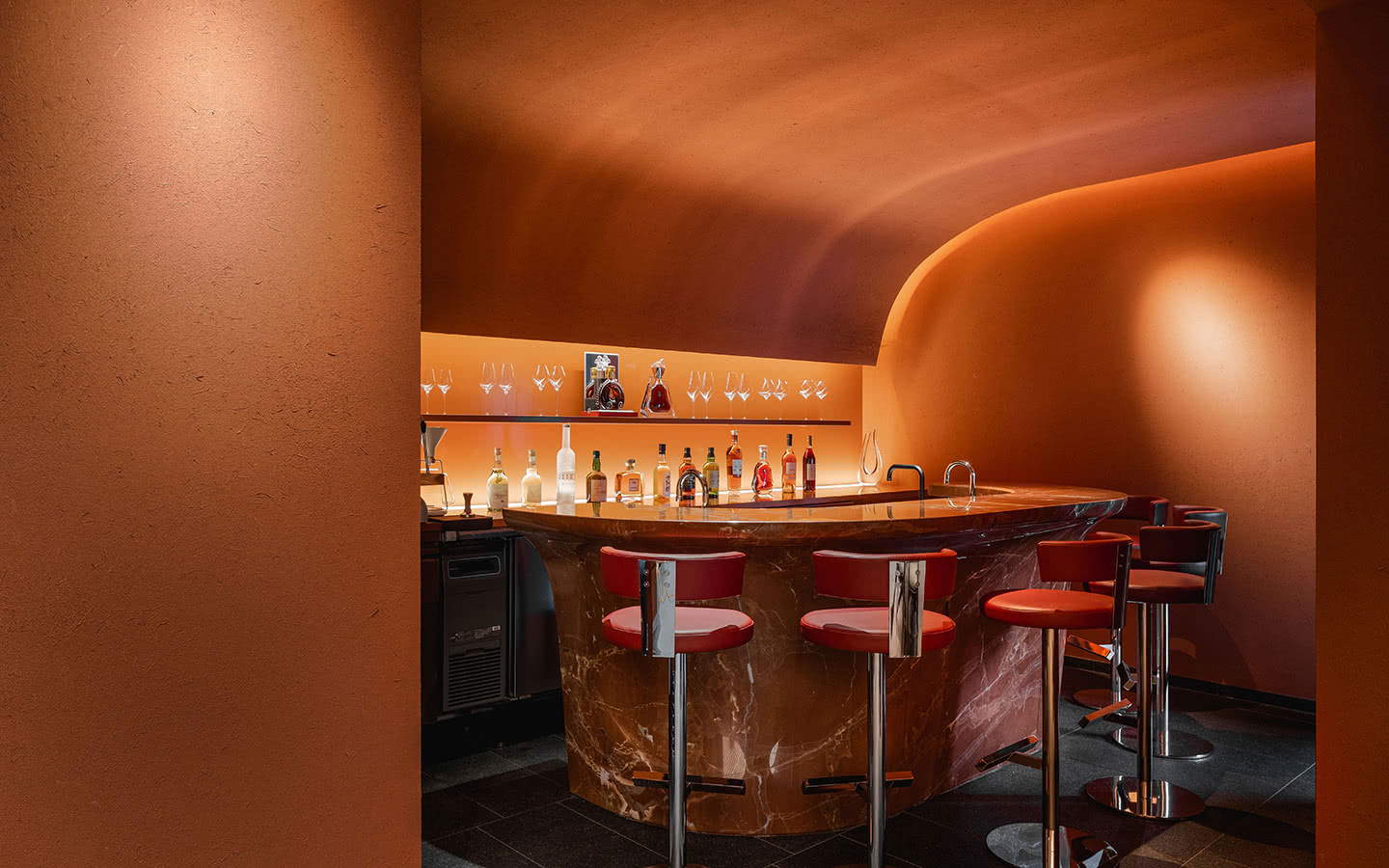
From the forested serenity of Aman Kyoto to the intimate artistry of Shinsho-an, from the contemporary elegance of The Shinmonzen to the minimalist urban clarity of MOGANA, each of these hotels offers a distinct lens on Kyoto's aesthetic soul. They transform the act of staying overnight into an architectural journey: spaces are curated for reflection, light, and texture, while every material, surface, and detail tells a story.
Choosing one of these hotels is not simply about comfort; it is about inhabiting Kyoto in a way that heightens perception, slows time, and allows the city's subtle beauty to unfold. In their quiet refinement, these design-led hotels offer more than lodging — they offer an encounter with Kyoto itself, where every night and every morning becomes part of a thoughtfully framed, unforgettable experience.
Our editors travel extensively to verify every recommendation. All hotel reviews are independent — we accept no payment for editorial coverage.