Destinations · 12 min
Omotenashi at its finest
Tokyo is the world's most consistently excellent hotel city. The concept of omotenashi — wholehearted hospitality that anticipates needs before they are expressed — is not a marketing phrase here but a genuine cultural practice, embedded in every interaction from the front desk to the turn-down service. Even mid-range Tokyo hotels achieve service standards that surpass luxury competitors in most other cities.
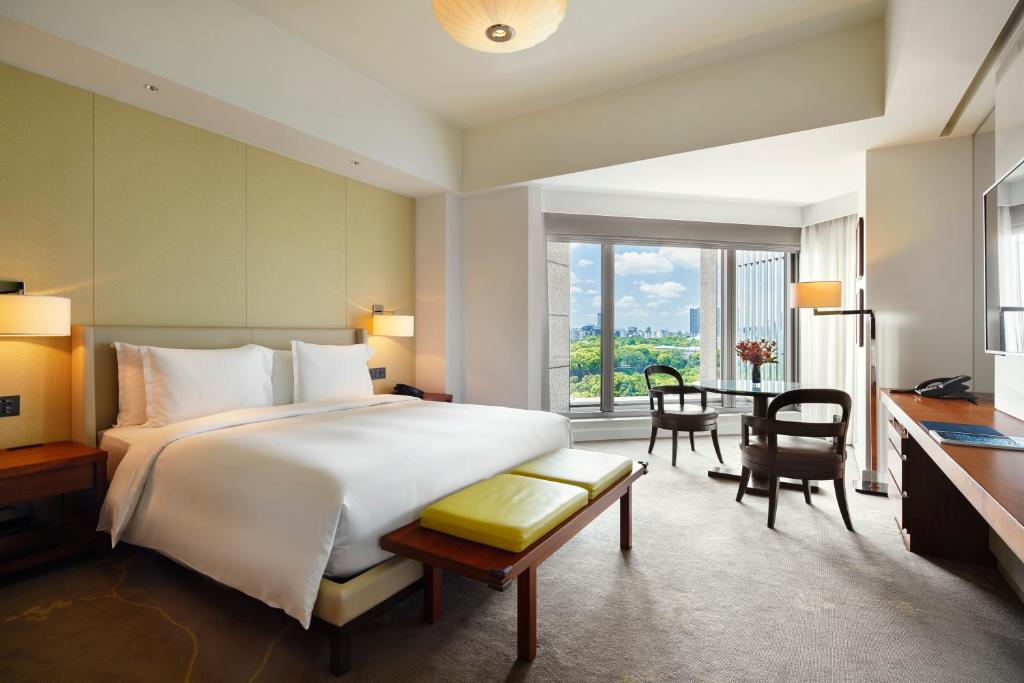
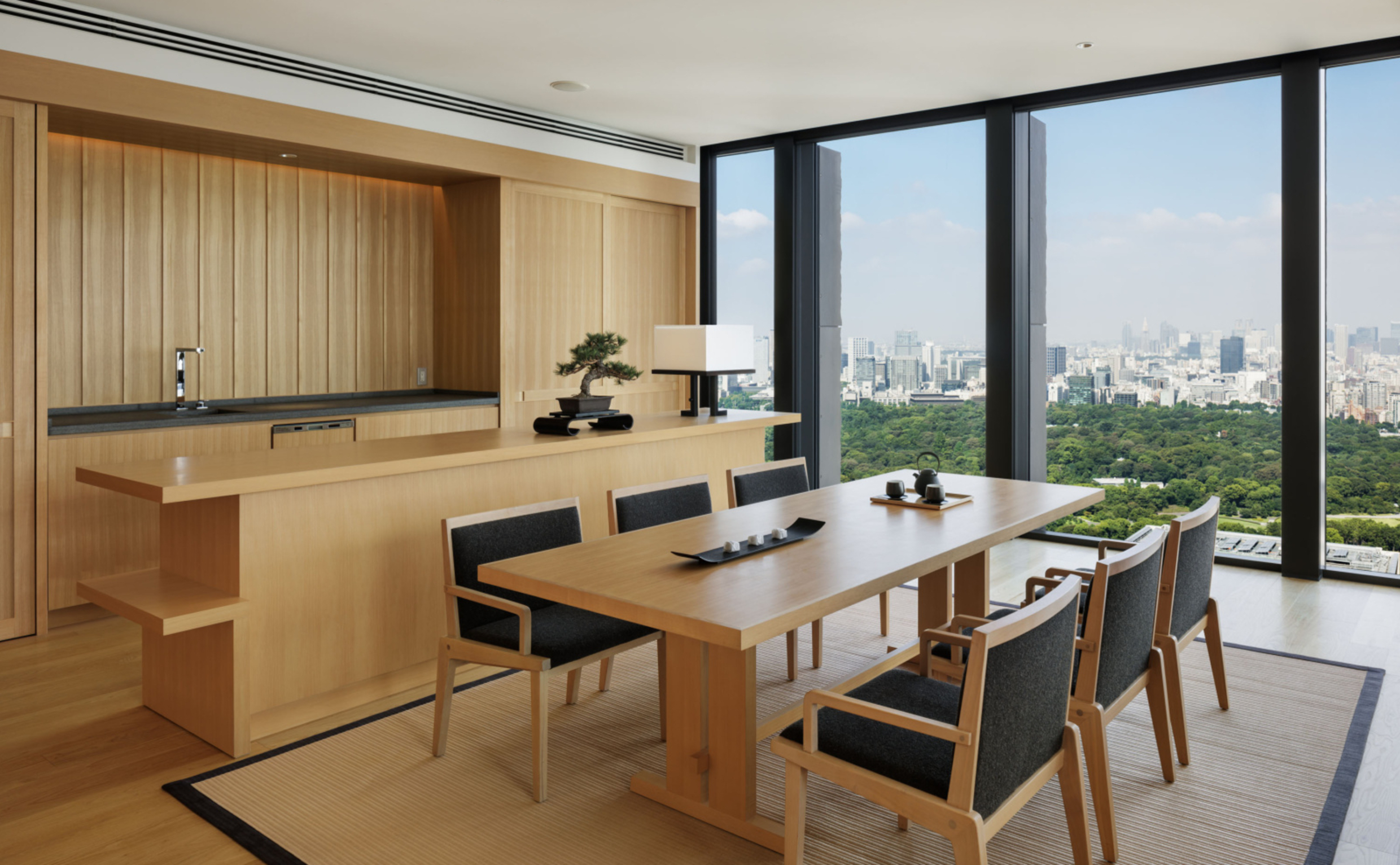
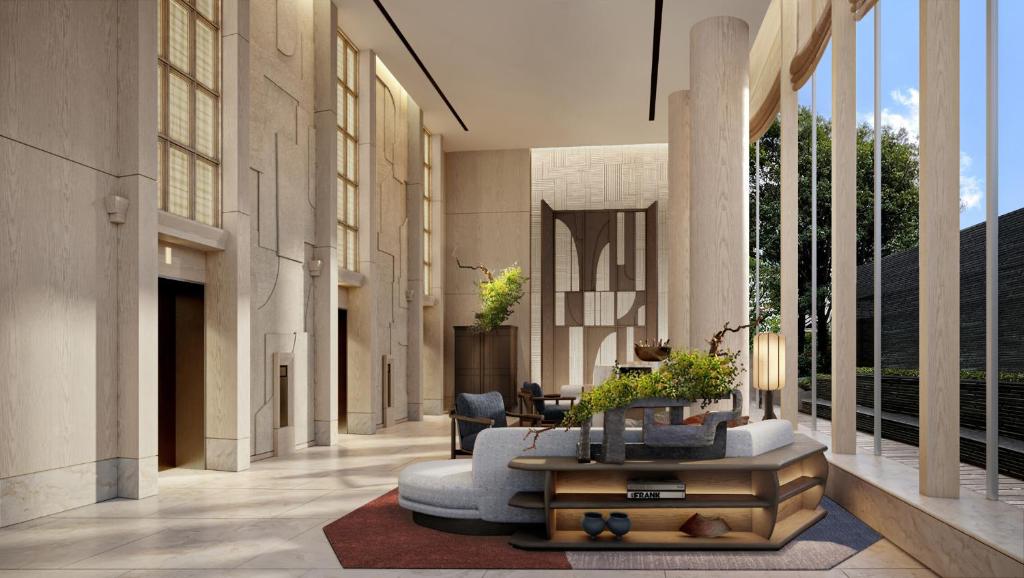
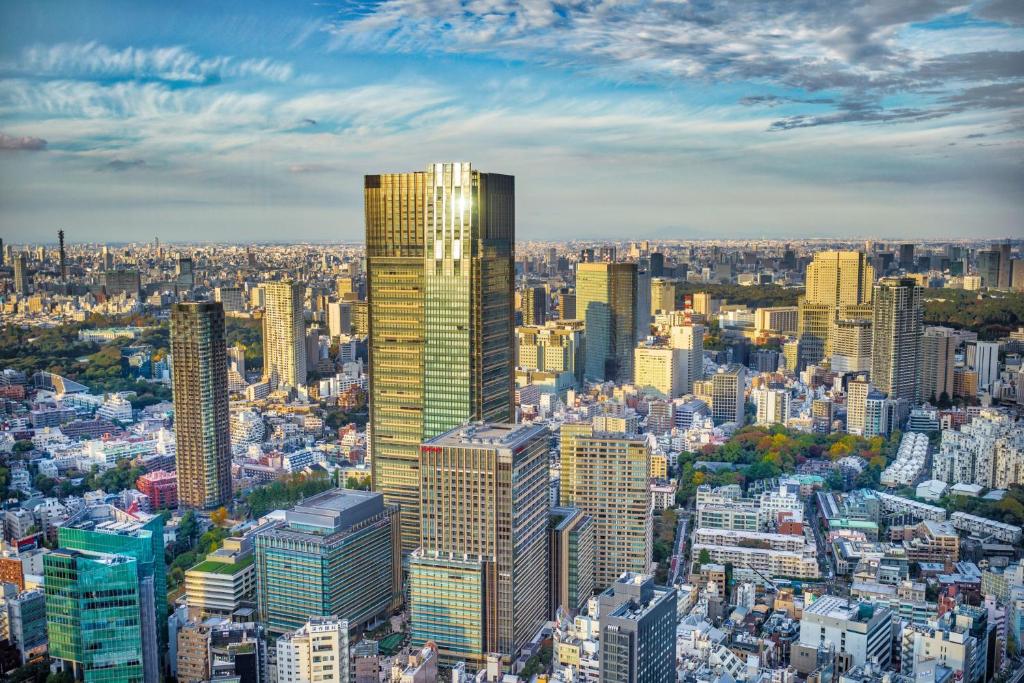
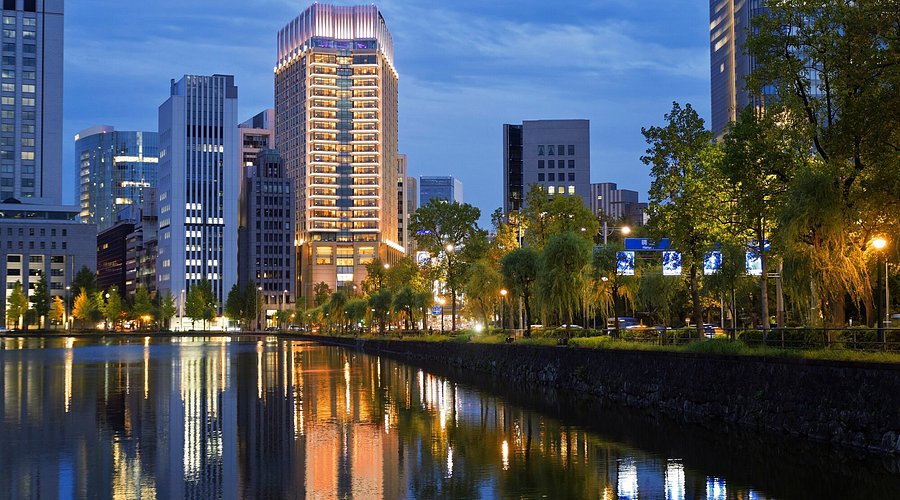
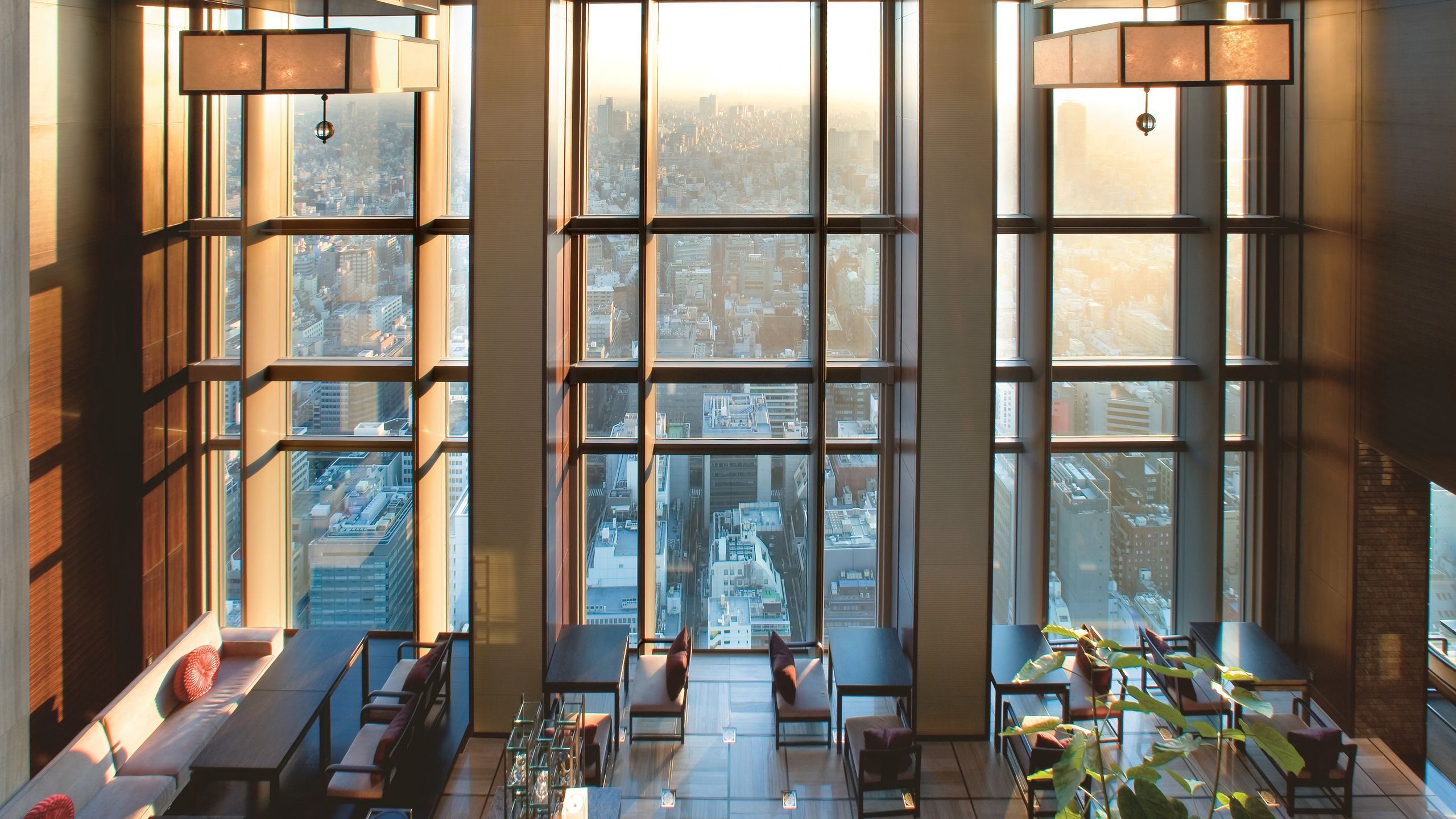
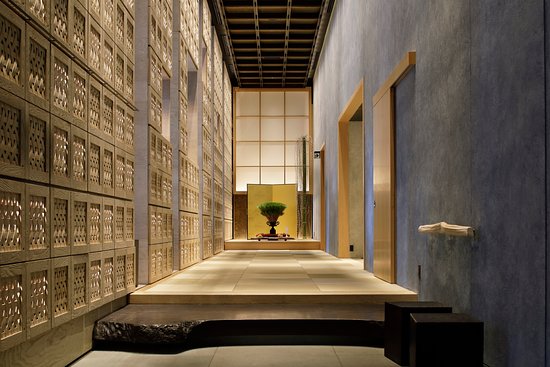
The top tier is extraordinary. Aman Tokyo occupies the upper six floors of the Otemachi Tower, its lobby a soaring Japanese lantern of washi paper and stone. The Peninsula Tokyo commands the corner of Hibiya Park and the Imperial Palace moat. Mandarin Oriental Tokyo is 38 floors above Nihonbashi. Bulgari Tokyo opened in 2023 in the Midtown Yaesu Tower. Park Hyatt Tokyo, made famous by Lost in Translation, remains the most atmospheric address in the city.
Tokyo has more Michelin stars than any other city on earth — more than Paris, New York, and London combined. Many of its greatest restaurants are inside its hotels, but the broader dining landscape is so extraordinary that the hotel's restaurant is almost secondary. The city's greatest luxury is not its hotels but the access they provide to the world's most concentrated fine-dining scene.
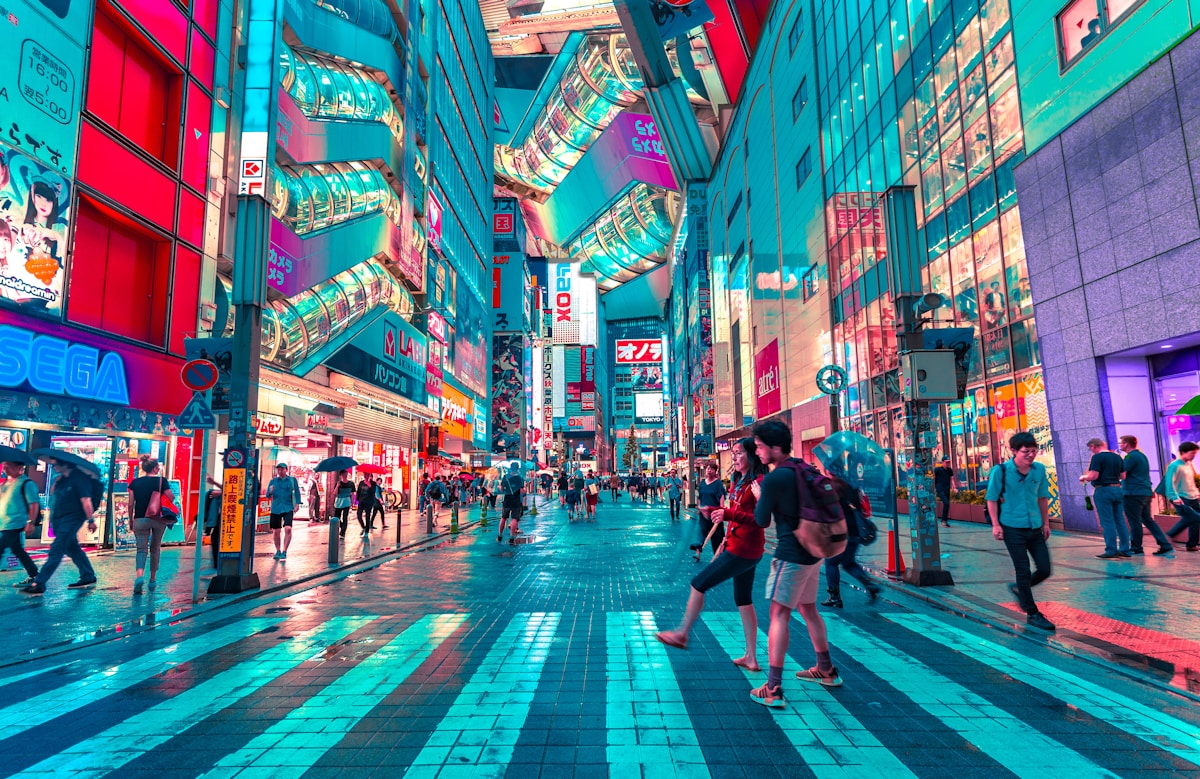
The city's rail network is the great equaliser. Every major hotel is within 20 minutes of every major attraction, restaurant, and business district. Location matters less in Tokyo than in almost any other world city — what matters is the hotel itself.
Cherry blossom season (late March–early April) and autumn foliage (mid-November) are Tokyo's most beautiful periods and its most booked. Hotels fill 6–8 months in advance for these windows; book as early as possible.
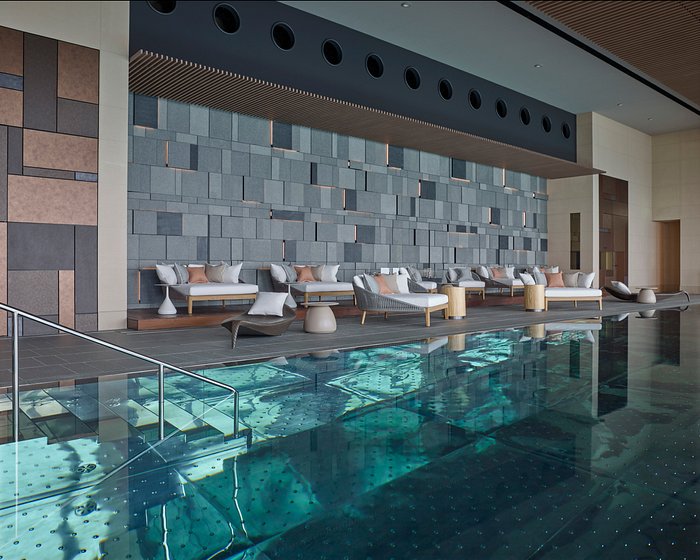
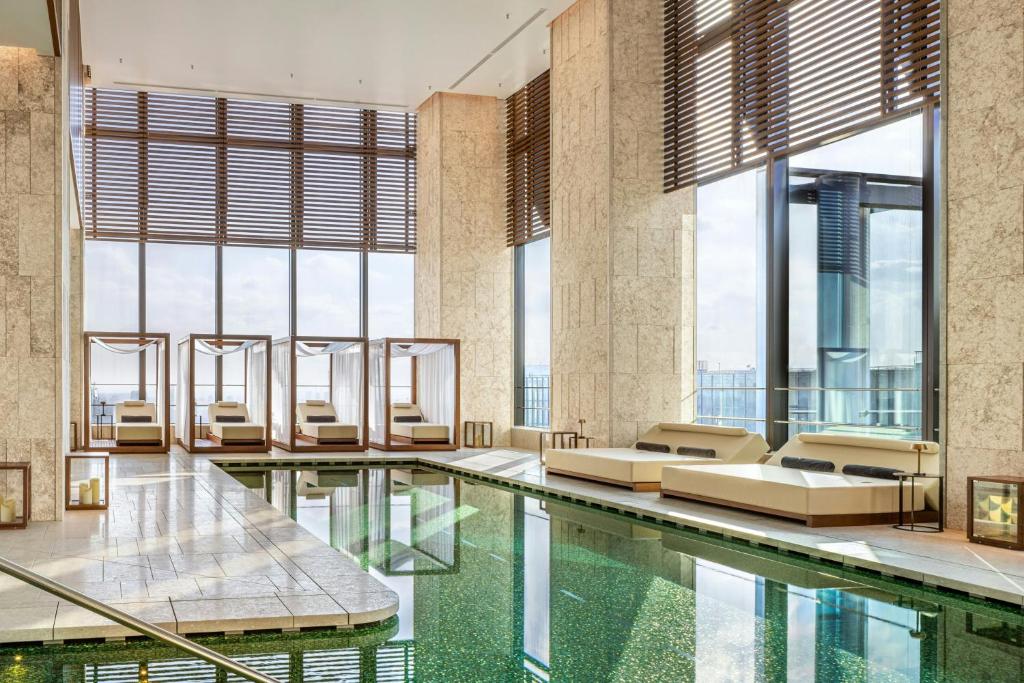
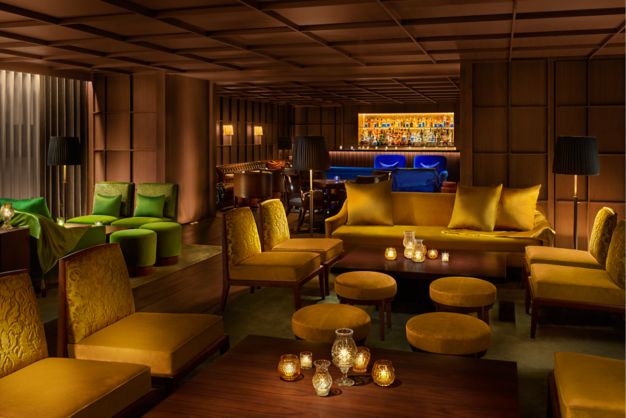
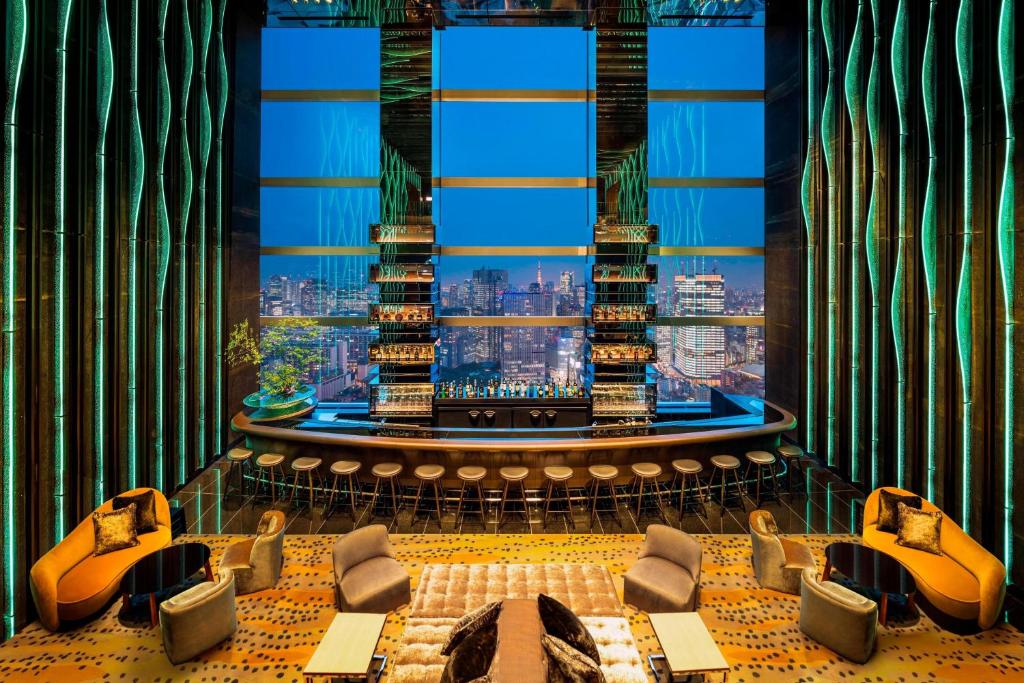
Aman Tokyo's spa and the Park Hyatt's New York Bar are both accessible without a room reservation. The New York Bar requires a music charge after 8pm — worth it for the view.
Tokyo's hotel breakfast is a serious affair. The Peninsula Tokyo's breakfast buffet and Aman Tokyo's Japanese breakfast set are both among the best hotel breakfasts in Asia. Budget 90 minutes.
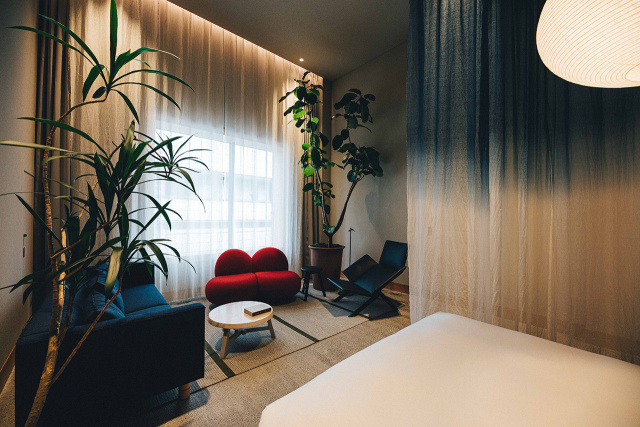
Hoshinoya Tokyo is the only traditional ryokan experience available in central Tokyo — tatami floors, onsen on the roof, kaiseki breakfast. It is the most culturally immersive hotel in the city.
March–April (cherry blossom) and October–November (autumn foliage) are Tokyo's two peak seasons — spectacular but expensive and crowded. May, June, September and December are excellent shoulder months with better availability. July and August are hot, humid, and best avoided unless attending a specific event.
For the most architecturally extraordinary Tokyo hotel, Aman Tokyo in Otemachi is unmatched — a soaring Japanese lantern above the financial district, with the best spa in the city.
For the most atmospheric and culturally resonant address, Park Hyatt Tokyo in Shinjuku remains the definitive choice — the Lost in Translation hotel, with the New York Bar and the best city view in Tokyo.
For the full Peninsula experience — the most attentive service, the best location (Hibiya Park, Imperial Palace moat), and the most complete hotel offering — The Peninsula Tokyo is the city's most well-rounded luxury address.
For a genuinely Japanese hotel experience, Hoshinoya Tokyo (tatami rooms, rooftop onsen, kaiseki meals) or The Mitsui Kyoto-style ryokan aesthetic offer something no international brand can replicate.