Wellness · 8 min
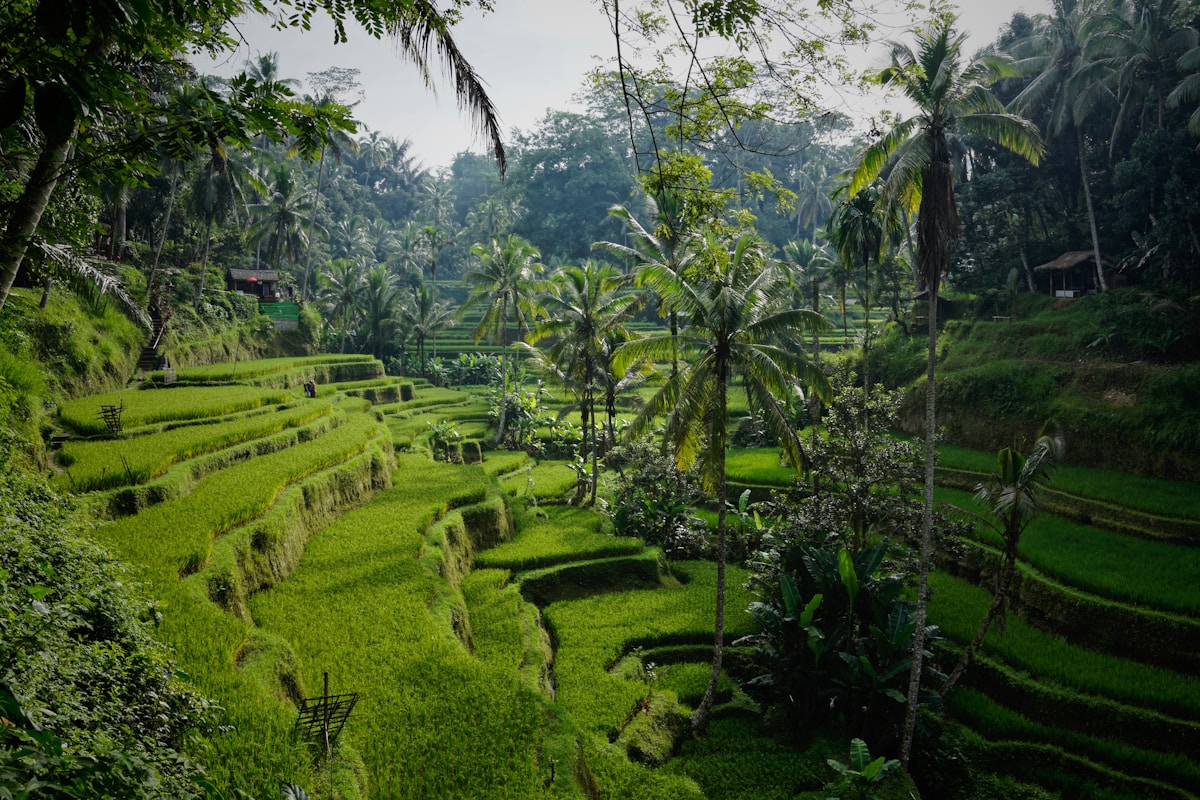
Rice terraces & spiritual heart
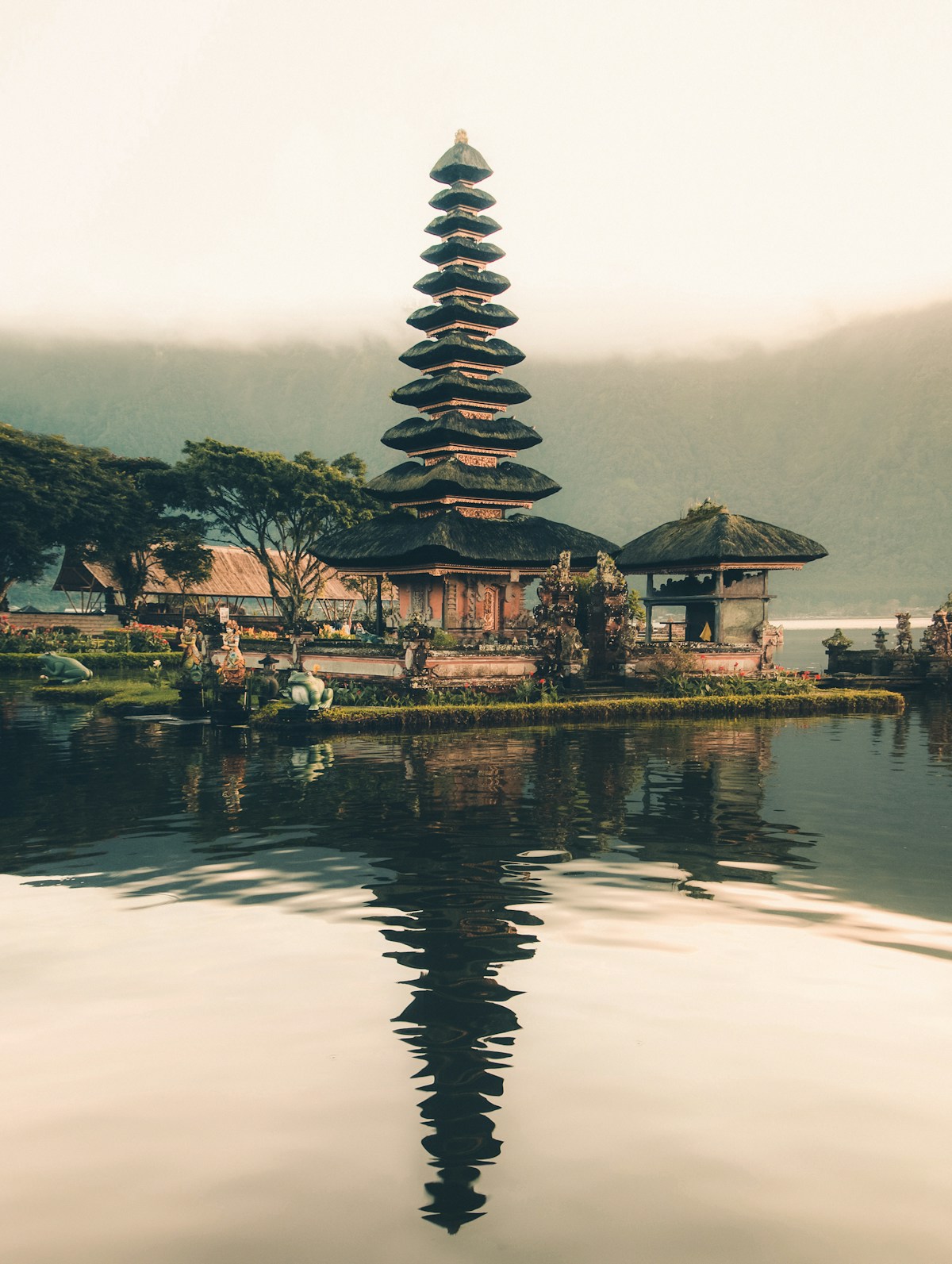
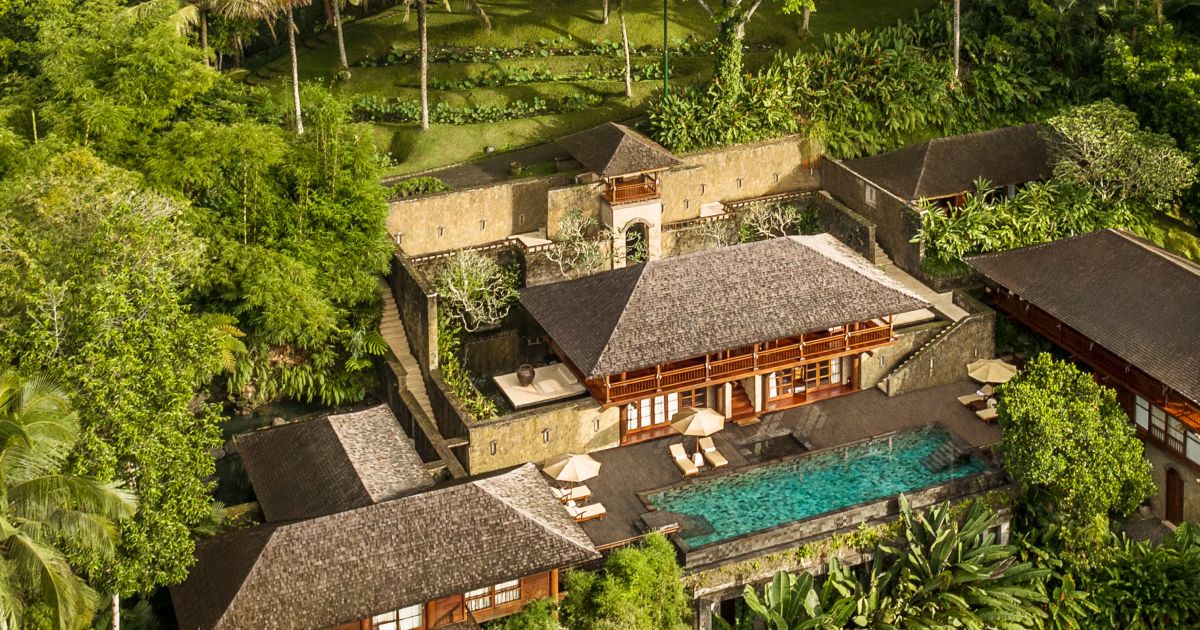
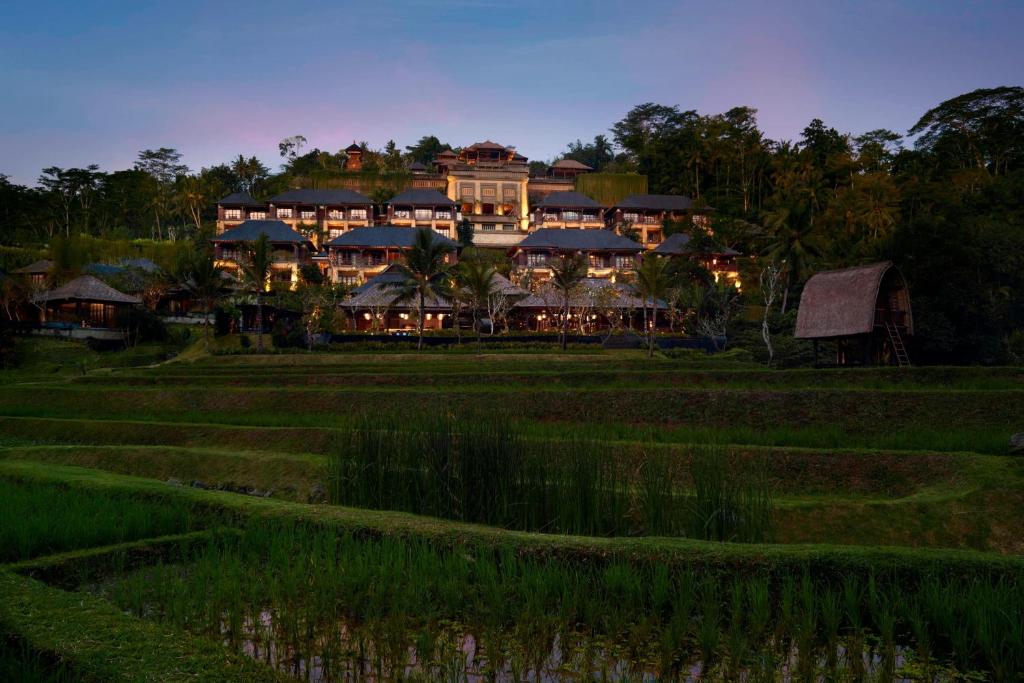
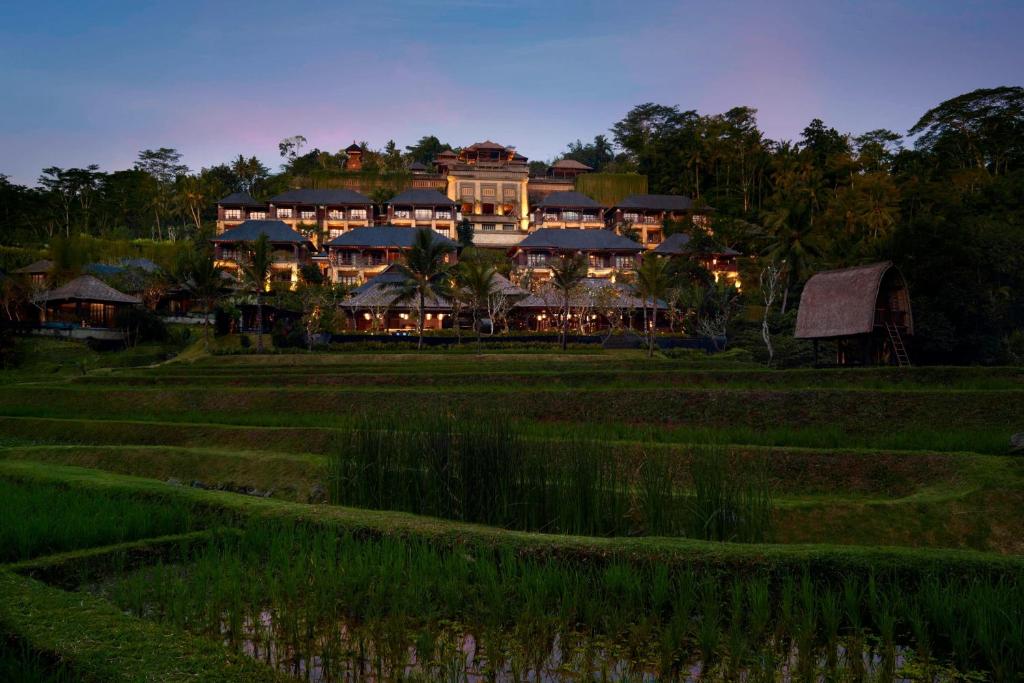
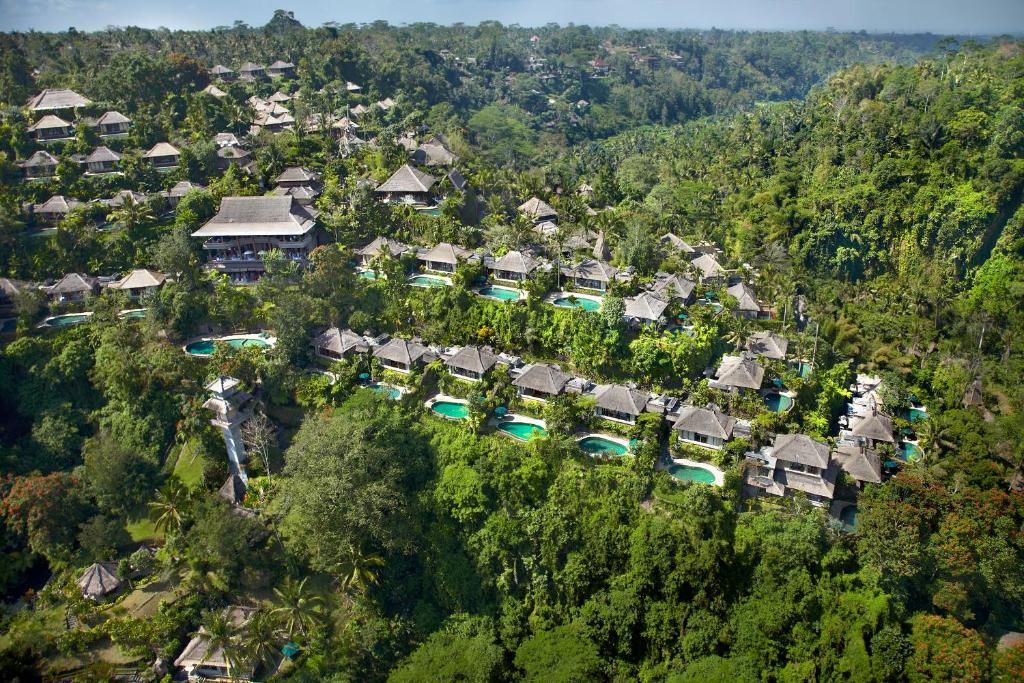
Ubud is Bali's cultural and spiritual capital — a highland town in the centre of the island where the Hindu temples, the royal palace, the rice terraces, and the river gorges converge. It is the part of Bali that has nothing to do with the beach and everything to do with the island's inner life. The great hotels here — Four Seasons Sayan, Capella Ubud, Como Shambhala Estate, Mandapa — are all hidden within the Ayung River valley, invisible from the road, accessible only by a winding path through the jungle.
Four Seasons Resort Bali at Sayan is the most celebrated hotel in Ubud — a floating lotus suspended above the Ayung River gorge, designed by John Heah and opened in 1998. Its infinity pool, cantilevered over the river 15 metres below, is one of the most photographed hotel amenities in the world. Capella Ubud, opened in 2018, is the more recent challenger: a tented camp in the jungle, designed by Bill Bensley, with 22 tents connected by a network of suspension bridges above the Wos River.
Como Shambhala Estate is the most wellness-focused hotel in Ubud — a residential retreat programme built around Ayurvedic medicine, yoga, and the river. Mandapa, a Ritz-Carlton Reserve, is the most family-friendly: a village-style resort with a river-facing pool and the most extensive children's programme in the valley. The Hanging Gardens of Bali, in Payangan north of Ubud, has the most dramatic infinity pool in Bali — two tiers of pool suspended above a river gorge, accessible only by funicular.
Ubud's cultural life is the most concentrated in Bali. The Ubud Royal Palace hosts traditional dance performances nightly; the Neka Art Museum and the ARMA have the finest collections of Balinese painting; the Tegallalang rice terraces, 8 kilometres north, are the most photographed landscape on the island. The morning market on Jalan Raya Ubud is the best food market in Bali — arrive before 7am.
Ubud and the beach are 90 minutes apart by car in peak traffic. Do not try to combine them in a single day — choose your base and commit to it for the duration.
The rice terrace views that define Ubud's aesthetic are in Tegallalang and Jatiluwih, not in the hotel valley. Most hotels in the Ayung River valley face the river, not the terraces — check the view before booking.
Capella Ubud's tents are connected by suspension bridges above the jungle canopy. The walk between tent and restaurant takes 10–15 minutes along forest paths. This is a feature, not a flaw — but guests with mobility limitations should enquire before booking.
Ubud's high season is July–August and December–January. Shoulder season (April–June, September–October) offers the same weather with 20–30% lower rates and significantly fewer tourists at temple sites.
April–October is Ubud's dry season — the best weather, clearest skies, and most reliable conditions for outdoor activities. July–August is peak season with the highest rates and most visitors. November–March brings the wet season: heavy afternoon rain, lush green landscapes, and the island's lowest prices.
For the most celebrated and architecturally extraordinary hotel in Ubud, Four Seasons Bali at Sayan — the floating lotus above the Ayung River — is the definitive choice and one of the great hotel experiences in Asia.
For the most immersive jungle and adventure experience, Capella Ubud — a tented camp designed by Bill Bensley with suspension bridges above the Wos River — is the most theatrical hotel in Bali.
For the most serious wellness and retreat programme, Como Shambhala Estate offers the most structured Ayurvedic and yoga programme in Ubud — a genuine residential retreat rather than a hotel with a spa.
For the most dramatic infinity pool experience in Bali, The Hanging Gardens of Bali in Payangan — two tiers of pool suspended above a river gorge, accessible by funicular — is the most visually extraordinary address in the valley.