Destinations · 14 min
Overwater villas & coral atolls
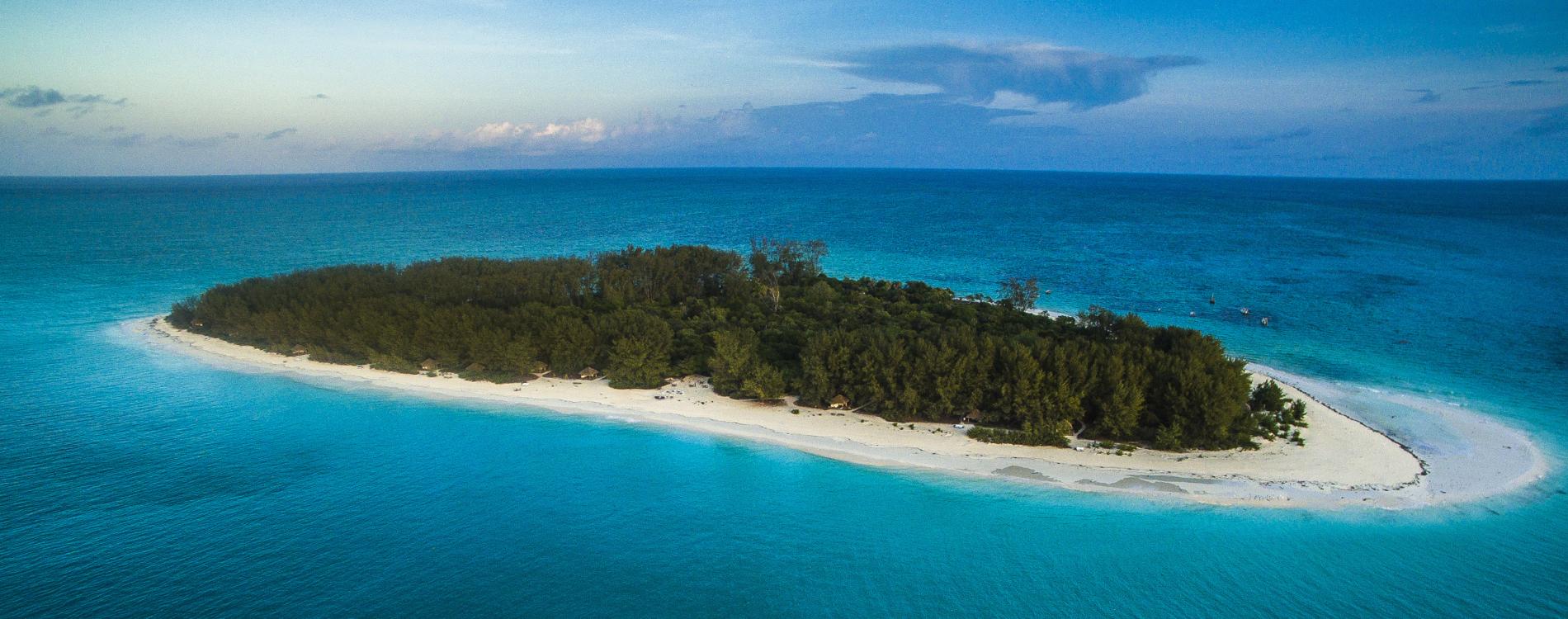
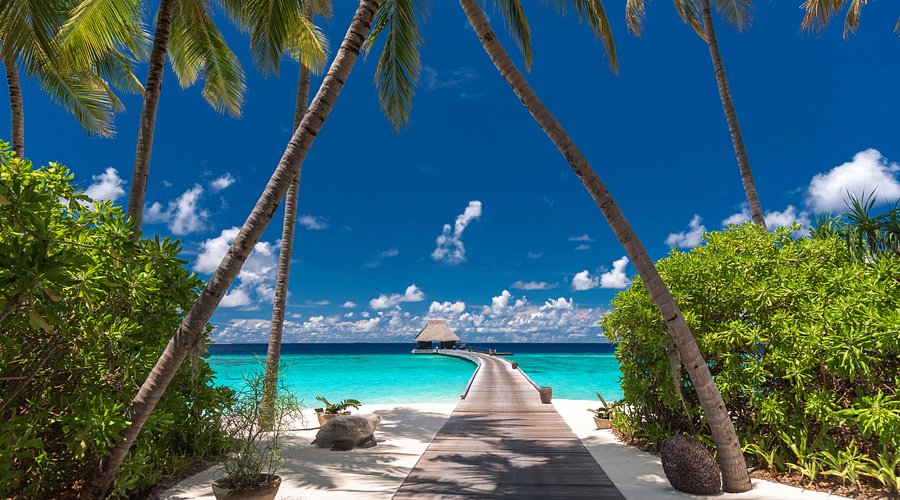
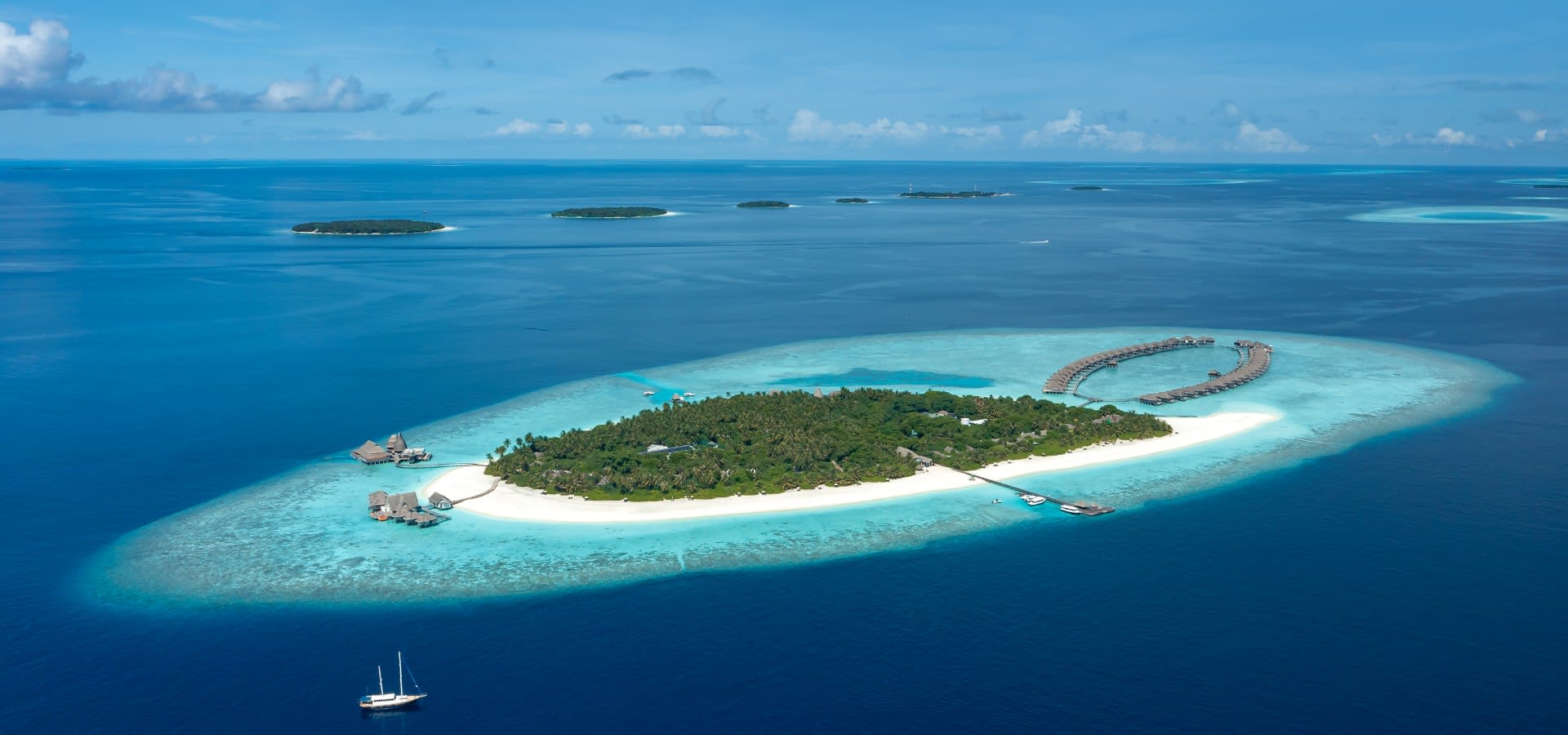
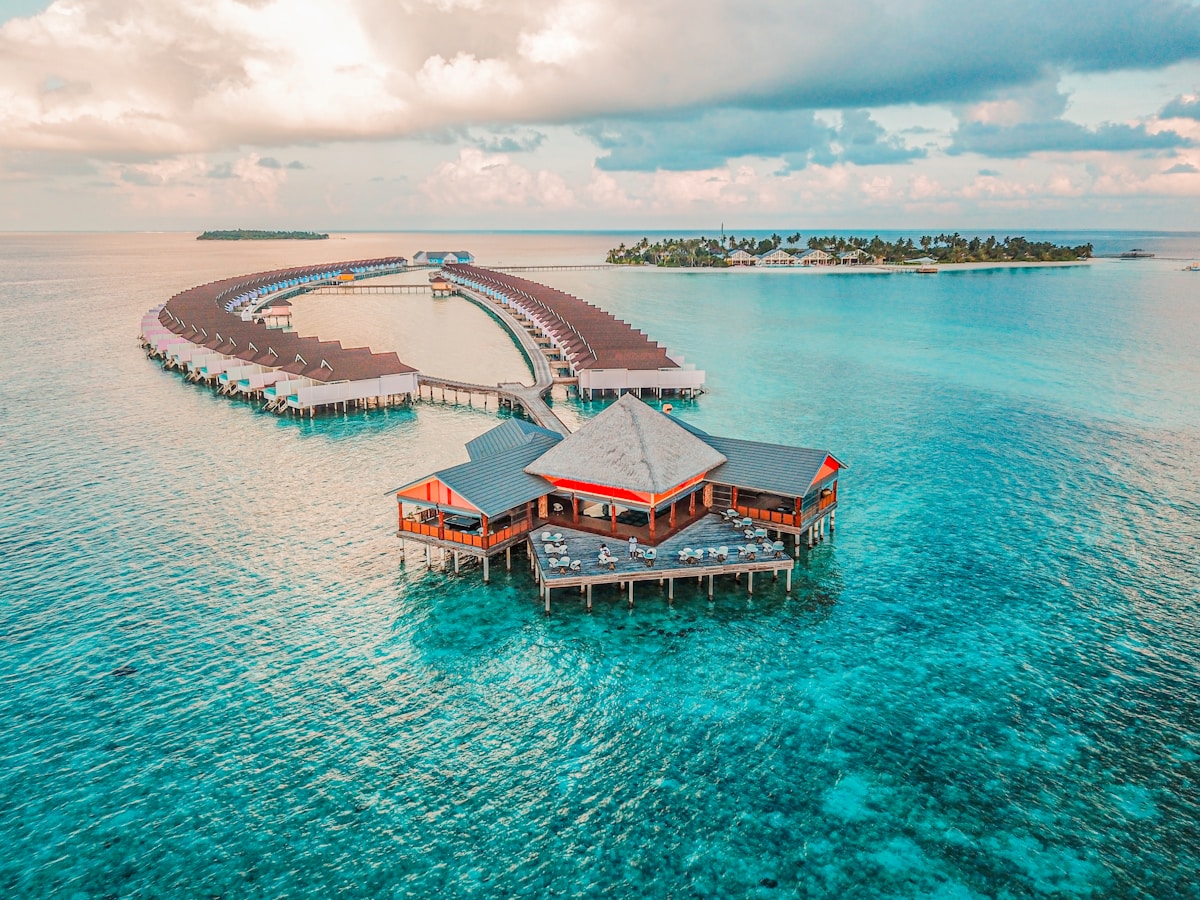
The Maldives is an archipelago of 1,192 coral islands scattered across 26 atolls in the central Indian Ocean — roughly 90 of them developed as private-island resorts, each one separated from the next by open water. No two islands share a beach. No two resorts share a reef. This is the fundamental promise of the Maldives: absolute seclusion, absolute blue.
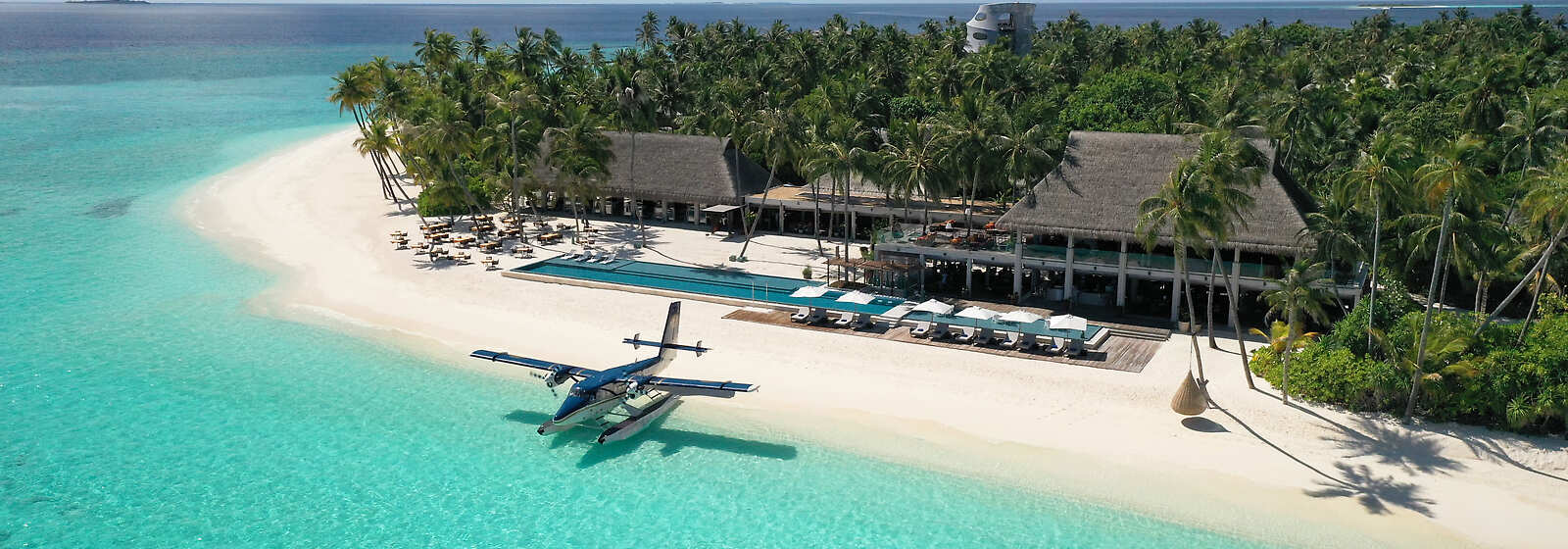
The archipelago rewards specificity. North Malé Atoll is the most accessible — a 20-minute speedboat from the international airport — and home to some of the most storied addresses: Gili Lankanfushi, Soneva Fushi, and the original Four Seasons Kuda Huraa. Baa Atoll, a UNESCO Biosphere Reserve, is the destination for manta ray encounters at Hanifaru Bay between June and November. Noonu Atoll, reached by seaplane, offers the most remote resorts — Velaa Private Island, Soneva Jani — where the horizon is unbroken in every direction.
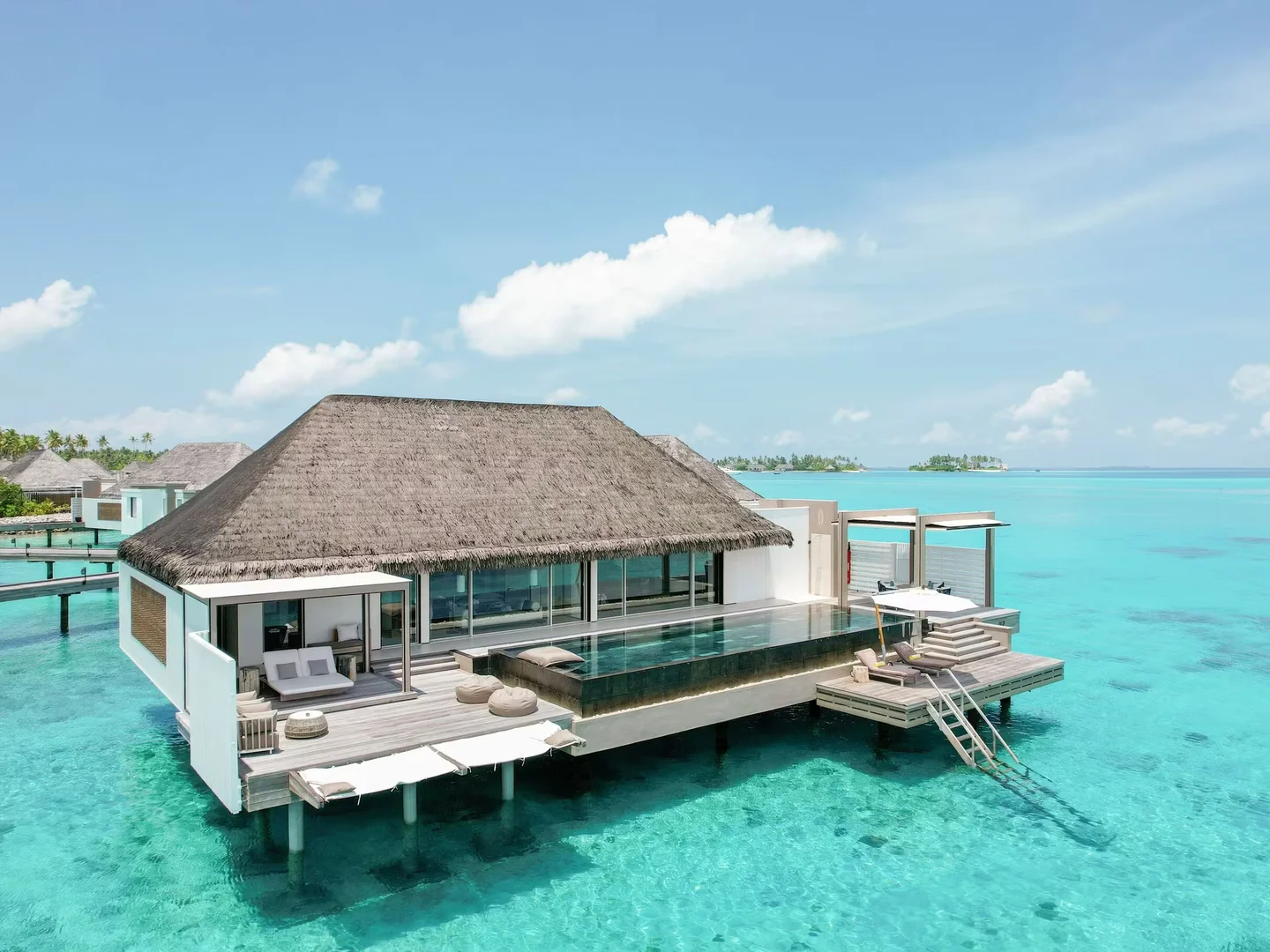
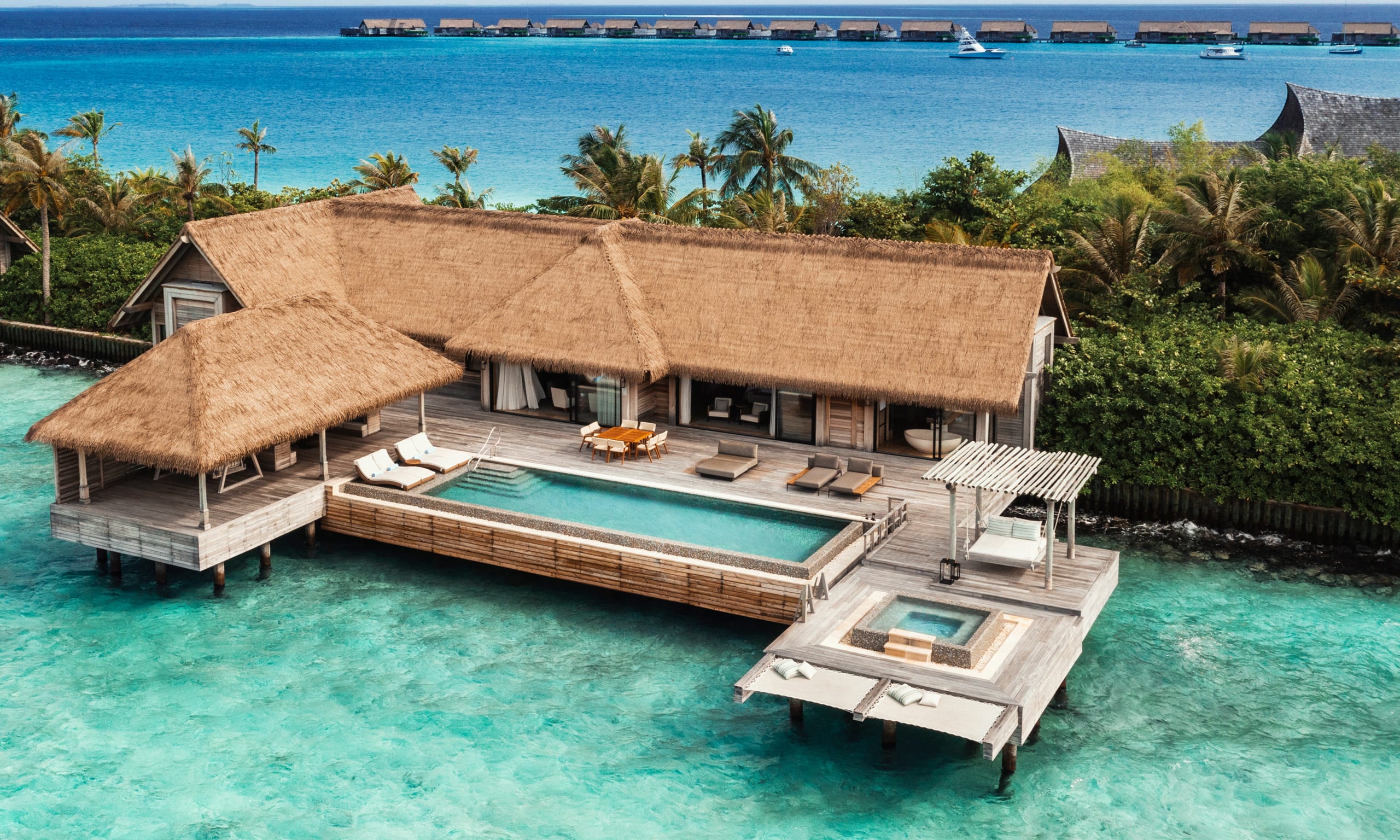
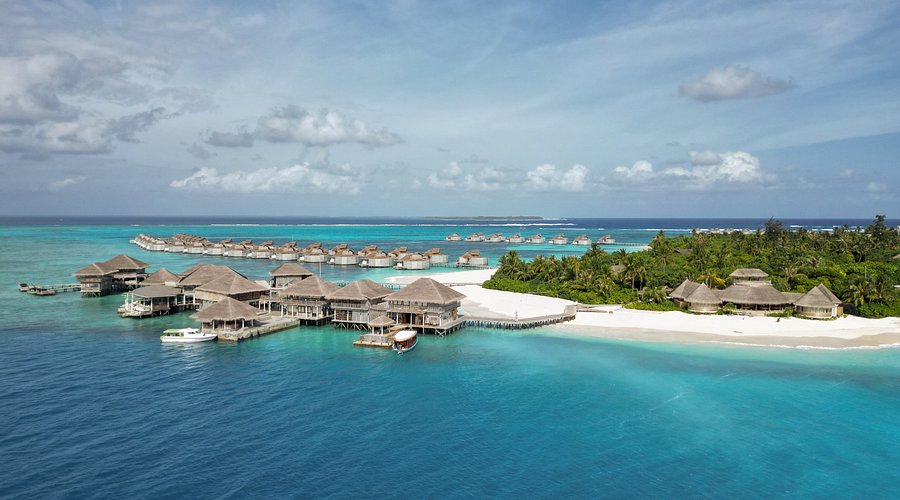
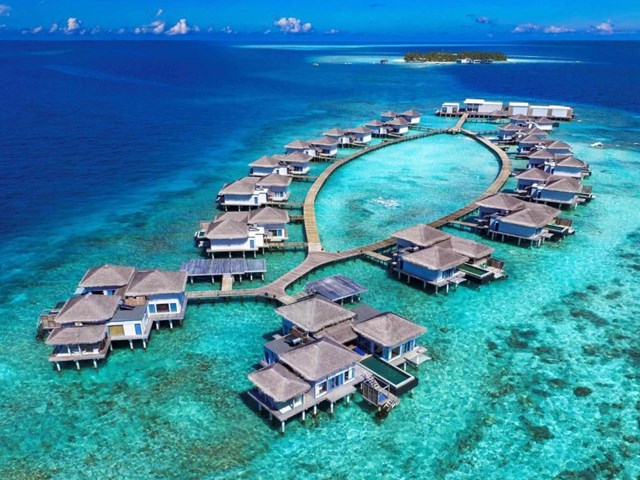
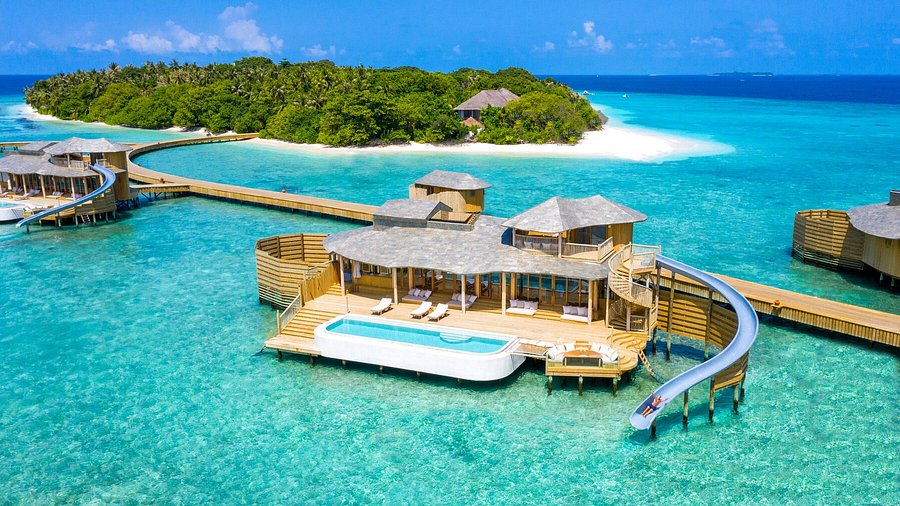
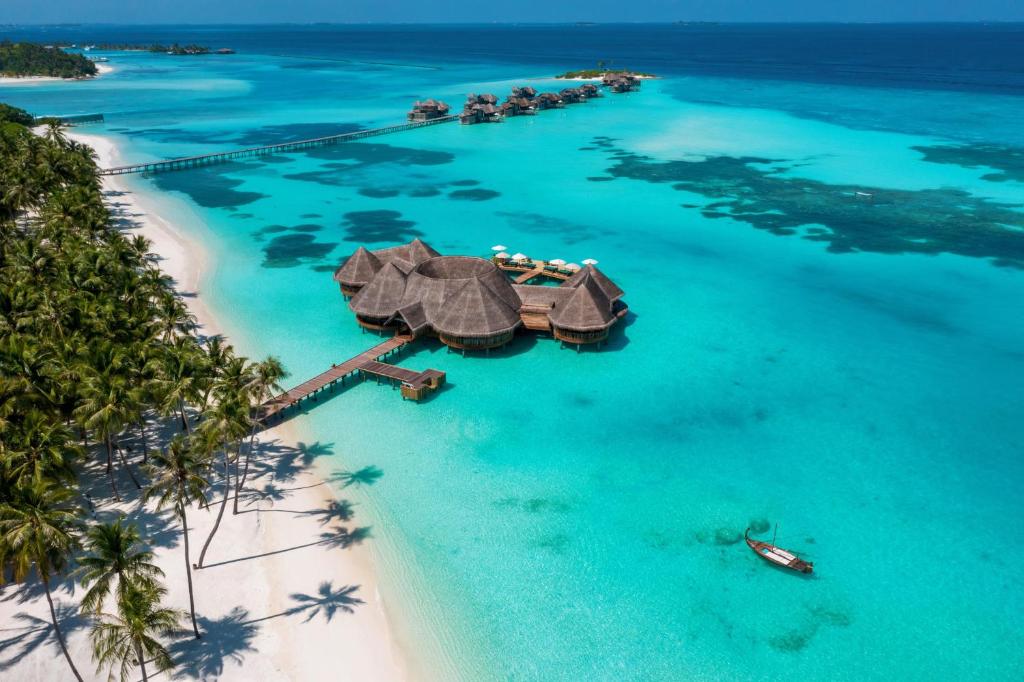
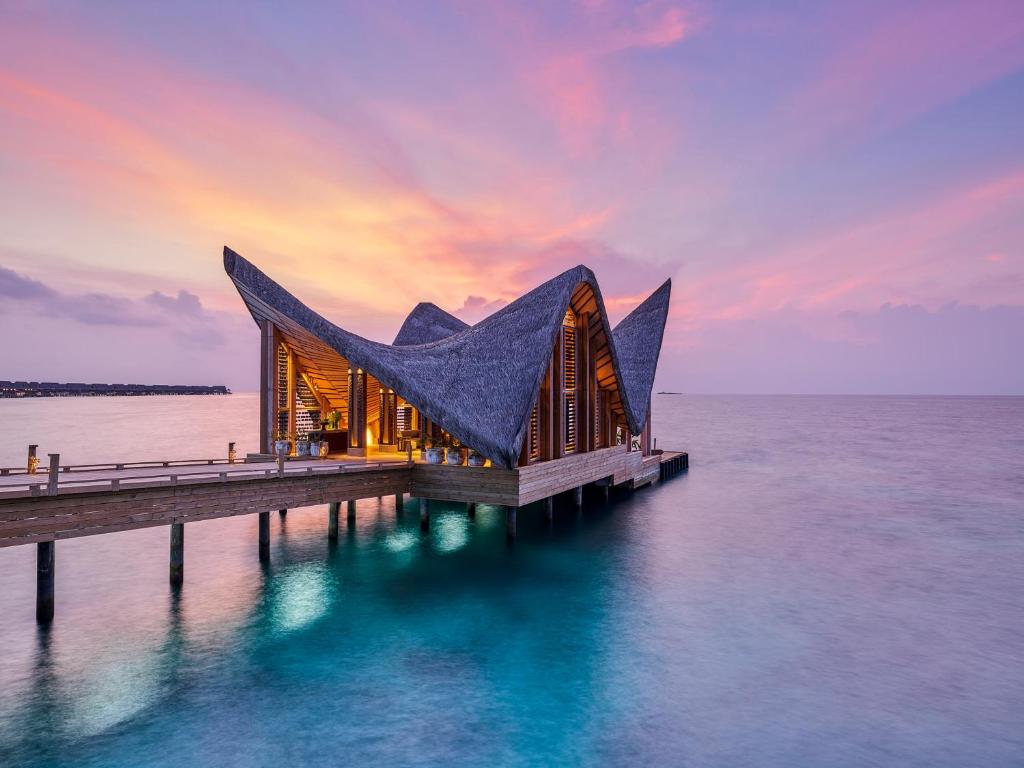
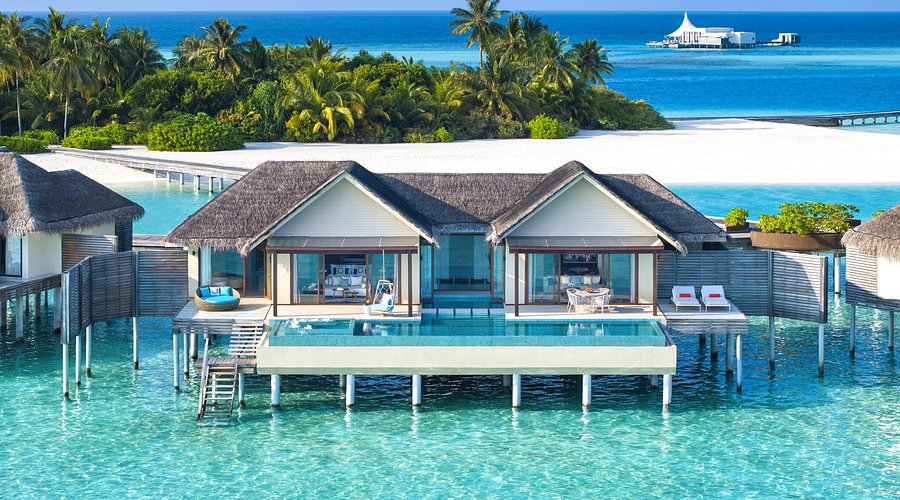
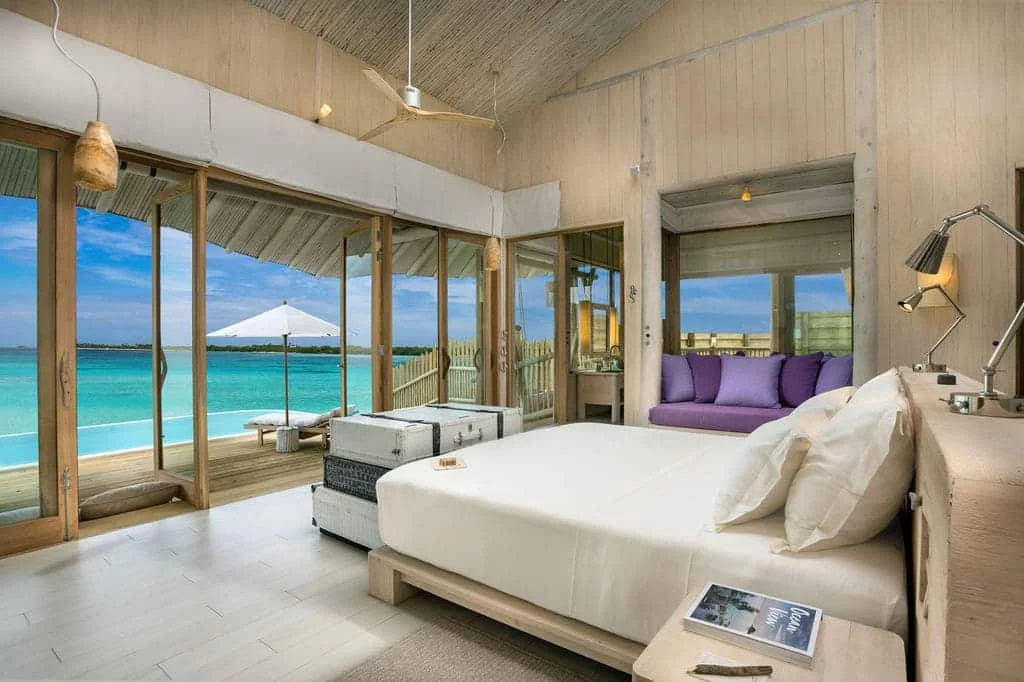
The overwater villa is the Maldives' signature contribution to hotel design: a thatched pavilion suspended above a lagoon on stilts, with a glass floor panel, a private sun deck, and a ladder descending directly into the water. But the house reef — the coral garden surrounding each island — is the more important differentiator. A resort with a thriving house reef accessible from the beach is worth more than one with a spectacular villa and a degraded reef. Always ask before booking.
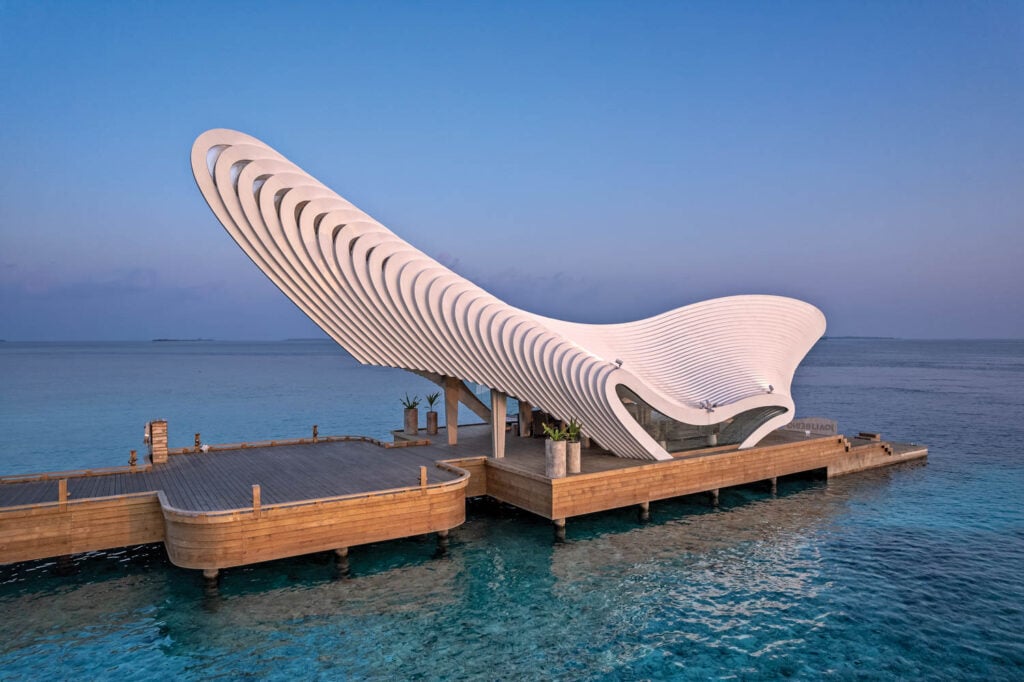
The best resorts here are not merely hotels — they are self-contained worlds. Soneva Fushi has its own observatory, chocolate workshop, and open-air cinema in the jungle. Velaa Private Island has a private golf course and a wine cellar carved into the island. JOALI Being is built entirely around a concept of inner transformation. The Maldives has become the testing ground for what a luxury resort can aspire to be.
Always ask about the house reef before booking — a thriving reef you can swim from the beach is worth more than a better villa category.
Seaplane transfers are only available in daylight. If your flight arrives after 3pm, you will spend your first night in Malé or a transit resort regardless of what the resort promises.
The best overwater villas face west for sunset. Ask for a west-facing villa when booking — most resorts will accommodate the request.
June–November is whale shark and manta ray season in Baa Atoll. If marine life is your priority, time your visit accordingly.
November to April is the dry season — calmer seas, less rain, and the best visibility for diving. May to October brings the south-west monsoon: lower prices, greener islands, and excellent manta ray sightings in Baa Atoll.
For the most accessible overwater experience, start with Gili Lankanfushi or Four Seasons Kuda Huraa in North Malé Atoll — both are 20 minutes by speedboat from the airport, with no seaplane required.
For absolute remoteness and the most spectacular villas, look to Velaa Private Island or Soneva Jani in Noonu Atoll. Expect a 40-minute seaplane transfer and a price point to match.
For marine life and conservation-led travel, Waldorf Astoria Ithaafushi and JOALI Being are closest to Baa Atoll's UNESCO Biosphere Reserve and its famous manta ray aggregation site at Hanifaru Bay.
For families, Soneva Fushi and Four Seasons Landaa Giraavaru offer the most extensive children's programmes, largest beach villas, and the most varied activities beyond the water.