Cartagena
Walled city & Caribbean colour
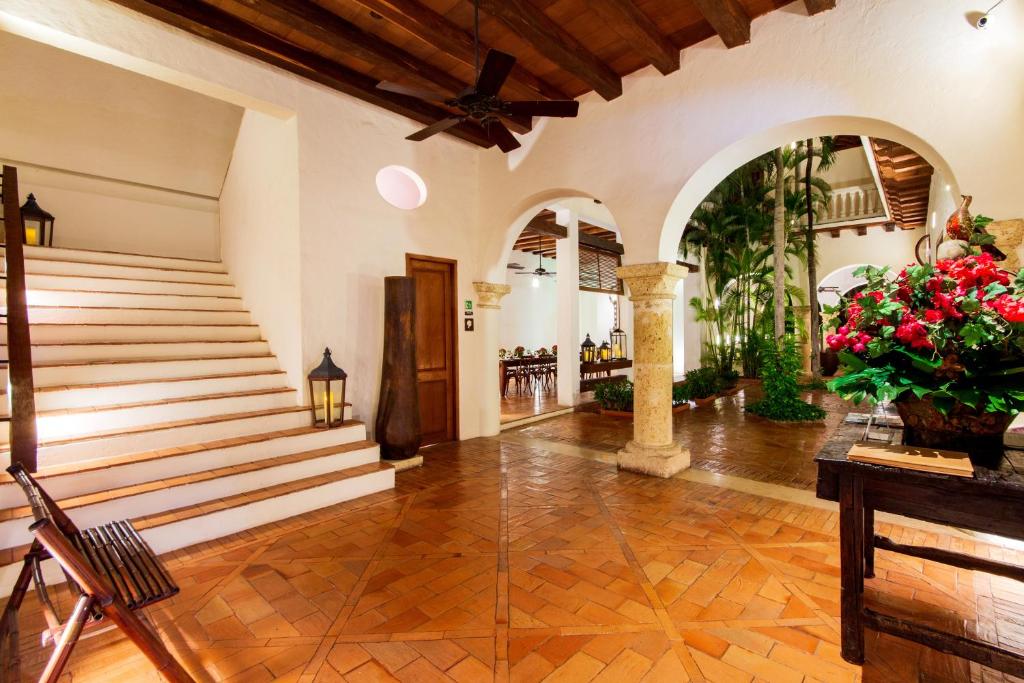
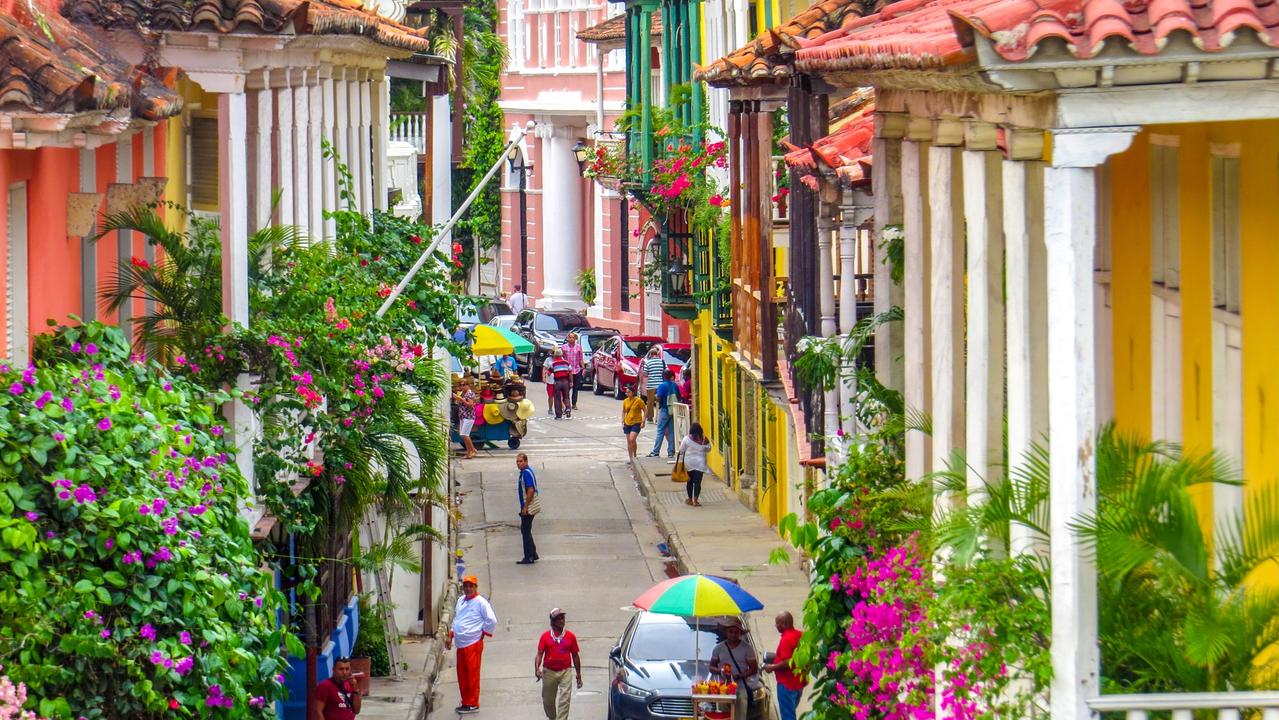
Cartagena is the most beautiful colonial city in South America — a 16th-century walled city on the Caribbean coast of Colombia where Spanish colonial architecture, bougainvillea-draped balconies, and cobblestone streets have been preserved in a state of extraordinary completeness. The Ciudad Amurallada (Walled City) is a UNESCO World Heritage Site; its hotels — former convents, mansions, and palaces converted into boutique properties — are among the most atmospheric in the Americas.
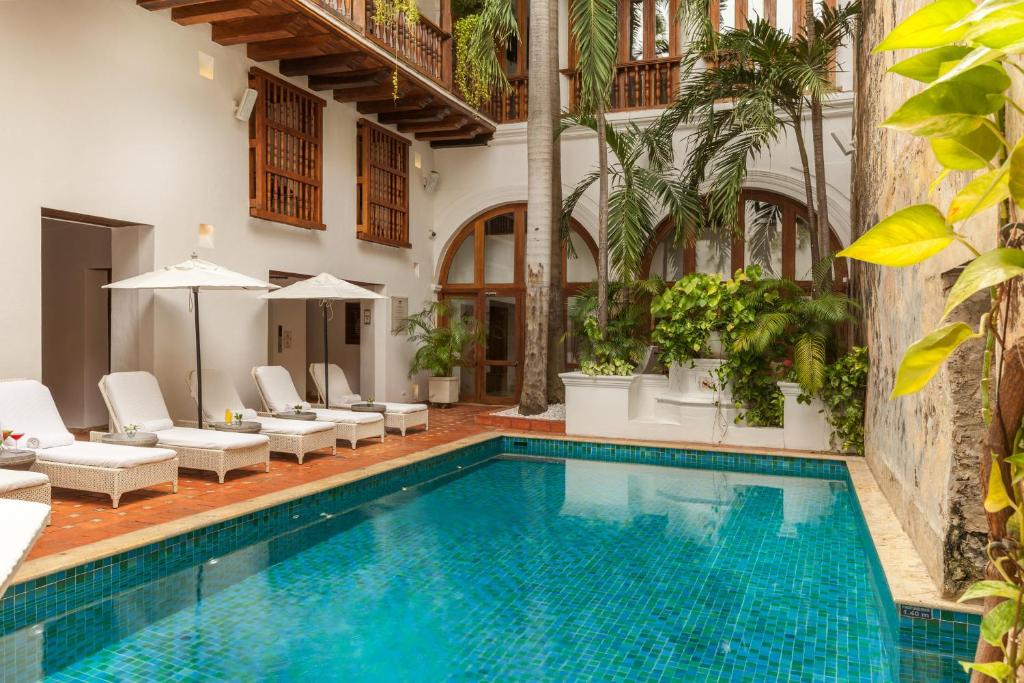
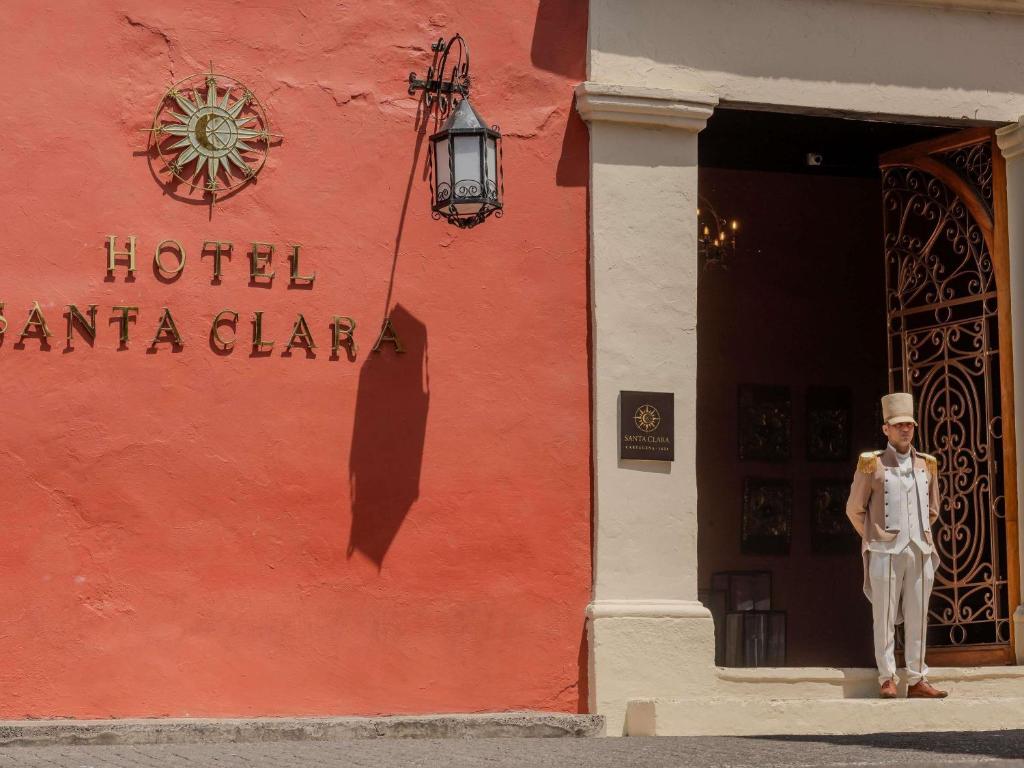
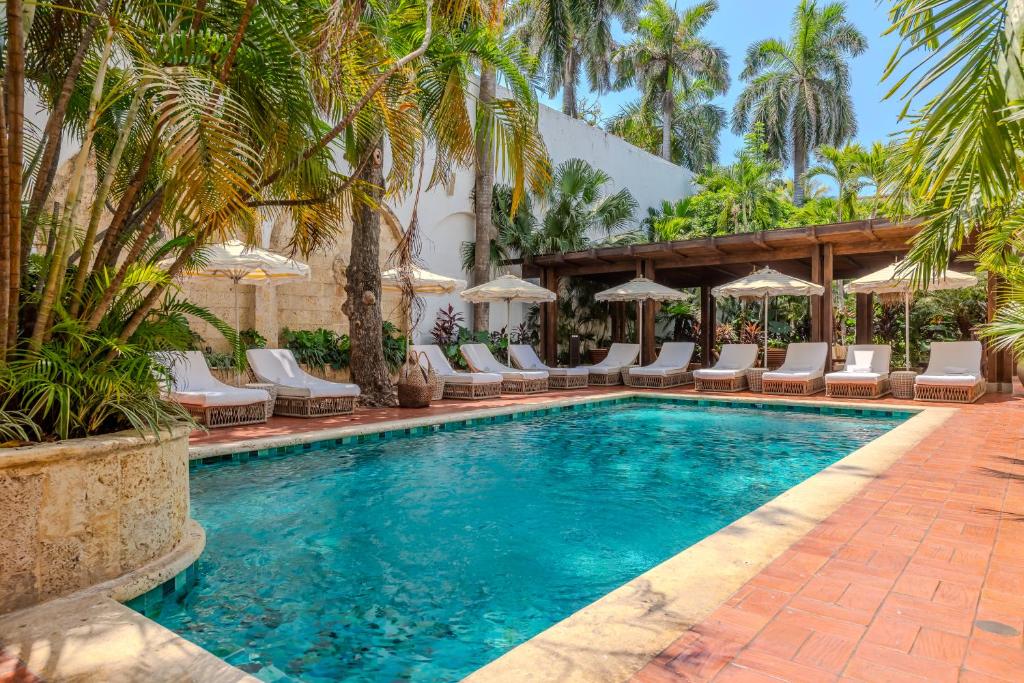
Casa San Agustín is the most celebrated hotel in Cartagena — a 16th-century convent converted into an 11-room boutique hotel with a courtyard pool and the most refined service in the city. Sofitel Santa Clara, in a former Clarisan convent, is the most historically significant: a 17th-century building with 162 rooms, three restaurants, and a pool in the former cloister. Casa Pestagua, a former Spanish nobleman's mansion, is the most intimate: 11 rooms around a courtyard fountain in the heart of the old city.
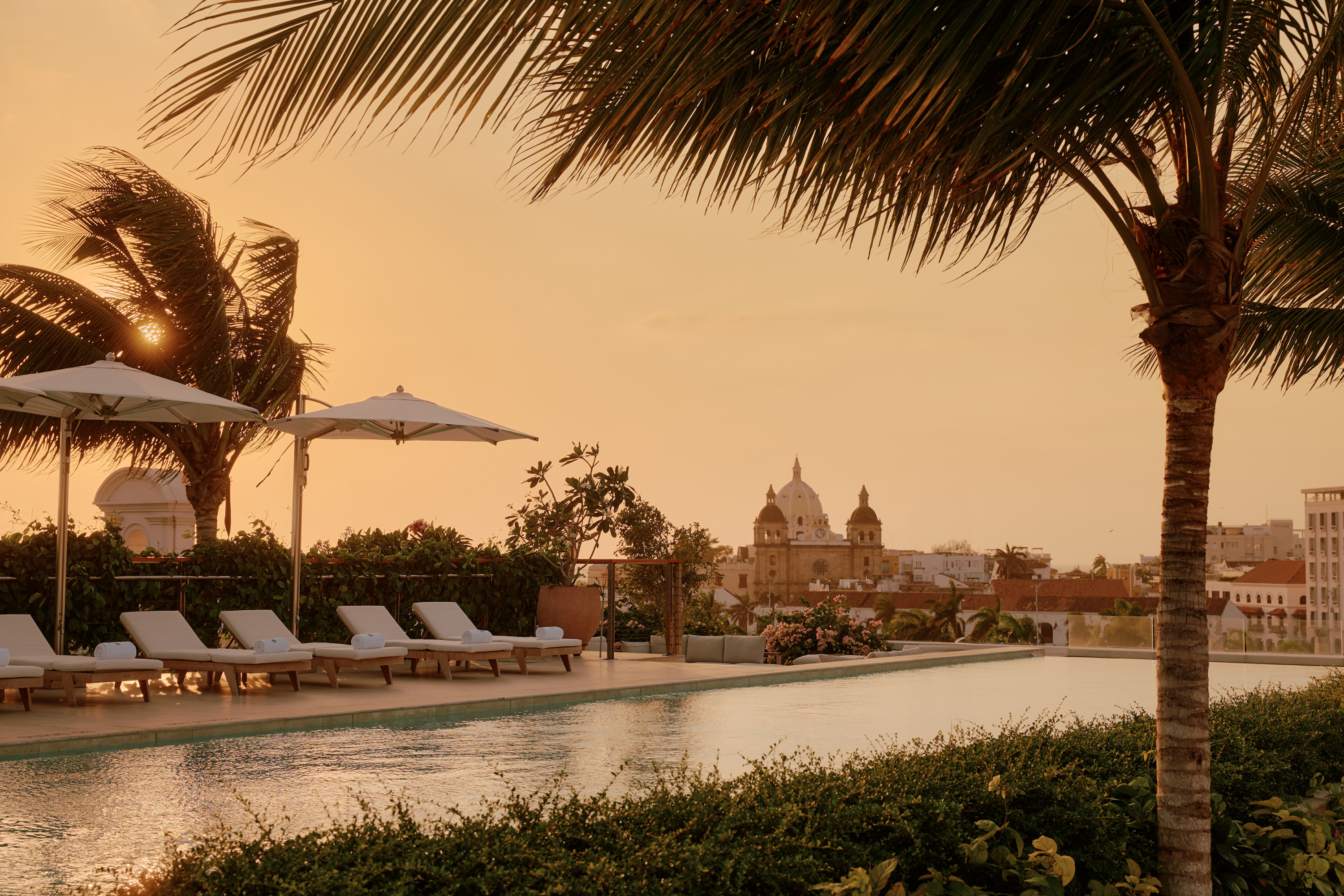
Bastión Luxury Hotel, built into the 17th-century city walls, is the most architecturally dramatic: a rooftop pool suspended above the Caribbean, with views across the bay and the old city. The hotel occupies a former bastion of the city's fortifications; the rooms are built into the walls themselves. It is the most photographed hotel in Cartagena and the most theatrical address in the city.
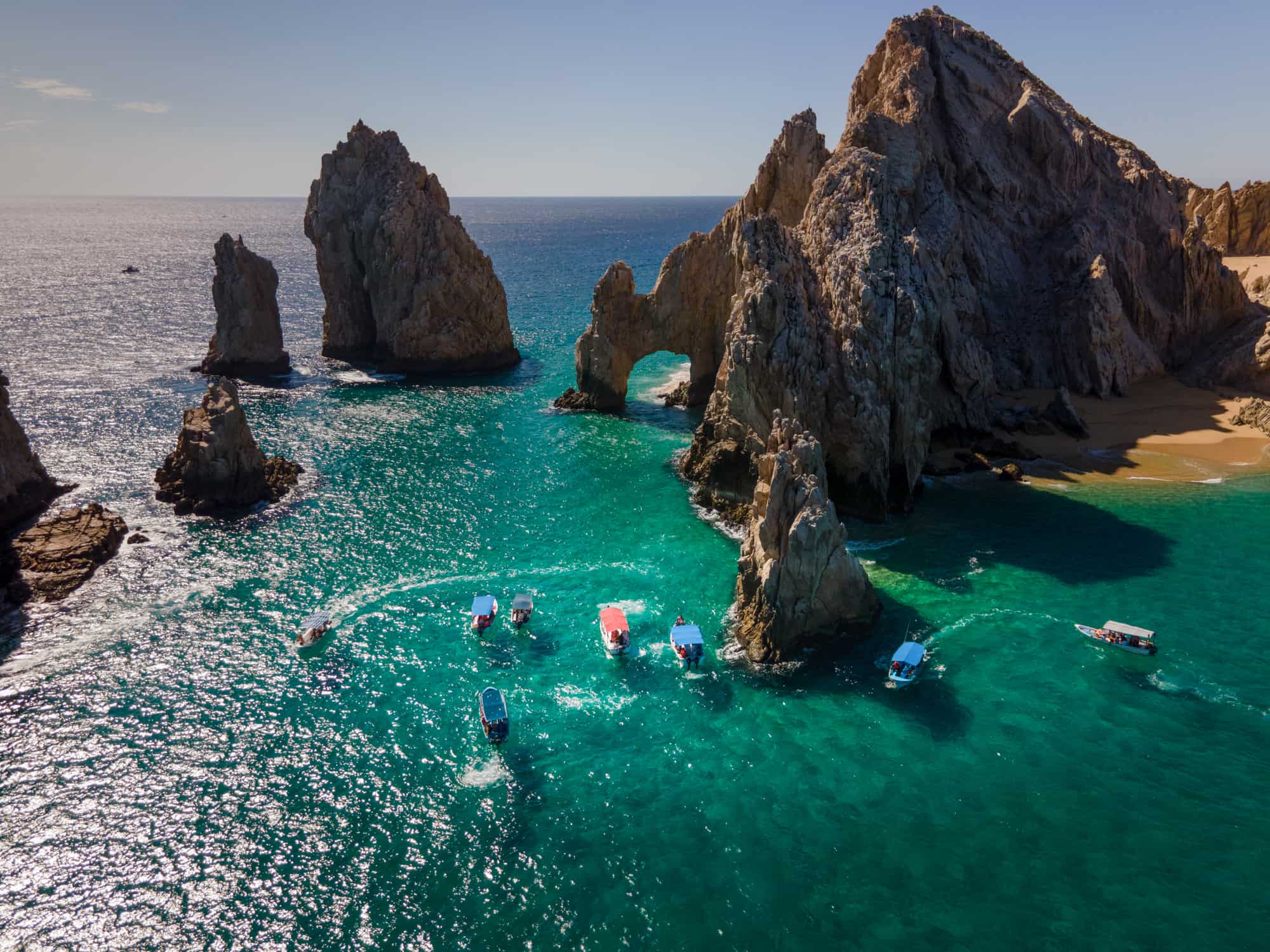
The Rosario Islands — a coral archipelago 45 minutes by boat from Cartagena — are the city's beach escape. The islands are ringed by clear Caribbean water and coral reefs; the best hotels are small eco-lodges on private cays. The contrast between the colonial city and the Caribbean islands is one of the great travel experiences in South America.
Cartagena's old city is walkable but the streets are not signposted. A local guide for the first morning is the most efficient way to understand the city's geography — the difference between the Walled City, Getsemaní, and Bocagrande is significant.
The rooftop bars of the old city — Bastión's rooftop, Cafe del Mar on the city walls, Alquimico on Calle del Colegio — are the best places to watch the sunset. Arrive 30 minutes before sunset to secure a table.
Cartagena's heat is intense year-round (28–34°C). The old city's narrow streets provide shade; the best time to walk is before 10am and after 5pm. The midday hours are best spent in a hotel pool or a restaurant.
The Rosario Islands are best visited on a private boat rather than a group tour. Every hotel in the old city can arrange a private boat; the journey is 45 minutes each way and the snorkelling on the coral reefs is the best in Colombia.
December–March is Cartagena's high season: dry, the least humid, and the most pleasant conditions for exploring the old city. The Caribbean Festival (November) and New Year are the most festive periods. April–May and October–November bring the most rain; the city remains beautiful but outdoor dining is less reliable.
For the most refined and intimate boutique experience in the old city, Casa San Agustín — an 11-room former convent with a courtyard pool and the most attentive service in Cartagena — is the definitive choice.
For the most historically significant and complete hotel experience, Sofitel Santa Clara — a 17th-century Clarisan convent with 162 rooms and a pool in the former cloister — is the most atmospheric large hotel in the city.
For the most architecturally dramatic position, Bastión Luxury Hotel — built into the 17th-century city walls with a rooftop pool above the Caribbean — is the most theatrical address in Cartagena.
For the most intimate and characterful mansion experience, Casa Pestagua — 11 rooms around a courtyard fountain in a former Spanish nobleman's mansion — is the most romantic boutique hotel in the old city.