Destinations · 9 min
Eco-chic & cenote swimming
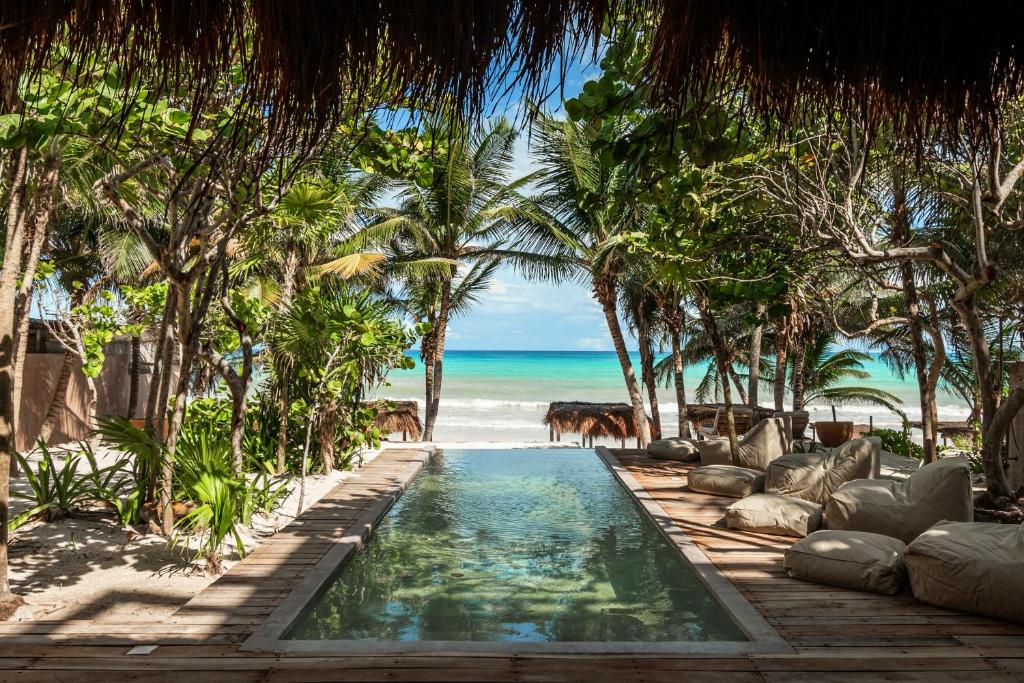
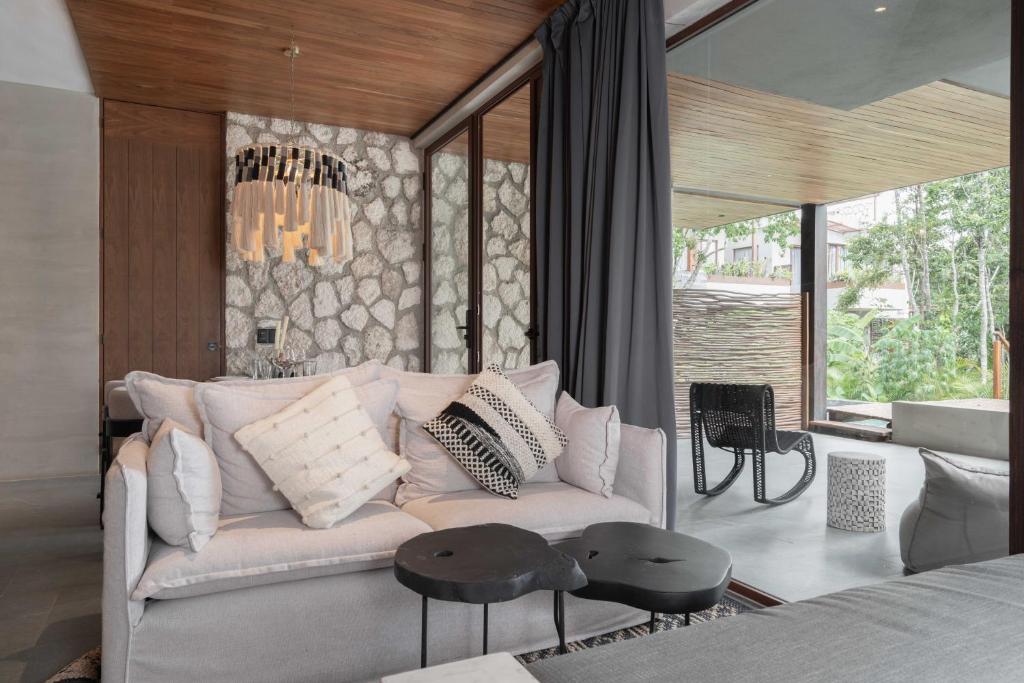
Tulum is the world's most influential barefoot-luxury destination — a 10-kilometre stretch of Caribbean coast in the Yucatán Peninsula where palapa-roofed hotels, candlelit beach clubs, and cenote swimming have defined a specific aesthetic that has been imitated from Ibiza to Bali. The original Tulum hotel zone, on the beach road south of the Mayan ruins, is where the most celebrated addresses are concentrated: Azulik, Habitas, Nomade, Be Tulum, and Papaya Playa Project.
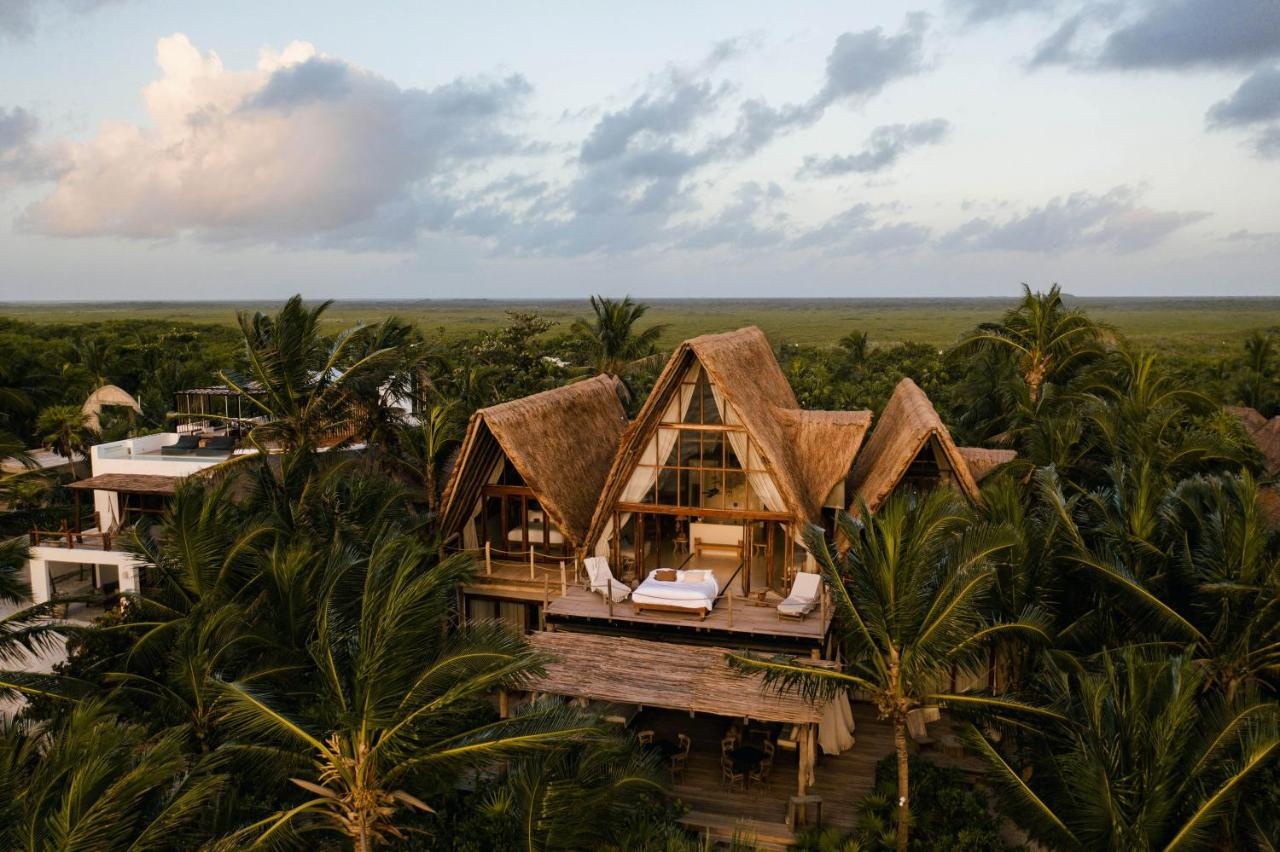
Azulik is the most visually extraordinary hotel in Tulum — a series of treehouses and villas built from natural materials (wood, bamboo, thatch) without electricity, connected by rope bridges above the jungle. It is the most photographed hotel in Mexico and the most extreme expression of Tulum's eco-luxury aesthetic. Habitas Tulum is the most community-focused: a 35-villa resort built around a programme of yoga, meditation, and cultural events that attracts a creative, international crowd.
Inland Tulum — the cenote country of the Yucatán — is the destination's most underrated territory. Chablé Resort & Spa, a converted hacienda in the jungle 30 minutes from Tulum, is the most extraordinary spa hotel in Mexico — a cenote at the centre of the property, accessible only to guests, that is one of the most remarkable natural swimming pools in the world. Coqui Coqui Coba, on the edge of the Coba archaeological site, is the most intimate: four rooms in a converted hacienda above a jungle lagoon.
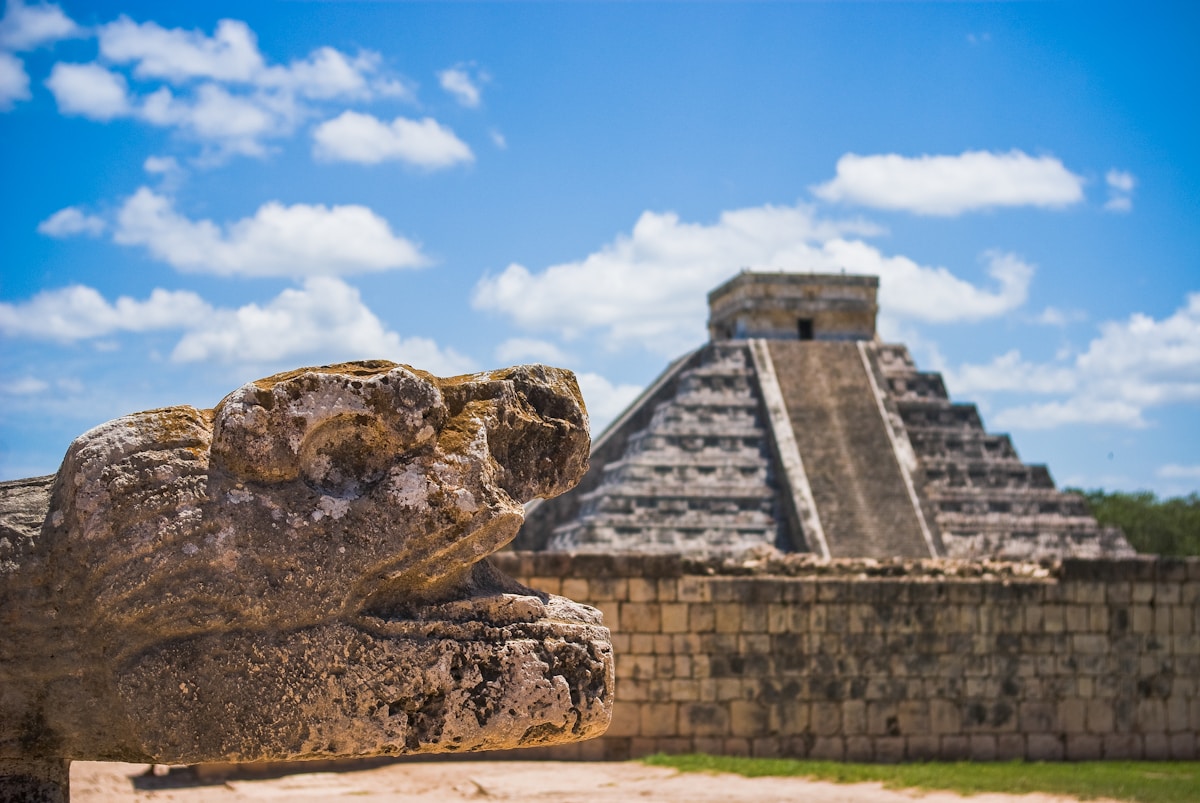
Tulum's Mayan ruins — the only Mayan archaeological site on the Caribbean coast — are 10 minutes from the hotel zone. They are the most visited site in the Yucatán after Chichén Itzá; arrive at opening time (8am) to avoid the crowds. The cenotes of the Yucatán — underground freshwater pools in collapsed limestone caverns — are the most extraordinary swimming experience in Mexico; Gran Cenote and Dos Ojos are the most accessible from Tulum.
Tulum's beach road floods during heavy rain — a significant problem in the wet season (June–October). The best hotels have elevated structures or raised platforms; ask about flooding before booking during this period.
Azulik has no electricity in the villas — candles and oil lamps only. This is a deliberate design choice, not a limitation. Guests who need phone charging or air conditioning should choose a different hotel.
The cenotes are best visited in the morning, before the day-trippers arrive from Cancún. Cenote Dos Ojos (for snorkelling and diving) and Gran Cenote (for swimming) are the most beautiful; both open at 8am.
Tulum's beach clubs — Papaya Playa Project, Gitano, Vagalume — are the social heart of the destination. They are open to non-guests; the best parties are on full-moon nights and during the Tulum Music Festival (January).
December–April is Tulum's season: dry, warm (25–30°C), and the most pleasant conditions for beach and cenote swimming. January–March is the best period: the lowest humidity, the clearest cenote water, and the most comfortable temperatures. June–October is hurricane season: hot, humid, and the beach road can flood.
For the most visually extraordinary and eco-extreme hotel experience in Mexico, Azulik — treehouses built from natural materials without electricity, connected by rope bridges above the jungle — is the most ambitious hotel in Tulum.
For the most community-focused and culturally engaged experience, Habitas Tulum — 35 villas built around a programme of yoga, meditation, and cultural events — is the most social and creative address in the destination.
For the most extraordinary spa and cenote experience in the Yucatán, Chablé Resort & Spa — a converted hacienda with a private cenote at its centre — is the most remarkable natural wellness experience in Mexico.
For the most romantic and intimate inland experience, Coqui Coqui Coba — four rooms in a converted hacienda above a jungle lagoon, adjacent to the Coba archaeological site — is the most atmospheric address in the Tulum region.