Destinations · 11 min
Art Deco & oceanfront luxury
Miami is the most architecturally and culturally diverse hotel city in the United States — a place where Art Deco, Modernist, and contemporary architecture coexist on a barrier island between the Atlantic Ocean and Biscayne Bay, and where the hotel scene ranges from the theatrical excess of the Faena to the quiet residential luxury of the Four Seasons Surf Club. The city's geography divides the hotel landscape into three distinct zones, each with its own character and clientele.
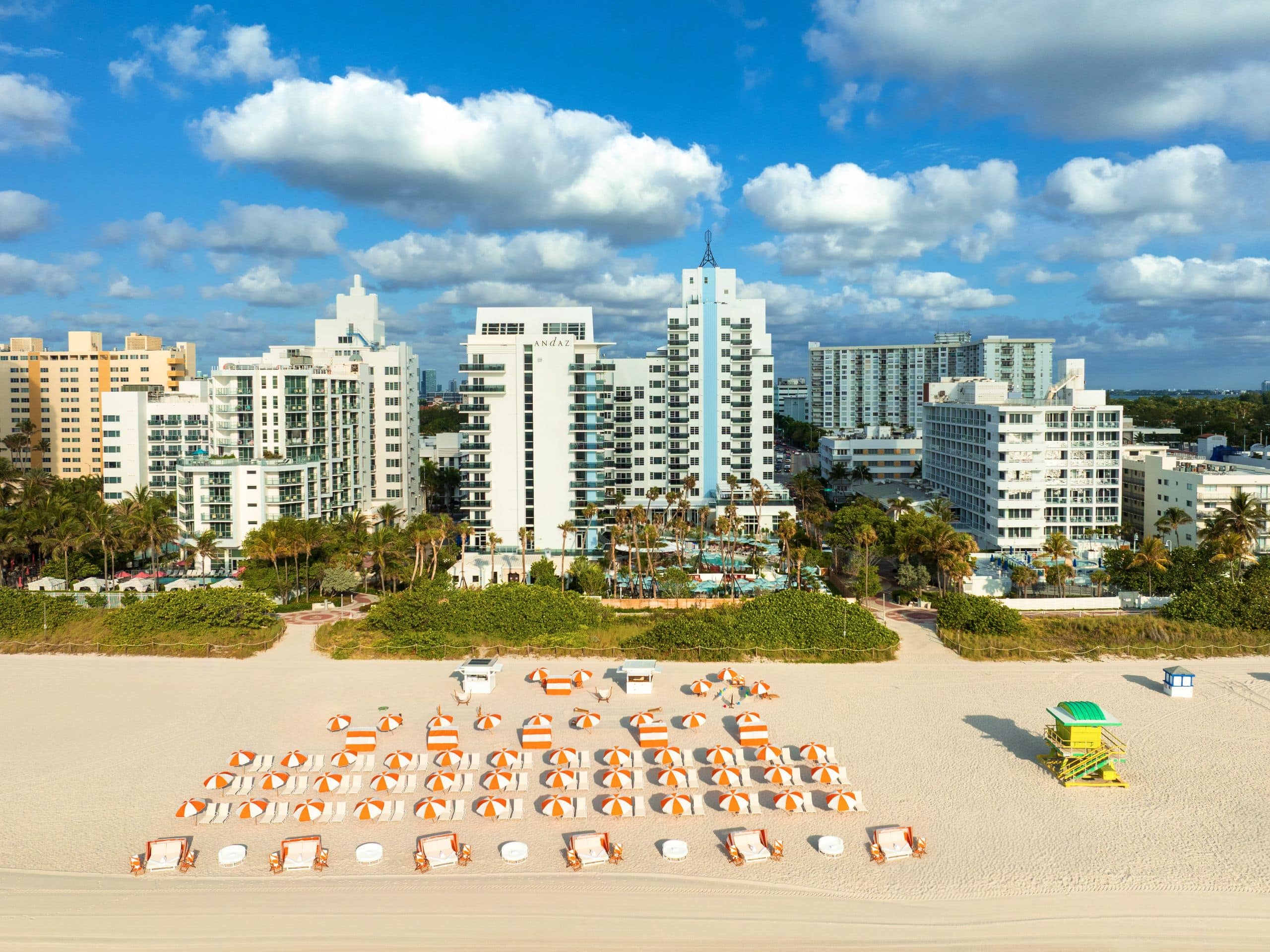
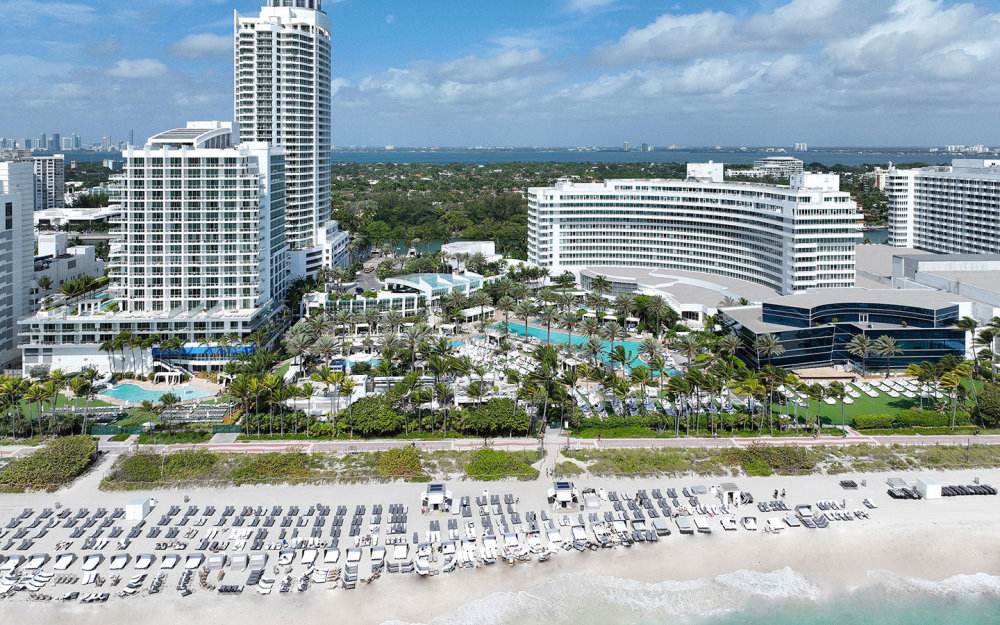
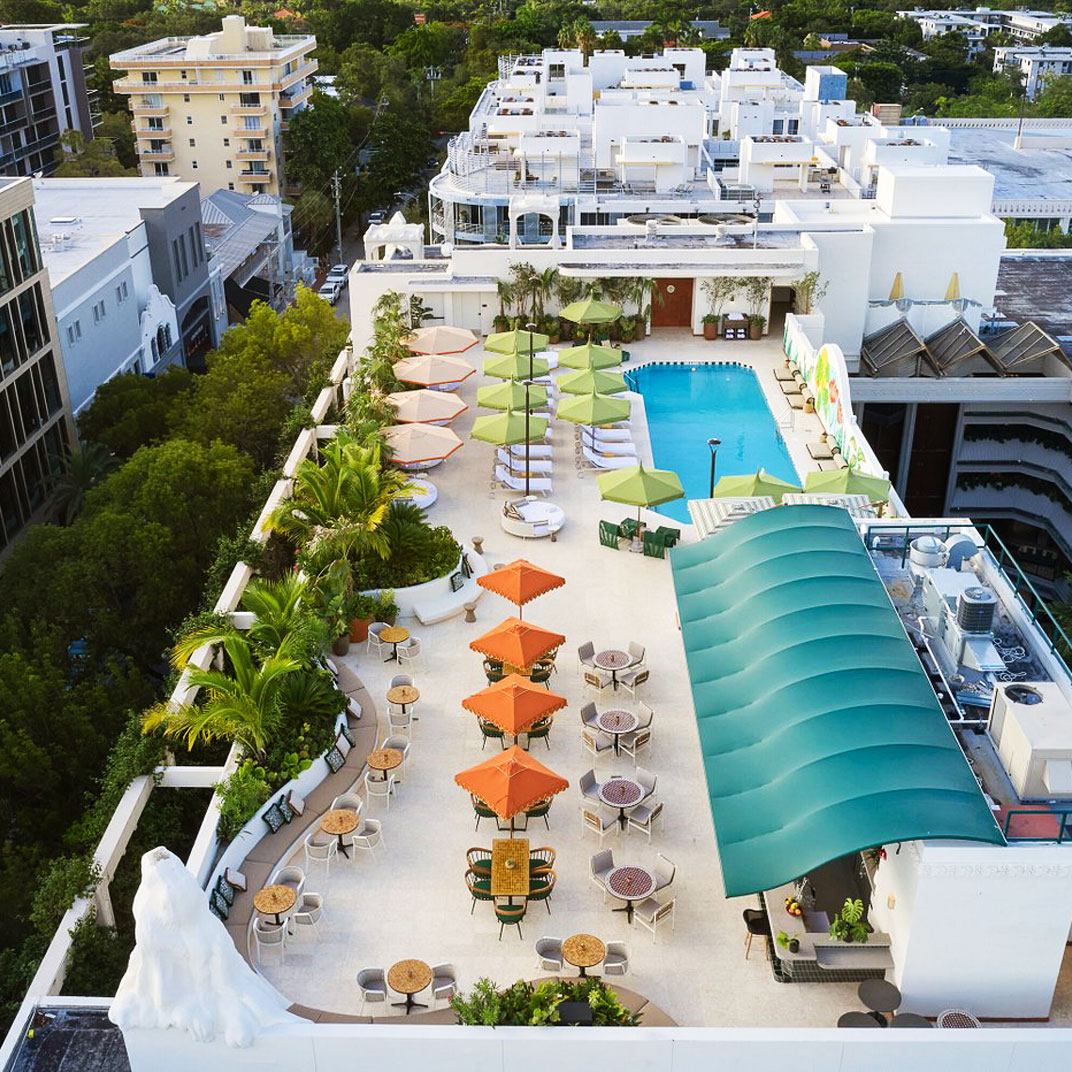
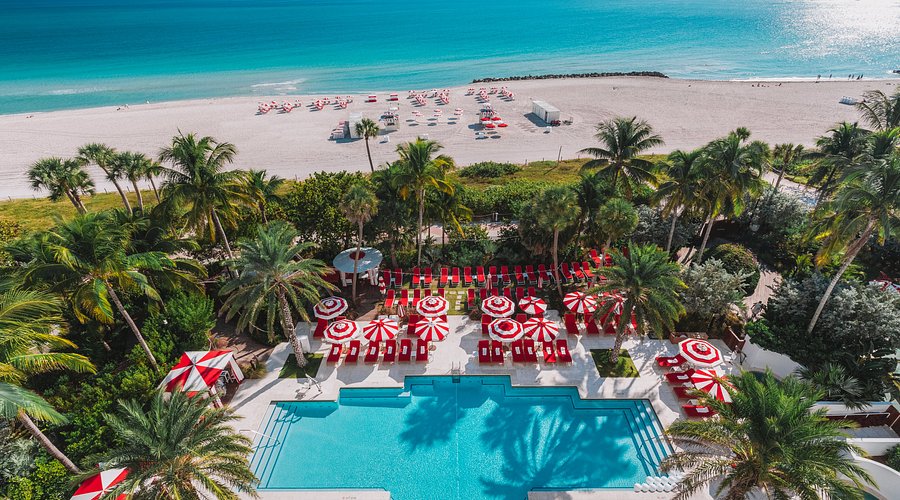
Miami Beach — the barrier island connected to the mainland by causeways — is where the most theatrical hotels are concentrated. The Faena Hotel, designed by Alan Faena and Baz Luhrmann, is the most visually extraordinary hotel in the city: a red-and-gold palace on Collins Avenue with a Damien Hirst woolly mammoth skeleton in the lobby. The Setai, a 1930s Art Deco building with three pools of different temperatures, is the most serene. 1 Hotel South Beach is the most sustainability-focused.
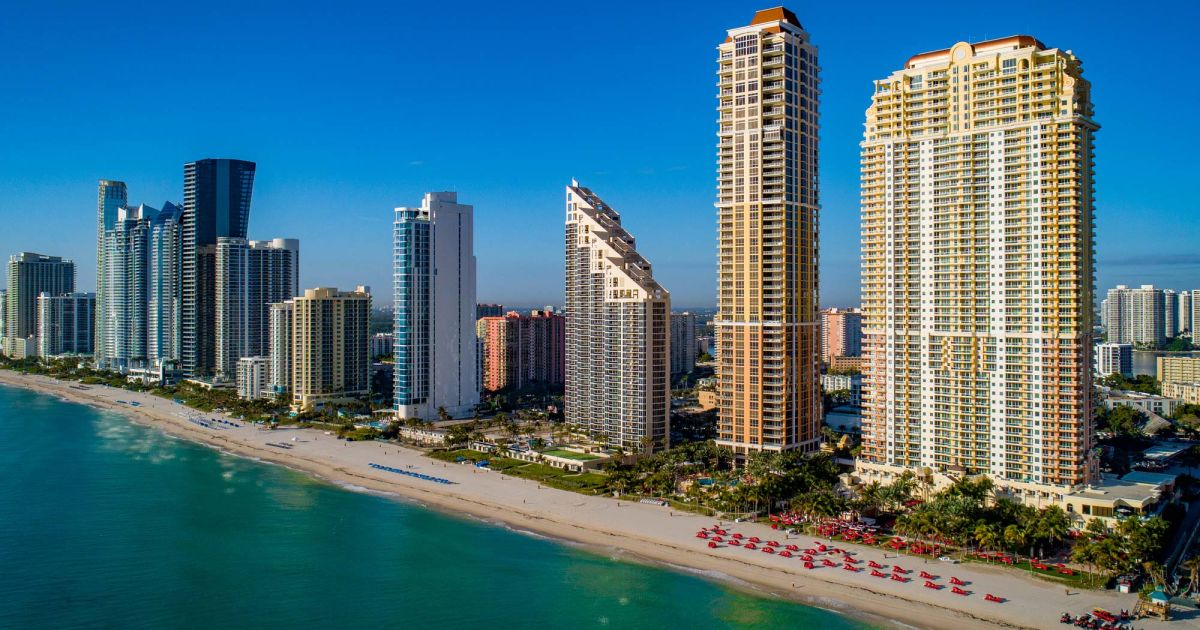
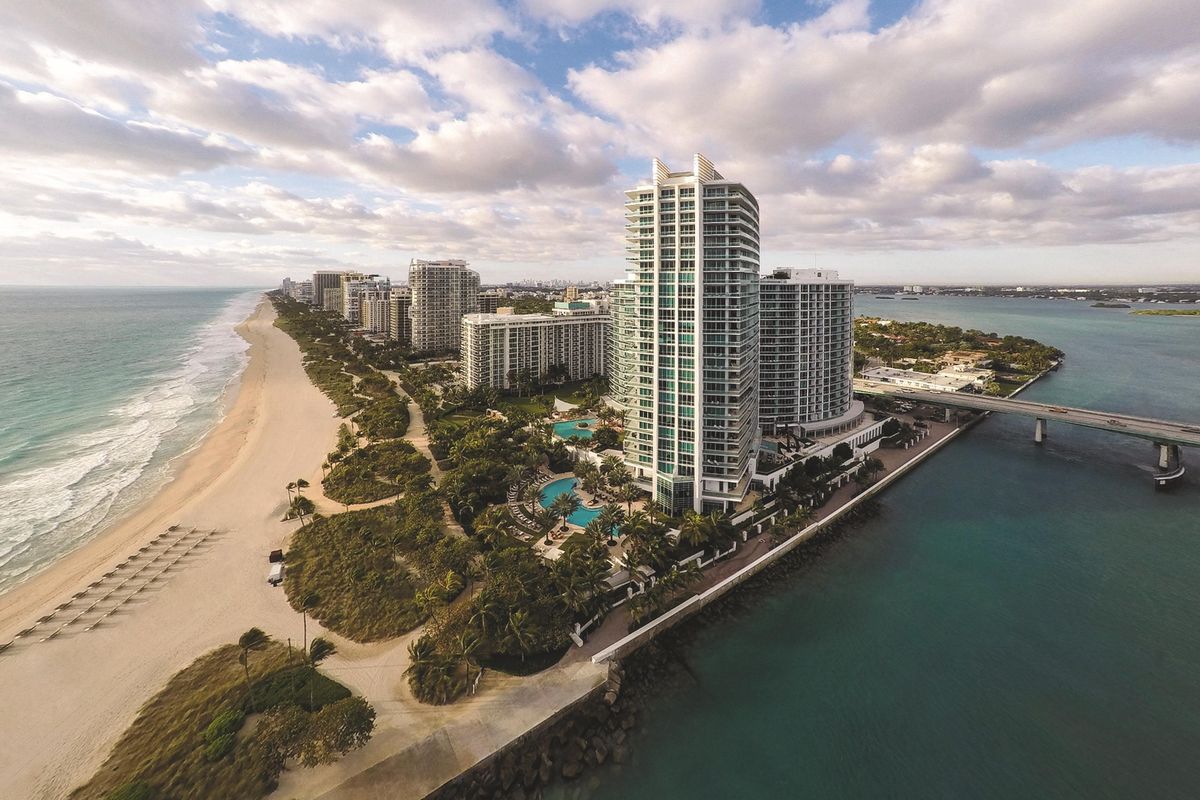
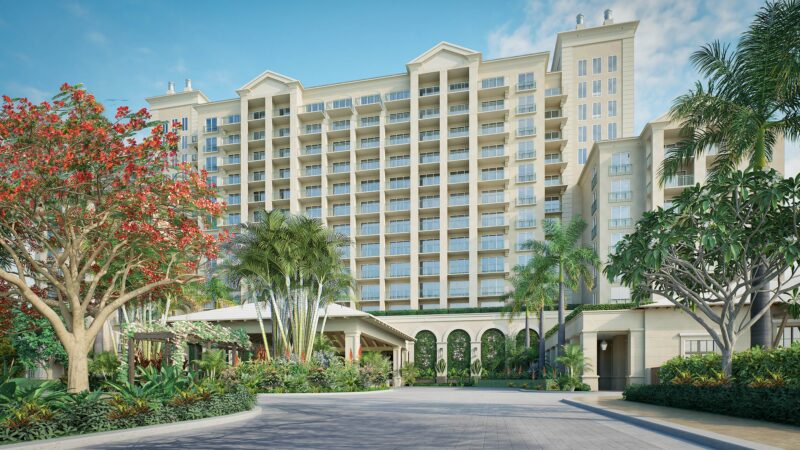
Bal Harbour and Surfside, 15 minutes north of South Beach, are where Miami's quieter, more residential luxury is concentrated. The Four Seasons Surf Club — a restored 1930s social club on the oceanfront — is the most historically significant hotel in this corridor. Acqualina Resort & Residences, with its Italian Renaissance architecture and three oceanfront pools, is the most complete resort. The St. Regis Bal Harbour is the most architecturally ambitious: twin towers on the oceanfront designed by Yabu Pushelberg.
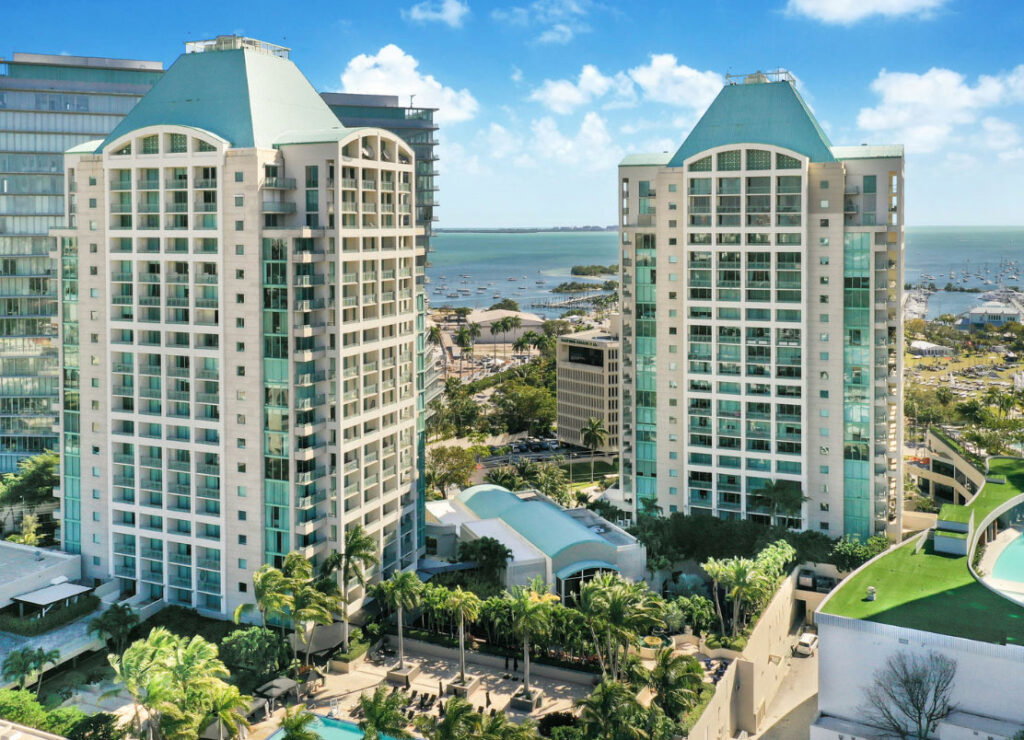
Coconut Grove and Key Biscayne, on the mainland and the island south of Miami, offer the most family-friendly and secluded luxury in the city. The Ritz-Carlton Key Biscayne, on a barrier island accessible only by causeway, is the most private resort in Miami — a 12-court tennis centre, a beach, and a spa in a setting that feels entirely removed from the city's energy.
Miami Art Week (first week of December, coinciding with Art Basel Miami Beach) is the most culturally significant week in the city's calendar — and the most expensive. Hotel rates increase 200–400%; book 6–12 months in advance or avoid entirely.
South Beach's Ocean Drive is the most photographed street in Miami but the least pleasant place to stay — noisy, crowded, and overpriced. The best hotels are on Collins Avenue (one block west) or on the quieter streets north of 20th Street.
The Faena's Saxony Bar is the best hotel bar in Miami — a 1940s-era room with live music nightly. It is open to non-guests and does not require a reservation, but arrives early on weekends.
Miami's best restaurant scene is in Wynwood and the Design District, not in South Beach. The hotels in Bal Harbour and Surfside are 20 minutes from the best restaurants by Uber; the South Beach hotels are 30–40 minutes.
November–April is Miami's season: warm (22–28°C), dry, and the most pleasant conditions for beach and outdoor activities. December is peak season (Art Basel, Christmas). June–September is hurricane season: hot, humid, and the most expensive period to avoid. The best value window is May and October — warm, less crowded, and significantly cheaper.
For the most theatrical and visually extraordinary hotel experience in Miami, the Faena Hotel on Collins Avenue — designed by Alan Faena and Baz Luhrmann — is the most ambitious hotel in the city.
For the most serene and architecturally refined Art Deco experience, The Setai in South Beach — three pools of different temperatures, a 1930s building, and the most tranquil atmosphere in Miami Beach — is the definitive choice.
For the most historically significant and quietly luxurious experience, the Four Seasons Surf Club in Surfside — a restored 1930s social club on the oceanfront — is the most refined address in the Miami area.
For the most complete family resort experience, Acqualina Resort & Residences in Sunny Isles Beach — three oceanfront pools, an extensive children's programme, and the most complete spa in the Miami area — is the best choice for families.