Los Cabos
Desert meets Pacific luxury
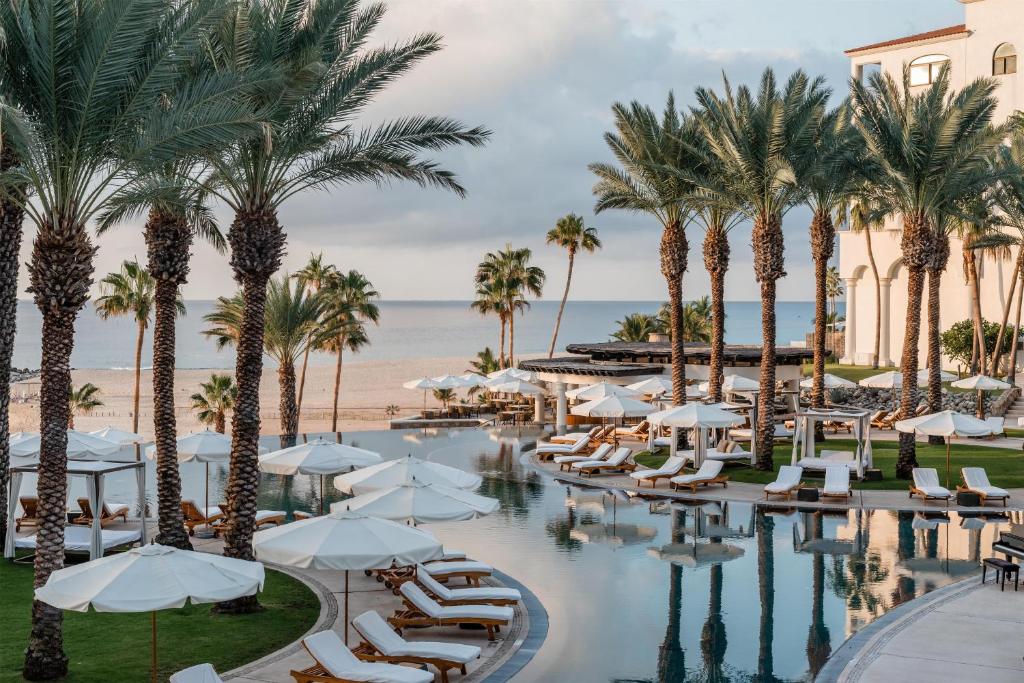
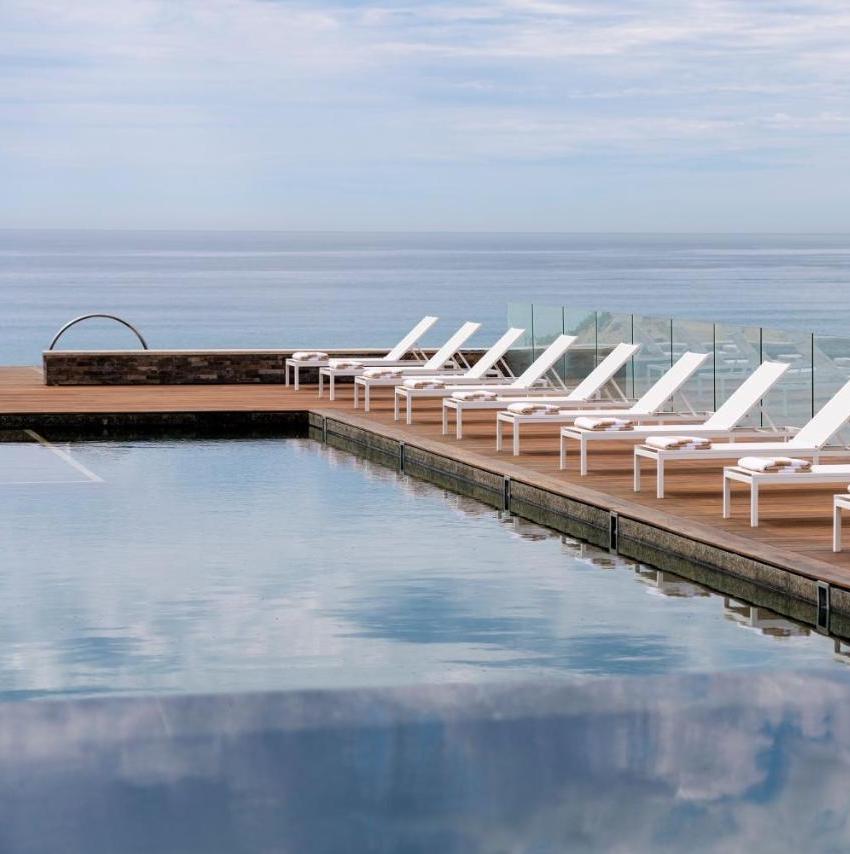
Los Cabos is Mexico's most concentrated luxury hotel market — a 33-kilometre corridor at the southern tip of the Baja California Peninsula where the Pacific Ocean meets the Sea of Cortés, the Sonoran Desert meets the sea, and some of the most celebrated resort hotels in the Americas are clustered within a 30-minute drive of each other. The corridor between Cabo San Lucas and San José del Cabo has more Forbes Five-Star hotels per kilometre than any other destination in Mexico.
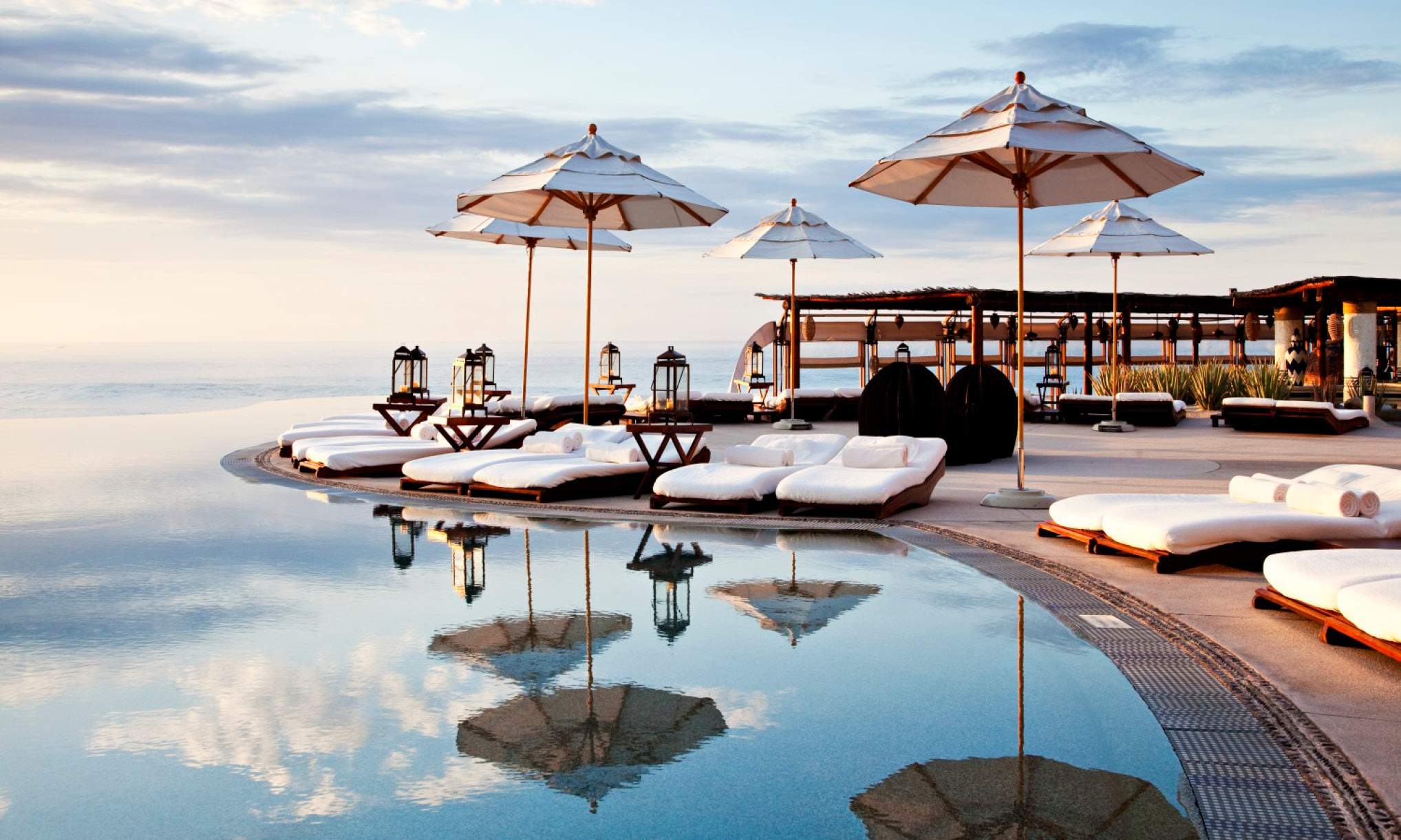
One&Only Palmilla, on a private peninsula above the Sea of Cortés, is the most historically significant hotel in Los Cabos — a 1956 hacienda converted into a resort, with a Jack Nicklaus-designed golf course, a private beach, and a chapel on the cliff that is the most photographed landmark in the corridor. Las Ventanas al Paraíso, a Rosewood Resort, is the most romantic: a whitewashed village of suites and villas with telescope-equipped terraces for stargazing above the Sea of Cortés.
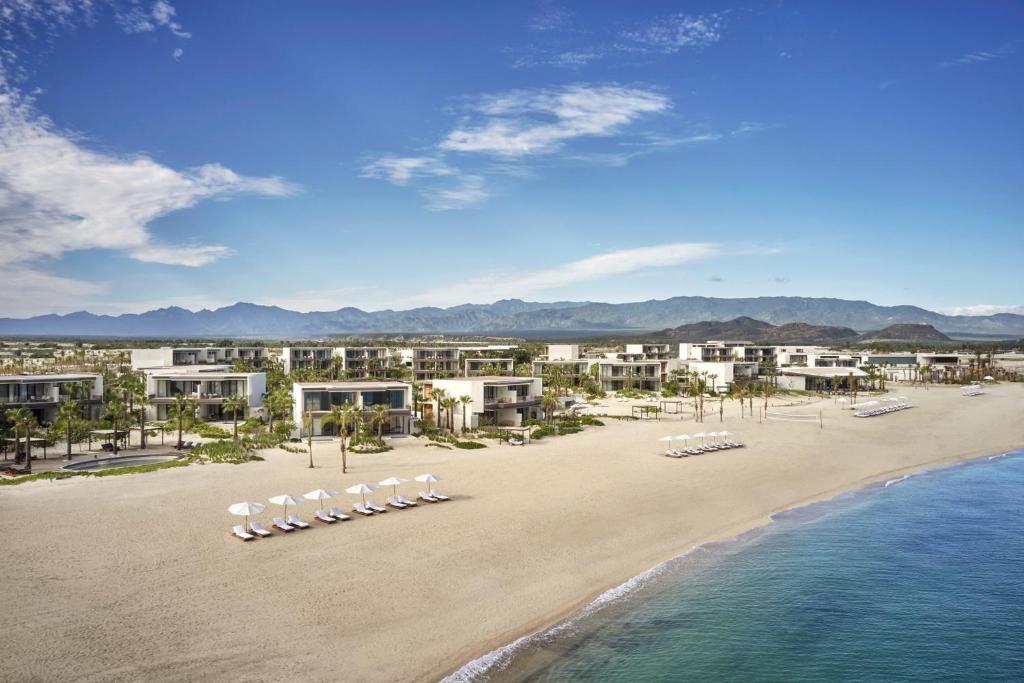
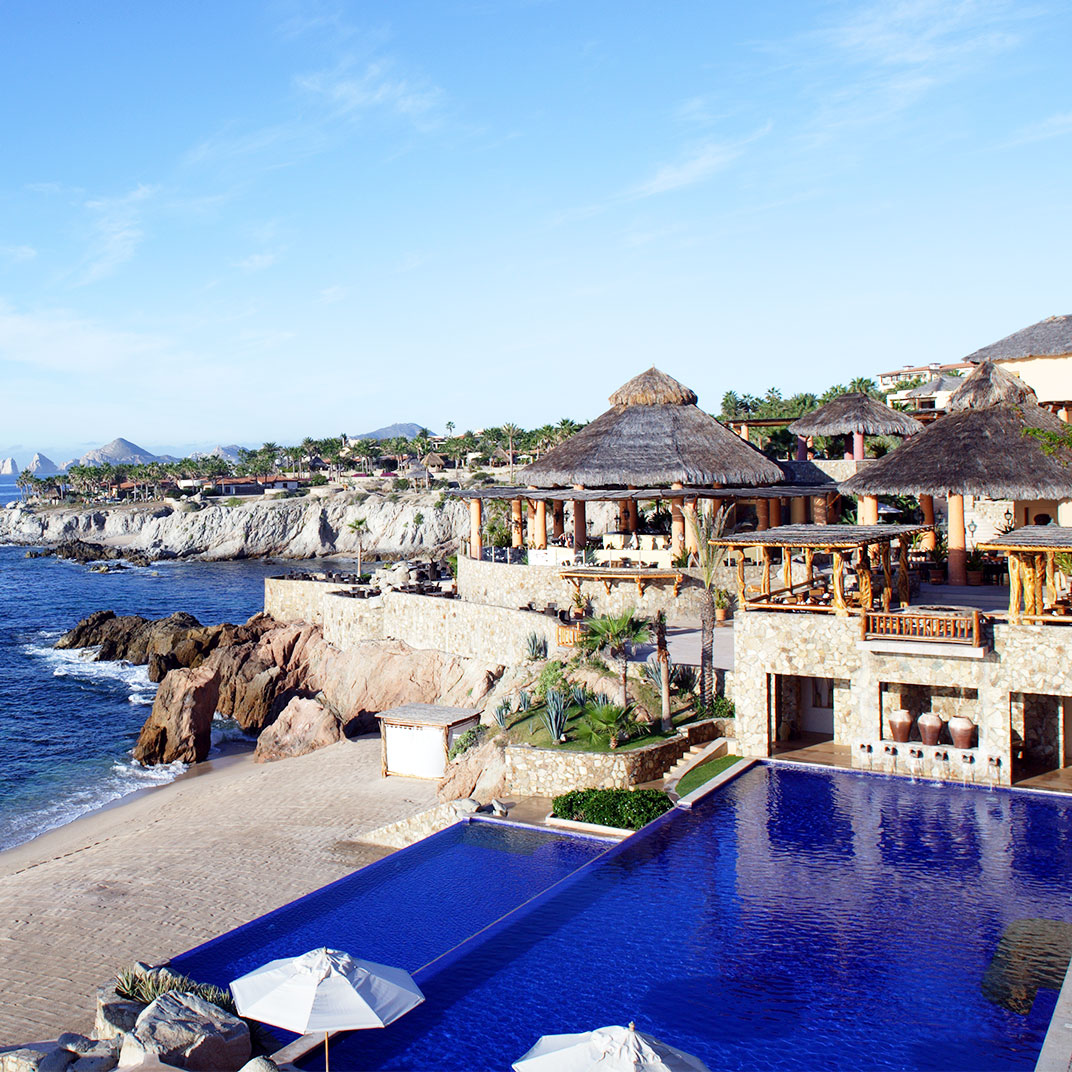
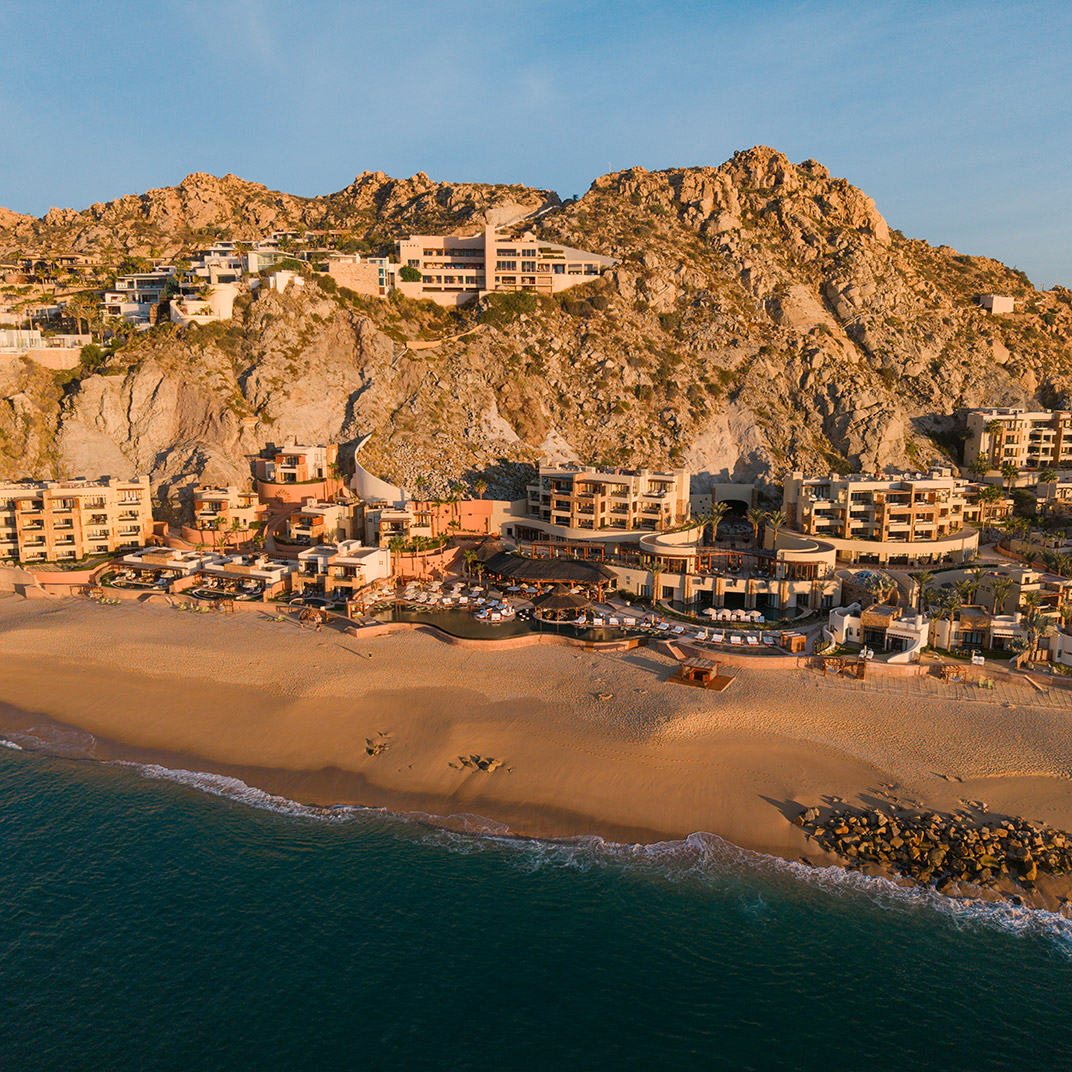
Waldorf Astoria Los Cabos Pedregal occupies the most dramatic position in the corridor — a sea-cliff above the Pacific at the very tip of the Baja Peninsula, accessible only through a private tunnel blasted through the rock. Esperanza, an Auberge Resort on a private cove, is the most intimate: 57 suites and villas on a cliff above a swimming cove, with the most complete spa in the corridor. Chileno Bay Resort, on the only swimmable bay in the corridor, is the most family-friendly.
Los Cabos' golf is the finest in Mexico — seven courses designed by Jack Nicklaus, Greg Norman, Tom Weiskopf, and Tiger Woods, all within the corridor. Whale watching season (January–March) is the best time to visit: grey whales migrate from Alaska to the warm lagoons of Baja to calve, and humpback whales are visible from the shore. Every hotel can arrange whale-watching excursions.
The beaches in Cabo San Lucas are not swimmable — the Pacific current creates dangerous surf. The only safe swimming beaches are on the Sea of Cortés side: Chileno Bay, Santa Maria, and the hotel beaches of the corridor. Always check with your hotel before swimming.
Whale watching season (January–March) is the best time to visit Los Cabos. Grey whales migrate from Alaska to the warm lagoons of Baja to calve; humpback whales are visible from the shore. Every hotel can arrange whale-watching excursions.
Las Ventanas al Paraíso's telescope butler service — a dedicated astronomer who sets up a telescope on your terrace and guides you through the night sky — is the most memorable amenity in the corridor. Book it on arrival.
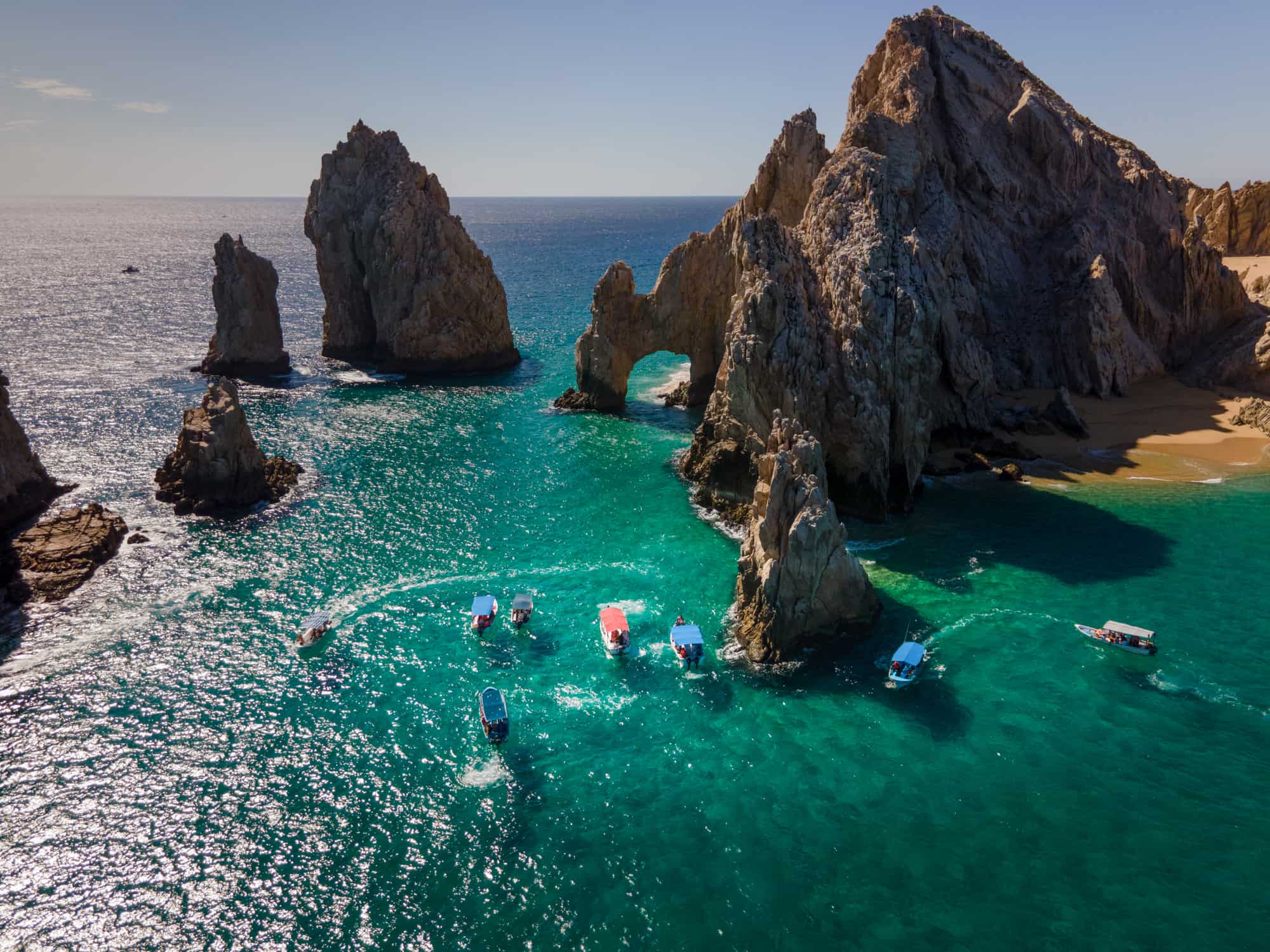
The Arch of Cabo San Lucas (El Arco) — the natural rock arch at the very tip of the Baja Peninsula — is accessible only by water taxi from the Cabo San Lucas marina. It is the most photographed landmark in Mexico and best seen at sunrise.
November–May is Los Cabos' season: warm (22–30°C), dry, and the best conditions for golf, whale watching, and beach. January–March is whale watching season. June–October is hurricane season: hot, humid, and the most likely period for tropical storms. The best value window is May and October.
For the most historically significant and most celebrated hotel in Los Cabos, One&Only Palmilla — a 1956 hacienda on a private peninsula with the finest golf course in Mexico — is the definitive choice.
For the most romantic and most atmospheric experience, Las Ventanas al Paraíso — a whitewashed village of suites with telescope-equipped terraces for stargazing above the Sea of Cortés — is the most celebrated honeymoon hotel in Mexico.
For the most dramatic and architecturally extraordinary position, Waldorf Astoria Los Cabos Pedregal — on a sea-cliff above the Pacific, accessible only through a private tunnel — is the most theatrical address in the corridor.
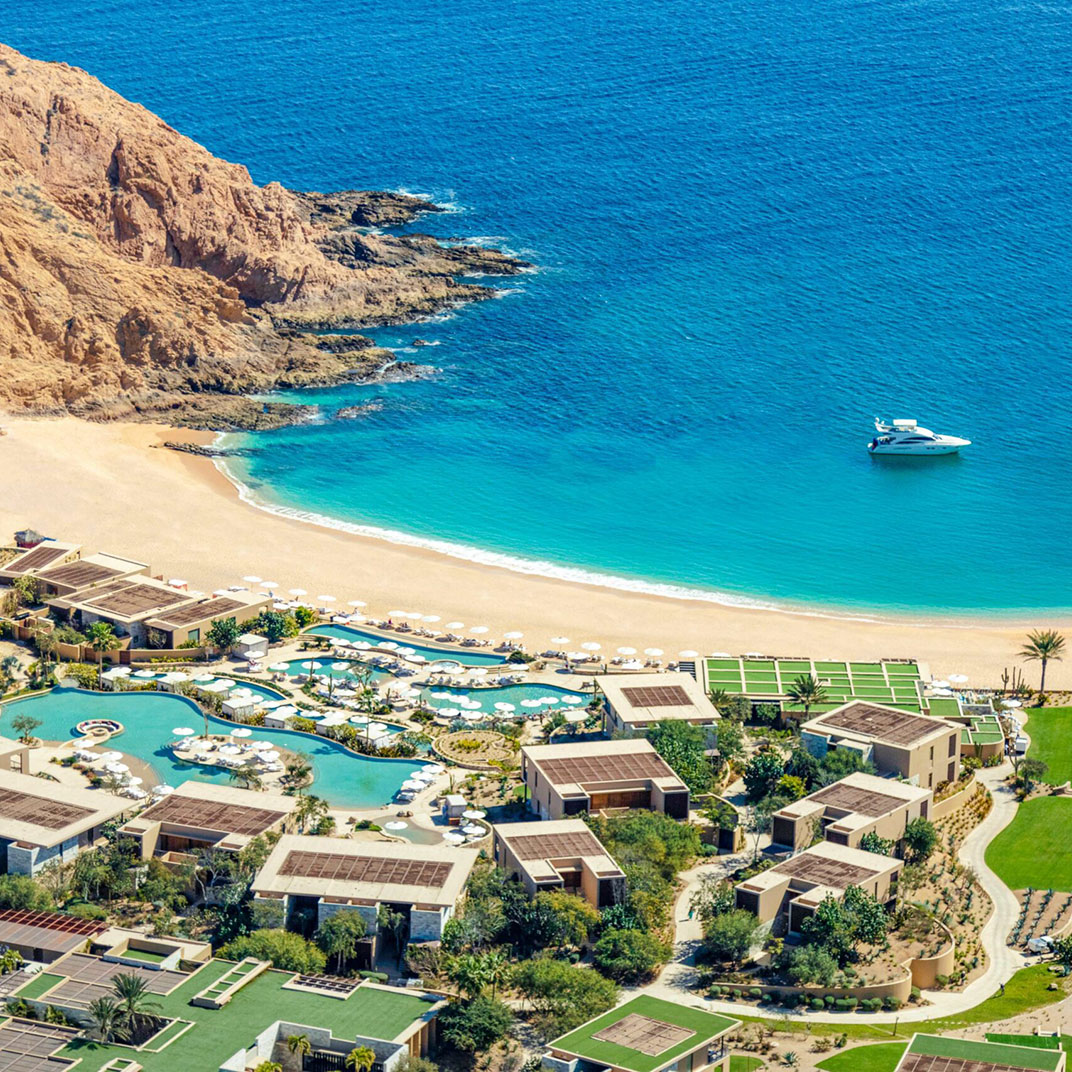
For the most family-friendly experience with the only swimmable bay in the corridor, Chileno Bay Resort offers the safest swimming, the most complete children's programme, and the most relaxed atmosphere in Los Cabos.