Destinations · 10 min
Baroque towns & volcanic drama
Sicily is Italy's most geographically and culturally complex island — a place where Greek temples, Norman cathedrals, Arab-Norman palaces, and Baroque town centres exist within a few hours of each other, and where the food is widely considered the finest in Italy. The island rewards the traveller who moves: a single base is insufficient for a first visit.
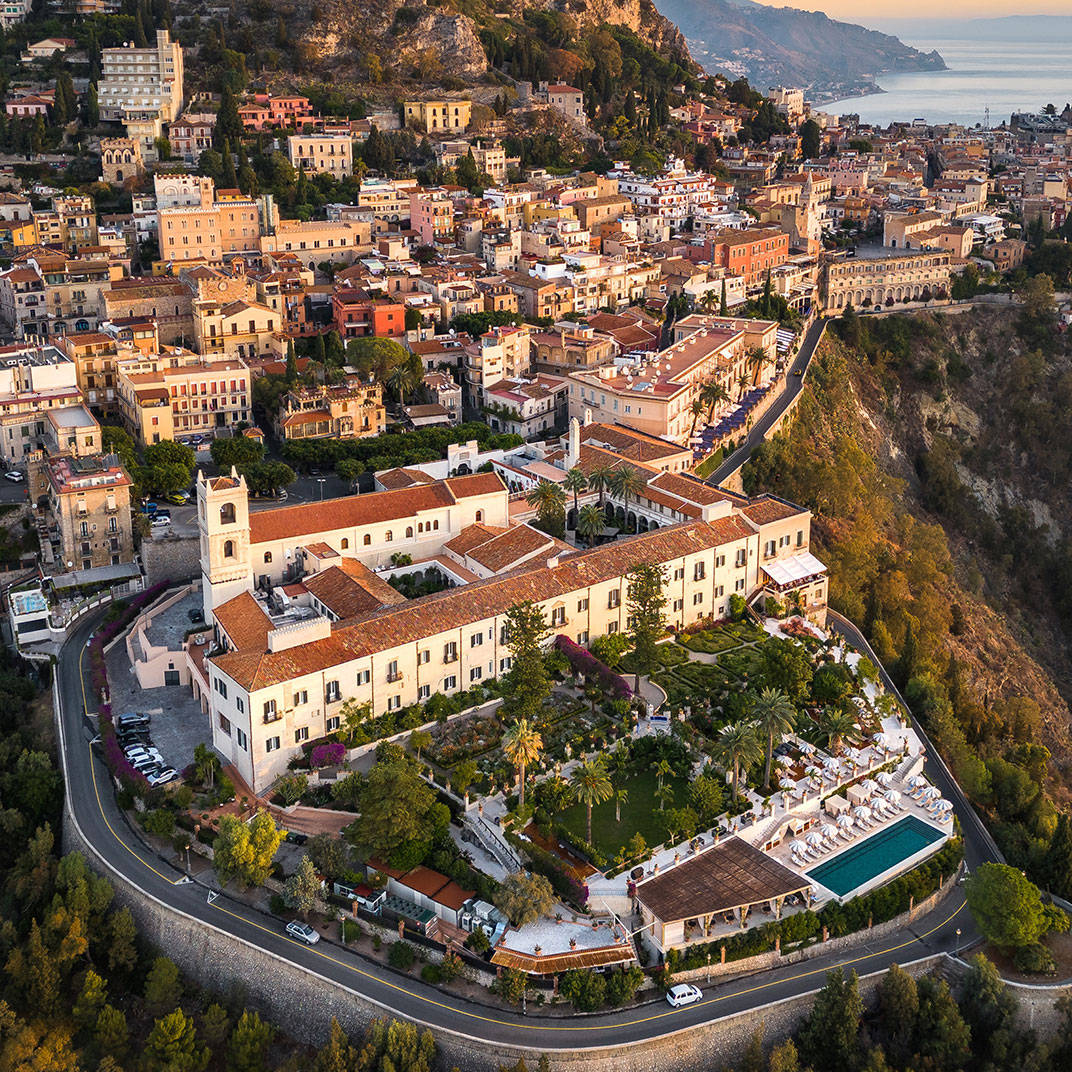
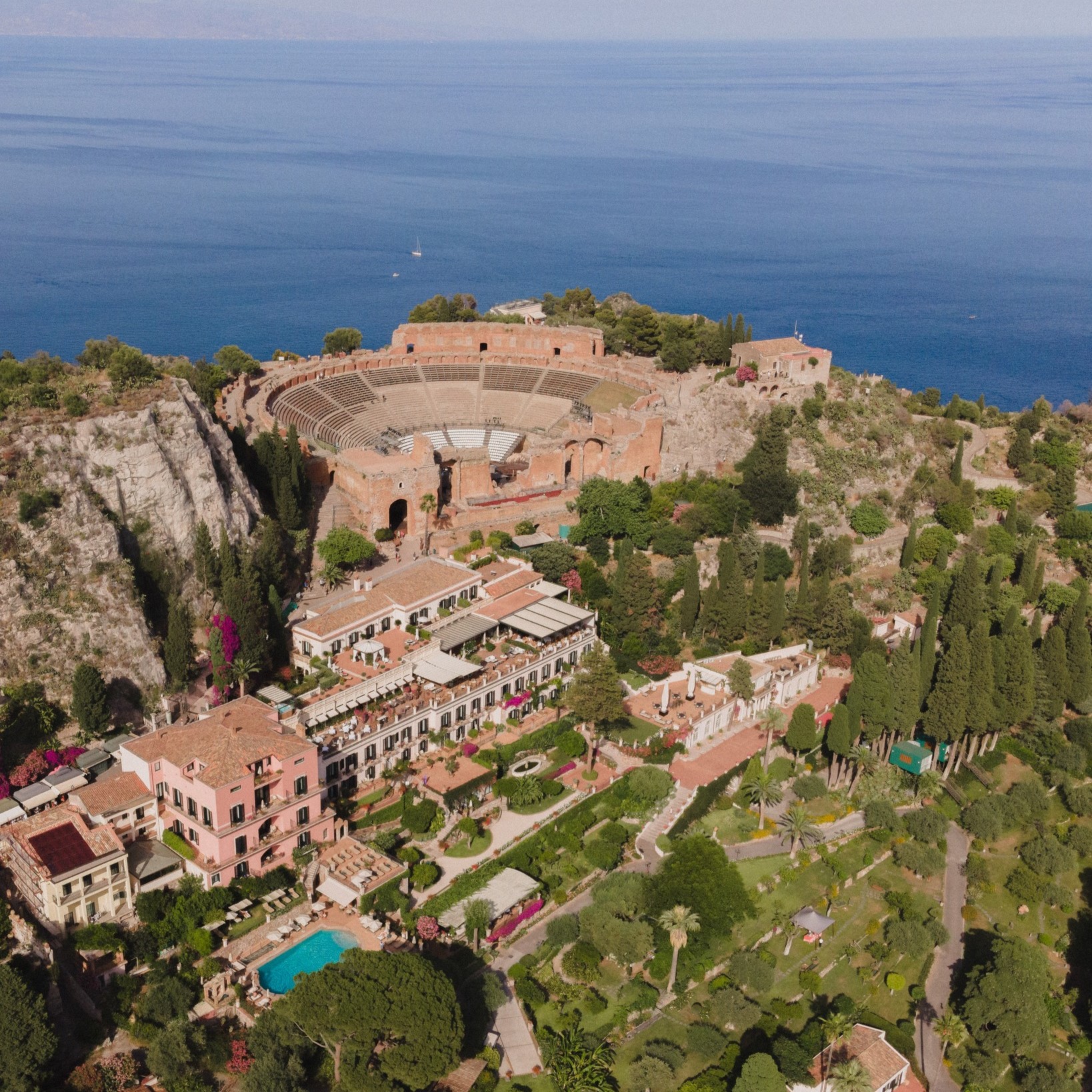
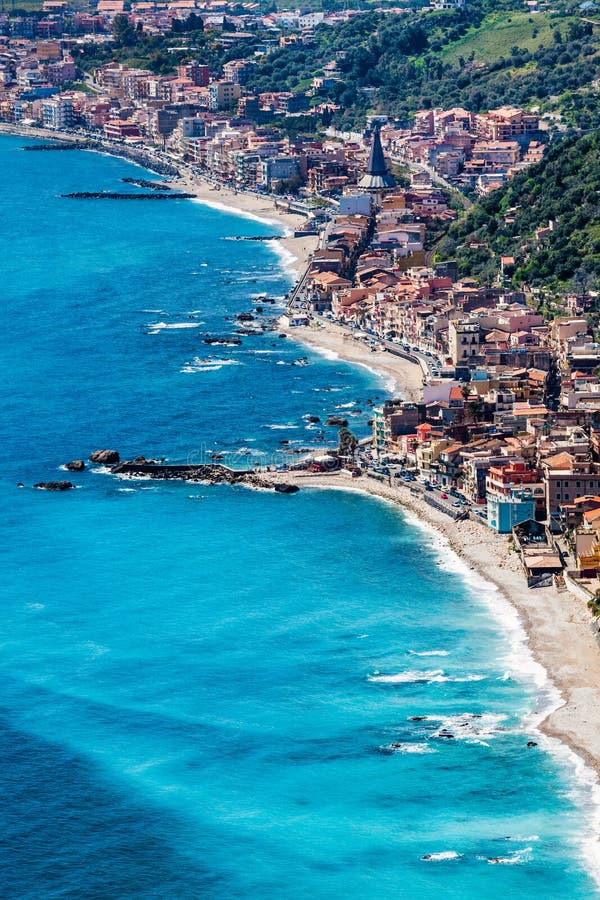
Taormina, on the island's east coast, is Sicily's most celebrated hotel town. The San Domenico Palace — a converted 15th-century Dominican monastery on a clifftop above the sea — is the island's most historically significant hotel. Belmond Villa Sant'Andrea, on the beach below Taormina, is the most romantic. Both face Mount Etna across the Ionian Sea; the views are among the most extraordinary in Italy.
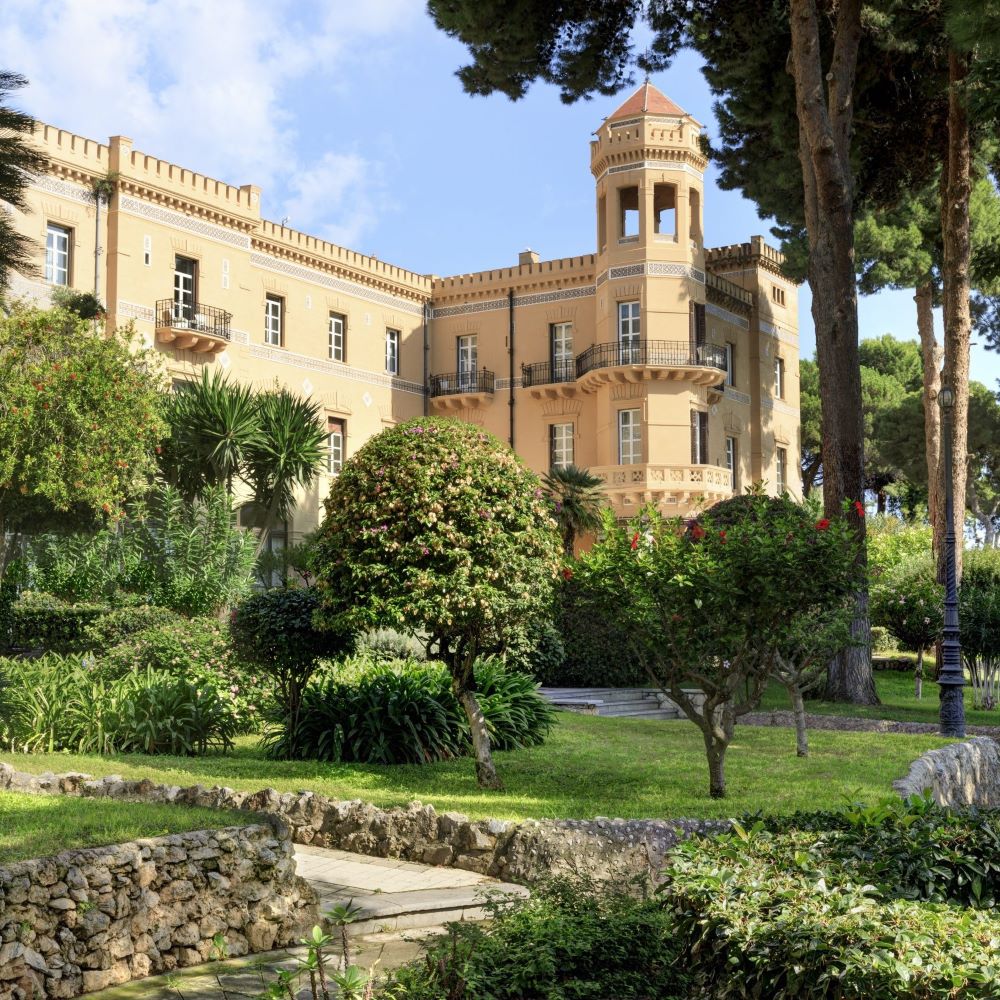
Palermo, the island's baroque capital, has its own hotel culture. The Villa Igiea — an Art Nouveau villa on the waterfront, opened in 1900 and recently restored by Rocco Forte — is the most historically significant hotel in the city. The Grand Hotel et des Palmes, where Wagner completed Parsifal in 1882, is the most storied address. Palermo's street food — arancini, panelle, sfincione — is the most compelling argument for the city.
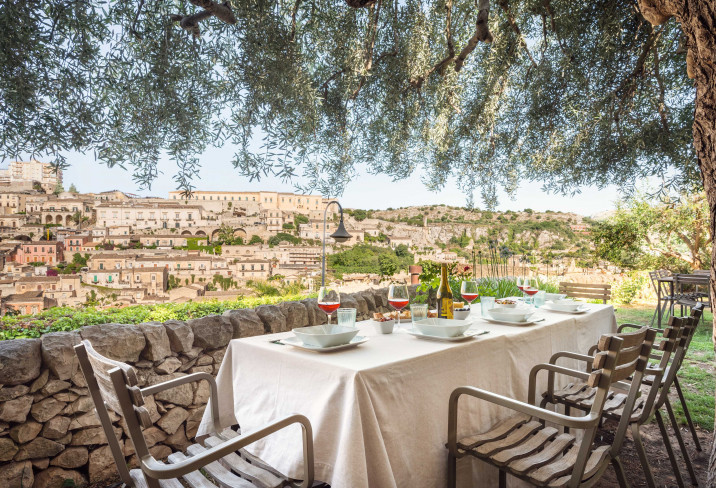
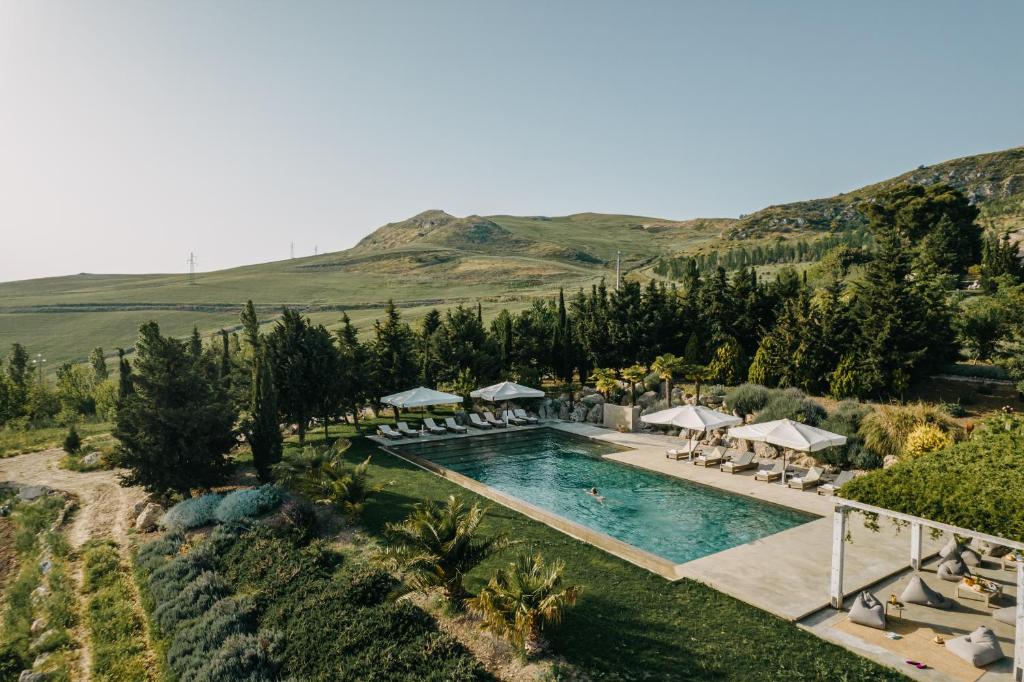
The Val di Noto — the UNESCO-listed Baroque towns of the south-east: Noto, Ragusa, Modica, Scicli — is Sicily's most underrated hotel territory. The masserie (fortified farmhouses) and converted palazzi here offer a level of seclusion and architectural character that the more famous northern resorts cannot match. Noto's honey-coloured sandstone at sunset is one of the most beautiful sights in Italy.
Mount Etna is an active volcano — eruptions are frequent and generally non-threatening. The cable car to the summit crater operates weather-permitting; book a guided excursion from your hotel rather than arriving independently.
Sicily's high season is July–August: very hot (35–40°C in the interior), crowded at Taormina, and the most expensive period. May–June and September–October offer the best combination of weather, accessibility, and value.
The Aeolian Islands — Stromboli, Lipari, Panarea — are a 45-minute hydrofoil from Milazzo on the north coast. A two-night extension to Stromboli (to watch the volcano erupt at night) is one of the great Italian travel experiences.
Noto's Baroque architecture is best photographed in the late afternoon, when the sandstone turns gold. The Cafè Sicilia on the Corso Vittorio Emanuele is the finest pastry shop in Sicily — arrive early for the granita di mandorla.
May–June and September–October are Sicily's best months: warm (22–28°C), uncrowded, and the landscape at its most beautiful. July–August is peak season — extremely hot, crowded at Taormina, and the most expensive period. November–April is quiet, mild, and the best time for exploring the interior and the Baroque south-east without crowds.
For the most historically significant and dramatically situated hotel in Sicily, San Domenico Palace in Taormina — a converted 15th-century Dominican monastery on a clifftop above the Ionian Sea — is the definitive choice.
For the most romantic beach hotel with Etna views, Belmond Villa Sant'Andrea on the beach below Taormina is the island's most celebrated seaside address.
For the most historically significant hotel in Palermo, Villa Igiea — an Art Nouveau waterfront villa restored by Rocco Forte — is the finest address in the Sicilian capital.
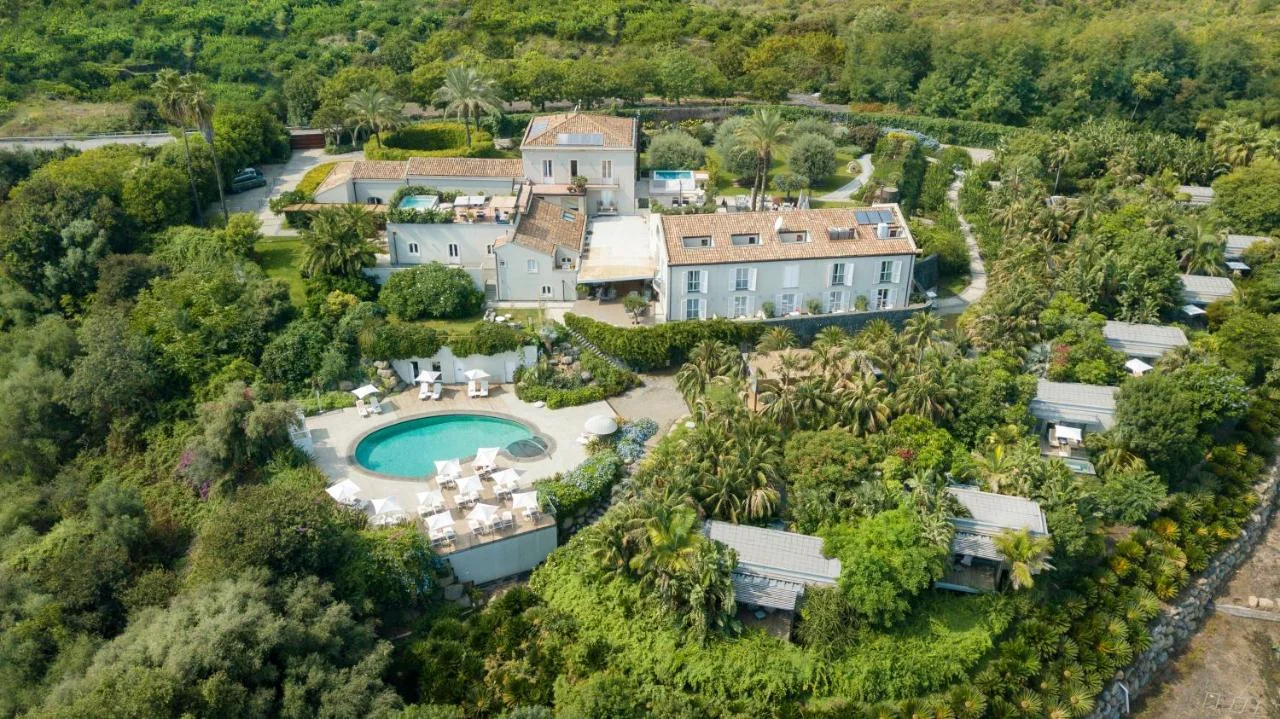
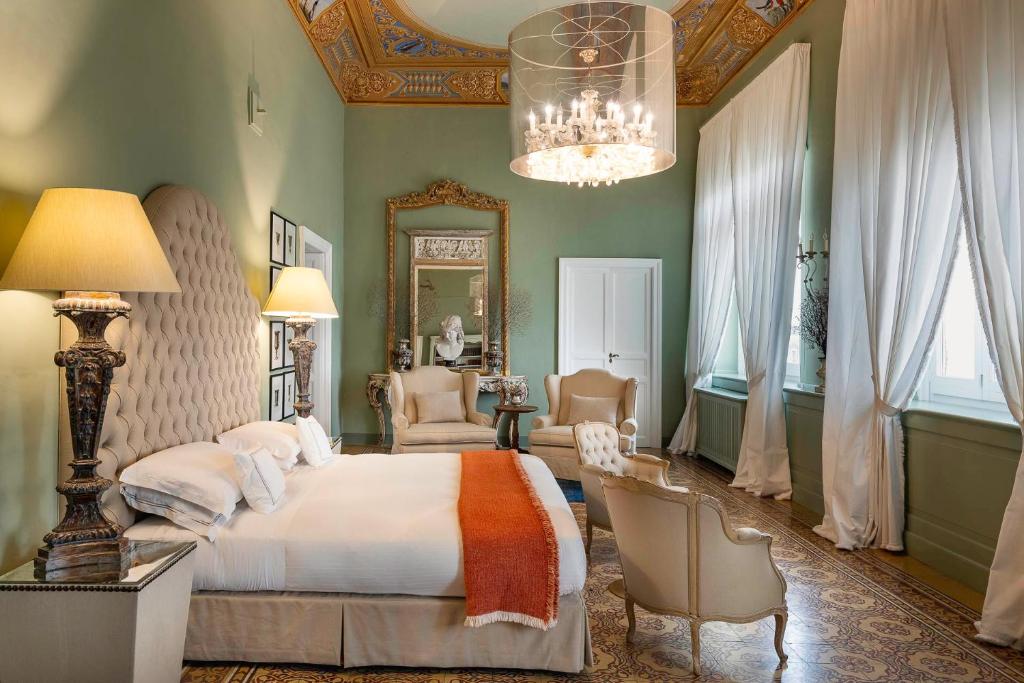
For the most secluded and architecturally characterful experience in the Baroque south-east, the converted masserie and palazzi around Noto and Ragusa offer a level of intimacy and authenticity that the northern resorts cannot match.