Destinations · 13 min
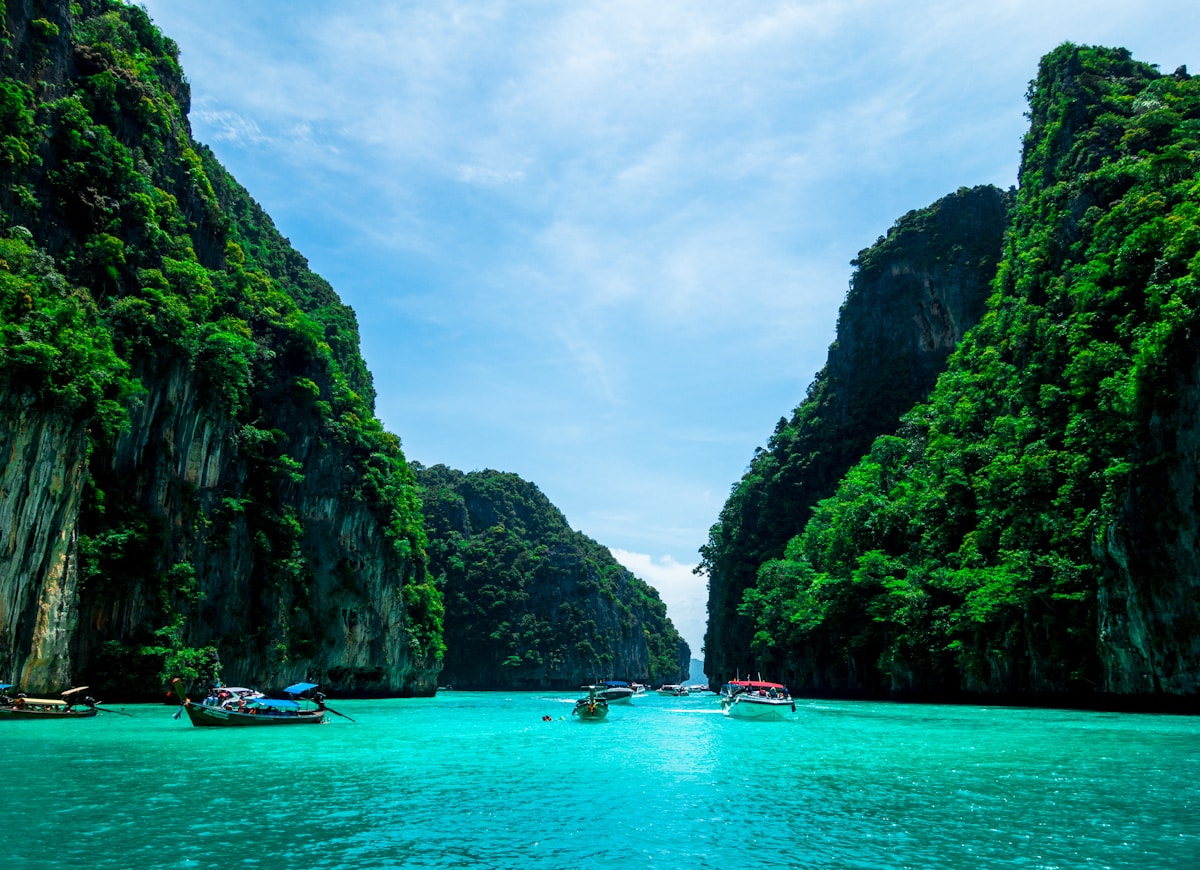
Clifftop villas & Andaman Sea
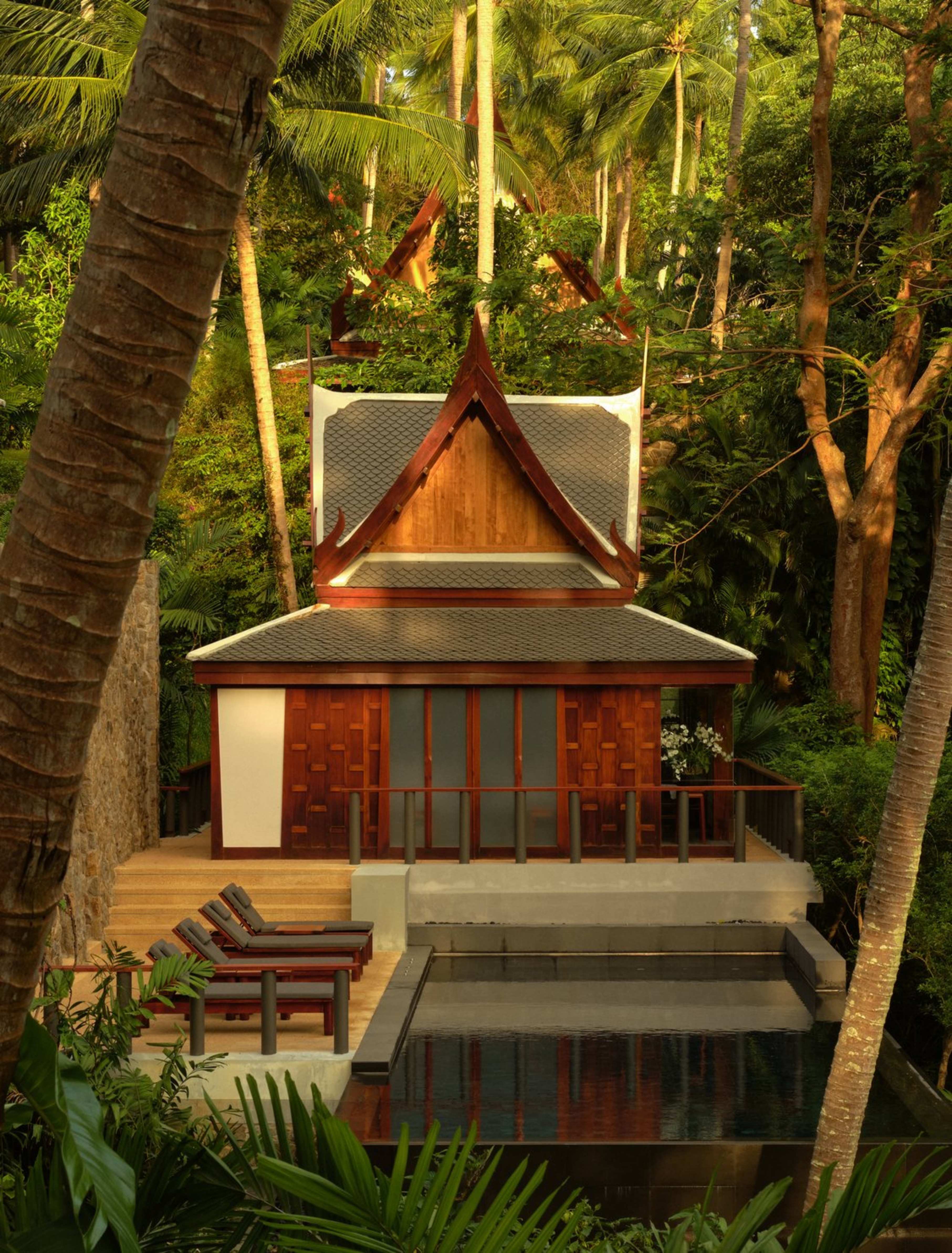
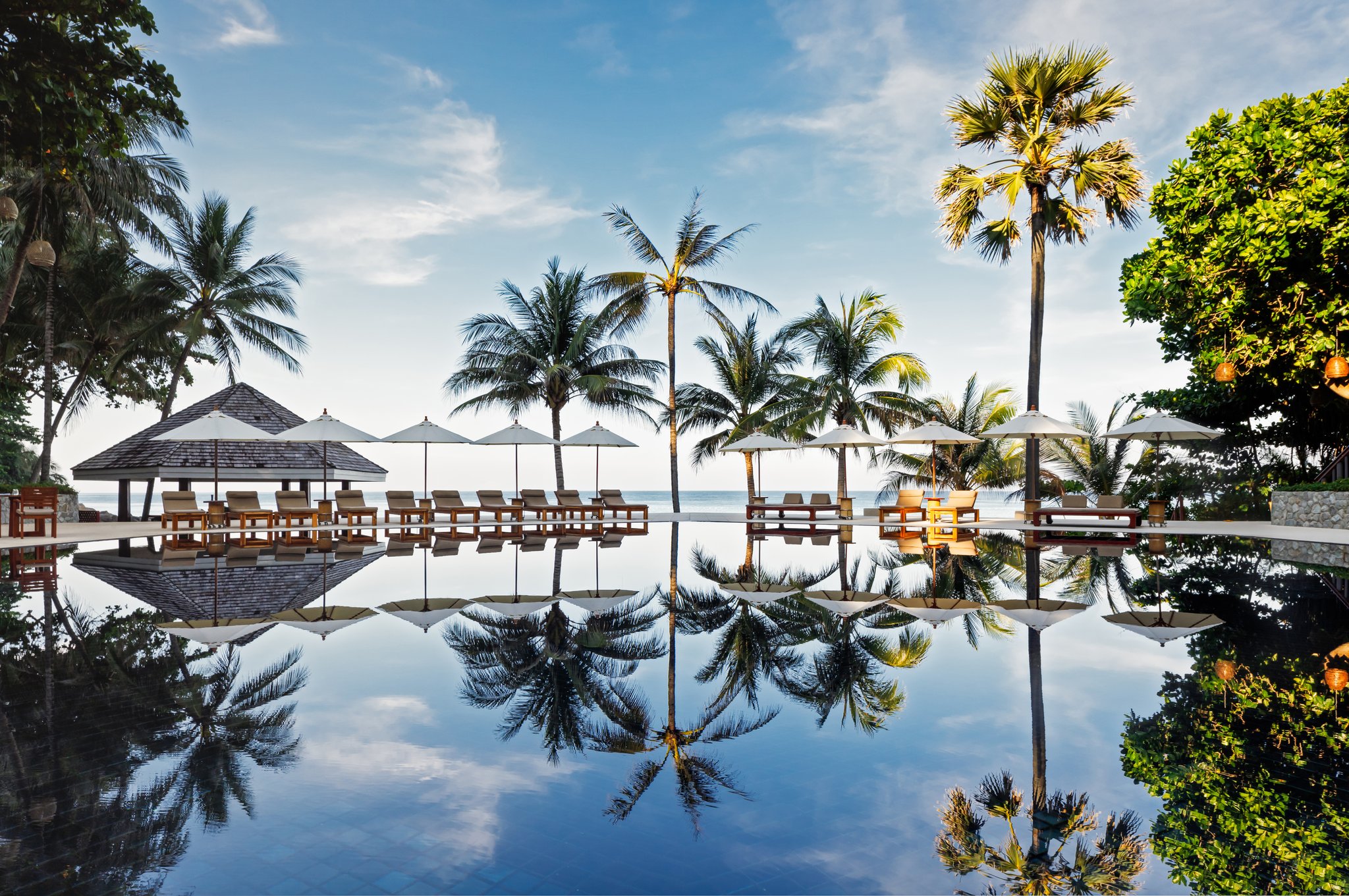
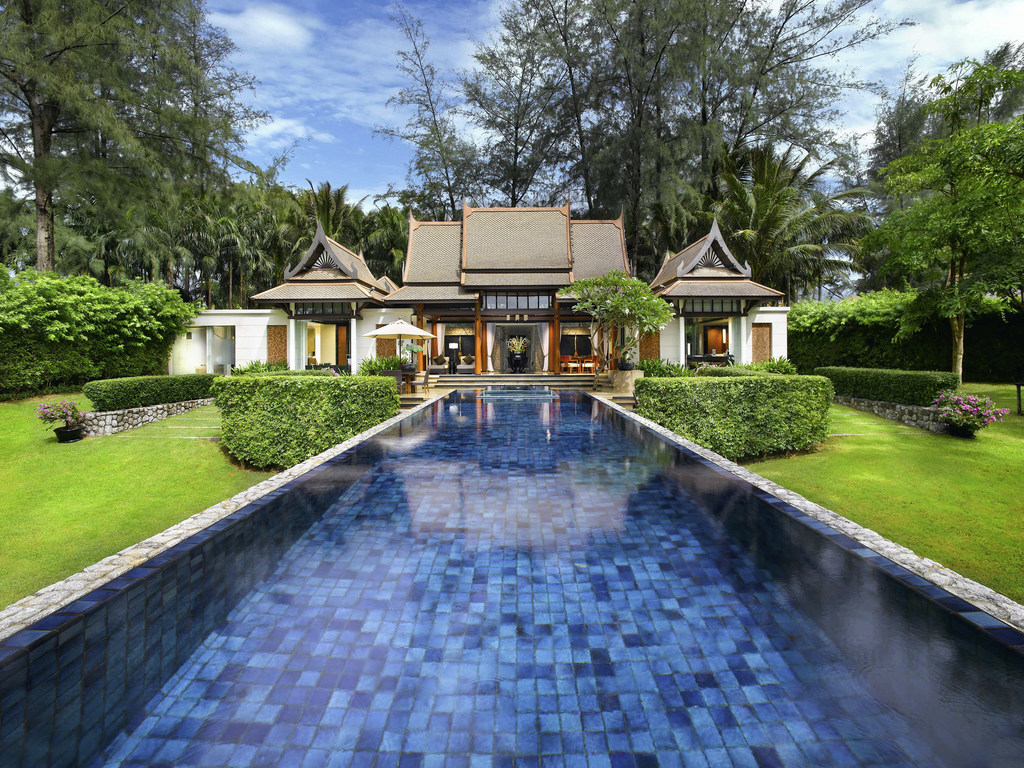
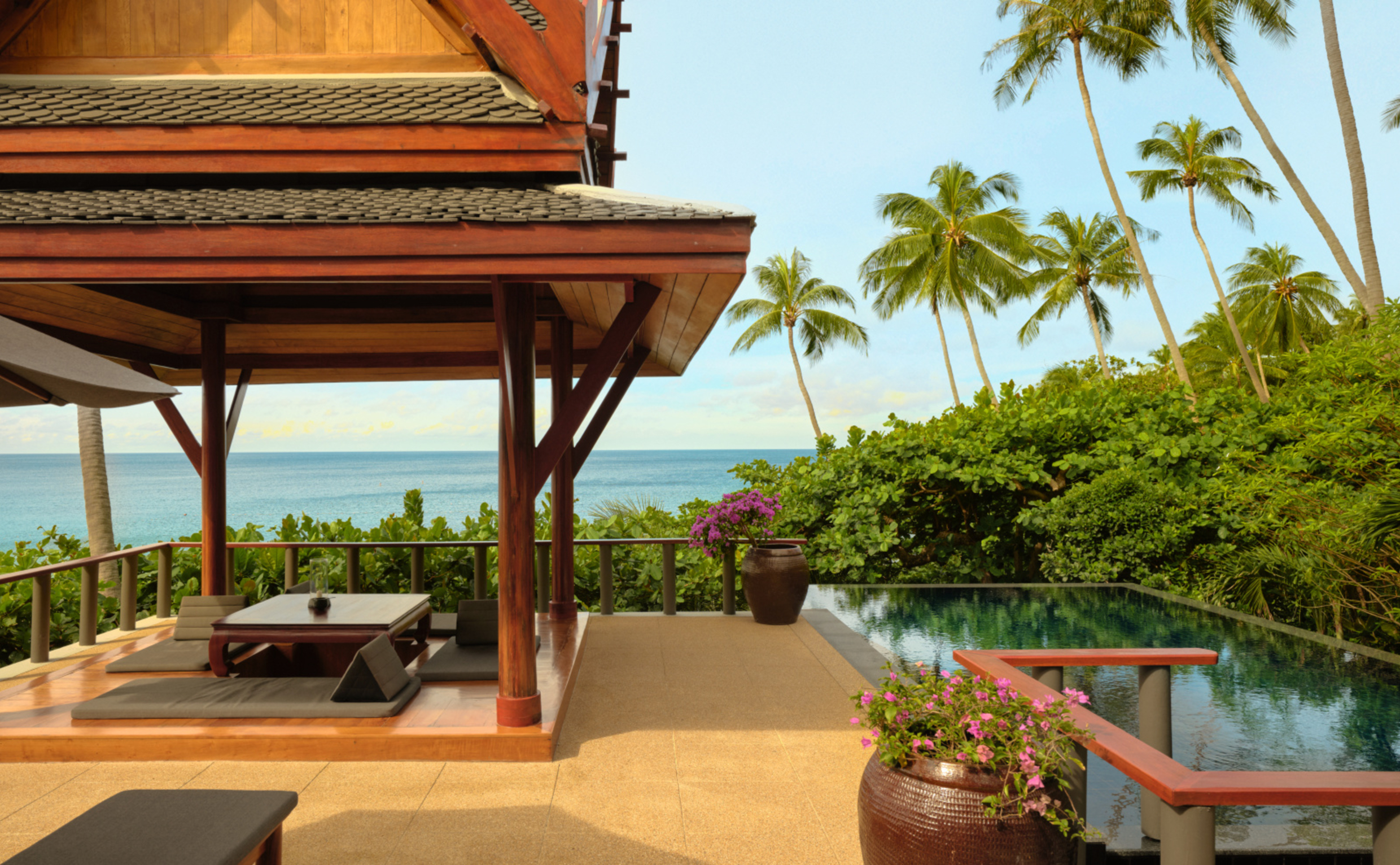
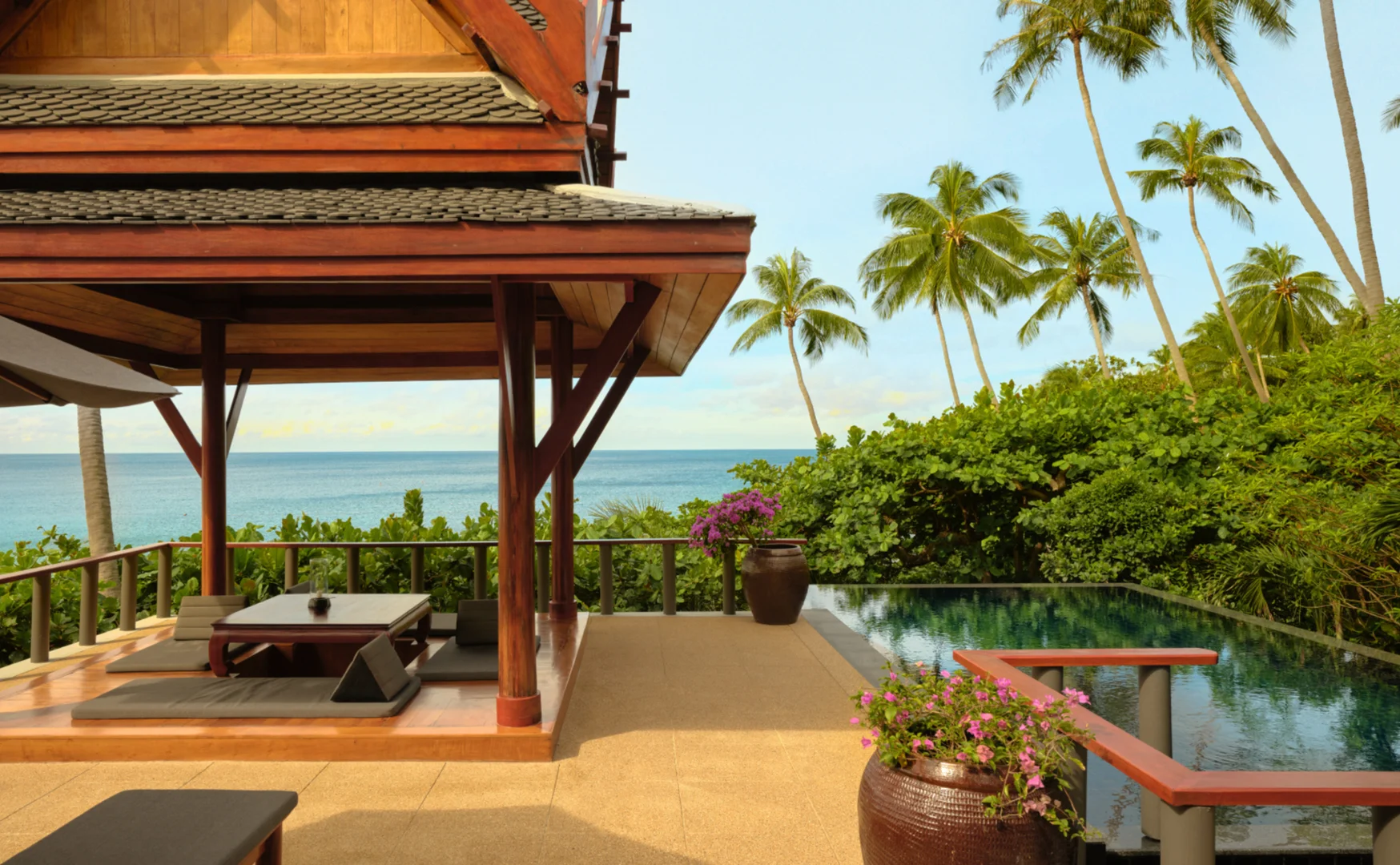
Phuket's luxury landscape begins and ends with Amanpuri. The original Aman resort — opened in 1988 on Pansea Beach, designed by Ed Tuttle — established the aesthetic that every subsequent luxury resort in Southeast Asia has attempted to replicate: pavilion architecture, private pools, teak and stone, a staff ratio that borders on the theatrical. Thirty-five years later, it remains the island's defining address and the benchmark against which every competitor is measured.
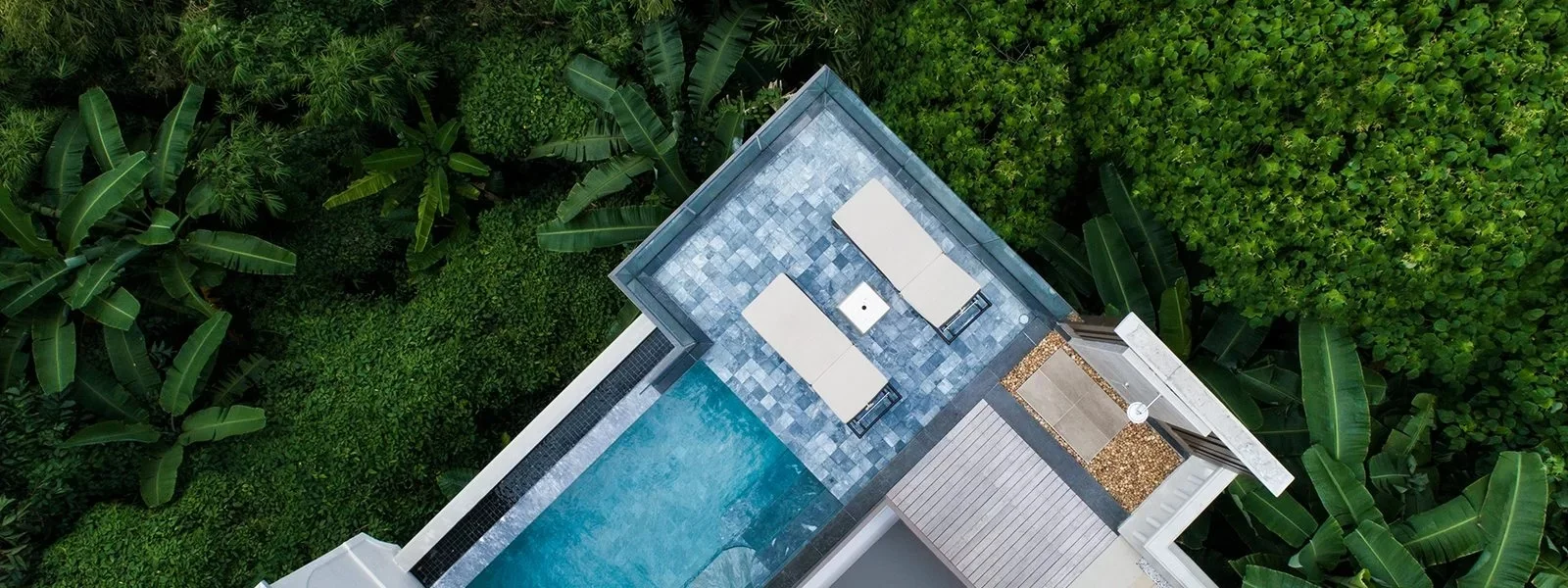
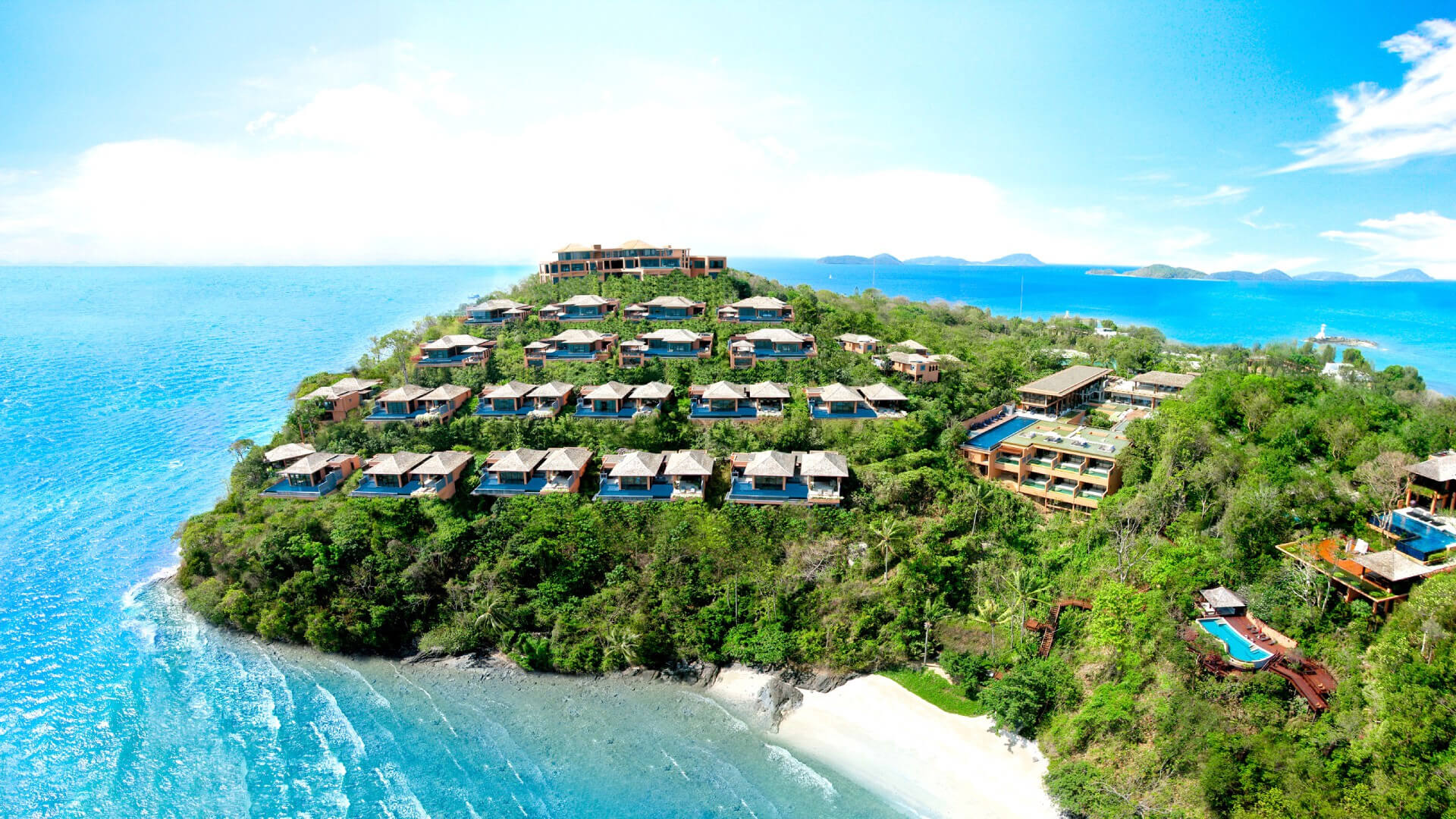
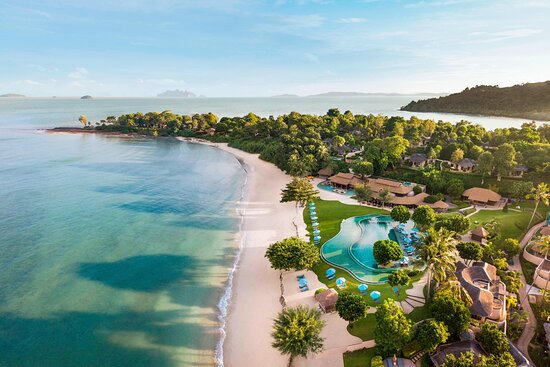
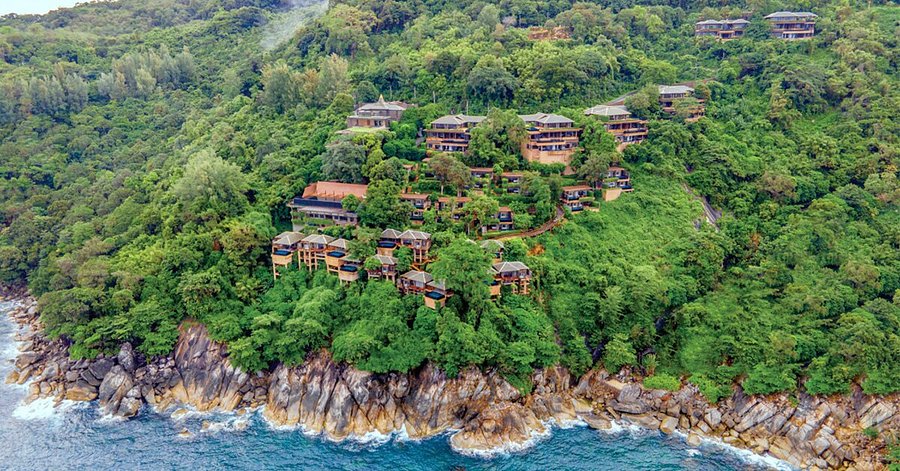
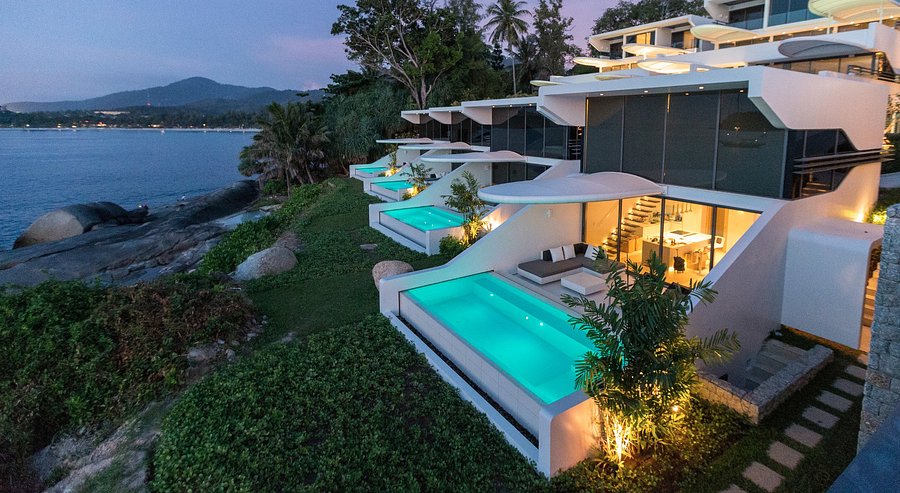
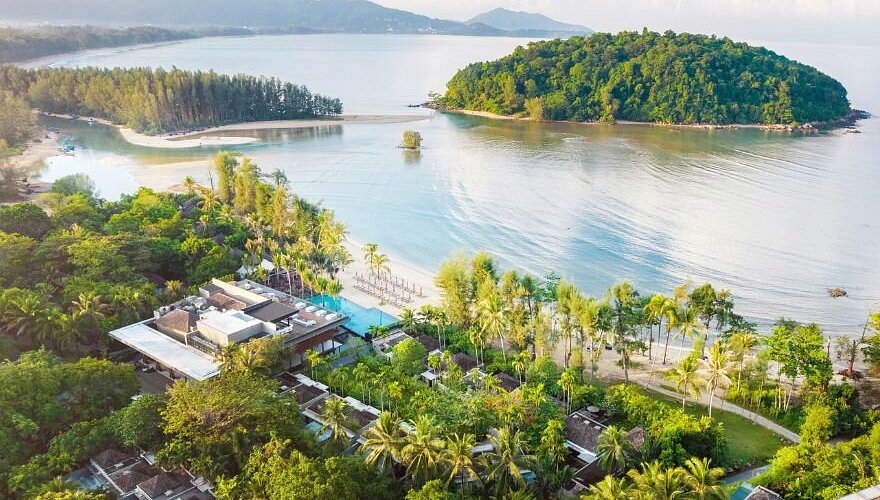
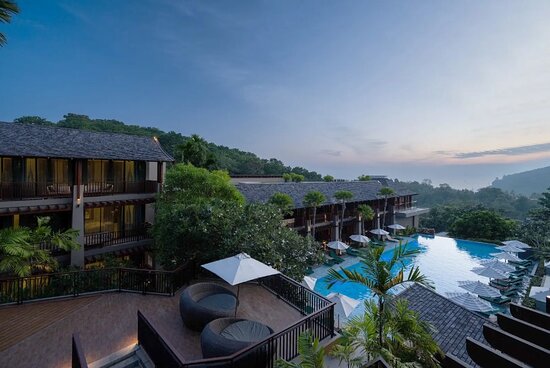
The competition has grown considerably. Trisara in the northwest — a collection of pool villas cascading down a private bay — is the closest rival in terms of seclusion and service. Keemala in the hills above Kamala is the most architecturally inventive: tree-house villas, bird-nest pools, and a wellness programme that draws guests from across Asia. Rosewood Phuket on Emerald Bay is the most dramatic: a clifftop property above one of the island's most beautiful beaches.
The island divides geographically into distinct zones. The west coast (Surin, Kamala, Pansea) is where the island's finest hotels are concentrated — calm Andaman seas, long beaches, and relative seclusion. Patong is the entertainment district: loud, crowded, and best avoided by guests seeking luxury. The east coast faces the Phang Nga Bay — dramatic limestone karsts, mangroves, and the Six Senses Yao Noi on the adjacent island.
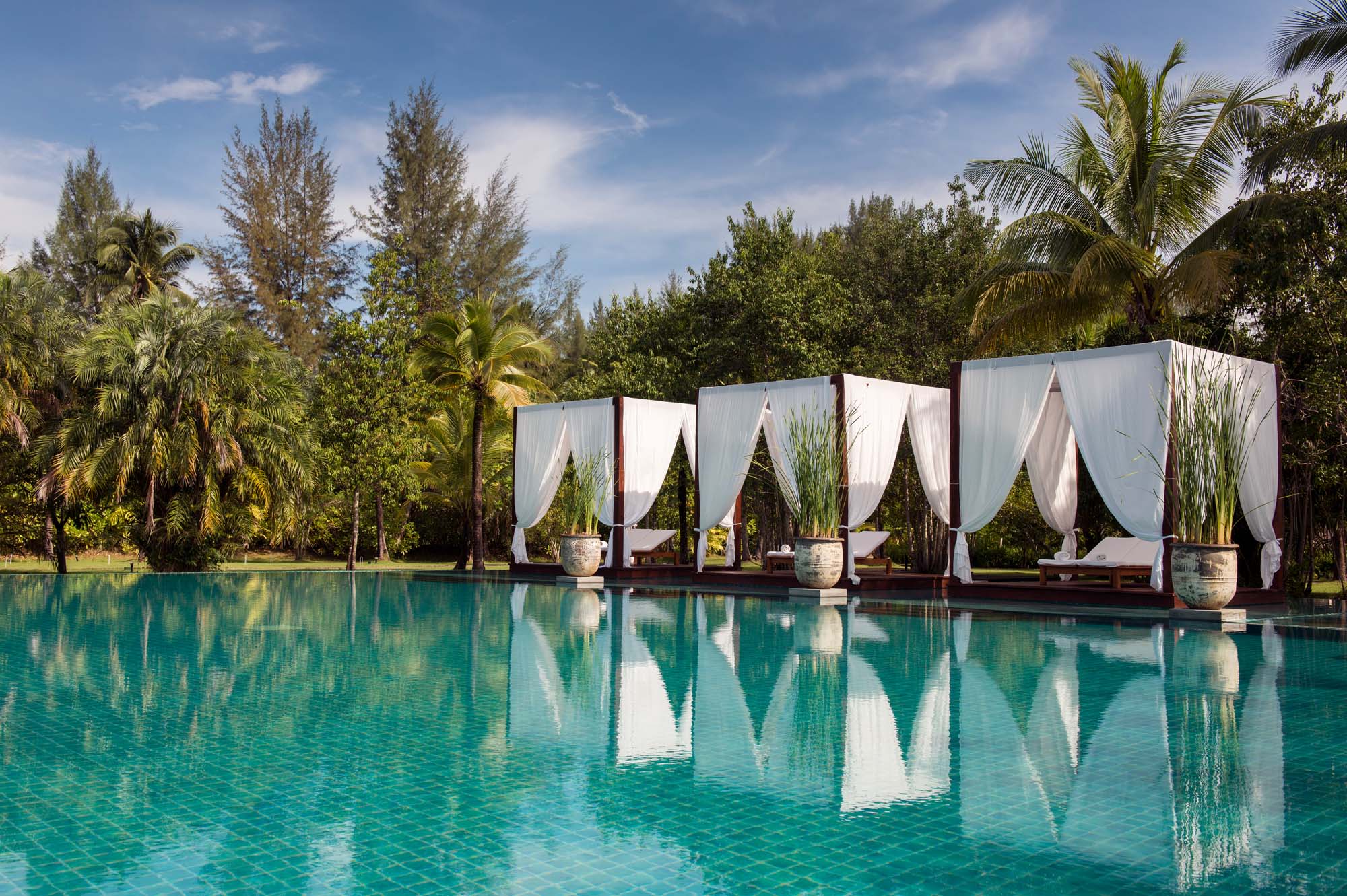
Phuket's best hotels are best treated as destinations in themselves. The island's traffic is notoriously difficult; the distances between zones are significant; and the finest properties offer enough within their own boundaries — private beaches, multiple restaurants, spa programmes, water sports — to fill a week without leaving the grounds.
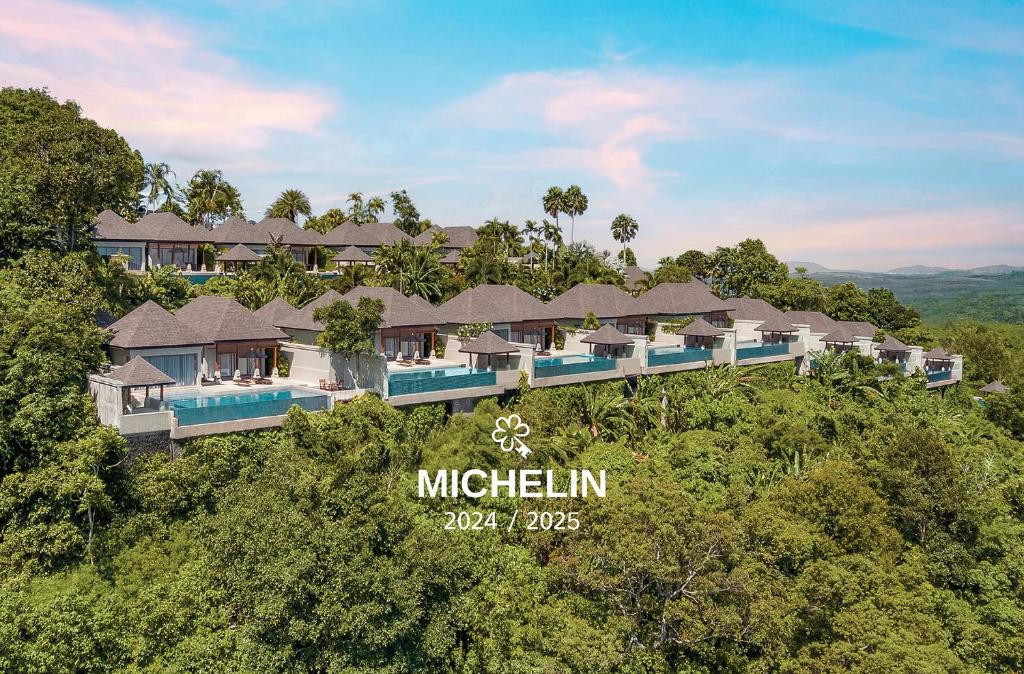
Amanpuri's villas are split between the original 40 pavilions (smaller, more private) and the newer Aman Villas (larger, with private pools). The pavilions are the more authentic Aman experience; the villas are better for families or longer stays.
Phuket's high season is November to April — the Andaman coast's dry season. May to October brings the southwest monsoon: heavy rain, rough seas, and some beach closures. Many hotels offer their lowest rates during this period.
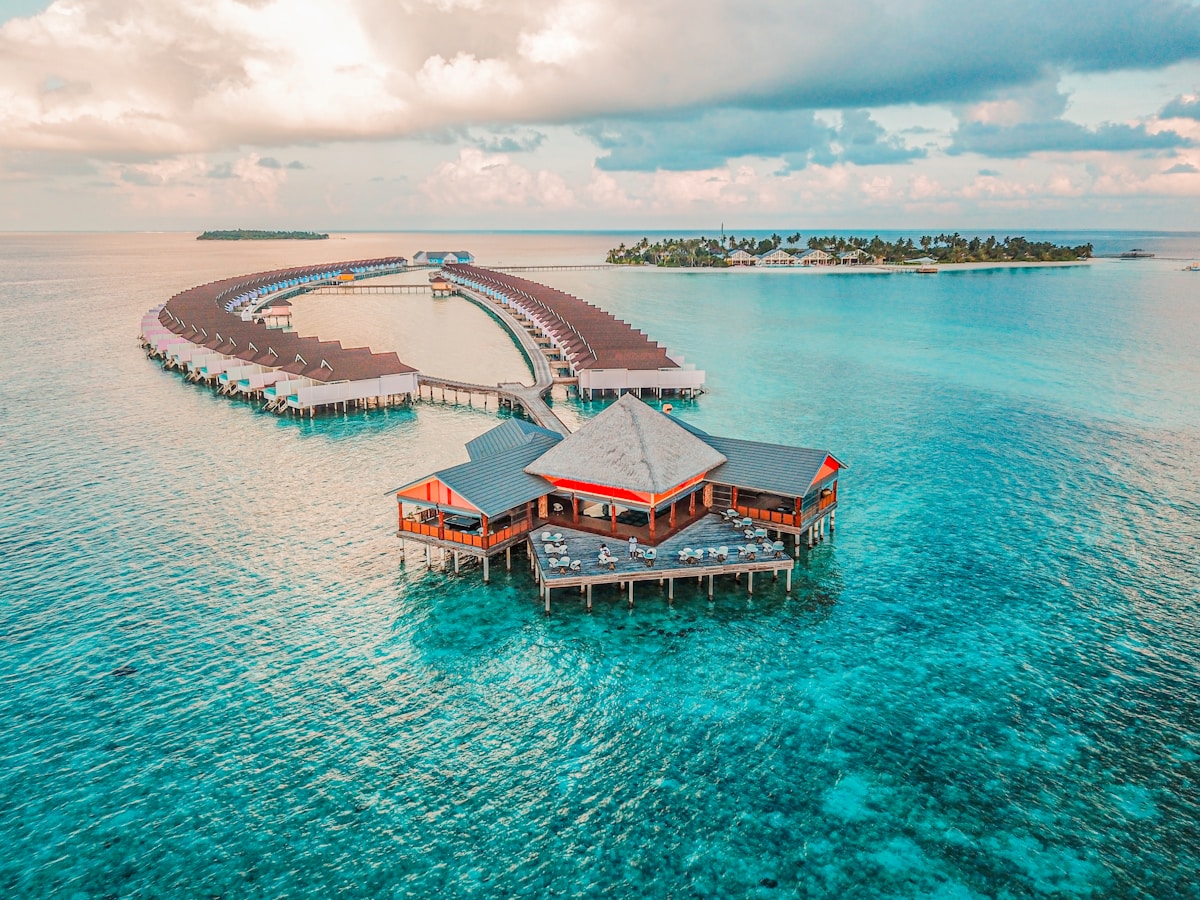
The Six Senses Yao Noi is technically on a separate island (Koh Yao Noi) in Phang Nga Bay — a 45-minute speedboat from Phuket. The journey is part of the experience; the views of the limestone karsts are extraordinary.
Phuket's street food scene is excellent and significantly underutilised by hotel guests. The Old Town's Thalang Road and the weekend market at Naka Market are both worth the taxi ride from the west coast.
November to April is Phuket's dry season — calm seas, clear skies, and the best beach conditions. December and January are peak season with the highest rates and most visitors. May to October is the southwest monsoon season: rough seas, heavy rain, and some beach closures, but dramatically lower hotel rates.
For the original and definitive Phuket luxury experience, Amanpuri on Pansea Beach is the only choice — the hotel that invented the aesthetic that every subsequent luxury resort in Southeast Asia has attempted to replicate.
For the most dramatic clifftop setting and the best beach, Rosewood Phuket on Emerald Bay or Trisara in the northwest offer the most spectacular natural settings on the island.
For the most innovative wellness programme and the most architecturally inventive hotel, Keemala in the hills above Kamala is unlike anything else in Thailand — tree-house villas, bird-nest pools, and a spa that draws guests from across Asia.
For the Phang Nga Bay limestone karst experience, Six Senses Yao Noi on the adjacent island is the most extraordinary address in the region — a 45-minute speedboat from Phuket, but worth every minute of the journey.